
Table of Contents >> Show >> Hide
- What Is Chicken Pad Thai?
- Why Chicken Pad Thai Works So Well for Home Cooks
- Essential Ingredients for Chicken Pad Thai
- How to Make Chicken Pad Thai at Home
- Common Chicken Pad Thai Mistakes (and How to Avoid Them)
- Easy Variations and Substitutions
- How to Store and Reheat Chicken Pad Thai
- What to Serve with Chicken Pad Thai
- Chicken Pad Thai: Flavor Tips for Better Results Every Time
- Real-World Chicken Pad Thai Experiences (Home Cook Stories & Lessons)
- Final Thoughts
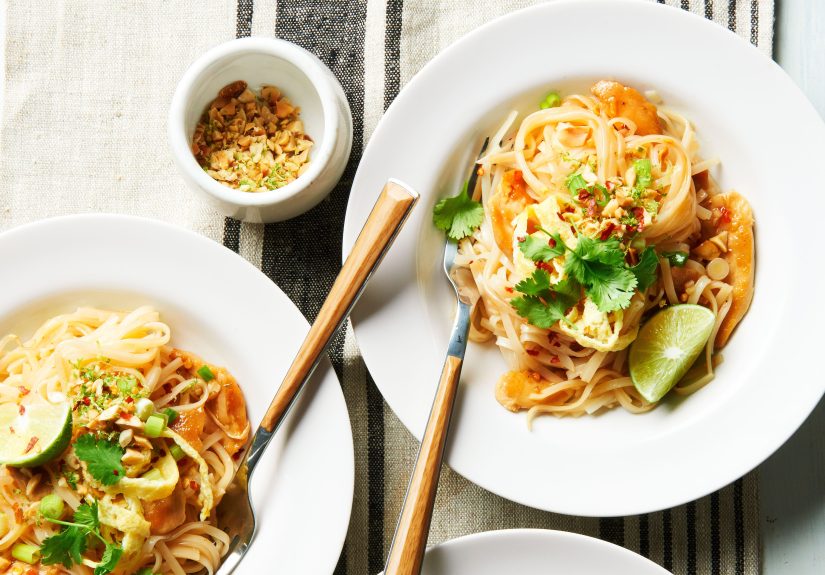
Chicken Pad Thai is one of those magical dinners that makes your kitchen smell like you absolutely know what you’re doingeven if you’re standing there in socks, holding a spatula, and whispering, “Please don’t stick, please don’t stick.” It’s fast, colorful, deeply flavorful, and wildly satisfying when done right: chewy rice noodles, tender chicken, eggs, crunchy peanuts, fresh bean sprouts, and a sweet-sour-salty sauce with that signature tamarind tang.
The best part? You do not need a restaurant wok station or a culinary degree to make great Chicken Pad Thai at home. You just need a little prep, a hot pan, and a game plan. In this guide, you’ll learn what makes Chicken Pad Thai taste like the real deal, how to avoid mushy noodles, which ingredients matter most, and how to customize it for your weeknight schedule without turning it into sad noodle soup.
What Is Chicken Pad Thai?
Chicken Pad Thai is a chicken-based version of the iconic Thai stir-fried noodle dish, typically made with flat rice noodles, egg, aromatics, a balanced sauce, and fresh toppings. Classic flavor comes from the combination of tamarind (sour), fish sauce (salty/umami), and sugar (sweet), then gets brightness from lime and texture from peanuts and bean sprouts.
In many American home kitchens, Chicken Pad Thai also becomes the ultimate “clean out the fridge” dinner. A handful of scallions? In. Extra bean sprouts? Great. A little tofu with your chicken? Even better. The key is keeping the core flavor profile intact while letting the stir-fry do the heavy lifting.
Why Chicken Pad Thai Works So Well for Home Cooks
1) It’s fast once prepped
Pad Thai cooks quicklyusually in just a few minutes once the pan is hot. That makes it ideal for busy nights when you want something better than takeout but faster than a sink full of pots and pans.
2) It balances flavor and texture beautifully
Great Chicken Pad Thai isn’t just about sauce. It’s about contrast: tender chicken, springy noodles, soft egg, crunchy sprouts, and chopped peanuts. Every bite should feel a little different in the best way.
3) It’s customizable without losing its identity
You can adjust spice, sweetness, protein, or vegetables and still end up with something recognizably Pad Thaias long as the noodles and sauce stay in balance.
Essential Ingredients for Chicken Pad Thai
Rice noodles
Flat rice noodles are the backbone of the dish. They should be pliable and chewy, not mushy. Some recipes call for soaking; others partially boil them. Both methods can work, but the goal is the same: get the noodles just softened enough to finish cooking in the pan with the sauce.
Chicken
Boneless, skinless chicken breast is common because it cooks fast and stays light, but chicken thighs are also excellent if you want a juicier, richer bite. Slice the chicken thinly so it cooks quickly and evenly.
The signature Pad Thai sauce
This is where the magic happens. A strong Chicken Pad Thai sauce usually includes:
- Tamarind paste or concentrate (for tang)
- Fish sauce (for salty, savory depth)
- Sugar (often palm sugar or brown sugar)
- Lime juice (for brightness)
- Optional chili sauce or chili flakes (for heat)
Some home-style versions add soy sauce, rice vinegar, or garlic chili sauce for convenience or extra punch. That’s finejust avoid making the sauce too sweet or too watery.
Egg
Egg adds richness and soft texture. It also helps the dish feel complete, not just “noodles with chicken.” Scramble it quickly in the pan, then fold it in so it stays in tender pieces.
Bean sprouts, scallions, peanuts, lime
These aren’t just garnish. They’re the finishing team. Bean sprouts bring freshness and crunch, scallions add mild sharpness, peanuts add nuttiness and texture, and lime wakes up the whole plate.
How to Make Chicken Pad Thai at Home
Step 1: Prep everything before the pan gets hot
Pad Thai is a quick stir-fry, which means once cooking starts, there’s no leisurely chopping break. Slice chicken, mix the sauce, beat the egg, chop peanuts, prep scallions, and get your bean sprouts ready first. Think of it like a kitchen sprint: shoes tied, water bottle nearby, let’s go.
Step 2: Soften the noodles carefully
The single biggest Pad Thai mistake is overcooking the noodles before they hit the pan. Soak or partially cook them until just pliable/al dente, then let the sauce and pan heat finish the job. If they start off too soft, they can turn gummy and clump together.
Step 3: Cook the chicken in a hot pan
Heat oil in a large skillet or wok over medium-high to high heat. Cook the chicken in a single layer if possible so it browns instead of steaming. Remove it once it’s cooked through, or push it aside depending on pan space and your recipe flow.
Step 4: Scramble the egg
Add the egg and scramble just until set. You want soft curds, not dry bits. If your pan is crowded, cook the egg first or remove the chicken temporarily to keep things moving smoothly.
Step 5: Add noodles + sauce and toss fast
This is the dramatic part. Add the noodles, pour in the sauce, and toss continuously. The noodles should absorb flavor and soften fully without sitting too long. If the pan looks dry before the noodles are ready, a splash of water can help loosen things without diluting the flavor too much.
Step 6: Finish with fresh ingredients
Fold in bean sprouts and scallions at the end so they stay crisp-tender. Top with chopped peanuts and serve with lime wedges. Add chili flakes or extra chili sauce at the table so everyone can choose their spice level without starting a family debate.
Common Chicken Pad Thai Mistakes (and How to Avoid Them)
Mistake #1: Mushy noodles
If the noodles are fully cooked before stir-frying, they can break and clump. Start with noodles that are just softened and finish them in the sauce.
Mistake #2: Sauce imbalance
Too much sugar makes it sticky-sweet. Too much fish sauce makes it aggressively salty. Too much tamarind makes it face-scrunching sour. Mix, taste, and adjust before it goes into the pan.
Mistake #3: Crowding the pan
A crowded pan traps steam, which softens everything and kills that quick stir-fry texture. If needed, cook in batches or use a wide skillet.
Mistake #4: Skipping the fresh finish
Without lime, peanuts, and fresh vegetables, the dish can taste flat. The toppings are what make Chicken Pad Thai taste bright, layered, and restaurant-worthy.
Easy Variations and Substitutions
Chicken breast vs. chicken thighs
Chicken breast is lean and quick-cooking. Chicken thighs are more forgiving and stay juicy if your pan runs hot. Either works well for a homemade Chicken Pad Thai recipe.
More vegetables
Bell peppers, shredded carrots, snap peas, or cabbage can add color and crunch. Keep the total volume reasonable so the noodles still shine.
Protein mix-in
Many home cooks combine chicken with tofu for extra texture and a more traditional-feeling mix. It’s also a smart way to stretch the dish for more servings.
Spice level control
Add chili sauce to the sauce for built-in heat, or serve chili flakes on the side for a customizable finish. If you’re cooking for a mixed crowd, the second option prevents the “too spicy!” speech before anyone has finished one bite.
How to Store and Reheat Chicken Pad Thai
Leftover Chicken Pad Thai can still taste great, but rice noodles tend to absorb sauce in the fridge. Store leftovers in an airtight container and reheat gently. A small splash of water and a squeeze of lime can help bring the noodles back to life.
For best texture, reheat in a nonstick skillet over low to medium heat rather than blasting it in the microwave until the noodles become rubber bands. Add fresh peanuts and a few bean sprouts after reheating if you want that just-made contrast again.
What to Serve with Chicken Pad Thai
- Cucumber salad: cool, crisp, and refreshing next to the rich noodles
- Thai-style spring rolls: if you’re going full takeout-at-home mode
- Extra lime wedges: always a good idea
- Iced tea or sparkling water: perfect for balancing spice and salt
Chicken Pad Thai: Flavor Tips for Better Results Every Time
Use tamarind if you can
If you want that true Pad Thai flavor profile, tamarind matters. It gives the sauce a fruity tang that plain vinegar alone doesn’t quite replicate.
Keep fish sauce in the mix
Fish sauce adds the deep savory note that makes the dish taste “finished.” If you’re worried it will taste fishy, don’t paniconce cooked with sugar, tamarind, and lime, it blends into the sauce beautifully.
Prep first, cook second
This is the difference between a smooth 20-minute stir-fry and a kitchen panic montage. Chicken Pad Thai rewards organization.
Real-World Chicken Pad Thai Experiences (Home Cook Stories & Lessons)
One of the most common Chicken Pad Thai experiences home cooks talk about is the “first attempt shock.” You follow the recipe, the pan is hot, the sauce smells incredibleand then suddenly the noodles clump together like they signed a group contract. The good news is this is incredibly normal. Most people learn quickly that rice noodles are less forgiving than pasta and need a lighter touch. Once you stop over-soaking them and start tossing them with confidence, the dish improves fast.
Another classic experience: the sauce tastes too strong in the bowl but perfect in the pan. New cooks often worry because the mixed sauce can seem salty, tangy, or sweet on its own. But after it coats noodles, chicken, and egg, the flavors mellow and balance out. This is why Chicken Pad Thai is such a great “trust the process” recipe. You learn that tasting at different stages matters, and you become a better cook from that alone.
Families also tend to develop their own Chicken Pad Thai traditions. In some homes, one person likes extra lime, someone else piles on peanuts, and one brave soul adds enough chili flakes to make everyone else nervous. That customization is part of the fun. It turns a single recipe into a flexible dinner format, kind of like taco night but with noodles and fewer dropped toppings on the floor.
Weeknight cooks often say Chicken Pad Thai becomes a “confidence meal” after a few rounds. The first time can feel chaotic because the cooking moves quickly. By the third or fourth time, though, the sequence starts to click: sauce mixed, noodles ready, chicken sliced, egg beaten, toppings staged. Suddenly you’re not just making dinneryou’re timing a stir-fry like a pro. It’s deeply satisfying, especially when the noodles come out glossy and chewy instead of gummy.
Another shared experience is realizing that Chicken Pad Thai is even better when you prep smart, not when you rush. Many cooks start chopping while the oil is already heating and end up stressed. Later, they switch to doing all prep first, and the whole dish becomes easier and more enjoyable. That one habit change can turn Chicken Pad Thai from “special occasion project” into a regular Tuesday dinner.
And then there’s the leftover lesson. A lot of people assume leftover pad Thai won’t be worth it, but gentle reheating with a splash of water and fresh lime makes a huge difference. Add a few fresh peanuts on top and it tastes surprisingly lively. It may not be identical to the just-cooked version, but it’s still a strong lunchand sometimes an even better one when the flavors have had time to settle in.
In short, Chicken Pad Thai is one of those recipes that teaches technique, rewards repetition, and gets more personal over time. You start by trying to copy your favorite takeout version. Eventually, you end up with your versionthe one your household asks for by name.
Final Thoughts
Chicken Pad Thai is the perfect intersection of comfort food and quick-cook technique. It delivers bold flavor, satisfying texture, and weeknight practicality in one pan. Whether you’re making it as a healthier takeout alternative or just trying to use up noodles and chicken in the fridge, the secret is simple: prep ahead, respect the noodles, and balance the sauce.
Once you get the rhythm down, Chicken Pad Thai stops feeling like a restaurant-only dish and starts feeling like a reliable favorite you can make anytime. And honestly, that’s when it gets really good.







 Close
Close