
Table of Contents >> Show >> Hide
- Why Chicken Recipes Stay on Repeat
- Know Your Cuts Before You Cook
- 15 Chicken Recipe Ideas You’ll Actually Want to Make
- 1) Classic Roast Chicken With Vegetables
- 2) Lemon Garlic Chicken Thighs (Sheet Pan)
- 3) Crispy Skillet Chicken Breasts With Pan Sauce
- 4) Chicken Stir-Fry
- 5) Creamy Tuscan-Style Chicken
- 6) Chicken and Rice (One-Pot)
- 7) Baked BBQ Chicken
- 8) Chicken Piccata-Inspired Cutlets
- 9) Chicken Fajita Sheet Pan Dinner
- 10) Chicken Soup or Brothy Noodle Bowl
- 11) Chicken Pasta Bake or Casserole
- 12) Grilled Chicken for Meal Prep
- 13) Chicken Salad (Classic or Modern)
- 14) Braised Chicken Thighs
- 15) Rotisserie Chicken Remix Night
- How to Build Better Chicken Flavor (Without Overcomplicating Dinner)
- Chicken Food Safety Basics (Non-Negotiable, but Easy)
- Common Chicken Recipe Mistakes (and How to Fix Them)
- How to Choose the Right Chicken Recipe for the Night
- Real-Life Experiences With Chicken Recipes (Kitchen Wins, Fails, and Tiny Lessons)
- Conclusion
Chicken is the weeknight MVP, the Sunday show-off, and the “I forgot to grocery shop, but somehow we still ate well” hero. If you’ve ever stared into your fridge at a pack of chicken and thought, cool… now what? this guide is for you. Below, you’ll find practical, flavor-forward chicken recipe ideas, cooking strategies, and food-safety basics that help you make juicy, reliable meals without turning your kitchen into a stress factory.
The best part about chicken recipes is range. You can go crispy, creamy, smoky, brothy, spicy, lemony, buttery, or “clean out the vegetable drawer and call it rustic.” From one-pan chicken dinners to grilled chicken, baked chicken recipes, skillet meals, soups, and meal-prep bowls, there’s always a way to make chicken feel new again.
Why Chicken Recipes Stay on Repeat
Chicken works because it adapts. Chicken breasts cook quickly and take on marinades well. Chicken thighs are forgiving and flavorful. A whole bird can feed a crowd, become leftovers, and then magically reappear as soup the next day. Rotisserie chicken is basically a time machine for busy nights.
Great chicken recipes also scale well. Cooking for one? Make a small skillet chicken dish. Feeding a family? Go sheet-pan or casserole. Hosting friends? Roast chicken and vegetables looks impressive even if your playlist is doing most of the heavy lifting.
Know Your Cuts Before You Cook
Chicken Breasts
Lean, quick-cooking, and ideal for sautéing, grilling, baking, stir-frying, and slicing over salads or grain bowls. The tradeoff: they can dry out if overcooked. Use a thermometer and pull them as soon as they’re done.
Chicken Thighs
The juicy overachievers. Thighs are perfect for sheet-pan dinners, braises, baked chicken recipes, and bold sauces. They handle higher heat and longer cooking more gracefully than breasts, which is why so many easy chicken dinner recipes rely on them.
Drumsticks and Wings
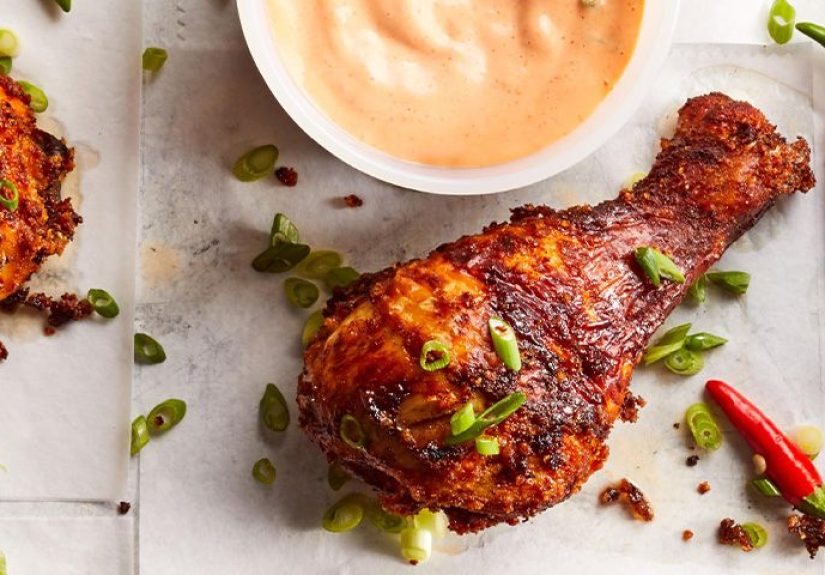
Great for game day, oven bakes, air fryer meals, and sticky glazes. They’re budget-friendly and fun, which is a nice way of saying people will eat them faster than you planned.
Whole Chicken
The best value if you want a centerpiece meal plus leftovers. Roasting a whole chicken teaches timing, seasoning, and temperature control in one go and rewards you with crispy skin if you prep it right.
15 Chicken Recipe Ideas You’ll Actually Want to Make
1) Classic Roast Chicken With Vegetables
This is the “looks fancy, feels cozy” dinner. Toss potatoes, carrots, onions, and garlic with oil, salt, and pepper, then roast them under or around a seasoned whole chicken. Add lemon and herbs for brightness. It’s hard to beat for flavor-to-effort ratio.
Pro move: Pat the chicken dry before seasoning so the skin browns better. If you have time, salt it in advance and let it sit uncovered in the fridge for extra crisp skin.
2) Lemon Garlic Chicken Thighs (Sheet Pan)
A weeknight favorite: bone-in or boneless chicken thighs tossed with olive oil, lemon juice, garlic, oregano, and black pepper. Roast with red onions, zucchini, or potatoes. The thighs stay juicy, and the pan juices become instant sauce.
3) Crispy Skillet Chicken Breasts With Pan Sauce
Sear seasoned chicken breasts in a hot skillet until golden, then build a quick pan sauce with broth, shallot, lemon, mustard, or a splash of cream. This is one of the best easy chicken breast recipes because it tastes restaurant-ish without requiring a culinary degree.
4) Chicken Stir-Fry
Stir-fry is the king of “use what you have.” Slice chicken thinly, cook over high heat, add sturdy vegetables (broccoli, peppers, carrots), and finish with a simple sauce. Serve over rice or noodles. It’s fast, flexible, and excellent for weeknight dinner ideas.
Keep the sauce balanced: salty (soy sauce), sweet (honey or brown sugar), aromatic (garlic/ginger), and a little acid or heat if you like. Let it thicken so it actually coats the chicken instead of pooling like a sad soup.
5) Creamy Tuscan-Style Chicken
This one-pan chicken recipe combines seared chicken with a creamy sauce, garlic, sun-dried tomatoes, and spinach. It’s rich, comforting, and perfect when you want a dinner that feels special but still lands on the table in under an hour.
6) Chicken and Rice (One-Pot)
Cook aromatics, brown the chicken, add rice and broth, and let everything finish together. The rice absorbs chicken drippings and flavor, which is exactly the kind of kitchen magic we support. Add peas, mushrooms, or chopped greens to stretch it.
7) Baked BBQ Chicken
A reliable crowd-pleaser. Season chicken pieces, bake until nearly done, then brush with barbecue sauce near the end so the sugars caramelize instead of burning. Serve with slaw, corn, or roasted sweet potatoes.
8) Chicken Piccata-Inspired Cutlets
Thin chicken cutlets cook fast and pair beautifully with lemon, capers, butter, and parsley. This is one of those chicken recipes that tastes bright and polished while secretly being a 30-minute meal.
9) Chicken Fajita Sheet Pan Dinner
Toss chicken strips with sliced peppers and onions plus fajita seasoning, roast hot, and serve with tortillas and toppings. It’s colorful, customizable, and cleanup-friendly which is sometimes more important than culinary greatness.
10) Chicken Soup or Brothy Noodle Bowl
Use leftover roast or rotisserie chicken for a quick soup with broth, noodles or rice, carrots, celery, and herbs. This is a great “reset meal” after heavier dinners and a smart way to reduce food waste.
11) Chicken Pasta Bake or Casserole
Casseroles are dependable when you need comfort food and leftovers. Combine cooked chicken, pasta or rice, vegetables, and a creamy or tomato-based sauce, then bake until bubbly. Great for batch cooking and busy schedules.
12) Grilled Chicken for Meal Prep
Marinate chicken breasts or thighs, grill until cooked through, then slice for salads, wraps, bowls, and sandwiches. Changing sauces (chimichurri, buffalo, peanut, yogurt-herb, barbecue) makes one prep session feel like multiple meals.
13) Chicken Salad (Classic or Modern)
Shredded or chopped cooked chicken plus a creamy binder (mayo, yogurt, or both), crunch (celery, nuts), and a little acid. Serve in sandwiches, lettuce cups, crackers, or stuffed into a wrap. It’s lunch gold.
14) Braised Chicken Thighs
Sear the thighs, then simmer them in broth, tomatoes, wine, or coconut milk with aromatics. Braising gives you tender chicken and built-in sauce. Add beans, cabbage, or root vegetables to make it a full meal.
15) Rotisserie Chicken Remix Night
Start with a store-bought rotisserie chicken and turn it into tacos, enchiladas, noodle soup, pot pie filling, or a quick skillet pasta. This is less a single recipe and more a life strategy.
How to Build Better Chicken Flavor (Without Overcomplicating Dinner)
Use Salt Early
Seasoning chicken ahead of time improves flavor and helps with browning, especially for roast chicken. Even 20–30 minutes helps; overnight is even better when you can plan ahead.
Dry the Surface for Better Browning
Moisture is the enemy of crisp skin and a good sear. Pat chicken dry before adding oil or seasoning. Browning equals flavor, and flavor equals fewer people asking for extra sauce “because it seems dry.”
Don’t Depend on Time Alone
Ovens vary. Pans vary. Chicken pieces vary. A thermometer is your best insurance policy for juicy chicken. Think of it as less “fussy tool” and more “anti-disappointment device.”
Balance Richness With Acid and Herbs
Chicken loves contrast. If your dish is creamy or buttery, add lemon juice, vinegar, capers, parsley, dill, scallions, or a spoonful of salsa verde. It wakes everything up.
Chicken Food Safety Basics (Non-Negotiable, but Easy)
Delicious chicken recipes start with safe chicken cooking. Here are the essentials:
- Cook chicken and other poultry to a safe internal temperature of 165°F (74°C).
- Never thaw chicken at room temperature on the counter.
- Safe thawing methods include the refrigerator, cold water, or microwave.
- If thawed in cold water or the microwave, cook it immediately.
- Marinate chicken in the refrigerator, not on the counter.
- Avoid washing raw chicken under running water because it can spread bacteria via splashes.
- Cool leftovers promptly and store them in shallow containers for faster chilling.
Food safety sounds serious because it is, but it doesn’t have to be complicated. A thermometer, clean cutting boards, and basic kitchen habits go a long way.
Common Chicken Recipe Mistakes (and How to Fix Them)
Dry Chicken Breast
Usually caused by overcooking or cooking too thick a piece unevenly. Fix it by pounding to even thickness, using moderate heat, and checking temperature early.
Rubbery Texture
Often from overcrowding the pan or low heat when sautéing. Give the chicken room so it sears instead of steaming.
Bland Results
Salt the chicken properly and season in layers. A flavorful sauce can help, but it shouldn’t have to do all the work.
Soggy Skin
Pat it dry, roast at a proper temperature, and avoid covering it too early. Steam is great for vegetables. It is not your chicken skin’s best friend.
How to Choose the Right Chicken Recipe for the Night
Ask yourself three questions:
- How much time do I have? (20 minutes = stir-fry or cutlets; 45–60 minutes = roast pieces or one-pan dinners.)
- How much cleanup can I tolerate? (Sheet pan and one-pot meals win on chaotic days.)
- What mood am I in? (Bright and lemony, spicy and saucy, creamy and cozy, or brothy and light.)
This tiny decision framework saves you from doom-scrolling recipes while getting hungrier and more dramatic.
Real-Life Experiences With Chicken Recipes (Kitchen Wins, Fails, and Tiny Lessons)
Here’s the truth: most people don’t build a “chicken recipe repertoire” by following perfect plans. They build it by making chicken over and over, usually on nights when they’re tired, hungry, and one spilled spice jar away from ordering takeout. That’s why chicken recipes become so personal. You start with a simple baked chicken recipe, mess it up a little, fix it next time, and suddenly you’ve got a signature move.
One of the most common experiences is the dry chicken breast era. Nearly everyone has lived through it. You season it nicely, cook it “a few extra minutes just to be safe,” and end up chewing something that tastes like a polite apology. The breakthrough usually comes when you finally use a thermometer and realize juicy chicken isn’t luck it’s timing. That one change can make home cooks feel like they leveled up overnight.
Then there’s the chicken thigh conversion. Plenty of people start as “chicken breast only” cooks and later discover thighs are more forgiving, richer in flavor, and better for sheet-pan dinners. It’s almost a rite of passage. The first time you pull a tray of crispy, deeply browned chicken thighs from the oven and the pan smells like garlic, lemon, and roasted onions, you understand why weeknight chicken dinners don’t have to be boring.
Another familiar moment: the rotisserie chicken rescue. You get home late, everyone is hungry, and cooking from scratch sounds heroic in the worst possible way. A rotisserie chicken becomes tacos, soup, pasta, or chicken salad in minutes. It’s not “cheating” it’s smart. In real kitchens, consistency beats perfection, and convenience ingredients often keep family dinners happening at all.
Many home cooks also discover that chicken recipes improve when they stop chasing exact copies and start using templates. A stir-fry becomes “protein + vegetables + sauce + rice.” A skillet dinner becomes “sear chicken + build sauce + finish with acid and herbs.” Once you learn the pattern, you cook with more confidence and less stress. You also waste less food because the half bell pepper and lonely zucchini in your fridge finally get a job.
And yes, there are fails. Burnt barbecue sauce. Undersalted soup. Chicken stuck to the pan because it was moved too soon. These are not signs you’re bad at cooking; they’re signs you’re cooking. The best chicken recipes people make regularly are usually the ones they’ve adjusted to their own kitchens, schedules, and taste buds. Maybe your version has extra garlic. Maybe you swap spinach for kale. Maybe you add hot sauce because your household treats “mild” as a personal insult.
In the end, chicken recipes stick because they fit real life. They can be quick, comforting, budget-friendly, healthy-ish, indulgent, meal-prep friendly, or dinner-party worthy sometimes all in the same week. Once you build a few go-to methods and trust your thermometer, chicken stops being “just chicken” and starts becoming one of the most useful ingredients in your kitchen.
Conclusion
The best chicken recipes aren’t just about ingredients they’re about repeatability. When you know how to choose the right cut, season well, cook to temperature, and match the method to your schedule, chicken becomes one of the easiest ways to make satisfying meals at home. Start with a few dependable favorites (roast chicken, stir-fry, skillet cutlets, sheet-pan thighs, and soup), then build from there. Your future hungry self will be extremely grateful.







 Close
Close