
Table of Contents >> Show >> Hide
- What Makes a “Classic” Dinner Roll Classic?
- Quick Snapshot
- Ingredients
- Step-by-Step: How to Make Classic Dinner Rolls
- Pro Tips for Soft, Fluffy Rolls Every Time
- Troubleshooting: When Rolls Get Weird
- Easy Variations (Same Dough, Different Vibes)
- Make-Ahead, Storage, and Freezing
- Serving Ideas That Make Rolls Disappear Faster
- FAQ
- Final Thoughts
- Kitchen Experiences: The Real-Life Roll Journey (500+ Words)
If your dinner table has ever felt a little… emotionally unsupported, a basket of warm, buttery dinner rolls is the therapy it deserves.
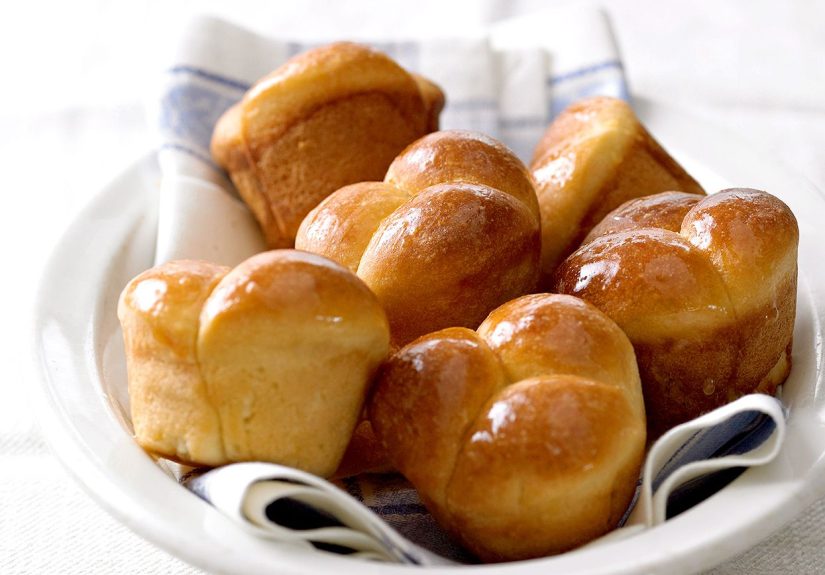
This classic dinner roll recipe gives you that old-school, pull-apart softnessgolden on top, tender inside, and just sturdy enough
to mop up gravy like it’s doing community service.
These are the kind of homemade dinner rolls you set down once, then immediately regret not doublingbecause suddenly everyone “wasn’t that hungry”
is now negotiating for the last roll like it’s a priceless artifact.
What Makes a “Classic” Dinner Roll Classic?
A classic roll is enriched (meaning it includes milk, butter, and often egg), which creates a softer crumb and a more flavorful bite than lean bread dough.
The goal: soft yeast rolls that rise high, bake evenly, and pull apart in fluffy layerswithout turning into dense little hockey pucks.
The best part? This dough is forgiving. It’s designed for real kitchens where the timer goes off, the dog barks, and someone asks,
“Can you also make salad?” while you’re kneading. (Sure. Love that for you.)
Quick Snapshot
- Yield: 12 rolls (standard size) or 16 slightly smaller rolls
- Pan: 9×13-inch baking dish (pull-apart style) or two 9-inch round pans
- Total time: About 2.5–3 hours (mostly rising)
- Skill level: Beginner-friendly with “you’ve got this” energy
Ingredients
You don’t need anything fancyjust good basics and a willingness to let yeast do its quiet, magical work.
(Yeast is basically a tiny, hardworking roommate that only asks for warmth and snacks.)
For the dough
- 3 1/4 cups all-purpose flour, plus more as needed (about 390g)
- 2 1/4 tsp instant yeast (or active dry yeastsee notes below)
- 3 tbsp granulated sugar
- 1 1/4 tsp fine salt
- 3/4 cup warm milk (about 105–110°F)
- 1/4 cup warm water (about 105–110°F)
- 4 tbsp unsalted butter, melted and cooled slightly
- 1 large egg, room temperature
For finishing
- 1–2 tbsp melted butter (for brushing after baking)
- Optional: flaky salt, honey butter, or a sprinkle of herbs
Yeast choice (instant vs. active dry)
Instant yeast can be mixed right into the flour. Active dry yeast prefers a quick warm “wake-up call.”
If using active dry, stir it into the warm milk + water with a pinch of sugar and let it sit 5–10 minutes until foamy.
If it doesn’t foam, your yeast may be expiredor your liquid may have been too hot or too cold.
Step-by-Step: How to Make Classic Dinner Rolls
Read through once before starting. Not because it’s complicatedbecause it’s nice to know what’s coming
before you’re holding sticky dough and trying to scroll with your elbow.
1) Mix the dough
-
In a large bowl (or stand mixer bowl), whisk together the flour, yeast (instant), sugar, and salt.
(If using active dry yeast, bloom it first as noted above, then add it with the liquids.) -
Add warm milk, warm water, melted butter, and the egg. Mix until a shaggy dough forms.
If it looks very dry and floury, add 1 tablespoon of milk at a time.
If it looks like pancake batter, add flour 1 tablespoon at a time.
2) Knead until smooth and stretchy
Knead by hand on a lightly floured surface for 8–10 minutes, or in a stand mixer with a dough hook for 6–8 minutes.
You’re looking for a dough that’s soft, slightly tacky, and elasticnot dry.
A simple test: pinch off a small piece and gently stretch it. If it can thin out a bit without tearing immediately, you’ve built enough gluten.
If it rips right away, knead a few more minutes.
3) First rise (bulk fermentation)
- Place the dough in a lightly greased bowl, turning once so the top is lightly coated.
- Cover and let rise in a warm spot until doubled, about 60–90 minutes.
Warm spot ideas: inside a turned-off oven with the light on, near (not on) the stove, or in a microwave with a mug of hot water beside it.
The dough wants cozy, not sauna.
4) Shape the rolls
- Grease a 9×13-inch baking dish (or line with parchment for easy lift-out).
- Gently deflate the dough. Divide into 12 equal pieces (or 16 for smaller rolls). A kitchen scale makes this fast and fair.
-
Shape each piece into a smooth ball: pull edges toward the center, pinch to seal, then roll seam-side down under your cupped palm
to create surface tension. (That tension helps the rolls rise up, not sideways.) - Arrange in the pan with a little space between each piece. They’ll cozy up as they rise and bake.
5) Second rise
Cover and let the shaped rolls rise until puffy and touching or nearly touching, about 30–45 minutes.
If your kitchen is cool, it may take closer to 60. The dough is done when it springs back slowly after a gentle poke.
6) Bake
- Heat oven to 375°F.
- Bake for 15–20 minutes, until golden brown on top.
-
For extra confidence, check the center: the rolls should be baked through and feel light.
If you use a thermometer, enriched rolls are typically done around 190°F in the center.
7) Butter the tops (highly recommended)
Brush warm rolls with melted butter. This keeps the crust soft and adds that “bakery smell” that makes people wander into the kitchen
pretending they came for water.
Pro Tips for Soft, Fluffy Rolls Every Time
Use warm liquidsjust warm
Aim for about 105–110°F. If you don’t have a thermometer, think “warm bath,” not “hot coffee.”
Too hot can weaken yeast; too cold slows the rise into tomorrow.
Don’t over-flour the dough
Most roll tragedies come from adding too much flour during kneading. The dough should feel soft.
A little tacky is normalyour hands can handle it. (They’re resilient. Emotionally? That’s another story.)
All-purpose flour vs. bread flour
All-purpose flour makes rolls more tender. Bread flour can create a slightly chewier roll with more structure.
Either worksjust know bread flour may absorb a bit more liquid and may need a touch more kneading.
Pull-apart texture: pan matters
For classic pull-apart rolls, bake them close together in a dish. If you want more browned sides, space them farther apart on a sheet pan.
Troubleshooting: When Rolls Get Weird
“My dough didn’t rise.”
- Yeast issue: expired yeast or liquid too hot/cold. Try blooming active dry yeast to confirm it foams.
- Cold room: give it more time or move it somewhere warmer.
- Too much flour: stiff dough rises slowly and bakes dense.
“My rolls are dense.”
- Under-kneaded: gluten wasn’t developed enough to trap gas.
- Under-proofed: second rise was cut short; give them time to get puffy.
- Over-floured: see above. Flour is helpful, but it’s not a personality trait.
“The tops browned too fast.”
- Oven runs hot. Next time reduce to 350°F and bake a few minutes longer.
- Cover loosely with foil for the last 5–7 minutes if needed.
“They taste kind of bland.”
- Measure salt carefully. It’s not just for flavorit also strengthens dough.
- Brush with butter and add a pinch of flaky salt after baking for instant upgrade.
Easy Variations (Same Dough, Different Vibes)
Honey-butter dinner rolls
Add 1 tablespoon honey to the dough with the liquids. Brush baked rolls with honey butter (equal parts softened butter + honey + pinch of salt).
Garlic herb rolls
Mix 1 teaspoon garlic powder and 1 tablespoon dried Italian herbs into the flour.
Brush hot rolls with melted butter mixed with minced garlic and parsley.
Parker House-style fold
Instead of balls, roll each portion into a small oval, brush with butter, fold in half, and place in the pan.
You’ll get a slightly more layered, classic “folded” roll.
Cloverleaf rolls (for the “wow” factor)
Divide each portion into three small balls and place them together in a greased muffin cup.
Same bake time, cuter results.
Make-Ahead, Storage, and Freezing
Make-ahead overnight (best for holidays)
- Prepare dough and complete the first rise.
- Shape rolls, place in the pan, cover tightly, and refrigerate 8–24 hours.
-
The next day, let the rolls sit at room temperature until puffy (often 60–90 minutes, depending on how cold your fridge runs),
then bake as directed.
Store baked rolls
Keep cooled rolls in an airtight container at room temperature for 2–3 days.
Rewarm in a 300°F oven for 8–10 minutes, or microwave briefly (wrap in a damp paper towel for softer results).
Freeze baked rolls
Cool completely, then freeze in a zip-top bag for up to 2 months.
Thaw at room temperature and rewarm in the oven. Brush with a little butter after reheating for “fresh-baked energy.”
Freeze unbaked rolls (meal-prep hero move)
Shape rolls, place on a tray to freeze until firm, then transfer to a bag. When ready, arrange in a greased pan,
cover, thaw in the fridge overnight, then let rise at room temperature until puffy and bake.
Serving Ideas That Make Rolls Disappear Faster
- Classic: butter + flaky salt
- Thanksgiving mode: gravy, cranberry sauce, and “just one more”
- Weeknight MVP: use leftovers for mini sandwiches (ham + cheddar is undefeated)
- Breakfast twist: warm roll + jam + coffee = tiny victory lap
FAQ
Can I use salted butter?
Yesjust reduce the added salt slightly (by about 1/4 teaspoon) if your butter is very salty.
Do I really need the egg?
The egg adds richness and helps the rolls stay soft. If you need to skip it, replace with 2 tablespoons extra milk
and expect a slightly less rich texture (still tasty).
How do I know I’ve kneaded enough?
The dough should be smooth and elastic. If it looks shaggy and tears easily, keep going.
Proper kneading is what turns “meh” rolls into fluffy, photo-worthy rolls.
Final Thoughts
This classic dinner roll recipe is the kind of baking project that pays you back immediately:
warm bread smell, soft pull-apart texture, and a very real possibility that someone will say,
“You should make these all the time,” as if that’s a casual request and not a new lifestyle.
Once you’ve made them once, you’ll start spotting how flexible the dough isovernight proofing for holidays,
shaping into different styles, freezing for future-you. The technique stays the same. The bragging rights only grow.
Kitchen Experiences: The Real-Life Roll Journey (500+ Words)
If you’ve ever made dinner rolls for the first time, there’s a strong chance you experienced at least one of these universal moments:
staring into the bowl wondering if your dough is supposed to look that sticky, poking it like it’s going to answer back, and checking
the clock every seven minutes during the rise because surely yeast should be faster than this.
In a lot of home kitchens, the first “aha” moment is realizing that dough is less about exact minutes and more about visible change.
Recipes give time ranges, but yeast has its own personality depending on room temperature, flour brand, and whether the kitchen feels like
a cozy sweater or a drafty bus stop. When you start watching the dough instead of the clocklooking for doubling, puffiness, and that slow
spring-back after a pokeyou stop feeling like bread is a high-stakes science project and start feeling like you’re simply collaborating
with a living ingredient.
Another very common experience is the Great Flour Panic. The dough feels tacky, so you dust a little flour. Then a little more. Then suddenly,
you’ve added enough flour to qualify the dough as a small construction material. The rolls still bake, but they’re heavier, and you wonder why
yours don’t look like the pillowy ones in photos. This is why bakers who make soft yeast rolls often talk about restraint with flour.
A slightly tacky dough can become beautifully smooth with kneading; a too-dry dough rarely becomes magically tender after it’s been over-floured.
Think of flour like hot sauce: helpful in small amounts, alarming when you’ve lost control of the bottle.
Then there’s shapingan underrated step that feels cosmetic until you realize it changes how the rolls rise. When pieces are shaped into tight,
smooth balls, you create surface tension. That tension helps them climb upward and bake taller, rather than spreading out like they’re trying to
claim territory. The first time someone learns the “pull edges to the center, pinch, then roll” method, it’s like discovering a cheat code.
Suddenly the rolls look more even, bake more uniformly, and you get that classic pull-apart look without needing special equipment.
Holiday roll baking has its own set of experiencesmostly involving timing, oven space, and people “sampling” rolls before dinner. Make-ahead
proofing becomes a lifesaver because it lets you do the messy work in advance. On baking day, you’re not measuring flour while guests arrive;
you’re just letting the chilled rolls puff up and sliding them into the oven. It’s one of those small planning wins that makes the whole meal feel
calmer. The rolls come out warm, you brush them with butter, andwithout failsomeone will hover nearby, pretending to be helpful while actually
waiting for the first one to be “cool enough.”
Finally, there’s the best experience of all: leftovers. Rolls that were meant to be a side become breakfast, then lunch, then an excellent excuse to
make little sandwiches. A classic dinner roll is basically a blank canvas with a resume. It can be sweet with jam, savory with soup, or transformed
into a mini slider that disappears in two bites. And once you’ve made them a couple of times, the process feels familiarmix, knead, rise, shape,
rise, bakelike a comforting rhythm. That’s when dinner rolls stop being “a special project” and start being something you can casually bake because
you feel like it. Which is a suspiciously powerful feeling for something made of flour and tiny fungi.






 Close
Close