
Table of Contents >> Show >> Hide
- What Makes a Peach Cobbler “Classic”?
- Classic Peach Cobbler Ingredients
- How to Choose the Best Peaches
- Can You Use Frozen or Canned Peaches?
- Step-by-Step Instructions
- Recipe Card: Classic Peach Cobbler
- Tips for the Best Homemade Peach Cobbler
- Common Peach Cobbler Mistakes to Avoid
- Serving Ideas
- How to Store and Reheat Peach Cobbler
- Easy Variations
- Experience Notes: What Making Classic Peach Cobbler Teaches You
- Conclusion
Some desserts whisper. Peach cobbler walks into the room wearing a gingham apron, smelling like butter, cinnamon, and summer, then politely asks why you have not already grabbed a spoon. A classic peach cobbler recipe is one of those dependable American desserts that feels both nostalgic and practical: juicy peaches bubble under a golden topping, the edges caramelize, and the whole dish somehow tastes like a front porch at sunset.
The beauty of homemade peach cobbler is that it does not ask you to be a pastry chef. There is no pie crust to roll, no fussy lattice, no dramatic kitchen meltdown involving flour on your elbows. You toss peaches with sugar, lemon juice, warm spices, and a little thickener, then add a simple cobbler topping and bake until the fruit is jammy and the top is beautifully browned. That is dessert confidence in a baking dish.
This version keeps the spirit of old-fashioned peach cobbler while using clear, modern instructions for reliable results. Fresh peaches are wonderful when they are ripe and fragrant, but frozen or canned peaches can also work when peach season is taking a nap. Serve it warm with vanilla ice cream, whipped cream, or nothing at all if you are the brave, peach-loving minimalist type.
What Makes a Peach Cobbler “Classic”?
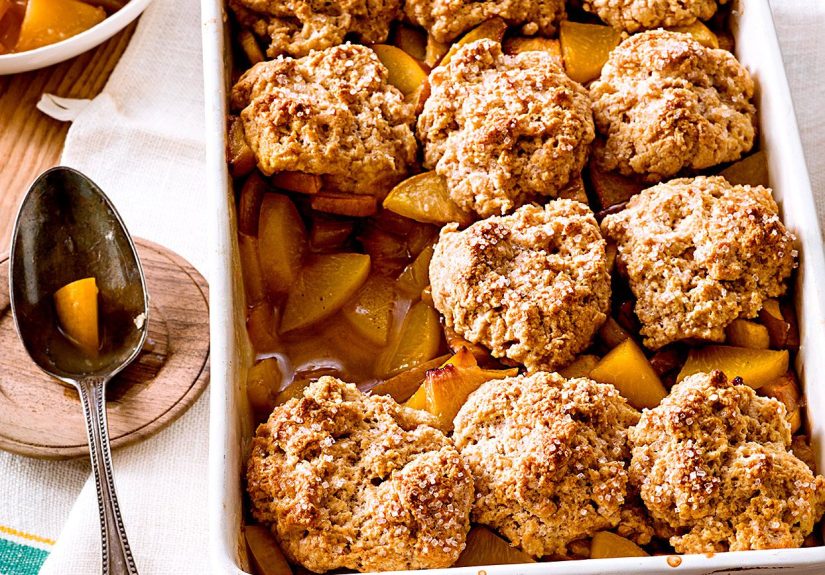
A classic peach cobbler usually has two main parts: a sweet peach filling and a baked topping. Depending on the region and family tradition, that topping may be biscuit-like, cake-like, or batter-based. Some Southern-style cobblers start with melted butter in the baking dish and a pourable batter that rises around the fruit. Other old-fashioned versions use spoonfuls of biscuit dough dropped over hot peaches, creating a “cobbled” surface that looks rustic and inviting.
This recipe leans into the biscuit-topped style because it gives you the best contrast: soft, syrupy peaches underneath and a tender, golden topping above. The topping soaks up some of the peach juices while staying lightly crisp on top. It is cozy without being heavy, sweet without becoming candy, and simple enough for a weeknight dessert.
Classic Peach Cobbler Ingredients
For the Peach Filling
- 6 cups sliced ripe peaches, peeled if desired
- 1/2 cup granulated sugar
- 1/4 cup packed light brown sugar
- 2 tablespoons cornstarch
- 1 tablespoon fresh lemon juice
- 1 teaspoon vanilla extract
- 1 teaspoon ground cinnamon
- 1/4 teaspoon ground nutmeg
- 1/4 teaspoon salt
- 2 tablespoons unsalted butter, cut into small pieces
For the Cobbler Topping
- 1 1/2 cups all-purpose flour
- 1/3 cup granulated sugar
- 2 teaspoons baking powder
- 1/2 teaspoon salt
- 6 tablespoons cold unsalted butter, cubed
- 1/2 cup buttermilk, plus 1 tablespoon more if needed
- 1 teaspoon vanilla extract
- 1 tablespoon coarse sugar for sprinkling, optional
How to Choose the Best Peaches
For the best peach cobbler, choose peaches that smell sweet and feel slightly soft when gently pressed near the stem end. Avoid peaches that are rock-hard, green around the stem, badly bruised, or wrinkled. A peach with a golden background color is often a better sign of ripeness than a bright red blush, which can vary by variety.
Freestone peaches are easiest for cobbler because the pit separates cleanly from the flesh. Clingstone peaches can taste excellent, but they require more patience and a sharper knife. If your peaches are ripe but not perfect enough for a fruit bowl, cobbler is their chance to become famous. Slightly soft peaches bake down into a luscious filling, as long as they are not spoiled or mushy.
If your peaches are firm, leave them at room temperature for a day or two. Once ripe, refrigerate them and use them within a few days for the best flavor and texture. Before baking, wash the fruit well under cool running water. Peeling is optional. Peach skins soften during baking, but peeling gives the filling a smoother, more traditional texture.
Can You Use Frozen or Canned Peaches?
Yes, and this is excellent news for anyone who wants peach cobbler in February, which is a very reasonable emotional need. Frozen peaches work well if they are thawed and drained before baking. Because frozen fruit can release extra liquid, keep the cornstarch in the recipe and avoid adding extra water.
Canned peaches can also be used. Choose peaches packed in juice or light syrup when possible, then drain them well. If your canned peaches are already very sweet, reduce the granulated sugar in the filling by a few tablespoons. The goal is a filling that tastes bright and peachy, not like a sugar bowl wearing a fruit costume.
Step-by-Step Instructions
Step 1: Prepare the Oven and Baking Dish
Preheat the oven to 375°F. Lightly butter a 9-by-13-inch baking dish or a deep 2 1/2-quart baking dish. Place the dish on a rimmed baking sheet if your pan is very full. Peach juices are delicious in the cobbler, less delicious on the bottom of your oven.
Step 2: Make the Peach Filling
In a large bowl, combine the sliced peaches, granulated sugar, brown sugar, cornstarch, lemon juice, vanilla, cinnamon, nutmeg, and salt. Toss gently until the peaches are evenly coated. Let the mixture sit for 10 minutes. This short rest gives the sugar time to draw out some peach juice and helps the cornstarch begin working its thickening magic.
Pour the peach mixture into the prepared baking dish. Dot the top with small pieces of butter. Bake the filling for 10 minutes while you prepare the topping. Preheating the fruit helps the biscuit topping bake more evenly and reduces the risk of a pale, doughy underside.
Step 3: Make the Biscuit Topping
In a medium bowl, whisk together the flour, sugar, baking powder, and salt. Add the cold cubed butter. Use your fingertips, a pastry cutter, or two forks to work the butter into the flour until the mixture looks like coarse crumbs with a few pea-size pieces of butter remaining.
Stir the buttermilk and vanilla together, then pour them into the flour mixture. Gently fold just until a soft dough forms. Do not overmix. Overworked biscuit dough can turn tough, and peach cobbler should never make your jaw file a complaint.
Step 4: Add the Topping
Remove the hot peach filling from the oven. Drop spoonfuls of biscuit dough over the peaches, leaving a few gaps so steam can escape and the peach juices can bubble up around the topping. Sprinkle with coarse sugar if you want a lightly crunchy finish.
Step 5: Bake Until Golden and Bubbly
Return the cobbler to the oven and bake for 30 to 35 minutes, or until the topping is golden brown and the filling is bubbling thickly around the edges. If the top browns too quickly, loosely tent the dish with foil during the last 10 minutes.
Step 6: Let It Rest
Cool the cobbler for at least 20 minutes before serving. This rest allows the filling to thicken slightly, making each scoop saucy but not watery. Warm peach cobbler is wonderful, but straight-from-the-oven cobbler is basically fruit lava with excellent branding.
Recipe Card: Classic Peach Cobbler
Prep Time: 25 minutes
Cook Time: 45 minutes
Total Time: 1 hour 10 minutes
Servings: 8
Best Served: Warm, with vanilla ice cream or whipped cream
Tips for the Best Homemade Peach Cobbler
Do Not Skip the Lemon Juice
Lemon juice does not make the cobbler taste lemony. It brightens the peaches and balances the sweetness. Without it, the filling can taste flat, especially if the peaches are very sweet or canned.
Use Cold Butter in the Topping
Cold butter creates a tender, biscuit-like texture. When the butter melts in the oven, it leaves tiny pockets that help the topping bake up light rather than dense.
Let the Filling Bubble
The filling needs to bubble for the cornstarch to thicken properly. If the center looks still and watery, give the cobbler a few more minutes. A golden top is lovely, but bubbling fruit is the real signal that the dessert is ready.
Season Gently
Cinnamon and nutmeg are classic, but they should support the peaches rather than take over the entire production. A little spice makes the cobbler warm and fragrant. Too much spice makes it taste like the peaches got lost in a holiday candle shop.
Common Peach Cobbler Mistakes to Avoid
Using Underripe Peaches
Firm, underripe peaches can bake up bland and rubbery. If your peaches are not fragrant or slightly soft, give them more time on the counter or use frozen peaches instead.
Adding Too Much Liquid
Peaches release juice as they bake, so the filling does not need extra water. If using frozen or canned peaches, drain them well. Too much liquid can make the cobbler soupy.
Overmixing the Dough
The topping should be mixed gently and briefly. Stir just until the dough comes together. A few shaggy bits are fine; they usually bake into tender, rustic pieces.
Serving Too Soon
It is tempting to scoop immediately, especially when the kitchen smells like baked peaches and butter. Still, waiting 20 minutes gives the filling time to settle. Your patience will be rewarded with better texture and fewer burned tongues.
Serving Ideas
The classic pairing is warm peach cobbler with vanilla ice cream. The cold ice cream melts into the peach syrup and creates a creamy sauce that makes people suddenly very quiet at the table. Fresh whipped cream is another excellent choice, especially if you prefer a lighter topping.
For a breakfast-style twist, serve leftover cobbler with plain Greek yogurt. Is it dessert for breakfast? Technically yes. Is anyone calling the authorities? Hopefully not. You can also add toasted pecans, a drizzle of caramel, or a tiny pinch of flaky salt before serving.
How to Store and Reheat Peach Cobbler
Cover leftover peach cobbler and refrigerate it for up to 4 days. The topping will soften over time, but the flavor remains delicious. To reheat, warm individual portions in the microwave for 30 to 45 seconds. For a crisper topping, reheat the cobbler in a 325°F oven until warmed through.
You can also freeze baked peach cobbler, although the topping may lose some texture after thawing. Wrap it tightly and freeze for up to 2 months. Thaw overnight in the refrigerator, then reheat in the oven. For best results, serve freshly baked cobbler the day it is made and proudly call dibs on the corner piece.
Easy Variations
Southern-Style Batter Peach Cobbler
For a more cake-like cobbler, melt butter in the baking dish, pour in a simple batter, and spoon peaches over the top. As it bakes, the batter rises around the fruit. This version is especially easy and has a soft, buttery texture.
Peach Blueberry Cobbler
Add 1 cup of fresh blueberries to the peach filling. Blueberries bring color, tartness, and a jammy texture that pairs beautifully with peaches.
Brown Sugar Peach Cobbler
Use more brown sugar and less granulated sugar for a deeper caramel flavor. This variation is especially good with a pinch of ginger.
Skillet Peach Cobbler
Bake the cobbler in a large cast-iron skillet for crisp edges and a charming presentation. Place the skillet on a baking sheet to catch any bubbling juices.
Experience Notes: What Making Classic Peach Cobbler Teaches You
The first thing you learn from making classic peach cobbler is that the fruit is in charge. Recipes are helpful, but peaches have personalities. Some are juicy enough to create syrup before you even blink. Others are firmer and need a little more sugar, a little more time, or a gentle pep talk. The best bakers pay attention before they follow instructions blindly. If the peaches are very sweet, reduce the sugar slightly. If they are tart, keep the sugar as written. If they are extremely juicy, add an extra teaspoon of cornstarch. Cobbler rewards this kind of small, practical judgment.
Another important lesson is that rustic desserts can still be thoughtful. Peach cobbler is not supposed to look like a glossy bakery tart. Its charm comes from uneven biscuit mounds, bubbling edges, and spoon-served portions that collapse beautifully into a bowl. But casual does not mean careless. Cutting the peaches evenly helps them bake at the same rate. Letting the filling rest before baking improves flavor. Keeping the butter cold makes the topping tender. These little details separate a good cobbler from one that makes people ask for the recipe before they have finished chewing.
There is also a timing lesson hidden in this dessert. Peach cobbler smells finished before it is fully ready. The kitchen fills with cinnamon, vanilla, and warm fruit long before the juices have thickened. This is where patience enters the room, usually holding a wooden spoon. Wait until the filling bubbles around the edges and the topping is golden. Then wait again after baking. Those 20 minutes of cooling feel dramatic, but they make the filling spoonable instead of runny.
Classic peach cobbler is also a reminder that dessert does not have to be complicated to feel generous. You can make it for a holiday cookout, Sunday supper, neighborhood potluck, or a regular Tuesday that needs emotional support. It travels well, feeds a group, and tastes like more effort than it actually requires. That is the secret power of cobbler: it looks humble, but it delivers big comfort.
Finally, every peach cobbler becomes part of the cook’s memory. You remember who wanted the extra-crispy corner, who insisted on ice cream, who came back for “just a tiny spoonful” three times, and who claimed they were too full before mysteriously cleaning their bowl. A classic peach cobbler recipe is more than fruit and topping. It is a dependable dessert that invites people to slow down, gather around, and enjoy something warm from the oven. In a world full of complicated sweets, that kind of simplicity still wins.
Conclusion
A classic peach cobbler recipe is the perfect example of why old-fashioned desserts never really go out of style. It is simple, flexible, and deeply satisfying, with juicy peaches, warm spices, buttery biscuit topping, and just enough rustic charm to make perfection unnecessary. Use fresh peaches in summer, frozen peaches in colder months, or canned peaches when convenience wins the day. As long as the filling is bright, the topping is tender, and the cobbler is served warm, you are in very good dessert territory.
Whether you bring it to a backyard barbecue, serve it after Sunday dinner, or eat a quiet bowl at the kitchen counter, homemade peach cobbler always feels like a little celebration. Add vanilla ice cream and suddenly it becomes the kind of dessert people remember. And if there are leftovers, congratulations: tomorrow you get to experience the rare joy of peach cobbler for breakfast.






 Close
Close