
Table of Contents >> Show >> Hide
- What Makes Risotto “Classic”?
- Classic Risotto Ingredients
- Equipment You’ll Want (Nothing Weird)
- Step-by-Step Classic Risotto
- Step 1: Warm the stock
- Step 2: Sauté the onion (build the flavor base)
- Step 3: Toast the rice (the underrated magic step)
- Step 4: Deglaze with wine (optional but classic)
- Step 5: Add stock gradually and stir (the risotto rhythm)
- Step 6: Check for doneness (aim for creamy + al dente)
- Step 7: Finish off the heat (mantecatura for gloss and richness)
- Step 8: Serve immediately (risotto waits for no one)
- Classic Risotto Timing: What “Perfect” Looks Like
- Troubleshooting: Common Risotto Problems (and the Fix)
- Smart Variations That Still Feel “Classic”
- Serving Ideas: What Goes With Classic Risotto?
- Make-Ahead, Storage, and Reheating
- of Real-World Risotto Experiences (So You Feel Ready, Not Intimidated)
- Conclusion
Risotto has a reputation for being “fancy restaurant food,” but at its core it’s just a cozy, creamy rice dish that rewards
a little attentionlike a houseplant that only thrives when you stop ignoring it. The good news: classic risotto isn’t hard,
it’s simply active. You’ll stand near the stove, add warm broth gradually, stir often, and watch plain-looking rice
transform into something silky, glossy, and downright smug about how delicious it is.
This guide gives you a classic, dependable risotto method (the kind used in countless test kitchens and home kitchens),
plus the “why” behind each step so you can adapt it to whatever’s in your fridge without panic-googling mid-stir.
What Makes Risotto “Classic”?
A classic Italian-style risotto is built on a few non-negotiables:
- Starchy short-grain rice (usually Arborio, sometimes Carnaroli or Vialone Nano) for creaminess.
- A flavorful base of sautéed onion (or shallot) in butter/olive oil.
- Gradual additions of warm stock while stirring to coax out starch and cook the rice evenly.
- Mantecaturafinishing off the heat with cold butter and Parmigiano-Reggiano to make it glossy and rich.
- Al dente texture: tender, but with a gentle bite in the center.
If you nail these, you’ve got classic risottowhether you keep it simple (cheese and butter) or add mushrooms, seafood,
peas, or whatever you impulse-bought at the farmers’ market.
Classic Risotto Ingredients
This version is a classic Parmesan risottothe “little black dress” of risotto. It’s perfect on its own or
as a base for additions.
Ingredients (Serves 4 as a main, 6 as a side)
- 1 1/2 cups Arborio rice (or Carnaroli for extra creaminess and a bit more forgiveness)
- 5 to 6 cups warm stock (chicken or vegetable; low-sodium helps you control salt)
- 2 tablespoons olive oil
- 3 tablespoons unsalted butter, divided (1 tbsp for sautéing, 2 tbsp cold for finishing)
- 1 small onion (or 2 shallots), finely chopped
- 2 cloves garlic, minced (optional, but welcome)
- 1/2 cup dry white wine (optional, but classic; choose something you’d drink)
- 3/4 cup freshly grated Parmigiano-Reggiano (plus more to serve)
- Salt, to taste
- Freshly ground black pepper, to taste
- 1 tablespoon chopped parsley or chives, for finishing (optional but bright)
- Lemon zest (optional, a tiny pinch wakes everything up)
Why these ingredients matter
-
Arborio rice is high in starch, which releases during cooking and creates that signature creamy risotto texture
without needing cream. - Warm stock keeps the cooking temperature steady, so the rice cooks evenly and the risotto stays smooth.
- Butter + Parmesan at the end is the secret handshakethis is where risotto becomes glossy, cohesive, and rich.
Equipment You’ll Want (Nothing Weird)
- Wide, heavy pan (a sauté pan or Dutch oven): more surface area helps the stock absorb efficiently.
- Ladle: you’ll add stock in steady, repeatable amounts.
- Wooden spoon or silicone spatula: stirring without scratching your pan.
- Microplane or fine grater for Parmesan (fluffy cheese melts faster and smoother).
Step-by-Step Classic Risotto
Risotto is less about a strict timer and more about watching the rice. Expect about 18–25 minutes of active
cooking once you start adding stock.
Step 1: Warm the stock
Pour stock into a saucepan and keep it hot but not aggressively boiling. Think “steaming and ready,” like
it’s waiting for its moment. Adding cold stock slows cooking and can make the texture uneven.
Step 2: Sauté the onion (build the flavor base)
In your wide pan, heat olive oil and 1 tablespoon butter over medium heat. Add the chopped onion and cook
4–6 minutes until soft and translucent. If using garlic, add it for the last 30 seconds so it doesn’t turn bitter.
Step 3: Toast the rice (the underrated magic step)
Add the Arborio rice and stir constantly for 1–2 minutes. You’re not browning ityou’re lightly toasting the grains so they
absorb liquid gradually and keep their shape. The rice should smell faintly nutty and look glossy from the fat.
Step 4: Deglaze with wine (optional but classic)
Pour in the white wine and stir. Let it simmer until mostly absorbed and the raw alcohol smell fadesabout 1–2 minutes.
If you skip wine, just move on to stock and add a small squeeze of lemon at the end for brightness.
Step 5: Add stock gradually and stir (the risotto rhythm)
Add about 1/2 cup warm stock (one ladle) and stir until it’s mostly absorbed. Keep the heat at a gentle
simmerif it’s boiling like a hot tub, the outside cooks too fast; if it’s barely warm, you’ll be stirring until next Tuesday.
Continue adding stock, one ladle at a time, stirring often. You don’t need to stir like you’re trying to summon a genie,
but you do want to keep the rice moving so it cooks evenly and releases starch into the liquid. Each addition should take
roughly 1–3 minutes to absorb depending on your heat.
Step 6: Check for doneness (aim for creamy + al dente)
After about 18 minutes, start tasting. The rice should be tender with a slight bite in the center.
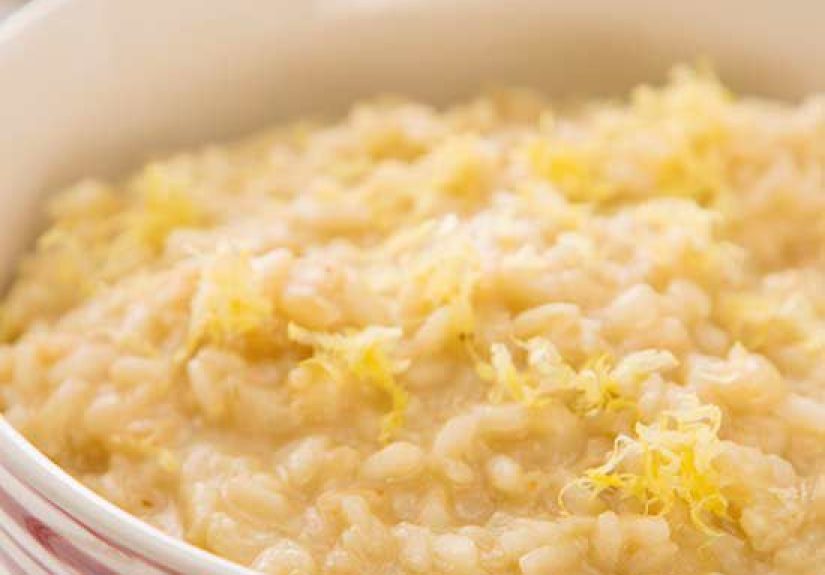
The mixture should look creamy and fluidnot dry, not soupy. Classic risotto is often described as
all’onda (“like a wave”): when you shake the pan, it should ripple and settle smoothly.
Step 7: Finish off the heat (mantecatura for gloss and richness)
Turn off the heat. Add the remaining 2 tablespoons cold butter and the grated Parmesan.
Stir vigorously for 30–60 seconds until melted and glossy. Taste and adjust salt and pepper.
If you want extra lift, add a pinch of lemon zest or a few drops of lemon juice.
Step 8: Serve immediately (risotto waits for no one)
Risotto is at its absolute best right awaycreamy, aromatic, and living its best life. Spoon into warm bowls, top with more
Parmesan and herbs, and serve while it’s still loose and shiny.
Classic Risotto Timing: What “Perfect” Looks Like
- Texture: creamy and cohesive, with rice that’s tender but not mushy.
- Consistency: flows slowly when spooned; not stiff like rice pudding.
- Flavor: savory, a little nutty from toasted rice, balanced salt, brightened by cheese (and wine if used).
Troubleshooting: Common Risotto Problems (and the Fix)
Problem: It’s turning mushy
Usually this means it cooked too long or the heat was too low and the rice over-hydrated.
Fix: Start tasting earlier next time. Choose Carnaroli if you want a more forgiving rice. Also, don’t keep
“saving” it with extra stock at the very endfinish when it’s al dente and creamy.
Problem: It’s tight, dry, or gluey
Risotto thickens as it sitssometimes dramatically.
Fix: Loosen with a splash of warm stock right before serving and stir gently. Also make sure you’re using
enough liquid during cooking; risotto should be slightly looser in the pan than you think.
Problem: The rice is crunchy in the center but liquid is gone
Heat might be too high (evaporation outrunning absorption), or the stock additions are too large and infrequent.
Fix: Lower heat to a steady simmer and add stock in smaller amounts, stirring more consistently.
Problem: Bland, even with Parmesan
Risotto is only as good as its stock and seasoning.
Fix: Use a flavorful stock (even store-bought can be boosted with onion, celery, and a Parmesan rind).
Salt in small steps throughout cooking, not only at the end.
Smart Variations That Still Feel “Classic”
Mushroom risotto
Sauté sliced mushrooms separately until browned, then fold them in during the last 5 minutes. Finish with thyme and a little
extra black pepper for a steakhouse vibeminus the steakhouse bill.
Spring pea and lemon risotto
Stir in peas for the last 3 minutes so they stay bright. Finish with lemon zest and mint or parsley. It tastes like spring
showed up wearing sunglasses.
Butternut squash risotto
Roast squash cubes until caramelized and stir them in near the end. A pinch of nutmeg and sage makes it feel cozy and classic
in a “sweater weather” sort of way.
Saffron risotto (Risotto alla Milanese-inspired)
Bloom a pinch of saffron in warm stock and use it early in the cooking process. The color is golden, the flavor is subtle,
and it makes your dinner look like it has a personal stylist.
Serving Ideas: What Goes With Classic Risotto?
- Simple roasted chicken or grilled shrimp
- Seared scallops (risotto loves fancy company)
- Roasted vegetables like asparagus, broccolini, or Brussels sprouts
- A crisp salad with lemony vinaigrette to cut the richness
Make-Ahead, Storage, and Reheating
If you want the absolute best texture, cook and serve risotto immediately. That said, leftovers happen (sometimes because
someone “wasn’t that hungry,” and then suspiciously becomes hungry when you start packing it away).
- Store: Cool quickly and refrigerate in an airtight container for up to 3 days.
- Reheat: Warm in a pan over medium-low with a splash of stock or water, stirring gently until creamy.
- Bonus move: Turn leftovers into arancini-style rice balls or crispy risotto cakes.
of Real-World Risotto Experiences (So You Feel Ready, Not Intimidated)
The first time many people try a classic risotto recipe, it feels like a small commitmentlike agreeing to “just one episode”
and then realizing the season finale is somehow already playing. You’re at the stove, ladle in hand, and the rice is
demanding attention like it pays rent. But here’s the part that doesn’t get said often enough: once you learn the rhythm,
risotto becomes one of the most satisfying things to cook because it gives instant feedback. Stir, ladle, simmer, watch it
change. It’s basically a delicious science experiment that you can eat.
A common experience is the “too-thick surprise.” Risotto can look perfect in the pan, and then you step away to grab plates
andbamit tightens up like it’s trying to become a rice casserole. This is normal. The fix is simple and kind of empowering:
keep a little extra warm stock nearby and loosen it right before serving. The moment you stir in that splash and the risotto
turns creamy again feels like you just unlocked a cooking superpower.
Another real-life moment: realizing that stock quality matters more than people want to admit. If the broth tastes
flat, the risotto will taste flatno amount of Parmesan can fully rescue a bland foundation. Many home cooks end up developing
a “stock strategy,” whether that means buying a brand they trust, keeping homemade stock in the freezer, or doing a quick
stovetop boost with aromatics. It’s not about perfection; it’s about giving the rice something worth absorbing.
There’s also the classic stirring anxiety: “Am I stirring too much? Not enough? Should I be whisking this like a dramatic
movie chef?” In practice, most people land on a comfortable middle ground. Stir often enough to prevent sticking and encourage
creaminess, but not so frantically that your arm files a formal complaint. The goal is consistent motion and even cooking,
not a cardio session.
And then comes the best part: the finish. That moment when the heat is off, the cold butter goes in, the Parmesan follows,
and everything turns glossy and cohesive. It feels like the dish “clicks” into place. Many cooks describe this as the point
risotto stops tasting like “rice with broth” and starts tasting like risottorich, savory, and somehow more
luxurious than the ingredient list suggests.
Finally, there’s the quiet pride that comes from serving it. Risotto has a certain reputation, so it tends to impress guests
even when you did nothing complicatedjust paid attention and respected the method. It’s a dish that teaches patience without
being preachy, and it rewards you with a bowl that tastes like you tried really hard… even if the hardest part was not eating
all the Parmesan while you grated it.
Conclusion
A classic risotto recipe is less about perfection and more about process: warm stock, toasted rice, gradual additions,
steady stirring, and a rich finish with butter and Parmesan. Once you understand the technique, you can make creamy risotto
on a weeknight, dress it up for guests, or use it as a base for seasonal vegetables, seafood, or mushrooms. Keep it loose,
taste as you go, and serve it immediatelyrisotto is at its best when it’s fresh, glossy, and still waving hello from the bowl.







 Close
Close