
Table of Contents >> Show >> Hide
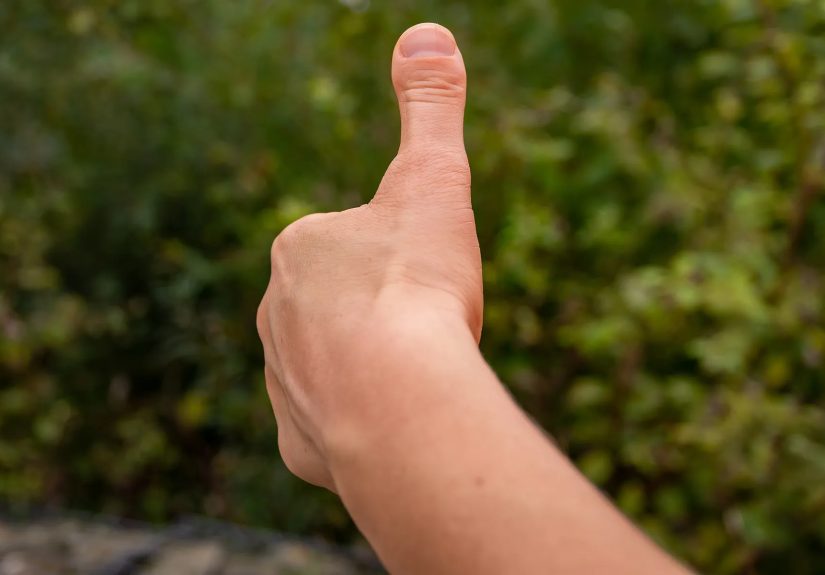
Clubbed fingers and thumbs, or “digital clubbing,” is a condition where the tips of the fingers or thumbs become rounded and enlarged. This can happen over time, causing the nails to curve downward and the tissues around the nails to thicken. It’s a noticeable change, often alarming for those who experience it, and can be an indicator of various underlying health conditions. But what causes this peculiar transformation, and why does it happen? Let’s dive into the causes, symptoms, and potential treatments for clubbed fingers.
What Is Clubbing?
Clubbing refers to a deformity of the fingers and toes where the tips become wider, rounder, and sometimes softer. The nails often curve downward, taking on a “drumstick” shape. This change in appearance is typically gradual, so it can go unnoticed until it becomes more pronounced. Clubbing can occur in one finger, several fingers, or in the toes as well. While it might look unusual, it often signals an underlying issue that could be serious. Therefore, it’s essential to understand the causes and potential health concerns linked to this condition.
How Do Clubbed Fingers and Thumbs Develop?
Clubbed fingers typically develop as a response to a decrease in oxygen in the blood. This can result from various conditions, such as chronic lung diseases, heart conditions, or other systemic issues that affect blood flow or oxygen levels. Over time, the lack of oxygen in the body stimulates the growth of tissue in the fingertips, leading to the thickening and rounding characteristic of clubbing.
Underlying Health Conditions That Cause Clubbing
Several medical conditions are linked to the development of clubbed fingers. These can range from relatively common ailments to rare and serious diseases. Understanding these conditions can help individuals recognize symptoms early and seek timely medical attention.
1. Chronic Lung Diseases
One of the most common causes of clubbed fingers is chronic lung disease, particularly conditions like chronic obstructive pulmonary disease (COPD), cystic fibrosis, and lung cancer. In these diseases, the lungs are unable to efficiently exchange oxygen, leading to low levels of oxygen in the bloodstream, which in turn triggers clubbing. Cystic fibrosis, a genetic condition that affects the lungs and digestive system, is especially well-known for causing clubbing in children.
2. Heart Disease
Certain heart conditions can also lead to clubbing. Cyanotic heart disease, for example, is a condition where there is a lack of oxygenated blood due to congenital defects in the heart. This lack of oxygen can promote clubbing. Additionally, other heart conditions such as infective endocarditis (infection of the heart’s inner lining) may contribute to the development of clubbed fingers.
3. Liver and Kidney Disease
Conditions affecting the liver and kidneys, like cirrhosis or nephrotic syndrome, can also result in clubbed fingers. These diseases often cause changes in the circulation and oxygenation of blood, leading to clubbing. While this is less common than heart and lung conditions, it still remains a significant cause of digital clubbing.
4. Gastrointestinal Disorders
Gastrointestinal diseases such as inflammatory bowel disease (IBD), including Crohn’s disease and ulcerative colitis, can lead to clubbing. These disorders impact nutrient absorption and can lead to systemic issues, including changes in the circulation that contribute to clubbing.
5. Other Conditions
Several other rare conditions, such as hyperthyroidism and some cancers, may also cause clubbing. In these cases, clubbing is often a secondary symptom, meaning it occurs as a result of the disease rather than being the primary issue.
Symptoms and Signs of Clubbing
While the most noticeable symptom of clubbing is the physical change in the fingers or thumbs, several other signs can help identify the condition early. The nails begin to curve downward, and the space between the nail and nail bed may feel spongy or soft. This is known as the “Schamroth sign,” which is a key indicator of clubbing. The skin around the nail may thicken, and the nail may appear to bulge.
Another symptom to watch for is a change in the angle between the nail bed and the base of the nail, which becomes more pronounced as the condition progresses. In some cases, the fingertips may become visibly larger or swollen, resembling a drumstick shape. This change can affect both the fingers and the toes, with the latter often being less noticeable.
Diagnosing Clubbing
Diagnosis of clubbed fingers is typically straightforward, but determining the underlying cause may require further tests. A doctor will examine the nails, skin, and overall appearance of the fingers. If clubbing is suspected, they may order a series of tests to investigate potential causes, such as blood tests, chest X-rays, CT scans, or heart evaluations. The presence of other symptoms, such as coughing, shortness of breath, or chest pain, may help narrow down the diagnosis.
Treating Clubbing
There is no direct treatment for clubbing itself, as it is a symptom rather than a disease. The key to managing clubbing is identifying and treating the underlying condition. For example, if chronic lung disease is the cause, treatments aimed at improving lung functionsuch as medications, therapies, or in severe cases, surgerymay help reverse or halt the progression of clubbing. In cases of heart disease, surgery or medication may be necessary to address the heart defect.
Once the underlying condition is managed, some improvement in the appearance of the fingers may be seen. However, in many cases, the changes to the nails and skin can be permanent, even if the underlying disease is treated. Early detection and intervention are crucial to preventing irreversible damage and improving overall health outcomes.
Living with Clubbing
If you or a loved one is dealing with clubbed fingers, it’s important to focus on the treatment of the underlying condition. Regular check-ups, a healthy lifestyle, and medication adherence are essential for managing the health issues contributing to clubbing. Additionally, keeping track of any changes in the appearance of the nails and fingers can help alert healthcare providers to any progression of the condition, allowing for prompt intervention.
Conclusion
Clubbed fingers and thumbs may seem like an odd or alarming condition, but in most cases, they are a sign of an underlying health issue that can be managed. If you notice any changes in your nails or fingertips, it’s essential to seek medical advice and get a proper diagnosis. Whether it’s a chronic lung disease, a heart condition, or another systemic disorder, addressing the root cause is the key to managing clubbing effectively.





 Close
Close