
Table of Contents >> Show >> Hide
- What Is Cream of Potato Soup, Exactly?
- The Potato Question: Russet vs. Yukon Gold (and Why It Matters)
- Ingredients That Build Big Flavor (Without Complicating Your Life)
- How Creamy Soup Turns Gluey (and How to Avoid That Tragedy)
- The Core Recipe Blueprint (Cream of Potato Soup You Can Make Anytime)
- Three Ways to Thicken Cream of Potato Soup (Pick Your Adventure)
- Flavor Upgrades That Don’t Feel Fussy
- Toppings: Where Personality Lives
- Troubleshooting: Fix Your Soup Without Starting Over
- Storing, Cooling, and Reheating Safely (Because Soup Deserves a Second Life)
- Serving Ideas: Make It a Meal
- Frequently Asked Questions
- Experiences with Cream of Potato Soup ( of Real-Life Cozy)
There are two kinds of winter people: those who “love soup,” and those who really love soup.
If you’re reading this, you’ve probably already joined the second groupthe one that treats a warm bowl like a wearable blanket.
And honestly? Cream of potato soup is the coziest blanket of them all: humble ingredients, big comfort, and the magical ability to make a Tuesday feel like a snow day.
This guide walks you through what makes cream of potato soup actually creamy (and not weirdly gluey), how to build flavor without turning it into “salt with potatoes,”
and how to tweak the recipe for loaded baked potato vibes, lighter versions, or dairy-free bowls that still feel indulgent.
You’ll also get real troubleshooting tipsbecause soup should be relaxing, not a new source of personal growth.
What Is Cream of Potato Soup, Exactly?
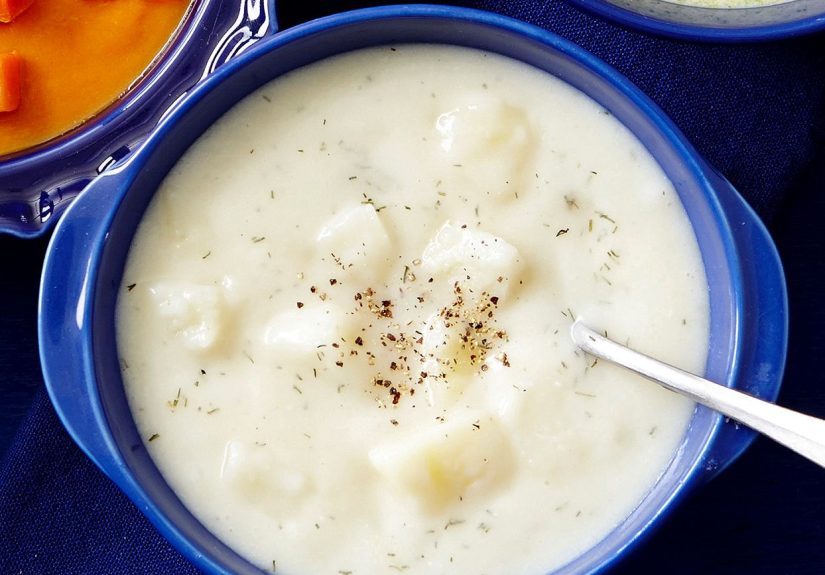
Cream of potato soup is a classic American comfort soup made from potatoes simmered until tender, then combined with dairy (milk, half-and-half, cream, or sour cream),
aromatics (like onion and garlic), and a flavorful liquid (broth or stock). The “cream” part can come from actual cream, a roux (butter + flour),
ormy favorite secret weaponpotato starch itself when you partially mash or gently blend the soup.
The best versions strike a balance: silky enough to feel luxurious, chunky enough to feel like dinner, and seasoned enough that you don’t need to drown it in toppings
(though toppings are still strongly encouragedthis is not a no-fun zone).
The Potato Question: Russet vs. Yukon Gold (and Why It Matters)
Potatoes aren’t interchangeable here. Your choice changes the soup’s texture more than any other ingredient.
Russet potatoes
Russets are high-starch and break down easily, which means they naturally thicken the soup. If you want a thicker, “spoon stands up” bowl,
russets are your best friend. The tradeoff: their starch can turn gummy if you aggressively blend them.
Yukon Gold potatoes
Yukon Golds are creamier with a slightly buttery flavor and a more velvety texture. They tend to hold their shape a bit better,
so you get a nice mix of creamy base + tender chunks. They’re great for “cream of potato soup that feels fancy without trying.”
Waxy potatoes (red, baby, fingerling) in creamy soups
Waxy potatoes stay firm and can make the soup feel thinner because they don’t release as much starch. That’s not “bad,” but it’s a different vibe.
If you use them, plan to thicken with a roux, a little potato mash, or an added thickener.
Ingredients That Build Big Flavor (Without Complicating Your Life)
Aromatics: onion, garlic, and friends
Most great potato soups start with onion (or leeks) gently cooked in butter. Garlic is optional but highly recommended.
Celery and carrots are welcome if you want a more “soup-y soup” backbone, but the classic cream of potato soup usually keeps it simple.
Broth: the silent hero
Chicken broth is traditional. Vegetable broth works beautifully and keeps things vegetarian.
If your broth is salty, season carefully at the beginning and adjust at the endpotatoes love absorbing salt like it’s their part-time job.
Dairy: choose your cozy level
- Whole milk = creamy but lighter
- Half-and-half = richer, still balanced
- Heavy cream = ultra-luxurious, best for special “I survived the week” bowls
- Sour cream or Greek yogurt = creaminess + tang (add at the end so it doesn’t curdle)
Seasonings that make potatoes taste like more than potatoes
Salt and pepper are essential. Beyond that, try:
- Dill for a fresh, classic twist (especially good with onion)
- Thyme or rosemary for cozy savory depth
- Smoked paprika if you’re doing “loaded” flavors
- Cayenne for gentle warmth, not “alarm bells” heat
How Creamy Soup Turns Gluey (and How to Avoid That Tragedy)
Potatoes contain starch. When potatoes cook, starch granules swell. When you blend those potatoes too aggressivelyespecially in a high-speed blender
you can rupture the starch granules and create a sticky, elastic texture. Translation: your soup starts acting like melted cheese glue.
That’s not the vibe.
The fix is simple: don’t over-blend. Use an immersion blender in short bursts, mash by hand, or blend only a portion of the soup.
You want “mostly smooth with personality,” not “baby food goop.”
The Core Recipe Blueprint (Cream of Potato Soup You Can Make Anytime)
This is a flexible, classic potato soup recipe base. It’s meant to be forgivinglike a good friend who doesn’t judge you for measuring garlic with your heart.
Ingredients (serves 4–6)
- 2 tablespoons butter (or olive oil)
- 1 medium onion, diced
- 2 cloves garlic, minced (optional but recommended)
- 2 pounds potatoes (russet, Yukon Gold, or a mix), peeled or unpeeled, cut into 3/4-inch pieces
- 4 cups chicken or vegetable broth
- 1 to 1 1/2 cups milk or half-and-half (or 3/4 cup cream for extra richness)
- 1 teaspoon kosher salt (start here, adjust later)
- 1/2 teaspoon black pepper
- Optional: 1/2 teaspoon dried thyme or 1 tablespoon chopped fresh dill
Steps
-
Sweat the aromatics. Melt butter in a soup pot over medium heat. Add onion and cook until soft and translucent, 5–7 minutes.
Stir in garlic for 30 seconds. -
Simmer the potatoes. Add potatoes, broth, salt, pepper, and herbs (if using). Bring to a gentle boil, then reduce to a simmer.
Cook until potatoes are fork-tender, about 12–18 minutes (depending on cut size). -
Create creaminess. Turn heat to low. Use a potato masher to mash some potatoes right in the pot, leaving plenty of chunks.
Or use an immersion blender in short burstsjust enough to thicken the broth. - Add dairy gently. Stir in milk/half-and-half/cream. Warm through without boiling. Taste and adjust salt and pepper.
- Serve like you mean it. Ladle into bowls and top as desired (see topping ideas below).
Three Ways to Thicken Cream of Potato Soup (Pick Your Adventure)
1) The potato-mash method (my favorite)
Mash a portion of cooked potatoes into the broth. It thickens naturally, stays silky, and avoids extra ingredients.
2) A light roux (classic and reliable)
If you want a more uniform, creamy texture, cook 2 tablespoons butter + 2 tablespoons flour for 1–2 minutes before adding broth.
This adds body without relying entirely on potato starch.
3) Quick fixes (for “why is my soup thin?” emergencies)
- Instant potato flakes: stir in a tablespoon at a time
- Cornstarch slurry: mix 1 tablespoon cornstarch + 1 tablespoon cold water, stir in slowly, simmer gently
- More potatoes: yes, the solution can literally be “add more potato”
Flavor Upgrades That Don’t Feel Fussy
Loaded baked potato soup style
Stir in shredded cheddar at the end (off heat), add crumbled bacon, and finish with chives or green onions.
A spoonful of sour cream on top turns it into “comfort food with a crown.”
Leek + herb version
Swap onion for leeks (white and light green parts), and lean into dill or thyme. This version feels a little more “weekend lunch.”
Roasted garlic upgrade
Roast a whole head of garlic, squeeze cloves into the soup at the end, and mash in. It’s sweet, mellow, and makes the kitchen smell unfairly good.
Vegetarian (or “still hearty without bacon”) version
Use vegetable broth, add sautéed mushrooms for depth, and finish with a squeeze of lemon or a small splash of vinegar to brighten.
Acid is the grown-up secret that keeps creamy soup from tasting flat.
Toppings: Where Personality Lives
Cream of potato soup is basically a blank canvas that welcomes accessories. Try:
- Shredded cheddar or pepper jack
- Crispy bacon or turkey bacon
- Chives, scallions, or fresh dill
- Pickled jalapeños for a tangy kick
- Croutons, crushed crackers, or toasted bread crumbs
- A drizzle of olive oil, chili oil, or melted butter
Troubleshooting: Fix Your Soup Without Starting Over
Problem: It’s too thin
- Mash more potatoes into the broth.
- Simmer uncovered for 5–10 minutes to reduce.
- Add potato flakes or a cornstarch slurry in small increments.
Problem: It’s too thick
- Add warm broth or milk a splash at a time until it loosens.
- Re-season afterwarddilution changes salt balance.
Problem: It turned gluey
This usually happens from over-blending. You can often improve the texture by gently thinning with broth or milk,
then adding a bit of fat (butter or cream) and a small pop of acid (lemon juice) to make it feel less heavy.
It won’t become “brand new,” but it can absolutely become “still delicious.”
Problem: It tastes bland
Potatoes can mute flavor. Add salt gradually, then brighten with acid (lemon or vinegar).
A little garlic powder or smoked paprika can help too. If you used low-sodium broth, you may simply need more seasoning than you expect.
Storing, Cooling, and Reheating Safely (Because Soup Deserves a Second Life)
Potato soup makes excellent leftoversif you cool and store it properly.
For food safety, don’t leave soup out at room temperature too long. Cool it quickly by dividing into shallow containers,
or set the pot in an ice-water bath and stir to bring the temperature down faster.
Refrigerator storage
- Cool and refrigerate within 2 hours (sooner is better).
- Store in airtight containers.
- Reheat gently over low heat, stirring often. Avoid boiling, especially with dairy.
Freezing cream of potato soup
You can freeze potato soup, but creamy soups sometimes change texture (they can look slightly grainy or separate when thawed).
If you know you’re freezing it, consider freezing the soup before adding dairy, then stir in milk/cream after reheating.
That trick keeps the texture smoother.
Serving Ideas: Make It a Meal
Cream of potato soup is filling, but it loves a sidekick:
- Crusty bread for dipping (soup’s favorite hobby)
- Simple salad with vinaigrette to balance richness
- Roasted vegetables if you want something hearty-but-not-heavy
- Sandwich pairing: grilled cheese, turkey club, or a veggie melt
Frequently Asked Questions
Can I make cream of potato soup without heavy cream?
Absolutely. Whole milk or half-and-half works well, and you can create thickness by mashing potatoes.
Sour cream or Greek yogurt added at the end adds richness and tang without needing heavy cream.
Do I have to peel the potatoes?
Nope. Potato skins add texture, nutrients, and a rustic look. Yukon Gold skins are especially tender.
If you want a very smooth soup, peeling helps, but it’s not required.
What’s the best way to blend potato soup?
Use an immersion blender in short bursts, or mash by hand. High-speed blenders can push potato starch into glue territory.
Experiences with Cream of Potato Soup ( of Real-Life Cozy)
Cream of potato soup has a special talent: it shows up exactly when you need itsnowy evenings, rainy Sundays, or those weeks where dinner needs to be
comforting without being complicated. Many home cooks start making it for practical reasons (“I have potatoes and time is fake”), then keep making it
because it becomes a tradition. It’s the kind of soup that quietly builds a reputation in your kitchen: reliable, forgiving, and always welcome.
One of the most common “first experiences” with cream of potato soup is discovering the power of texture control. The first batch might be too brothy,
and suddenly you’re learning the pure joy of mashing a few potatoes right in the pot and watching the soup transformlike a cozy magic trick.
The second batch might be a little too blended, and you learn the other lesson: potatoes have feelings about blenders. That’s when the immersion blender
becomes a kitchen hero, the potato masher gets promoted, and you realize that “rustic and creamy” is a perfectly respectable goal.
Potato soup also shines in the “make it yours” category. Some households treat it like a loaded baked potato in a bowlcheddar, bacon, chives, sour cream,
maybe even a few pickled jalapeños for dramatic flair. Others keep it minimalist: butter, milk, salt, pepper, and the comforting taste of simple food done right.
And then there are the creative types who add leeks, herbs, roasted garlic, or a pinch of smoked paprika and swear they’ve “elevated” it
(which is true, but also you were already winning because you made soup).
If you’ve ever brought cream of potato soup to a potluck, you’ve probably seen its social superpower: it makes people hover.
Someone always asks, “What’s in this?” even though the answer is basically “potatoes behaving beautifully.”
It’s also one of those dishes that sparks friendly debatesrussets versus Yukon Golds, chunky versus smooth, bacon on top versus bacon in the base.
The best part? There’s no wrong answer, just different roads to comfort.
Leftovers are another classic experience. Potato soup reheats like a champ when you warm it gently and loosen it with a splash of broth or milk.
It often thickens overnight (potatoes doing potato things), so the next day’s bowl can feel even more satisfying.
Some people even repurpose it: add extra broth and broccoli for a new soup, stir in shredded chicken, or pour it over a baked potato and call it “double potato.”
Honestly, that last one should come with a trophy.
In the end, cream of potato soup is more than a recipeit’s a pattern of cozy moments.
It’s the meal you make when you want the kitchen to smell like comfort, the bowl you eat when you need something steady,
and the kind of food that reminds you: simple ingredients can still feel like a warm hug (and unlike hugs, you can add bacon).







 Close
Close