
Table of Contents >> Show >> Hide
- Why Diet Matters in Crohn’s Disease and Colitis
- The Best Starting Rule: Build a Personal Plan, Not a Punishment Menu
- What to Eat During a Flare
- Foods That Commonly Cause Trouble
- What About Fiber?
- Should You Try a Mediterranean Diet, Low-FODMAP, or Other IBD Diet?
- How to Create a Practical Daily Diet Plan
- Don’t Forget Vitamins, Minerals, and Red Flags
- Conclusion
- Real-World Experiences With Creating a Crohn’s Disease and Colitis Diet Plan
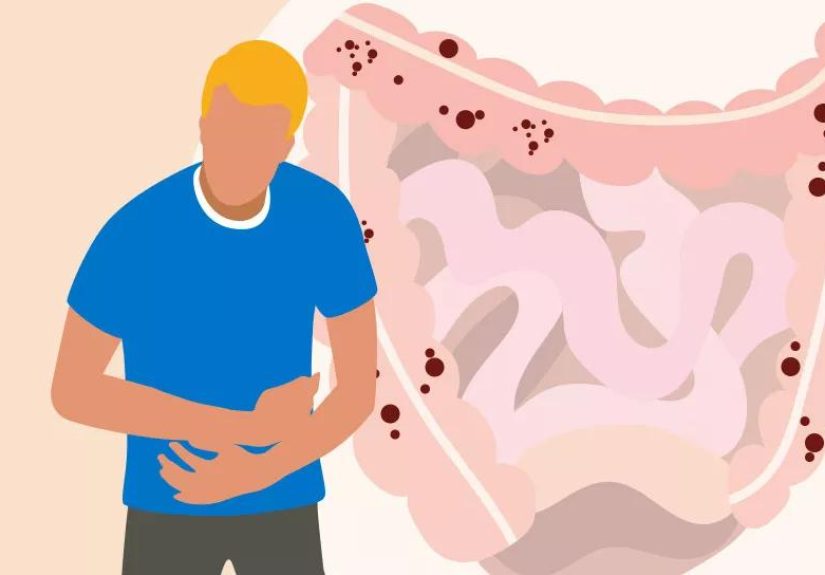
Building a diet plan for Crohn’s disease or ulcerative colitis can feel a little like trying to solve a puzzle while the puzzle pieces keep changing shape. One day oatmeal is your reliable breakfast hero; the next day your gut treats it like an unwanted houseguest. That is exactly why a smart Crohn’s disease and colitis diet plan should never be a list of random “good” and “bad” foods pulled from the internet. It should be personal, flexible, and rooted in how inflammatory bowel disease actually works.
Here is the big truth up front: there is no one-size-fits-all IBD diet. No magical blueberry, no saintly bone broth, no villainous tomato with a mustache. Crohn’s disease and colitis affect people differently depending on where inflammation is located, whether symptoms are active, whether there is a stricture or surgery history, and how well someone absorbs nutrients. The goal of a good diet plan is not to “cure” IBD with lunch. It is to reduce symptom triggers, support hydration, protect nutrition, and make everyday eating less stressful and more sustainable.
If that sounds refreshingly realistic, good. Realistic is underrated.
Why Diet Matters in Crohn’s Disease and Colitis
Food does not cause Crohn’s disease or ulcerative colitis, but food can absolutely influence how you feel. During flares, certain foods may worsen diarrhea, cramping, bloating, urgency, or pain. Over time, IBD can also raise the risk of dehydration, under-eating, weight loss, anemia, and vitamin or mineral deficiencies. That means your diet plan needs to do two jobs at once: calm symptoms when possible and keep your body supplied with enough calories, protein, and nutrients.
This balancing act matters because people with IBD often eat less during active symptoms. They may also avoid entire categories of food out of fear. Sometimes that fear starts logically enough: “Popcorn wrecked me once, so goodbye popcorn forever.” But then the list grows. Soon salads, dairy, fruit, spices, beans, bread, and joy have all been escorted out of the building. The problem is that an overly restrictive diet can create a second problem on top of the first one: malnutrition.
So the mission is not to eliminate everything suspicious. It is to identify what is tolerated, what changes during a flare, and what keeps your body strong over the long haul.
The Best Starting Rule: Build a Personal Plan, Not a Punishment Menu
The most effective Crohn’s disease and colitis diet plans usually begin with a simple idea: track before you slash. Instead of deleting half your kitchen in a burst of digestive panic, start by observing patterns.
1. Keep a Food and Symptom Log
For two to four weeks, write down what you eat, when you eat, symptoms that follow, bowel changes, stress levels, and medications. You are looking for repeat offenders, not one-time coincidences. A spicy burrito at 11 p.m. after a stressful day may not be a fair scientific trial. But if raw kale, large greasy meals, or milk repeatedly trigger pain or diarrhea, that is useful information.
2. Separate “Trigger Foods” From “Trigger Situations”
Many people blame specific foods when the real issue is meal size, speed, or timing. A giant restaurant meal with alcohol and dessert may go badly even if each individual item seems fine in smaller portions. That is why eating smaller meals more often is often easier on the gut than cramming your entire food pyramid into one heroic dinner.
3. Protect Calories and Protein
When symptoms are active, people often focus so much on avoiding discomfort that they forget the basics. Your body still needs fuel. Protein is especially important if you are healing from inflammation, recovering from surgery, or struggling with weight loss. Gentle sources may include eggs, chicken, turkey, fish, tofu if tolerated, smooth nut butters, yogurt if tolerated, and liquid nutrition shakes recommended by your care team.
4. Adjust the Plan to the Season of Your Disease
An IBD flare diet is not always the same as a remission diet. During active symptoms, softer and lower-fiber foods may be easier to handle. During remission, many people do better with a broader and more varied diet. If you have a stricture, narrowing, ostomy, or a recent surgery, your food texture and fiber strategy may need extra attention.
What to Eat During a Flare
During a flare, the best foods are often the least dramatic ones. This is not the season for culinary chaos. It is the season for foods that are easier to digest, lower in rough texture, and less likely to increase stool frequency or pain.
Foods that are often better tolerated during flares include:
- White rice, plain pasta, noodles, or sourdough/white bread
- Oatmeal or cream of rice, if tolerated
- Applesauce, canned fruit, ripe bananas, or peeled soft fruit
- Mashed potatoes without heavy add-ins
- Cooked eggs
- Plain chicken, turkey, lean ground meat, or baked fish
- Smooth peanut butter or other smooth nut butters, if tolerated
- Cooked, peeled, or puréed vegetables
- Broth-based soups and simple smoothies
- Oral nutrition shakes if regular meals are difficult
Hydration matters just as much as food. Diarrhea can drain fluids and electrolytes fast, which is not exactly your body’s favorite hobby. Water is essential, but some people also need oral rehydration solutions, broths, or clinician-recommended electrolyte drinks, especially during more severe flares.
Foods That Commonly Cause Trouble
Notice the word commonly. Not universally. Your gut did not sign the same contract as everyone else’s.
Foods that often worsen symptoms in Crohn’s disease or colitis include:
- High-fiber raw vegetables and fruits with skins or seeds
- Nuts, seeds, popcorn, and bran
- Beans and other gas-producing foods
- Greasy, fried, or high-fat meals
- Spicy foods
- Dairy, if lactose intolerance is part of the picture
- Caffeine and alcohol, especially when diarrhea is active
- Carbonated drinks, if bloating is a problem
- Ultra-processed foods that seem to aggravate symptoms
That said, a “food to limit” list is not a lifelong banishment notice. Many people can reintroduce foods later in cooked, peeled, blended, or smaller-portion forms. For example, raw apples may be a disaster during a flare, while applesauce is totally fine. Whole nuts may be rough, while smooth almond butter works beautifully. This is why preparation matters almost as much as the food itself.
What About Fiber?
Fiber is where IBD nutrition advice often turns into a confusing family reunion. One relative says, “Avoid all fiber.” Another says, “Fiber heals everything.” The useful answer is more nuanced.
If you are in a flare, having significant diarrhea, or dealing with a stricture or narrowed bowel, a temporary low-fiber or low-residue approach may help reduce irritation and lower the risk that undigested food causes trouble. In that case, cooked, soft, peeled, or puréed produce often works better than raw roughage.
But outside of those situations, many people with IBD do not need to avoid fiber forever. In fact, a more varied diet with fruits, vegetables, and other minimally processed foods may be helpful for overall health and gut support when tolerated. The key question is not “Is fiber good or bad?” The better question is “What kind of fiber, in what form, and during what phase of my disease?”
Should You Try a Mediterranean Diet, Low-FODMAP, or Other IBD Diet?
For many adults with IBD, a Mediterranean-style pattern is a strong default foundation. Think vegetables and fruits in tolerated forms, olive oil, fish, lean proteins, legumes when tolerated, whole grains when tolerated, and fewer ultra-processed foods. It is not trendy punishment. It is simply a balanced way of eating with room for real life.
Some special diets may also help in specific situations, but they are not interchangeable.
Mediterranean-Style Eating
This is often the most practical long-term pattern, especially in remission. It emphasizes overall nutrition rather than dramatic restriction. If whole grains or raw produce are too much, you can still adapt the Mediterranean pattern by using softer textures and better-tolerated foods.
Low-FODMAP
A low-FODMAP diet may reduce symptoms like gas, bloating, and abdominal discomfort in people whose IBD is quiet but who still have IBS-like symptoms. It is usually meant for short-term use and guided reintroduction. It is not designed to reduce intestinal inflammation itself.
Exclusive Enteral Nutrition and Formula-Based Plans
For some people with Crohn’s disease, especially in certain pediatric and specialist-managed settings, formula-based nutrition therapies can be used to improve symptoms and nutritional status. These are not casual DIY projects. They belong under medical and dietitian supervision.
Highly Restrictive Elimination Diets
These may help certain individuals, but they can also become nutritionally risky if used without guidance. If a diet removes multiple food groups, work with a gastroenterologist and an IBD-informed registered dietitian. Your colon does not need an influencer. It needs a plan.
How to Create a Practical Daily Diet Plan
A useful diet plan is not just a list of safe foods. It is a system you can repeat on busy mornings, stressful afternoons, and low-energy evenings.
Your Basic Template
- Eat 4 to 6 smaller meals instead of 2 huge ones
- Include protein at each meal to support healing and maintain muscle
- Choose cooked or soft produce if raw foods are hard to tolerate
- Drink regularly throughout the day instead of trying to catch up at night
- Keep backup foods at home for symptom-heavy days
- Reintroduce foods one at a time so you can spot real patterns
Sample One-Day Diet Plan During a Sensitive Stretch
Breakfast: Oatmeal made with lactose-free milk or water, a ripe banana, and scrambled eggs
Mid-morning snack: Applesauce and a nutrition shake
Lunch: White rice, baked chicken, and cooked carrots
Afternoon snack: Plain yogurt or lactose-free yogurt, if tolerated, or smooth peanut butter on toast
Dinner: Baked fish, mashed potatoes, and peeled zucchini cooked until soft
Evening option: Broth, herbal tea, or a small smoothie if solid food is not appealing
In remission, that same framework may expand to include more variety, more plant foods, more texture, and larger food choices based on your personal tolerance.
Don’t Forget Vitamins, Minerals, and Red Flags
IBD can affect the absorption of iron, vitamin B12, vitamin D, calcium, folate, and other nutrients. Some people also need more attention to zinc, magnesium, or electrolyte replacement during heavy diarrhea. If you are losing weight, eating very little, feeling weak, or following a highly limited diet, it is time to check in with your healthcare team.
Call your clinician sooner rather than later if you notice ongoing weight loss, dizziness, severe diarrhea, blood loss, signs of dehydration, or fear around eating that keeps getting worse. A registered dietitian with GI or IBD expertise can help translate “eat better” into something actually useful, which is much nicer than vague internet advice and considerably less dramatic than googling your symptoms at 1:12 a.m.
Conclusion
Creating a Crohn’s disease and colitis diet plan is less about finding the perfect list of foods and more about building a flexible strategy. The best plan is one that changes with your symptoms, protects your nutrition, respects your real-life routine, and does not trap you in unnecessary fear. Start with balance, track what happens, adjust during flares, broaden when possible, and get professional help when your diet starts shrinking or your symptoms start growing. Your goal is not dietary perfection. Your goal is eating in a way that helps you feel steadier, stronger, and a little more in charge of your day.
Real-World Experiences With Creating a Crohn’s Disease and Colitis Diet Plan
One of the most common experiences people describe is the frustration of trial and error. They want a neat chart, a fixed answer, and a laminated list from the heavens. Instead, they discover that building an IBD diet plan is usually a process of observation. A food that worked during remission may feel awful during a flare. A meal that seemed harmless may become a problem when eaten too quickly, too late, or in too large a portion. Over time, many people learn that consistency often matters more than perfection.
Another very real experience is food anxiety. After a few painful flares, it makes sense to become cautious. People may start scanning menus like detectives, avoiding social events, or eating the same five “safe” foods for weeks. That caution is understandable, but it can slowly become its own burden. Many people find that they need to rebuild trust with food in small steps. That might mean trying one new cooked vegetable at home on a low-stress day, adding half a serving instead of a full one, or testing a food in the afternoon instead of before an important meeting. Tiny experiments often beat dramatic overhauls.
People also talk about the relief of learning that “healthy” does not always mean “tolerable right now.” In ordinary wellness culture, raw salads, nuts, seeds, and high-fiber grain bowls are treated like nutritional royalty. But someone in the middle of a Crohn’s flare may do much better with rice, eggs, soup, mashed potatoes, and canned fruit. That realization can feel oddly liberating. It replaces guilt with context. You are not failing nutrition. You are responding to your body’s current needs.
Hydration is another lesson people often learn the hard way. During bad diarrhea, drinking “when thirsty” may not cut it. Some people discover they feel much better when they sip fluids steadily all day, use broths or oral rehydration drinks when needed, and pay attention to fatigue, dizziness, headaches, or dark urine. The same goes for protein. When appetite drops, soft protein sources or nutrition shakes can make the difference between maintaining strength and sliding into exhaustion.
Many people also describe the turning point of working with an IBD-savvy dietitian. Instead of hearing generic advice like “just eat healthy,” they finally get specifics. Which foods are easier during active symptoms? How do you add calories without causing misery? What should you do if dairy seems suspicious but cutting it out entirely feels overwhelming? How do you reintroduce fiber after a flare? Those practical answers often reduce both symptoms and stress.
Social life comes up a lot, too. Eating with Crohn’s disease or colitis is not only about nutrients; it is also about restaurants, family dinners, travel, holidays, and the awkward moment when someone insists their miracle cleanse can heal your intestines. Many people cope by planning ahead. They preview menus, pack snacks, eat a small tolerated meal before events, or choose simple dishes they know are less risky. That preparation may seem boring, but boring is underrated when your digestive tract is feeling theatrical.
In the end, the lived experience of creating a Crohn’s disease and colitis diet plan is usually not about achieving a perfect menu. It is about learning your patterns, staying nourished, and giving yourself permission to adapt. The most successful plans tend to be the ones people can actually live with: flexible enough for real life, thoughtful enough to reduce symptoms, and grounded enough to support health over time.






 Close
Close