
Table of Contents >> Show >> Hide
- Why Green Feels So Right Right Now
- The Green Spectrum: Pick Your “Vibe” Before You Pick Your Shade
- Home Obsessions: Green as the New Neutral
- Closet Obsessions: Wearing Green Without Looking Like a Highlighter
- Beauty Obsessions: Green Nails, Soft Glam, and “Verdant Accents”
- Food & Drink Obsessions: The Matcha Era (Plus Herbs, Greens, and Sauces)
- Backyard Obsessions: Going Green Outdoors (Without Becoming a Full-Time Gardener)
- How to Bring “In the Green” Into Your Life Without Overdoing It
- Extra: A 7-Day “In the Green” Experience (Try-It-Yourself, 500-ish Words)
- Conclusion: Green Is a Color, a Mood, and a Cheat Code
Green is having a full-on main-character momentand honestly, it deserves it. “In the green” used to mean your budget was thriving. Now it also means your living room feels calmer, your outfit looks sharper, your backyard is friendlier to butterflies, and your afternoon drink is a neon little ritual that makes you feel like you have your life together (even if your laundry pile says otherwise).
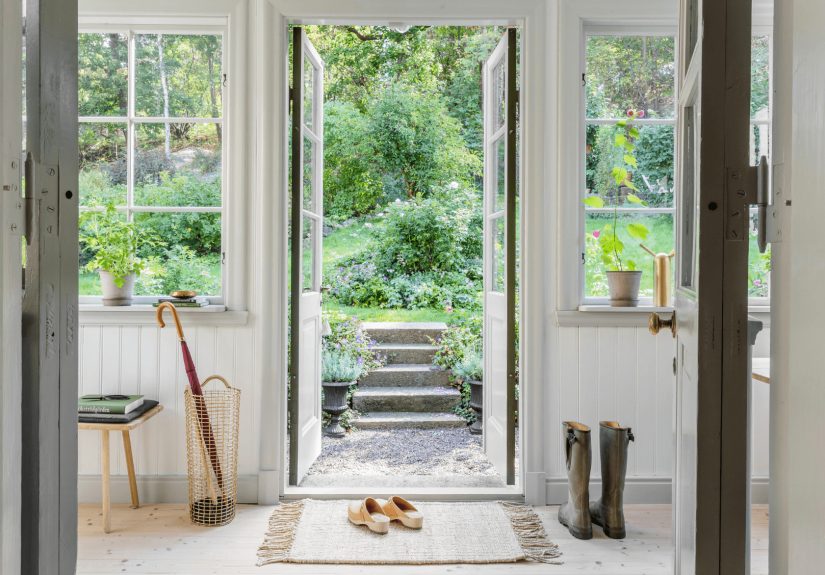
This isn’t just a “paint one wall sage and call it wellness” situation. Our current obsession with green is bigger: it’s a design mood, a style signal, a food trend, and a gentle nudge toward naturewithout requiring you to move into a forest or start identifying mushrooms on weekends.
Why Green Feels So Right Right Now
Green works because it’s both alive and livable. It can be soothing (think eucalyptus and soft sage), grounding (olive and moss), or electric (chartreuse and lime). Designers keep returning to it as a “new neutral” because it plays well with warm metals, natural stone, wood tones, and creamy whiteswhile still giving a room personality.[2]
There’s also a bigger cultural undercurrent: many people are chasing spaces and habits that feel restorative. Biophilic designbringing nature’s shapes, materials, and greenery indoorshas been linked in research to improved stress recovery and mood in indoor environments.[11] Translation: adding green isn’t just pretty; it’s often felt.
The Green Spectrum: Pick Your “Vibe” Before You Pick Your Shade
Before you buy a gallon of paint, a velvet sofa, or a sweater that screams “holiday elf,” decide what kind of green you’re actually craving:
Soft Greens: Sage, Olive, Eucalyptus
These are the greens people describe with words like “calm,” “spa,” and “I suddenly enjoy baths.” They’re especially popular in bathrooms and other private spaces meant to feel restorative.[2]
Deep Greens: Emerald, Forest, Hunter
These greens feel classic and confident. They read as rich rather than loud, and they make even basic furniture look more expensivelike it has an agent.
Bright Greens: Chartreuse, Lime
These are for accentsunless you’re the kind of person who can pull off a lime-green coat and a strong opinion. Fashion has leaned into punchy greens lately, including lime and emerald moments in runway color stories.[6]
Home Obsessions: Green as the New Neutral
If you’ve been sensing that stark white and cool gray are taking a breather, you’re not imagining it. Green has stepped in as a more nature-forward foundationespecially in kitchens and bathrooms.
Bathrooms That Feel Like a Boutique Spa
Muted greens (sage, olive, eucalyptus) are showing up in bathrooms because they read serene and organiceven in spaces without much natural light.[2] Want the quick-win version? Try green textiles and accessories. Want the “I renovated and I’m thriving” version? Consider green tile as a focal wall, paired with brass fixtures and marble or stone textures.[2]
Kitchens That Feel Fresh (Not “Theme-y”)
Green kitchen cabinetry keeps trending because it feels timeless but not boringespecially in warm sages and deeper heritage greens.[3] The trick is balance: pair green with wood, creamy whites, or warm metals so it feels layered rather than cartoonish. If you want a designer cheat code, think: green + brass + natural stone + soft white walls.
Paint Trends That Keep Pointing Back to Green
Paint brands keep validating what our eyes already want. HGTV Home by Sherwin-Williams named Quietude (a softened sage green with blue undertones) as its 2025 Color of the Yearexplicitly tied to relaxation and “slower living” energy.[1] Meanwhile, Sherwin-Williams’ broader “Color Capsule of the Year 2025” leans into edited, usable shades that mix grounded neutrals with more expressive color moments.[4]
If you’re choosing paint for real life (kids, pets, fingerprints, that one wall that gets weird light at 4 p.m.), green is forgiving. It hides scuffs better than white, softens harsh lighting, and makes houseplants look like they’re starring in an expensive lifestyle shoot.
Closet Obsessions: Wearing Green Without Looking Like a Highlighter
Green is surprisingly wearable when you treat it like a neutralor give it one job at a time.
Three Easy Outfit Formulas
- Sage knit + medium-wash jeans + tan sneakers (clean, casual, unfussy).
- Olive cargos + white tee + gold jewelry (utility, but make it chic).
- Emerald blazer + black trousers + simple tee (instant polish, zero effort).
Want to experiment with brighter greens? Do it in accessories: a lime scarf, chartreuse bag, or green sneaker detail. Runway trend coverage continues to spotlight both emerald depth and lime pops, which makes green feel “current” instead of seasonal.[6]
Beauty Obsessions: Green Nails, Soft Glam, and “Verdant Accents”
Green beauty is thriving because it can be subtle or statement-making. On one end: dusty sage tips that read modern and clean. On the other: emerald cat-eye polish and glossy green chrome that looks like jewelry for your hands.
Green nail ideasemerald, sage, and chartreuseregularly show up in seasonal inspiration roundups, often paired with gold accents, gradients, or French tips for dimension.[7] And looking ahead, nail pros have also called out green shades as part of 2026 gel polish trend conversations.[8]
Try this: if you’re nervous about green, start with a sheer neutral base and add a thin green French tip. It’s like training wheels, but make it fashion.
Food & Drink Obsessions: The Matcha Era (Plus Herbs, Greens, and Sauces)
Yes, matcha is everywhere. But it’s not just because it photographs well (though it absolutely does). People often choose matcha because it can feel like steadier energy than coffeethanks to the combination of caffeine and L-theanine being commonly discussed as a “calm focus” pairing.[9]
That said, matcha is still caffeinated, and dietitians have warned that it can disrupt sleep if you drink it too lateespecially since caffeine levels can add up quickly depending on how much powder you use.[9] Consider making matcha a “morning or early afternoon” ritual instead of a 5 p.m. decision you’ll regret at 2 a.m.
Other “In the Green” Foods That Feel Like a Reset
- Herby sauces (chimichurri, pesto, green goddess): instant flavor, zero boredom.
- Leafy greens + crunch: kale or romaine with pepitas, cucumbers, and a bright vinaigrette.
- Green snack plates: edamame, avocado toast, sliced apples with pistachios.
Bonus: if you’re trying to eat more greens, don’t make it a punishment. Greens love fat, acid, and salt. That’s not a moral failingit’s culinary science.
Backyard Obsessions: Going Green Outdoors (Without Becoming a Full-Time Gardener)
“In the green” also means rethinking outdoor spaces in ways that are prettier and more practical. Backyard trend reporting for 2026 highlights more eco-conscious choices like rain gardens (“rainscaping”), pollinator-friendly planting, native plants, and reduced lawn areas.[10] Translation: less mowing, more butterflies, and a yard that feels alive instead of… aggressively flat.
Two Beginner-Friendly Upgrades
- Pollinator corner: pick a sunny spot, plant a few native flowering options, and let it do its thing.[10]
- Downsize the lawn: expand one bed each season instead of trying to overhaul everything at once.[10]
Green isn’t just a color outsideit’s a strategy. A yard with more plants and less turf can be easier to maintain and more resilient during heat and heavy rain cycles.
How to Bring “In the Green” Into Your Life Without Overdoing It
Here’s the secret: you don’t need to green-ify everything. Pick one or two lanes and commit.
Choose Your Lane
- Home lane: paint a small space, add green tile, or swap in olive textiles.
- Style lane: add one green hero piece (a jacket, bag, or shoe) and build outfits around it.
- Wellness lane: make matcha (earlier in the day), add herbs to meals, or grow a small windowsill plant.
- Garden lane: plant for pollinators and reduce the “lawn workload.”
Green works best when it’s intentional. Think curated, not chaotic. The goal is “fresh and grounded,” not “I tripped into a paint store display.”
Extra: A 7-Day “In the Green” Experience (Try-It-Yourself, 500-ish Words)
If you want the vibe of “in the green” without committing to a full remodel or a personality transplant, try this one-week experiment. It’s equal parts design play, lifestyle reset, and low-stakes joy.
Day 1: The One-Object Swap
Pick one small green upgrade: a mossy throw pillow, a sage hand towel, a green candle, or even a leafy plant that’s hard to kill (snake plants and ZZ plants have a reputation for surviving real life). Put it where you’ll actually see itbecause a beautiful object you never notice is just… expensive storage.
Day 2: The “Green Light” Outfit
Wear green in one place: a sweater, a hat, a scarf, or socks that quietly announce you’re fun. Keep everything else neutral. The goal is confidence, not cosplay. If you catch your reflection and think, “Oh. That’s kind of good,” congratulationsyou’ve unlocked the easiest style upgrade on earth.
Day 3: Matcha, But Make It Sensible
Make a simple matcha latte in the morning or early afternoon, not at the hour when your brain should be winding down.[9] Taste it before you sweeten it; then add just enough sweetness to make it enjoyable. This is a ritual, not a sugar delivery system.
Day 4: The Bathroom Spa Fake-Out
You don’t need a renovation. You need two things: a green-ish element (towel, bath mat, shower curtain) and a warm element (a candle, soft lighting, or a wood tray). Muted greens are popular in bathrooms precisely because they feel calm and nature-linkedeven when your bathroom is basically a glorified closet.[2]
Day 5: The Herb Victory
Add one herb to something you already eatparsley in eggs, basil on pasta, cilantro on tacos. Herbs are the easiest “green” habit because they deliver flavor payback instantly. You’ll feel like you cooked. Your taste buds will agree. Everyone wins.
Day 6: The Outdoor Mini-Mission
If you have outdoor space, do one eco-friendly upgrade: plant something pollinator-friendly, add a small pot of native flowers, or simply let one patch of your yard become “less perfect” and more alive.[10] If you don’t have outdoor space, open a window, put a plant near the light, or take a 15-minute walk where you can see actual trees. It counts.
Day 7: The Edit (The Secret Sauce)
Now look at what you added. Keep what feels good and ditch what feels forced. The point of a trend is not to obey itit’s to use it. If green made your space feel calmer, your outfits feel fresher, or your daily routine feel a little more grounded, you’ve done it. You’re officially “in the green.” And unlike most phases, this one is actually good for you.
Conclusion: Green Is a Color, a Mood, and a Cheat Code
Our current obsession with green makes sense: it’s flexible, flattering, and deeply connected to the natural world. Whether you’re painting a bathroom in muted sage, adding green cabinets to your kitchen, experimenting with emerald accessories, or building a pollinator-friendly corner outdoors, green meets you where you areand makes everything feel more alive.
So go ahead: add a little Quietude to your walls, a little matcha to your morning, or a little mossy texture to your closet. The best version of this trend is the one that feels like you.







 Close
Close