
Table of Contents >> Show >> Hide
- What Is Diabetic Retinopathy?
- Why It Happens: The Main Causes
- The Stages of Diabetic Retinopathy
- Symptoms: What People May Notice
- How Diabetic Retinopathy Is Diagnosed
- Who Needs Screening and How Often?
- Treatments for Diabetic Retinopathy
- Can Diabetic Retinopathy Be Reversed?
- How to Lower Your Risk
- When to Get Urgent Help
- Final Thoughts
- Real-World Experiences and Daily Life With Diabetic Retinopathy
- SEO Tags
Diabetic retinopathy sounds like one of those phrases doctors say while you nod bravely and pretend your brain did not just take a coffee break. But this eye condition is a very real complication of diabetes, and it can quietly threaten vision long before a person notices anything is wrong. That is the sneaky part. Your eyes may seem perfectly fine while the retina is throwing a tiny, sugar-fueled protest in the background.
The good news is that diabetic retinopathy is often preventable, frequently manageable, and much easier to deal with when it is found early. With modern screening tools, better diabetes care, and treatments that would have sounded like science fiction a few decades ago, many people keep good vision for years. The trick is knowing what diabetic retinopathy is, why it happens, what symptoms matter, and what treatment options are actually on the table.
What Is Diabetic Retinopathy?
Diabetic retinopathy is an eye disease caused by diabetes-related damage to the blood vessels in the retina, the light-sensitive tissue at the back of the eye. Think of the retina as the camera sensor of the eye. If it gets damaged, the pictures your brain receives stop looking crisp, clear, and dependable.
Over time, high blood sugar can injure the tiny blood vessels that nourish the retina. These vessels may weaken, bulge, leak fluid, bleed, or close off entirely. When that happens, the retina does not get the healthy blood flow it needs. In response, the eye may try to grow new blood vessels. Unfortunately, these new vessels are fragile, poorly built, and more drama than help. They can bleed easily and create scar tissue that threatens vision.
Diabetic retinopathy usually affects both eyes, though not always equally. It can happen in people with type 1 diabetes or type 2 diabetes, and the risk generally rises the longer a person has diabetes.
Why It Happens: The Main Causes
High Blood Sugar Over Time
The biggest driver of diabetic retinopathy is chronically elevated blood glucose. When blood sugar stays too high for too long, it damages small blood vessels throughout the body, including the ones in the retina. This damage does not happen overnight, which is why diabetic retinopathy often develops gradually.
Longer Duration of Diabetes
The longer someone lives with diabetes, the greater the chance of retinal damage. Even people who feel fine and manage daily life without obvious diabetes symptoms can still develop eye changes in the background. Time is not always kind to tiny blood vessels.
High Blood Pressure and High Cholesterol
Blood sugar is the headliner, but it does not perform alone. High blood pressure and unhealthy cholesterol levels can increase the risk that diabetic retinopathy will develop or worsen. When the blood vessels are already stressed, these extra problems do not exactly bring peace and harmony.
Pregnancy
Pregnancy can speed up diabetic eye changes in some people with preexisting diabetes. That does not mean panic is necessary, but it does mean eye exams become especially important during pregnancy and after delivery.
Smoking and Other Risk Factors
Smoking can worsen blood vessel damage and increase overall health risks linked to diabetes. Poor diabetes control, delayed eye exams, and coexisting medical conditions may also push the odds in the wrong direction.
The Stages of Diabetic Retinopathy
1. Mild to Moderate Nonproliferative Diabetic Retinopathy
This is the early stage, often called NPDR. Tiny bulges called microaneurysms form in the retinal blood vessels. Some vessels may leak small amounts of fluid or blood. At this point, many people have no symptoms at all, which is exactly why the disease can be so tricky.
2. Severe Nonproliferative Diabetic Retinopathy
As the disease progresses, more vessels become blocked or damaged. Blood flow to the retina becomes less reliable, and the eye starts heading toward more serious trouble. Severe NPDR is basically the eye’s version of saying, “I have concerns.”
3. Proliferative Diabetic Retinopathy
This advanced stage, called PDR, happens when new abnormal blood vessels grow on the retina or into the vitreous, the gel-like substance inside the eye. These vessels are fragile and can bleed, causing floaters, cloudy vision, or sudden vision loss. Scar tissue may also form, and in severe cases it can pull on the retina and lead to retinal detachment.
4. Diabetic Macular Edema
Diabetic macular edema, or DME, can occur during different stages of diabetic retinopathy. It develops when leaking fluid causes swelling in the macula, the part of the retina responsible for sharp central vision. If reading text, recognizing faces, or driving suddenly becomes harder, DME may be the culprit. It is one of the most common reasons vision becomes noticeably blurry in diabetic eye disease.
Symptoms: What People May Notice
One of the most frustrating things about diabetic retinopathy is that early disease often causes no symptoms. None. Zero. Your eyes can look perfectly innocent while the retina is quietly collecting evidence.
As the condition worsens, symptoms may include:
- Blurred vision
- Floaters or dark spots drifting across vision
- Fluctuating vision
- Dark or empty areas in the visual field
- Trouble seeing colors clearly
- Difficulty seeing at night
- Sudden vision loss in more severe cases
It is also important to know that not all blurry vision in diabetes is diabetic retinopathy. Blood sugar swings can temporarily change vision too. That is one reason self-diagnosis is a terrible hobby when it comes to eyes.
How Diabetic Retinopathy Is Diagnosed
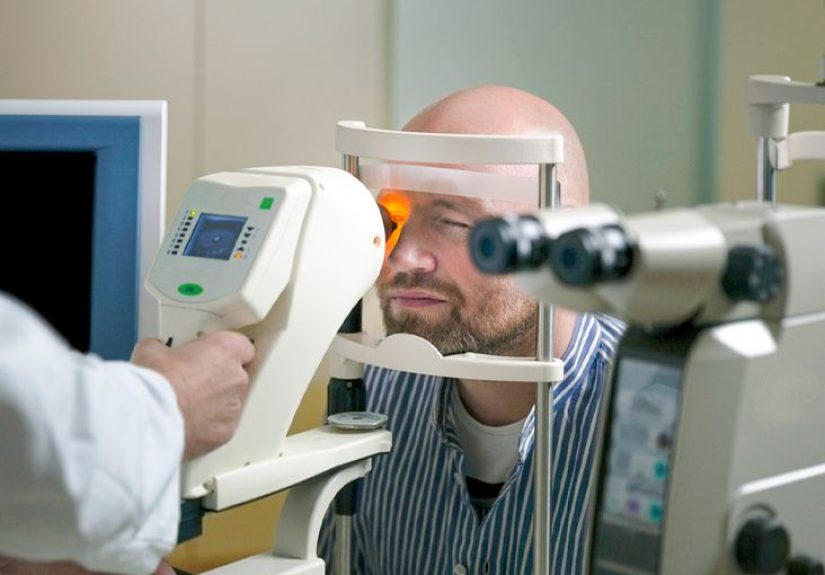
The most important tool is a comprehensive dilated eye exam. During this exam, eye drops widen the pupils so an eye care professional can look directly at the retina and optic nerve. The exam is simple, and while the drops can leave you feeling like sunlight has become a personal enemy for a few hours, it is worth it.
Depending on what the doctor sees, additional testing may include:
Retinal Imaging
Photos of the retina help document changes over time and may be used in screening programs or follow-up visits.
Optical Coherence Tomography (OCT)
OCT creates detailed cross-sectional images of the retina. It helps detect swelling, especially diabetic macular edema, and helps specialists track whether treatment is working.
Fluorescein Angiography
This test uses dye and photography to evaluate how blood moves through the retinal vessels. It can help identify leaking vessels, blocked areas, and abnormal new growth.
Who Needs Screening and How Often?
If you have diabetes, regular eye screening is not optional maintenance like rotating your tires when you finally remember. It is core preventive care.
General recommendations vary slightly depending on the organization and the person’s risk level, but the big picture is clear:
- People with diabetes need regular dilated eye exams.
- Those with known retinopathy may need exams more often.
- People with type 2 diabetes often need an eye exam at diagnosis because eye damage can already be present.
- People with type 1 diabetes should begin screening within the recommended timeframe after diagnosis.
- Pregnant people with diabetes may need eye exams before pregnancy, early in pregnancy, and during follow-up.
If you already have diabetic retinopathy, your eye specialist may recommend closer monitoring every few months depending on the stage and whether macular edema is present.
Treatments for Diabetic Retinopathy
Treatment depends on how advanced the disease is. Some people do not need immediate intervention and are monitored closely. Others need prompt treatment to prevent permanent vision loss.
1. Better Diabetes Control
Controlling blood sugar is the foundation of diabetic retinopathy prevention and treatment. Good A1C management can slow the onset and progression of retinal damage. Blood pressure and cholesterol control matter too. This is the less glamorous part of treatment, but it is incredibly powerful.
In plain English: retina specialists can do impressive things, but they would still love it if the blood sugar stopped acting like a demolition crew.
2. Anti-VEGF Eye Injections
Anti-VEGF medicines are commonly used for diabetic macular edema and certain cases of diabetic retinopathy. These drugs help reduce fluid leakage and block the growth of abnormal new blood vessels. The idea of an eye injection sounds horrifying to almost everyone until they learn it is a standard treatment done with numbing medicine and careful technique.
Commonly used anti-VEGF therapies may need to be repeated over time. The treatment plan depends on how the retina responds and whether swelling improves.
3. Steroid Injections or Implants
In some cases, corticosteroid treatment may be used, particularly when swelling is a major issue or when other options are not ideal. These treatments can help reduce inflammation and fluid buildup, though they may also raise eye pressure or increase cataract risk in some patients.
4. Laser Treatment
Laser therapy still plays an important role. Focal or grid laser may be used in some cases of macular edema, while panretinal photocoagulation is used for proliferative diabetic retinopathy. This treatment helps shrink abnormal blood vessels or reduce their growth.
Laser can preserve vision, but it may come with trade-offs. Some people may notice reduced night vision or peripheral vision afterward, especially with broader laser treatment.
5. Vitrectomy Surgery
Vitrectomy is used for more advanced problems such as non-clearing vitreous hemorrhage, retinal detachment, or scar tissue pulling on the retina. During surgery, the doctor removes blood-filled vitreous gel and addresses damage inside the eye. It sounds intense because, frankly, it is eye surgery, but it can be vision-saving when complications become severe.
Can Diabetic Retinopathy Be Reversed?
This is the question many people really want answered. The honest answer is: not always. Treatment can often slow progression, stabilize the retina, reduce swelling, and preserve vision. In some cases, vision improves. But diabetic retinopathy is not something to shrug off and expect to magically disappear with good intentions and one heroic salad.
Because diabetes is a long-term condition, people remain at risk even after successful treatment. Ongoing eye exams and diabetes management are essential.
How to Lower Your Risk
- Keep blood sugar in your target range as consistently as possible.
- Work with your clinician on your A1C goal.
- Control blood pressure and cholesterol.
- Do not smoke.
- Keep regular appointments with your primary care team and eye specialist.
- Get a dilated eye exam even when your vision seems normal.
- Seek care quickly if you notice floaters, blurred vision, dark patches, or sudden changes.
When to Get Urgent Help
Call an eye care professional promptly if you notice new floaters, worsening blur, missing areas of vision, or distorted sight. Seek urgent medical care if vision suddenly drops, if you develop severe eye pain, or if it feels like a curtain has fallen across part of your vision. Waiting it out is not a winning strategy when the retina is involved.
Final Thoughts
Diabetic retinopathy is serious, but it is not hopeless. The biggest danger is not always the disease itself. Sometimes it is the silence of the early stages, when people assume no symptoms means no problem. In reality, the best time to catch diabetic retinopathy is often before it announces itself.
With routine dilated eye exams, strong diabetes management, and timely treatment, many people avoid severe vision loss. That is the real takeaway: diabetic retinopathy may be common, but blindness does not have to be the ending. The retina likes attention, consistency, and fewer sugar-related surprises. Honestly, same.
Real-World Experiences and Daily Life With Diabetic Retinopathy
People living with diabetic retinopathy often describe the condition as emotionally strange because it can feel invisible until it suddenly does not. One common experience is going to a routine eye exam expecting a quick “see you next year,” only to hear that there are signs of retinal changes even though vision still feels normal. That moment can be unsettling. Many people say the diagnosis changes how they think about diabetes overall. Blood sugar numbers stop feeling abstract and start feeling very personal.
Another common experience is confusion over symptoms. Someone may notice a little blur in one eye and assume it is just screen fatigue, bad lighting, or the need for new glasses. Others describe seeing floaters and wondering whether they are just tired. Because diabetic retinopathy symptoms can be subtle at first, people often look back and realize the clues were there earlier than they thought.
For patients who develop diabetic macular edema, daily tasks may become unexpectedly frustrating. Reading menus, recognizing faces across a room, driving at night, or using a phone can become harder. A lot of people say the most aggravating part is inconsistency. Vision may seem okay in the morning and worse later in the day, or one eye may compensate so well that the problem is easy to ignore for a while.
Treatment itself comes with a learning curve. People who need anti-VEGF injections often feel anxious before the first appointment, mostly because the words “needle” and “eye” should never be forced into the same sentence unless absolutely necessary. But many patients later say the fear was worse than the actual procedure. Once they understand the routine, the purpose, and the follow-up schedule, treatment becomes more manageable and less mysterious.
People who need repeated appointments often talk about the importance of support. A family member who drives after a dilated exam, a friend who remembers appointment dates, or a spouse who helps keep medication schedules on track can make a huge difference. Diabetic retinopathy may affect the eyes, but managing it is rarely a solo project.
There is also a mental side that does not get enough attention. Worry about losing vision can create real stress. Some people become hyperaware of every visual change. Others avoid thinking about it because they are scared. Both reactions are understandable. Many patients say they feel better once they have a clear plan: what stage they have, what treatment is needed, what symptoms should trigger a call, and when the next exam is scheduled.
Perhaps the most encouraging experience people share is that early action matters. Patients who keep up with eye exams and diabetes care often say they are grateful the condition was found before major vision loss occurred. Even those who need treatment often learn that diabetic retinopathy is not automatically a one-way road to blindness. For many, it becomes a wake-up call, not a final chapter. That shift in mindset can be powerful. Instead of feeling doomed, people feel informed, monitored, and involved in protecting their sight.







 Close
Close