
Table of Contents >> Show >> Hide
- What Is a Diaphragm?
- How a Diaphragm Works
- Insertion: How to Use a Diaphragm
- How Effective Is a Diaphragm?
- Does a Diaphragm Protect Against STIs?
- How Much Does a Diaphragm Cost?
- Pros of Using a Diaphragm
- Cons, Side Effects, and Downsides
- Who Might Like a Diaphragm?
- When You May Need a Refit or Follow-Up
- What to Do If Something Goes Wrong
- Bottom Line
- Experiences Related to “Diaphragm: Insertion, Cost, and More”
If birth control methods had personalities, the diaphragm would be the low-key, practical one that shows up on time, does its job, and doesn’t flood your hormones with drama. It is not the flashiest option in the contraceptive lineup, and it definitely does not get the same attention as the pill, IUD, or implant. But for people who want a hormone-free, reusable, prescription birth control method they can control themselves, the diaphragm still deserves a real conversation.
This guide breaks down what a diaphragm is, how insertion works, how much it may cost, how effective it really is, and who tends to like it most. Spoiler alert: it is not perfect, but neither is any method that depends on real-life humans remembering things in real life.
What Is a Diaphragm?
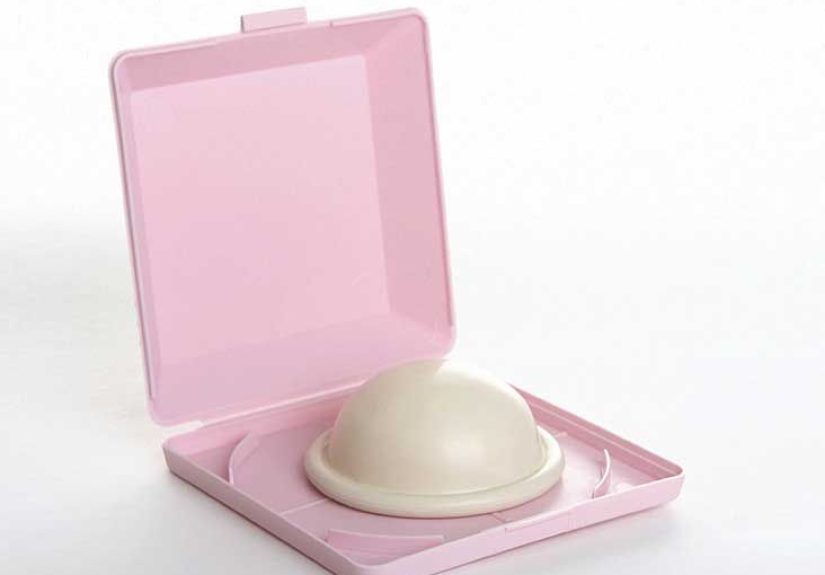
A diaphragm is a soft, flexible birth control device that sits inside the vagina and covers the cervix. Its job is simple: block sperm from getting where they are trying to go. For best results, it is used with spermicide, which helps slow down or kill sperm and boosts the method’s effectiveness.
In the United States, diaphragms are available by prescription. Traditional diaphragms may need a fitting by a healthcare professional, while some newer designs are made as a one-size option for many users. Either way, this is not a grab-it-near-the-checkout-lane method. It takes a little planning, a prescription, and some comfort with insertion.
How a Diaphragm Works
The diaphragm is a barrier method, which means it prevents sperm from reaching the egg by physically covering the cervix. Think of it as a silicone “not today” sign. Because it is not hormonal, it will not stop ovulation, change your cycle, or affect your fertility after you stop using it. Once you stop using a diaphragm, there is no waiting period for fertility to “come back.”
The catch is consistency. A diaphragm only works when it is used correctly, with spermicide, every single time you have sex. That makes it a better match for someone who values control and flexibility than for someone who wants a set-it-and-forget-it method.
Insertion: How to Use a Diaphragm
Insertion gets a reputation for being complicated, but most people who choose this method get better with practice. The first few tries may feel a little awkward. That is normal. You are learning a skill, not auditioning for a flawless medical tutorial.
Basic diaphragm insertion steps
- Wash your hands.
- Apply spermicide inside the cup and around the rim as directed for your product.
- Fold the diaphragm in half.
- Get into a comfortable position, such as squatting, lying down, or standing with one foot up.
- Insert the diaphragm into the vagina and guide it upward so it covers the cervix.
- Tuck the front edge behind the pubic bone.
- Check that the cervix feels covered. If it is not covering the cervix, it is not in the right place.
After sex, the diaphragm needs to stay in place for at least 6 hours. Do not leave it in for more than 24 hours. If you have sex again while it is already in place, you usually need to add more spermicide without removing the diaphragm. Some products also have timing rules about how long before sex you can insert it, so follow the instructions that come with your prescription rather than winging it like a cooking show contestant.
What removal is like
Removal is usually straightforward: hook a finger under the front rim and gently pull it out. Then wash it with mild soap and water, let it dry, and store it according to the product instructions. A reusable method only stays reusable if you treat it better than an old tote bag stuffed in a drawer.
How Effective Is a Diaphragm?
Here is where honesty matters. A diaphragm can be quite effective with perfect use, but real life is messy. People get distracted. Timing gets weird. Spermicide gets forgotten. Plans change.
With perfect use, a diaphragm can be up to about 94% effective. With typical use, effectiveness is closer to about 83%, which lines up with a typical-use failure rate of 17%. In plain English, it works much better when used exactly right every time, but it is less forgiving than long-acting methods like IUDs or implants.
That does not make it a bad method. It just makes it a method that rewards careful use. Pairing it with condoms can lower pregnancy risk further while also adding STI protection, which the diaphragm does not provide on its own.
Does a Diaphragm Protect Against STIs?
No. A diaphragm does not protect against sexually transmitted infections. If STI prevention matters for you or your partner, condoms are still important. That is one reason many people use the diaphragm as part of a layered strategy rather than as their only line of defense.
How Much Does a Diaphragm Cost?
The answer depends heavily on insurance, where you live, which diaphragm you get, and whether you need an office visit or fitting. Under the Affordable Care Act, many private insurance plans cover FDA-approved prescription birth control methods without patient cost-sharing. That means some people pay $0.
Without insurance, the cost can vary a lot. The diaphragm itself may be free in some clinics, around $75 through some cash-price channels, or closer to $250 depending on the product and provider. Spermicide adds an ongoing cost, often around $5 to $15 per kit or roughly about $1 per use. If you need an exam, fitting, or follow-up visit, that can add more.
So the real-world answer is this: a diaphragm may be very affordable, especially with insurance, but it is not always the cheapest option once you count appointments and spermicide. The upside is that it is reusable, which spreads the cost out over time.
Pros of Using a Diaphragm
- Hormone-free: No estrogen, no progestin, no hormone-related side effects.
- User-controlled: You can insert and remove it yourself.
- Reusable: Many diaphragms can be used for a long period before replacement.
- Flexible: You use it only when needed.
- Immediately reversible: Fertility is not delayed after stopping.
- Private: Some people like that it can be used without a visible reminder afterward.
Cons, Side Effects, and Downsides
No birth control method is all sunshine and organized drawers. The diaphragm has trade-offs.
- Less effective than low-maintenance methods: It depends on correct use every time.
- No STI protection: Condoms are still needed for that.
- Can feel inconvenient: Insertion, timing, and spermicide all require effort.
- Irritation can happen: Sometimes the issue is the spermicide, not the diaphragm itself.
- UTIs may be more likely for some users: Recurrent urinary tract infections can be a reason to rethink fit or method choice.
- Rare toxic shock syndrome risk: This is one reason it should not be left in longer than recommended.
If you are allergic or sensitive to latex, sulfites, or certain spermicides, talk with a clinician about product materials and alternatives. And if your diaphragm feels uncomfortable, slides out of place, or seems irritating every time, that is not something to “just deal with.” The fit or the spermicide may need to change.
Who Might Like a Diaphragm?
A diaphragm may be a strong fit for someone who:
- Wants nonhormonal birth control
- Does not want a long-acting method
- Prefers a reusable option
- Has sex intermittently rather than very frequently
- Is comfortable with vaginal insertion
- Likes having control over when birth control is used
It may be a weaker fit for someone who wants the highest possible pregnancy prevention, has recurrent UTIs, dislikes prep before sex, or is at higher risk for HIV and other STIs, especially if repeated spermicide use causes irritation.
When You May Need a Refit or Follow-Up
A diaphragm is not always a one-and-done prescription. Traditional fitted diaphragms may need to be checked again after pregnancy, after giving birth, or after major weight changes. Some guidance also recommends reassessing fit periodically even if nothing dramatic has changed. If you want to use a diaphragm after having a baby, it is usually recommended to wait until about 6 weeks postpartum, when the cervix and uterus have had time to return closer to their usual size.
If the diaphragm slips, feels painful, causes repeated irritation, or no longer seems to sit correctly, make an appointment. A bad fit turns a decent method into an unreliable one very quickly.
What to Do If Something Goes Wrong
If the diaphragm shifts out of place during sex, tears, or is used incorrectly, emergency contraception may be worth discussing, especially if pregnancy prevention is a priority. This is also true if sex happens without spermicide or if the device is removed too early. You do not need to panic, but you also do not need to pretend the situation will solve itself through positive thinking.
Call a clinician promptly if you develop strong pelvic pain, fever, vomiting, dizziness, a rash, or unusual symptoms after diaphragm use, particularly if it was left in too long.
Bottom Line
The diaphragm is a solid, hormone-free birth control option for the right person. It gives you control, avoids hormones, and can be cost-effective over time. But it also asks for effort: insertion, spermicide, timing, and consistency are all part of the deal.
If you want a method you can use on your own terms and you do not mind a little prep, the diaphragm may be worth a serious look. If you want maximum convenience or the highest effectiveness possible with the least day-to-day work, other methods may fit better. Birth control is not about choosing the “best” method on paper. It is about choosing the method you are actually likely to use correctly and consistently in real life.
Experiences Related to “Diaphragm: Insertion, Cost, and More”
Real-life experiences with the diaphragm tend to fall into a few familiar patterns. One group of users loves that it is hormone-free. These are often people who did not enjoy how they felt on hormonal birth control, or who simply wanted a method that stayed out of the chemistry of their daily life. For them, the diaphragm feels refreshingly practical. No daily pill reminder. No implant appointment. No wondering whether a mood swing is stress, life, or a synthetic hormone tag-teaming both.
Another common experience is the “learning curve week.” The first few insertion attempts can feel clumsy, slow, and slightly ridiculous. Many people worry they are doing it wrong the first time because it does not feel magically intuitive. Then, after a few practice rounds, things usually get easier. That shift matters. Confidence with insertion often becomes the difference between someone saying, “This method is impossible,” and saying, “Actually, this is manageable.”
Cost experiences vary just as much. Some users are pleasantly surprised when insurance covers the diaphragm and counseling with little or no out-of-pocket cost. Others run into a more annoying reality: the prescription may be covered, but the visit, fitting, or spermicide becomes the part that quietly empties the wallet. In that sense, the diaphragm can feel either wonderfully affordable or mildly sneaky, depending on the billing details. It is not glamorous advice, but calling your insurer first can save a lot of confusion later.
There is also the experience of timing. Some people genuinely do not mind a method that requires preparation before sex. They like the control and the routine. Others discover that they want contraception to be less “project management” and more “already handled.” That difference is huge. A diaphragm tends to work best for people whose lifestyle and preferences match the method’s rhythm. It is less about discipline in the abstract and more about whether the method fits the natural flow of your life.
Comfort is another mixed experience. Plenty of users do fine once the diaphragm is inserted properly. Others notice irritation, pressure, or recurring urinary discomfort and decide it is not worth the hassle. In many cases, the issue may be fit, spermicide sensitivity, or technique rather than the entire concept of the method. But from a user perspective, discomfort is discomfort. If a birth control method keeps becoming “a whole thing,” people tend to move on.
Emotionally, many users describe the diaphragm as empowering because it is self-managed and immediately reversible. At the same time, some people feel nervous relying on a method that has a wider gap between perfect use and typical use. That emotional response matters. Peace of mind is part of method satisfaction. A method can be medically acceptable and still feel psychologically wrong for someone.
In the end, the most honest experience-based summary is this: the diaphragm can be a great fit, but it is a personality match as much as a medical one. People who value control, low hormones, and on-demand use may find it quietly excellent. People who hate prep, want top-tier effectiveness, or never want to think about timing may decide very quickly that the diaphragm is not their long-term love story. And that is perfectly okay. Good birth control is not about forcing yourself into a method. It is about finding the one that fits your body, your routine, your budget, and your peace of mind.





 Close
Close