
Table of Contents >> Show >> Hide
- What Is Lisinopril?
- Does Original Medicare Cover Lisinopril?
- Does Medicare Part D Cover Lisinopril?
- How Much Does Lisinopril Cost With Medicare?
- Does Medicare Advantage Cover Lisinopril?
- Is Brand-Name Lisinopril Covered?
- What Plan Rules Can Affect Lisinopril Coverage?
- How to Check Whether Your Medicare Plan Covers Lisinopril
- Can Extra Help Lower the Cost of Lisinopril?
- Can You Use Coupons Instead of Medicare?
- Safety Notes Before Taking Lisinopril
- Ways to Save Money on Lisinopril With Medicare
- Common Questions About Medicare and Lisinopril
- Real-World Experiences With Medicare and Lisinopril
- Conclusion: So, Does Medicare Cover Lisinopril?
Yes, Medicare usually covers lisinopril when you have Medicare Part D prescription drug coverage or a Medicare Advantage plan that includes drug coverage. Butand Medicare always likes to bring a “but” to the partycoverage depends on your specific plan’s formulary, your pharmacy, your dosage, and whether you are filling generic lisinopril or a brand-name version such as Prinivil or Zestril.
Lisinopril is one of the most commonly prescribed blood pressure medications in the United States. It belongs to a drug class called ACE inhibitors, which help relax blood vessels so the heart does not have to work like it is trying to push a grand piano uphill. Doctors prescribe lisinopril for high blood pressure, heart failure, and sometimes after a heart attack. Because it is widely available as a generic, it is often inexpensive and commonly placed on lower-cost Medicare drug tiers.
Still, Medicare coverage is not as simple as asking, “Is this drug covered?” The better question is: “Which part of Medicare covers lisinopril, how much will I pay, and what plan rules should I check before I refill it?” Let’s walk through it in plain English.
What Is Lisinopril?
Lisinopril is a prescription medication used mainly to treat hypertension, also known as high blood pressure. It may also be used to help manage heart failure or improve survival after certain heart attacks. It works by blocking an enzyme involved in narrowing blood vessels. When blood vessels relax, blood pressure can drop, circulation may improve, and the heart gets a little less drama in its daily workload.
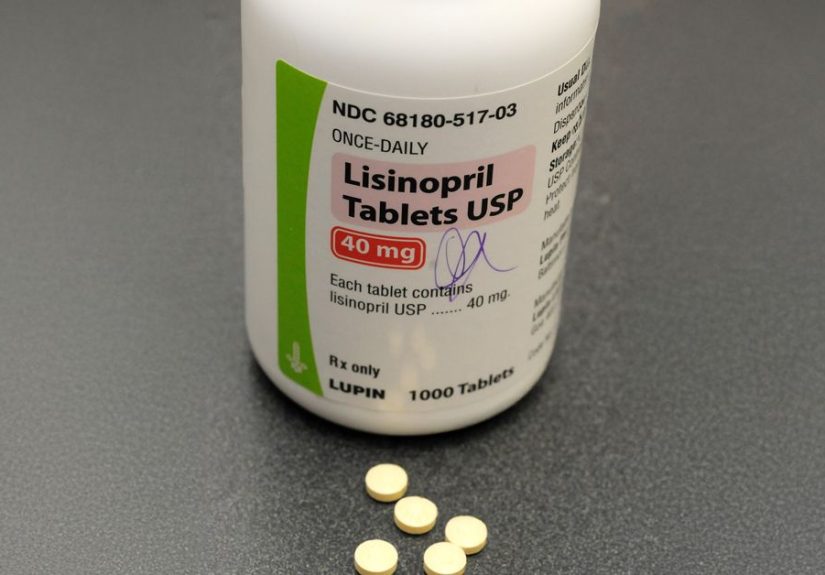
The medication is taken by mouth, usually once daily, though your exact dose depends on your condition, kidney function, other medications, and your doctor’s treatment plan. Common strengths include 2.5 mg, 5 mg, 10 mg, 20 mg, 30 mg, and 40 mg tablets. Some people take lisinopril alone, while others take it in a combination pill with hydrochlorothiazide, a diuretic often called a “water pill.”
Does Original Medicare Cover Lisinopril?
Original Medicare alone usually does not cover lisinopril when you pick it up at a retail pharmacy. Original Medicare includes Part A and Part B. Part A covers inpatient hospital care, and Part B covers doctor visits, outpatient services, preventive care, and certain medications given in clinical settings. But most self-administered prescription drugsthe kind you take at home from a bottle in your medicine cabinetare not covered by Original Medicare.
That means if you only have Original Medicare and no Part D plan, Medicare generally will not help pay for lisinopril at the pharmacy counter. You would usually pay the full cash price unless you use a pharmacy discount program, a low-cost generic program, or another form of assistance.
When Could Original Medicare Be Involved?
If you receive lisinopril while admitted as an inpatient in a hospital, it may be covered as part of your Part A hospital stay. In that case, you are not buying lisinopril as a normal outpatient prescription; it is part of your covered inpatient care. But once you go home and fill the prescription at a pharmacy, coverage normally shifts to Medicare Part D if you have it.
Does Medicare Part D Cover Lisinopril?
Yes, Medicare Part D plans commonly cover generic lisinopril. Part D is the part of Medicare designed to help pay for outpatient prescription drugs. You can get Part D in two main ways: through a stand-alone Medicare Part D prescription drug plan, or through a Medicare Advantage plan that includes prescription drug coverage, often called an MA-PD plan.
Each Part D plan has a formulary, which is simply the plan’s covered drug list. Formularies divide medications into tiers. Lower tiers usually include preferred generic drugs and tend to have lower copays. Higher tiers may include brand-name or specialty drugs with higher out-of-pocket costs.
Because lisinopril is available as a low-cost generic, many Medicare Part D plans place it on a preferred generic or generic tier. In practical terms, that often means a low copay, sometimes even $0 at preferred pharmacies. However, not every plan works the same way. One plan may charge nothing for a 30-day supply, another may charge a few dollars, and another may apply the deductible before coverage begins.
How Much Does Lisinopril Cost With Medicare?
The cost of lisinopril with Medicare varies by plan. Your final price may depend on several details, including your plan’s formulary tier, whether your deductible applies, whether you use a preferred pharmacy, whether you order a 30-day or 90-day supply, and whether you receive Extra Help.
For many beneficiaries, generic lisinopril is inexpensive. A typical Medicare Part D copay may be around $0 to $10 for a 30-day supply, though this is only a general example. Some people pay more if they have not met their deductible or if they use an out-of-network or non-preferred pharmacy. Others pay less because their plan treats lisinopril as a preferred generic.
In 2026, Medicare Part D has a maximum deductible limit and an annual out-of-pocket cap for covered Part D drugs. Once a person reaches the annual out-of-pocket threshold for covered medications, cost sharing for covered Part D drugs drops to $0 for the rest of the year. This cap matters more for people taking expensive medications, but it is still useful to know because lisinopril may be only one piece of a larger medication list.
Example: A Simple Lisinopril Cost Scenario
Imagine Linda has a Medicare Part D plan that lists lisinopril as a Tier 1 preferred generic. She fills a 30-day supply at a preferred pharmacy. Her plan charges a $2 copay. Not badless than a fancy coffee and significantly more useful for blood pressure.
Now imagine George has a different plan. His plan also covers lisinopril, but he uses a standard pharmacy instead of a preferred one. His copay is $7. Still affordable, but more than Linda pays. Same drug, different plan rules. Medicare enjoys keeping everyone humble.
Finally, imagine Carol has Original Medicare only and no Part D coverage. She takes her prescription to the pharmacy and discovers Medicare does not pay for the outpatient drug. She may still find a low cash price, but that payment usually will not count toward Medicare Part D out-of-pocket spending because she does not have Part D.
Does Medicare Advantage Cover Lisinopril?
Medicare Advantage may cover lisinopril if the plan includes prescription drug coverage. Many Medicare Advantage plans bundle hospital, medical, and drug coverage into one plan. These plans are often called Medicare Advantage Prescription Drug plans.
If your Medicare Advantage plan includes Part D drug coverage, lisinopril is usually handled through that drug benefit. You still need to check the plan formulary, pharmacy network, copay tier, and quantity limits. If your Medicare Advantage plan does not include drug coverage, you may not have help paying for lisinopril unless you have other coverage.
Is Brand-Name Lisinopril Covered?
Brand-name versions of lisinopril include Prinivil and Zestril. Medicare plans may cover the generic version more favorably than the brand-name version. In many cases, a plan may prefer generic lisinopril because it contains the same active ingredient and is generally much less expensive.
If your doctor writes the prescription for a brand-name version and your plan prefers the generic, your pharmacist may ask whether generic substitution is allowed. If there is a medical reason you need the brand-name drug, your prescriber may need to request a formulary exception or prior authorization. Without that approval, the brand-name medication may cost more or may not be covered at all.
What Plan Rules Can Affect Lisinopril Coverage?
Even when lisinopril is covered, Medicare drug plans may apply certain rules. These rules are not necessarily a sign that something has gone wrong. They are part of how prescription drug plans manage cost and safety.
Formulary Tier
The formulary tier determines your share of the cost. Generic lisinopril is often placed on a low-cost tier, but you should confirm this in your plan’s drug list. A lower tier usually means a lower copay.
Preferred Pharmacy Pricing
Many plans have preferred pharmacies where copays are lower. You may pay less at one pharmacy than another even when both pharmacies are in your plan’s network. For a medication you take every month, that small difference can add up over a year.
Quantity Limits
Some plans may limit how many tablets can be filled at one time. This does not usually prevent coverage; it simply means the plan may cover a standard 30-day or 90-day amount unless your doctor requests something different.
Prior Authorization
Prior authorization is not commonly a major obstacle for generic lisinopril, but it may appear in unusual circumstances, such as brand-name requests, nonstandard dosing, or certain plan-specific rules.
How to Check Whether Your Medicare Plan Covers Lisinopril
The best way to confirm coverage is to look up lisinopril in your plan’s formulary. You can do this through your plan’s website, your Medicare account, the Medicare Plan Finder, your plan’s customer service number, or by asking your pharmacist to run a test claim.
When checking coverage, be specific. Search for “lisinopril,” not just “blood pressure medication.” Confirm the dosage, quantity, pharmacy, and whether you want a 30-day or 90-day supply. If you take lisinopril-hydrochlorothiazide, search for that exact combination because it may have different pricing than lisinopril alone.
Can Extra Help Lower the Cost of Lisinopril?
Yes. Medicare Extra Help is a federal program that assists people with limited income and resources in paying Part D premiums, deductibles, and prescription costs. If you qualify, your out-of-pocket cost for generic medications like lisinopril may be very low.
Extra Help can be especially valuable if you take several medications. Even when one drug is inexpensive, five or six monthly prescriptions can turn into a grocery-bill-sized problem. Extra Help can reduce that pressure and make it easier to stay consistent with treatment.
Can You Use Coupons Instead of Medicare?
Sometimes, yesbut with important limits. Many pharmacy discount cards and coupon programs can show low cash prices for generic lisinopril. However, you generally cannot combine those discounts with Medicare Part D for the same prescription. You usually choose either your Medicare price or the discount cash price.
If the discount price is lower than your Part D copay, you may decide to pay cash. But remember: cash payments outside your Part D plan usually do not count toward your Part D deductible or annual out-of-pocket total. That may not matter much for a very cheap medication, but it can matter if you take other expensive covered drugs.
Safety Notes Before Taking Lisinopril
Lisinopril is widely used, but it is still a prescription medication and should be taken under medical supervision. Common side effects may include cough, dizziness, headache, tiredness, nausea, or weakness. Some people develop a persistent dry cough that makes them sound like they are politely trying to clear a room.
Serious side effects can occur, including swelling of the face, lips, tongue, or throat; trouble breathing; fainting; chest pain; or signs of kidney or liver problems. Lisinopril can also increase potassium levels, so you should talk to your doctor before using potassium supplements or salt substitutes containing potassium.
People who are pregnant or planning pregnancy should contact their doctor right away because ACE inhibitors like lisinopril can be harmful during pregnancy. Also tell your doctor about kidney disease, diabetes, dehydration, vomiting, diarrhea, or use of NSAIDs such as ibuprofen or naproxen.
Ways to Save Money on Lisinopril With Medicare
First, ask whether generic lisinopril is appropriate for you. For most people, the generic version is the cost-saving hero wearing very plain packaging. Second, compare preferred pharmacies in your plan’s network. A different pharmacy may offer a lower copay for the same drug.
Third, ask your doctor whether a 90-day supply is appropriate. Some plans offer lower per-month costs for 90-day fills, especially through preferred mail-order pharmacies. Fourth, review your Part D plan every year during Medicare Open Enrollment. Plans can change formularies, tiers, premiums, deductibles, and pharmacy networks from one year to the next.
Finally, apply for Extra Help if your income and resources may qualify. Many people miss out simply because they assume they will not be eligible. It is worth checking, especially if medication costs are becoming a monthly headache.
Common Questions About Medicare and Lisinopril
Is lisinopril covered by Medicare Part B?
Usually no, not when you pick it up as a regular outpatient prescription. Medicare Part B generally does not cover self-administered drugs like lisinopril. Coverage usually comes through Part D or a Medicare Advantage plan with drug coverage.
Is lisinopril a Tier 1 drug?
Often, yes. Many plans place generic lisinopril on a preferred generic tier, commonly Tier 1. However, tiers vary by plan, so you should always check your own formulary.
Will Medicare cover lisinopril-hydrochlorothiazide?
Many Part D plans cover the combination medication, but it may have different pricing or rules than lisinopril alone. Search your formulary for the full drug name.
What if my plan does not cover lisinopril?
If your plan does not cover your prescribed version, ask your doctor or pharmacist whether a covered alternative is appropriate. You or your prescriber can also request a formulary exception if there is a medical reason you need that specific medication.
Real-World Experiences With Medicare and Lisinopril
For many Medicare beneficiaries, lisinopril is one of those medications that quietly becomes part of the daily routine. It sits next to the coffee maker, the toothbrush, or the weekly pill organizer, doing its job without much fanfare. The real experience of taking lisinopril with Medicare is often less about the medicine itself and more about navigating plan details.
One common experience is the “pleasant pharmacy surprise.” A person enrolls in a Part D plan, brings in a lisinopril prescription, and expects a high price because, well, health care pricing has trained everyone to brace for impact. Instead, the pharmacist says the copay is $0, $1, or a few dollars. Generic blood pressure medications are often among the more affordable prescriptions under Medicare drug plans, and lisinopril frequently falls into that category.
Another common experience is the “same drug, different pharmacy” puzzle. A beneficiary may pay $8 at one pharmacy and later discover the same plan charges $0 or $2 at a preferred pharmacy across town. Nothing about the medication changed. The tablet did not receive a promotion. The difference came from the plan’s pharmacy network. This is why checking preferred pharmacies can be surprisingly powerful, especially for people taking several long-term medications.
Some people also discover that a 90-day supply is more convenient and sometimes cheaper per month. Instead of making twelve pharmacy trips a year, they make four. That may not sound exciting, but for someone managing blood pressure, arthritis, transportation challenges, or a calendar full of doctor appointments, fewer refill trips can feel like a small luxury. It also reduces the risk of running out because someone forgot to refill on time.
There are also frustrating experiences. A person may change Medicare plans and assume all their medications will work exactly as before. Then January arrives, and the new plan has a different formulary, a different pharmacy network, or a deductible that applies before the copay drops. This is why annual plan review matters. Lisinopril may remain inexpensive, but the total medication picture can change if the person also takes diabetes, cholesterol, inhaler, or anticoagulant medications.
Doctors and pharmacists often play a key role in smoothing out these bumps. If a brand-name version is too expensive, the pharmacist may ask whether generic substitution is allowed. If a patient experiences a persistent cough, the doctor may consider another blood pressure medication. If potassium levels or kidney function need monitoring, routine lab work may become part of the care plan. Medicare coverage helps with cost, but safe medication use still depends on communication.
The biggest lesson from real-world lisinopril use is simple: do not judge your Medicare drug coverage by the first price you see. Ask questions. Compare pharmacies. Check mail order. Review your plan each year. Tell your doctor if side effects appear. And if the medication is working well and affordable, celebrate the rare health care moment when something is both medically useful and budget-friendly.
Conclusion: So, Does Medicare Cover Lisinopril?
Medicare usually covers lisinopril if you have Medicare Part D or a Medicare Advantage plan with prescription drug coverage. Original Medicare by itself generally does not cover lisinopril when you fill it as an outpatient prescription. Because lisinopril is available as a generic, it is commonly covered at a low cost, often on a preferred generic tier.
Your exact cost depends on your plan, pharmacy, deductible, dosage, supply amount, and eligibility for Extra Help. The smartest move is to check your plan formulary, compare preferred pharmacies, and review your drug coverage every year. Lisinopril may be a small tablet, but the right Medicare plan can make a big difference in how easy and affordable it is to keep taking it.
Note: This article is for general educational purposes and should not replace advice from your doctor, pharmacist, Medicare plan, or licensed insurance professional. Medicare coverage and drug costs can change, so always verify current coverage with your specific plan before making medication or enrollment decisions.







 Close
Close