
Table of Contents >> Show >> Hide
- Why a White Painted Brick Fireplace Looks So Dramatically Different
- The Big Question: Should You Paint Brick at All?
- Paint vs. Whitewash vs. Limewash vs. German Schmear: Pick Your “White Brick” Personality
- Before You Start: Inspect Like a Pro (So Your Paint Doesn’t Fail)
- Prep Work That Makes the Result Look Expensive
- Choosing the Right White: Not All Whites Are Created Equal
- How to Paint a Brick Fireplace White Without Losing Character
- What You Shouldn’t Paint (or Should Treat Differently)
- Design Moves That Make the Transformation Look Even More Dramatic
- Maintenance: Keeping White Brick Looking Fresh
- Cost, Time, and “Worth It?”A Reality Check
- of Real-World Experiences: What People Learn After Painting Brick White
- Conclusion
A brick fireplace can be charmingright up until it starts giving “pizza parlor from 1994” when your actual vibe is more “bright, calm, I drink my coffee slowly now.”
If you’ve been staring at a dark, sooty, red-brick centerpiece that hijacks your whole living room, painting it white can feel like switching on the lights in your home’s personality.
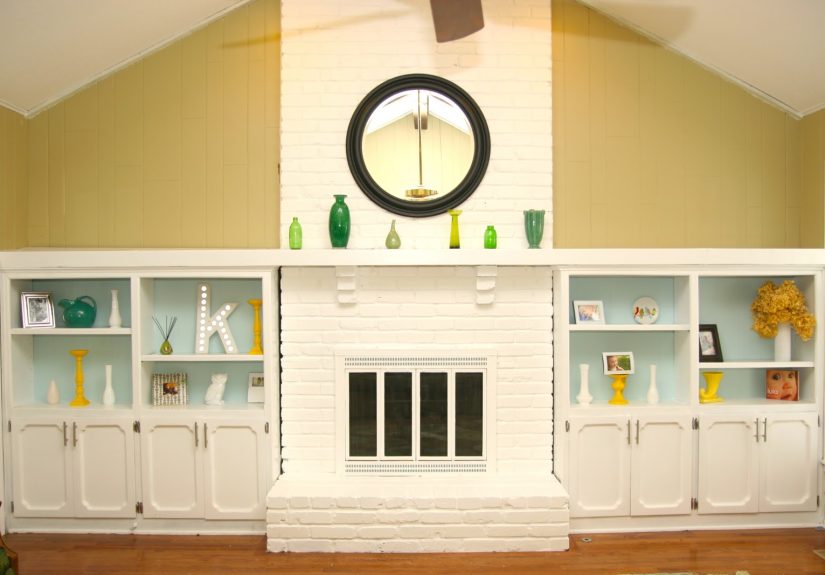
Done well, a white painted brick fireplace doesn’t just look cleanerit can make the entire room feel bigger, fresher, and way more intentional.
But here’s the thing: the dramatic results don’t come from the color alone. They come from the detailsprep, product choices, and knowing what to paint (and what to leave alone).
This guide breaks down the real-world pros and cons, the finish options you might like better than paint, and the steps that separate “gorgeous designer refresh” from “why is it peeling already?”
Why a White Painted Brick Fireplace Looks So Dramatically Different
It bounces light like a pro
Brick is textured and naturally shadowy. When it’s dark (or stained with years of soot), it absorbs light and visually “weighs down” the room.
Painting brick white flips that scriptwhite reflects light, which can make nearby walls feel brighter and the ceiling feel higher. It’s the closest thing to a room upgrade that doesn’t require a contractor or a second mortgage.
It keeps the texture but quiets the chaos
One reason people love painted brick is that you still get that cozy, imperfect texturejust without the loud color variation that can fight your furniture, rugs, and art.
White lets the brick read as a subtle architectural detail instead of a full-time attention seeker.
It plays well with basically every style
White brick can lean modern farmhouse, Scandinavian, transitional, coastal, traditionalyou name it.
Switch up the mantel, add a new screen, or style the hearth differently, and the fireplace can “change outfits” without you repainting every time your taste evolves.
The Big Question: Should You Paint Brick at All?
Painting brick is a commitment. It’s not like painting a wall where you can change your mind on a random Tuesday and repaint by dinner.
Brick is porous and textured; once paint gets into the nooks and crannies, going back to raw brick is difficult, expensive, and sometimes unrealistic.
There are also practical concerns. Brick needs to manage moisture. If the masonry is damp, damaged, or dealing with issues like efflorescence (that powdery white salt residue),
paint can trap moisture and contribute to peeling or deterioration over time. Interior fireplaces are typically lower risk than exterior brick, but the condition of the brick still matters.
So when is painting a smart move? Usually when the brick is structurally sound, fully dry, and you’re confident the current look is not coming back into your good graces.
If your fireplace is the one thing keeping your room stuck in the past, paint can be a practical, budget-friendly resetespecially if you do the prep right.
Paint vs. Whitewash vs. Limewash vs. German Schmear: Pick Your “White Brick” Personality
If you love the idea of lighter brick but get nervous about full-coverage paint, you’ve got options. Think of these finishes like levels of commitment:
“dating,” “exclusive,” and “married with a joint Costco membership.”
Paint (solid coverage)
- Look: Crisp, consistent, and modern; brick texture remains but color variation is mostly gone.
- Best for: Dramatic makeovers, hiding stains, matching trim and walls for a seamless look.
- Watch-outs: Hard to reverse; can chip/peel if the brick isn’t prepped and primed properly.
Whitewash (paint diluted with water)
- Look: Soft, washed, a little rustic; more brick shows through.
- Best for: “Brightened but still brick-y” results, especially in casual spaces.
- Watch-outs: Less uniform; you’ll see variation (which can be a feature or a bug, depending on your taste).
Limewash (mineral-based, breathable)
- Look: Matte, chalky, old-world; can be semi-transparent to opaque depending on coats.
- Best for: A natural, breathable finish that ages gracefully.
- Watch-outs: Limited color range; can scuff; may need refresh over years.
German schmear (mortar-based smear)
- Look: Textured, European cottage; mortar-heavy with lots of character.
- Best for: Deep texture and a dramatic, rustic statement.
- Watch-outs: Harder to DIY neatly; the “messy on purpose” look still needs control.
If your goal is truly dramatic results, solid paint usually delivers the biggest visual change fastest.
If your fear is commitment, start with a finish that lets brick show through, like whitewash or limewash, or test your tolerance on a less visible area first.
Before You Start: Inspect Like a Pro (So Your Paint Doesn’t Fail)
A fireplace is not just a wall featureit’s a heat-and-soot-adjacent zone. Before you paint, do a quick reality check:
- Is the brick crumbling or powdery? That can signal moisture or age-related deterioration.
- Do you see white, chalky deposits? Efflorescence can interfere with adhesion if not addressed.
- Any lingering soot smell or visible smoke staining? You’ll want deeper cleaning and a stain-blocking primer.
- Is your fireplace actively used? The surround and exterior face are typically paintable, but areas exposed to open flame require special consideration.
If you suspect chimney or venting problems, fix those first. Paint won’t solve smoke backdrafts, moisture intrusion, or a dirty flue. It will, however, highlight every stain you didn’t prep for.
(White is honest like that.)
Prep Work That Makes the Result Look Expensive
Prep is the difference between “smooth, editorial makeover” and “patchy craft project that haunts your living room.”
Brick is porous, dusty, and textured. It needs more than a quick wipe-down.
Step 1: Clean like you mean it
Start by vacuuming the brick face and mortar lines with a brush attachment to pull out dust and loose debris.
For grime and soot, use an appropriate cleaner/degreaser and scrub with a stiff brush. Rinse carefully and let the brick dry thoroughly.
Dry time matters because trapped moisture can sabotage primer and paint.
Step 2: Repair cracks and rough spots
Fill small cracks with a masonry crack filler. If mortar joints are severely deteriorated, consider repairing or repointing before painting.
Paint is not structural supportit’s the outfit, not the gym membership.
Step 3: Protect everything you don’t want “accidentally white”
Tape off walls, floors, mantel, and any adjacent surfaces. Cover the hearth or flooring with paper or plastic.
Brick texture encourages paint to splatter in creative directions, like it’s auditioning for modern art.
Step 4: Prime for adhesion and stain control
Primer is your best friend on brick, especially if there’s soot or uneven absorption.
A masonry or bonding primer helps paint adhere and prevents stains from bleeding through.
If the brick is heavily stained, a stain-blocking primer can be crucial for keeping your “clean white” from turning into “mysterious beige ghosts.”
Choosing the Right White: Not All Whites Are Created Equal
White paint is not just “white.” It can be warm, cool, creamy, gray-ish, or bright enough to wake up your neighbors.
The easiest way to avoid regret is to pick a white that matches the undertone of your room:
- Warm whites (creamy or slightly beige): Great with traditional decor, warm wood tones, and brass.
- Soft neutral whites (balanced undertones): The safest option if your palette is mixed.
- Cool whites (slight blue/gray): Best in modern spaces with cooler grays, crisp blacks, and chrome.
Finish matters, too. Flat can hide imperfections but is harder to wipe clean; satin, eggshell, and semi-gloss are easier to maintain.
Many homeowners land on satin or eggshell for a subtle sheen that cleans well without shouting “I AM PAINT.”
How to Paint a Brick Fireplace White Without Losing Character
The goal is coverage without filling in every bit of texture. You want brick to look like brickjust upgraded.
Use the right tools for the texture
- Angled brush: For mortar lines and edges.
- Thick-nap roller: Helps paint reach the texture without endless brushing.
- Optional “back-brush” technique: After rolling, lightly brush to push paint into crevices and even out pooling.
Apply thin, even coats
Brick often needs more than one coat because it absorbs paint differently across the face and mortar.
Multiple thin coats typically look smoother than one thick coat (which can drip, pool, and disguise texture).
Let each coat dry fully per product instructions before adding the next.
Don’t chase perfection in one pass
If you keep “fixing” spots as paint starts drying, you can create drag marks and uneven sheen.
Work in sections, keep a wet edge, and trust that the next coat will refine what the first coat started.
What You Shouldn’t Paint (or Should Treat Differently)
Most guidance agrees: the exterior face and surround are typically paintable with the right prep and products.
But the firebox interior (the part exposed to flame) is a different situation.
Areas exposed to open flame may require specialized high-heat productsor may be best left alone depending on your setup and manufacturer guidance.
- Do not paint active flame-exposed areas with regular wall paint.
- Do not paint gas logs, burner components, or anything mechanical.
- Check your fireplace type (wood-burning, gas, electric) and follow manufacturer recommendations.
If your fireplace includes metal doors, trims, or inserts, those often require different products than masonry.
Treat each material appropriately so your “dramatic result” doesn’t become “dramatic peeling.”
Design Moves That Make the Transformation Look Even More Dramatic
White brick is the foundation. The styling choices are where the “wow” really lands.
If you want your finished fireplace to look intentional (not just painted), consider one or two of these upgrades:
Update the mantel
A chunky wood mantel warms up white brick and adds contrast. A simple, clean-lined mantel leans modern.
Even repainting the existing mantel can sharpen the whole look.
Go darker inside the opening
A darker firebox area (when safe and appropriate for your fireplace type) can create depth and make the white brick pop.
This contrast is one reason white fireplaces photograph so wellyour eye gets a clear focal point instead of a sea of “same.”
Swap accessories for instant polish
A new screen, modern tool set, or upgraded fireplace doors can take the makeover from DIY to designer.
Matte black hardware looks crisp against white brick; brushed brass adds warmth and a little glam.
Style the hearth with restraint
White brick already brings texture. Keep hearth decor simple: a stack of logs in a clean holder, a tall vase, or a couple of layered frames.
Avoid clutterunless your goal is “gift shop energy,” in which case… carry on bravely.
Maintenance: Keeping White Brick Looking Fresh
Painted brick is easier to keep looking clean than raw, soot-stained brickbut it still lives near a fireplace, so it needs realistic care.
- Dust regularly so soot particles don’t build up in texture.
- Spot-clean gently with mild soap and a soft cloth or sponge.
- Avoid harsh abrasives that can burnish sheen unevenly or wear paint off high points.
- Keep touch-up paint labeled and stored; small chips are easiest to fix early.
If you use the fireplace often, you may see more discoloration over time near the opening.
That’s normal. It doesn’t mean the project failedit means your fireplace is doing fireplace things.
Cost, Time, and “Worth It?”A Reality Check
A white painted brick fireplace is popular for a reason: it delivers a high visual impact without requiring a full renovation.
Many homeowners complete it in a weekend, with most of the time going to cleaning, drying, priming, and waiting between coats.
Cost depends on your products and whether you hire help, but this is typically far less expensive than refacing with stone or tile.
If your room feels dark or dated, this makeover can deliver a return measured in daily enjoymentplus it can make your home feel more current to buyers who love bright, neutral interiors.
(Just remember: trends change, and paint is a long-term decision. Choose a white you truly like, not one you saw once on social media at 2 a.m.)
of Real-World Experiences: What People Learn After Painting Brick White
The funniest thing about a white painted brick fireplace is how quickly it becomes “the best decision ever” and “why didn’t I do this sooner” in the same sentence.
But the stories behind the dramatic before-and-after photos usually have a few plot twistsmostly involving soot, primer, and the discovery that brick has more opinions than anyone expected.
One common experience: the cleaning stage takes longer than the painting stage.
Homeowners often assume they’ll spend all day painting, then realize the brick has been quietly collecting dust and soot for yearsespecially in mortar joints.
The “I’ll just wipe it down” plan turns into vacuuming, scrubbing, rinsing, and then waiting for everything to dry. The upside? Once it’s clean and primed, the painting part feels surprisingly fastand the transformation is immediate.
Another frequent lesson is that the first coat looks disappointing.
People panic because the brick looks blotchy or pinkish or like it’s wearing a thin veil of white.
That’s normal. Brick absorbs unevenly and mortar behaves differently than the brick face.
The second coat is where the magic starts, and the third (if needed) is where it looks finished.
The folks who get the most dramatic results are the ones who trust the process and resist the urge to overwork drying paint.
Then there’s the “white choice” saga. Many homeowners sample one white and think, “Perfect!”
And then the sun moves, the lamps turn on, and suddenly the fireplace looks slightly blue, slightly yellow, or like it’s judging the rest of the room.
The best outcomes usually come from sampling a few whites and checking them in different lightingmorning, afternoon, and eveningbecause the fireplace is often a light magnet in the space.
A soft white can feel warm and classic; a crisp bright white can feel modern and bold. Both can be gorgeous, but they tell different stories.
People also report that painting brick white makes them notice everything else nearbyin a good way and a “well, now I guess I’m repainting the trim” way.
Once the fireplace is bright and fresh, dated mantel stains or mismatched wall colors stand out more.
Some homeowners love that domino effect because it helps them finish a room thoughtfully.
Others prefer to keep it simple: white brick, updated screen, a few clean accessories, and done.
The most satisfied DIYers tend to share one final takeaway: primer is not optional.
If the brick has any history of soot staining, skipping primer can lead to yellowing or shadowy bleed-through later.
If the brick is dusty or slightly chalky, skipping primer can lead to adhesion issues.
Using the right primer upfront makes the finish look smoother, cleaner, and more “professionally done,” even if the painter was youwearing sweatpantstelling yourself this is “relaxing.”
In the end, the dramatic results aren’t just about changing brick from red to white. They’re about changing how the whole room feels.
When the fireplace stops dominating the space and starts complementing it, the room feels calmer, brighter, and more currentlike your home took a deep breath and decided to be the best version of itself.
Conclusion
A white painted brick fireplace can deliver one of the most dramatic, budget-friendly transformations in a homeespecially when the brick is dated, dark, or visually overwhelming.
The keys are honest evaluation (is the brick sound and dry?), thorough prep (cleaning and priming), and smart choices (the right white, the right finish, the right “don’t paint that part” boundaries).
Do it thoughtfully, and your fireplace goes from “background problem” to “centerpiece you actually like,” which is a pretty great glow-up for a pile of bricks.







 Close
Close