
Table of Contents >> Show >> Hide
- What “Dry Needle Therapy” Actually Means (and Why It’s Called “Dry”)
- The Target: Trigger Points (a.k.a. “That Knot That Won’t Shut Up”)
- So… How Does Dry Needling Work?
- What a Dry Needling Session Looks Like
- What Conditions Is Dry Needling Used For?
- Dry Needling vs. Acupuncture: Same Needle, Different Mission
- Is Dry Needling Safe?
- How to Find a Qualified Dry Needling Provider (Without Playing “Needle Roulette”)
- How to Get the Most Out of Dry Needling
- Quick FAQs
- Real-World Experiences: What Dry Needle Therapy Feels Like (and What People Commonly Notice)
- Conclusion
If you’ve ever had a “mystery knot” in your shoulder that feels like it’s holding a tiny grudge, you’ve already met the kind of problem
dry needling is built for. Dry needle therapy (often called dry needling or trigger point dry needling) is a technique used by
trained healthcare providerscommonly physical therapiststo help reduce certain types of muscle pain and improve how you move.
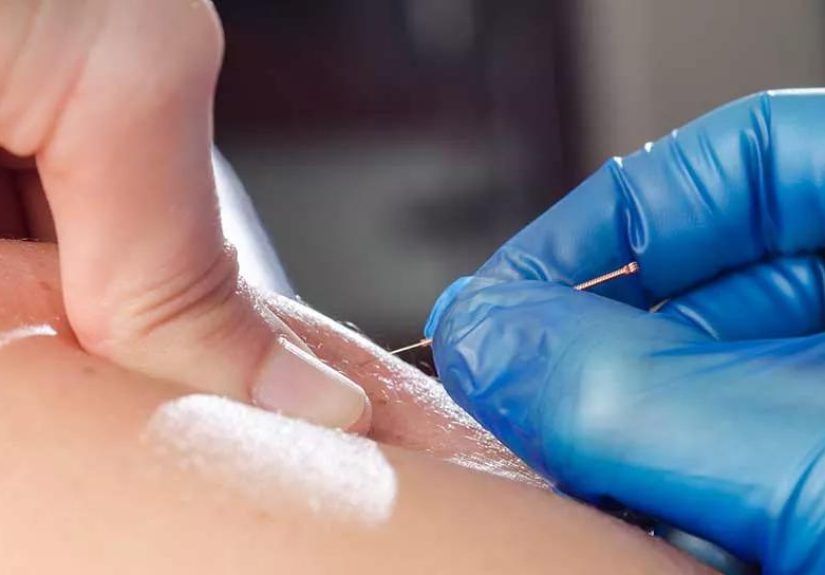
And yes, it involves needles. But before your imagination starts writing a horror movie, here’s the vibe: these are very thin, sterile, solid
needles (no medication, no injections). The goal isn’t “poke for fun.” It’s to calm down cranky, overprotective muscle tissue and the irritated
pain signals that can come with it. Think: a reset button for a muscle that’s stuck buffering.
What “Dry Needle Therapy” Actually Means (and Why It’s Called “Dry”)
“Dry” simply means no fluid is injected. Unlike a shot (which uses a hollow needle to deliver medication), dry needling typically
uses a solid, filiform needle that goes into the skin and, depending on the technique, into muscle or nearby tissue.
No numbing medicine, no steroidsjust a needle and a plan.
Providers use it as part of a bigger rehab strategy to address neuromusculoskeletal pain and movement impairments.
Translation: pain and dysfunction involving muscles, joints, and nervesespecially when tight muscle bands and trigger points are involved.
The Target: Trigger Points (a.k.a. “That Knot That Won’t Shut Up”)
Dry needling often focuses on myofascial trigger pointstender, tight spots in a taut band of muscle that can hurt when pressed.
Sometimes they hurt right where they are; sometimes they create referred pain (pain that shows up somewhere else, because bodies
love being confusing).
Trigger points can show up after injury, repetitive motion, heavy training, prolonged sitting, stress, or just being a human who uses a body
every day. When a muscle stays guarded for too long, it can become sensitive and less cooperativelike a coworker who has decided they’ve “done enough”
for the week.
So… How Does Dry Needling Work?
Dry needling works through a mix of mechanical and neurological effects. Researchers are still refining the full story, but here’s the practical,
evidence-informed version of what seems to be happening:
1) A “Local Twitch Response” Can Help a Muscle Let Go
When the needle hits an irritable spot in a tight band of muscle, the muscle may briefly contract or “twitch.” That’s called a
local twitch response. It’s not dangerousit’s more like the muscle saying, “Okay, okay, I got the message.”
Clinically, that twitch can be useful because it may reduce the muscle’s protective tension and sensitivity, and help restore more normal muscle
function. Not every session produces a twitch, and not every technique aims for onebut when it happens, it’s often considered a sign the target tissue
was engaged.
2) It May Turn Down the Volume on Pain Signals
Pain isn’t only about tissueit’s also about how your nervous system interprets input. Dry needling may influence pain through
neurological “modulation”: changing how strongly nerves fire and how the spinal cord and brain process pain signals.
That’s one reason some people report feeling “lighter” or freer to move after treatment, even if the area is a bit sore later.
3) It Can Improve Local Blood Flow and Tissue Chemistry
Tight, irritated muscle tissue may have reduced circulation and altered local chemistry. Needling a trigger point can stimulate the area and may
help improve blood flowbringing oxygen and nutrients in and helping the tissue calm down. Some medical systems describe dry needling as a way to
decrease muscle tightness and encourage more normal tissue behavior.
4) It’s Often the “Door-Opener” for Better Movement
Here’s the part that gets lost on social media: dry needling is usually not meant to be a standalone miracle. It’s commonly used to make
exercise therapy, mobility work, and retraining movement patterns easier and more effective. If pain is blocking motion,
dry needling can sometimes lower that barrier so you can actually do the rehab that creates lasting change.
What a Dry Needling Session Looks Like
Dry needling sessions vary by provider, body region, and goal, but the flow is usually pretty consistent:
Before: Assessment and a Game Plan
A qualified provider should evaluate your symptoms, movement, and potential trigger points. You should also be asked about medical history,
medications, bleeding risks, and comfort level with needles. (If the vibe is “surprise needle!”you’re allowed to vote “nope.”)
During: Quick Insertions, Specific Targets
The provider cleans the skin and inserts thin needles into specific muscles or trigger points. Some techniques use brief insertions; others keep the
needles in place for a short time (it can range from seconds to several minutes depending on the approach and area).
Sensations vary. You might feel a small prick, pressure, a dull ache, or that quick twitch. It’s not supposed to be “white-knuckle” pain.
If it feels sharp, alarming, or wrong, you tell your providerimmediately.
After: Soreness Is Common, and It’s Usually Temporary
The most common side effect reported is temporary soreness during or after treatment. Other minor effects can include stiffness,
fatigue, or bruising near the insertion site. Most people can return to normal activities, but your provider may recommend hydration, gentle movement,
or light stretching afterward.
What Conditions Is Dry Needling Used For?
Dry needling is mainly used for musculoskeletal pain and movement problems tied to trigger points and muscle tension. Common examples
include:
- Neck pain and upper-trap/shoulder tension
- Low back pain (often as part of a full rehab program)
- Headache patterns linked to neck muscle trigger points (in appropriate cases)
- Shoulder pain and mobility issues (as an add-on to exercise-based care)
- Calf/foot pain patterns such as plantar fasciitis (evidence varies by case and protocol)
- Sports-related muscle tightness and overuse irritation
Important nuance: evidence is mixed depending on the condition, technique, and what it’s compared to. Many studies show
short-term improvements in pain for certain problems (especially trigger-point-driven pain), while other outcomes (like long-term
disability change) can be modest. The best results tend to show up when dry needling is paired with a solid plan: strengthening, mobility, and
movement retraining.
Dry Needling vs. Acupuncture: Same Needle, Different Mission
Dry needling and acupuncture can look similar because both use thin needles. But they’re based on different frameworks:
-
Dry needling is typically rooted in Western anatomy and pain science. The targets are often myofascial trigger points and
dysfunctional tissue related to movement. -
Acupuncture comes from Traditional Chinese Medicine frameworks and may use different point selection strategies, though modern
acupuncture also includes biomedical interpretations.
In real life, the most useful question isn’t “Which is superior?” It’s: Which approach matches your condition, your preferences, and your provider’s expertise?
You’re allowed to choose the one that makes sense for your body and your brain.
Is Dry Needling Safe?
When performed by a properly trained provider using sterile technique, dry needling is generally considered low-risk, but it is still an invasive
procedureso it has real risks.
Common (Usually Mild) Side Effects
- Soreness during or after treatment
- Minor bruising or bleeding at the insertion site
- Temporary stiffness or fatigue
- Occasional lightheadedness (especially if you don’t love needles)
Rare but Serious Risks (Worth Knowing, Not Panicking About)
Serious complications are uncommon, but can include infection (if sterile technique isn’t used) andvery rarelyinjury to deeper structures depending on
where the needling is performed. This is why training, anatomy knowledge, and careful technique matter, especially near the rib cage and lungs.
Who Should Be Extra Cautious?
Your provider should screen you, but in general, extra caution is needed if you have:
- A bleeding disorder or you’re on blood-thinning/antithrombotic medication (not always a “no,” but it may change technique)
- An active infection or compromised immune system
- Pregnancy (depends on area and clinical reasoningask your OB/provider)
- Significant needle phobia or trouble communicating discomfort
How to Find a Qualified Dry Needling Provider (Without Playing “Needle Roulette”)
Because rules and training requirements vary by state and profession, you want to be intentional. Start with licensed providers who can explain
their training and how dry needling fits into your overall care plan.
Smart Questions to Ask
- What training and certification have you completed in dry needling?
- How many hours of education did it involve, and do you do continuing education?
- Is dry needling permitted for your profession in this state?
- What are the risks for the area you plan to needle, and how do you reduce them?
- What will we do after needling to make results stick (exercises, mobility, retraining)?
A provider who welcomes these questions is a green flag. A provider who acts offended by them is… also a flag. Just not the kind you want.
How to Get the Most Out of Dry Needling
If you want dry needling to be more than a temporary “ahh, relief” moment, treat it like the opening actnot the whole concert.
Consider these strategies:
- Pair it with exercise: strengthening and mobility work help maintain gains.
- Use the window: after a session, movement may feel easierpractice better mechanics while it’s available.
- Track real outcomes: pain is one metric; also track sleep, function, range of motion, and activity tolerance.
- Communicate clearly: tell your provider what helped, what flared, and what you felt during/after.
Quick FAQs
Does dry needling hurt?
It can be uncomfortable, but it shouldn’t be intolerable. Many people feel a quick prick or deep ache, and sometimes a brief twitch. Mild soreness
afterward is common and usually temporary.
How many sessions do you need?
It depends on the condition, how long it’s been present, and what else you’re doing (exercise, posture changes, training modifications).
Some people notice improvement quickly; others need multiple sessions as part of a broader rehab plan.
Is it “proven”?
Research supports dry needling for certain types of trigger-point-related pain, often showing short-term improvements. For other conditions,
results are smaller or mixed. The best evidence tends to support dry needling as an adjuncta helpful add-onrather than a solo fix.
Real-World Experiences: What Dry Needle Therapy Feels Like (and What People Commonly Notice)
Let’s talk about the part people actually Google at 1:00 a.m.: “What does dry needling feel like?” Because no one wants a surprise experience,
especially one involving needles.
Experience #1: The “Wait… that’s the spot” moment.
Many people describe the first few needle insertions as “not a big deal,” followed by a very specific sensation when the provider reaches a trigger point:
a deep ache, pressure, or a weirdly accurate “Yep, that’s my pain” feeling. It’s not always sharp painmore like someone finally found the tiny, hidden
button that controls your muscle’s drama settings.
Experience #2: The twitch that startles you (but isn’t scary).
If your muscle twitches, it can feel surprisinglike your body briefly did its own sound effect: “Boop.” People often say, “I didn’t even know my body
could do that.” The twitch is usually quick, and your provider will typically warn you it might happen. (If they don’t, you can request a heads-up.
You’re the customer here.)
Experience #3: Immediate ease… followed by next-day “gym sore.”
A common pattern is feeling looser right after the sessionlike your shoulder dropped away from your ear for the first time in monthsthen waking up the
next day with soreness that feels similar to a tough workout. People often describe it as “good sore” rather than “injury sore.” Still, you should tell
your provider if soreness feels intense, lasts more than a couple days, or changes how you move in a bad way.
Experience #4: The mental relief of having a plan.
This one doesn’t get enough credit. For some patients, dry needling is the first time a provider explains trigger points, movement patterns, and why
pain can refer to other locations. That understanding alone can lower anxiety and help people feel more in control. It’s not “all in your head,” but
your brain absolutely matters in painand clarity is powerful.
Experience #5: It works best when you do the “boring stuff” too.
People who report the most lasting improvement often share a similar storyline: dry needling helped reduce pain enough to let them do the exercises.
Then the exercisesstrengthening, mobility, posture and movement retraininghelped the results stick. In other words, dry needling can open the door,
but you still have to walk through it. (Annoying, yes. Effective, also yes.)
Experience #6: It’s not for everyoneand that’s normal.
Some people don’t like needles, don’t feel much difference, or prefer other treatments like manual therapy, massage, acupuncture, or exercise-only plans.
That doesn’t mean they “failed” dry needling. It means they learned what their body responds to. Rehab is often a process of testing, adjusting, and
choosing the safest tools that actually help you.
If you’re considering dry needle therapy, the best “experience hack” is simple: choose a qualified provider, ask questions, and make sure the plan
includes what happens after the needlebecause that’s where long-term results usually live.
Conclusion
Dry needle therapy is a modern, anatomy-based technique that targets trigger points and irritated muscle tissue to help reduce pain and improve movement.
It may work by creating a local muscle response, influencing pain signaling, and improving tissue behaviorespecially when used alongside a bigger
physical therapy plan. Like any tool, it’s not magic, and it’s not for everyone. But in the right hands, for the right problem, it can be a practical
bridge between “I can’t move without pain” and “I can finally do the rehab that fixes this.”







 Close
Close