
Table of Contents >> Show >> Hide
- Why Use a Sponge to Apply Foundation?
- Easy Ways to Apply Foundation with a Sponge: 11 Steps
- Step 1: Start with Clean Skin
- Step 2: Moisturize Before Foundation
- Step 3: Use Primer Only Where You Need It
- Step 4: Wet the Sponge, Then Squeeze It Well
- Step 5: Put Foundation on the Back of Your Hand or a Palette
- Step 6: Dot Foundation onto the Center of the Face
- Step 7: Bounce, Do Not Drag
- Step 8: Build Coverage in Thin Layers
- Step 9: Blend the Jawline, Hairline, and Neck
- Step 10: Press Over Problem Areas Instead of Adding More Product
- Step 11: Set Strategically with Powder or Spray
- Best Sponge Techniques for Different Foundation Finishes
- Common Mistakes When Applying Foundation with a Sponge
- How to Clean and Store Your Makeup Sponge
- Choosing the Right Sponge for Foundation
- Extra Experience: Real-Life Lessons from Applying Foundation with a Sponge
- Conclusion
Applying foundation with a sponge looks easyuntil your face somehow ends up with one smooth cheek, one patchy cheek, and a forehead that appears to be auditioning for a completely different makeup look. The good news? A makeup sponge is one of the most beginner-friendly tools for creating soft, even, natural-looking coverage. The even better news? You do not need a professional makeup chair, studio lights, or a celebrity glam team whispering “blend, darling” over your shoulder.
A damp foundation sponge can help liquid and cream foundation melt into the skin, soften texture, reduce streaks, and build coverage without looking heavy. The trick is not simply owning the sponge. The trick is using it correctly: dampening it, squeezing out the extra water, applying foundation in thin layers, bouncing instead of dragging, and cleaning the sponge often enough that it does not become a tiny, egg-shaped science project.
This guide breaks down exactly how to apply foundation with a sponge in 11 simple steps, with practical tips for dry skin, oily skin, combination skin, textured skin, full coverage, natural coverage, and those mysterious nose corners where foundation seems to vanish for sport.
Why Use a Sponge to Apply Foundation?
A makeup sponge is loved because it creates a soft-focus finish. Unlike some brushes that can leave streaks, a sponge presses foundation into the skin in tiny, even layers. This makes it especially useful when you want your foundation to look like skin, not like frosting on a cupcakeunless cupcake face is your chosen aesthetic, in which case, live boldly.
Sponges work well with liquid foundation, cream foundation, skin tints, tinted moisturizers, concealer, cream blush, and even setting powder. The rounded side covers larger areas like cheeks and forehead, while the pointed tip reaches under the eyes, around the nose, and near the mouth. A flat edge, if your sponge has one, can help press product along the jawline or apply powder with precision.
Easy Ways to Apply Foundation with a Sponge: 11 Steps
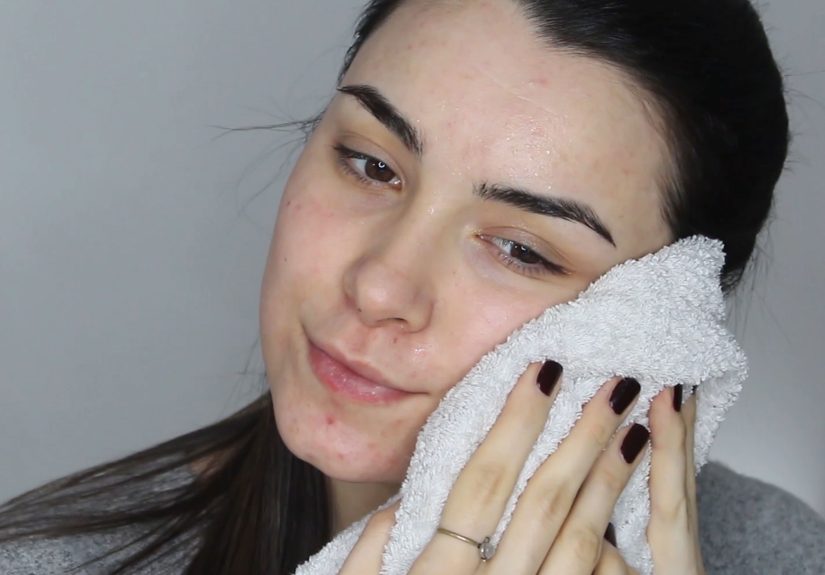
Step 1: Start with Clean Skin
Foundation always behaves better on clean skin. Before applying makeup, wash your face with a gentle cleanser suited to your skin type. This removes oil, sweat, sunscreen residue, and leftover product that can make foundation slide around or cling unevenly.
Think of your face like a wall before painting. If the wall has dust, old tape, and mystery fingerprints on it, the paint will not look smooth. Skin is more glamorous than drywall, thankfully, but the principle is the same.
Step 2: Moisturize Before Foundation
Moisturizer helps foundation spread evenly and prevents dry patches from grabbing pigment. If your skin is dry, choose a richer moisturizer and give it a few minutes to sink in. If your skin is oily, use a lightweight gel or oil-free moisturizer. Skipping moisturizer because your skin is oily can backfire, because dehydrated skin may produce even more oil later.
Let your skin care settle for a short moment before applying foundation. If you apply foundation while moisturizer is still slippery, your base may move around like it has somewhere else to be.
Step 3: Use Primer Only Where You Need It
Primer is optional, not a legal requirement. Use it strategically. A smoothing primer can help around visible pores or texture. A gripping primer can help makeup last longer. A hydrating primer can help dry skin look fresher. A mattifying primer can reduce shine on the T-zone.
You do not need to cover your entire face with primer unless your skin benefits from it. For many people, primer works best in targeted zones: nose, chin, forehead, or cheeks. Apply a thin layer and avoid piling on too much, because too many layers under foundation can lead to pilling.
Step 4: Wet the Sponge, Then Squeeze It Well
This is the step that separates a smooth foundation day from a “why does my makeup look like a topographic map?” day. Run your makeup sponge under clean water until it expands. Then squeeze out the excess water. For best results, wrap it in a clean towel or paper towel and squeeze again.
The sponge should be damp, not dripping. A damp sponge helps foundation blend more smoothly and prevents the sponge from absorbing too much product. A soaking wet sponge can sheer out foundation too much or make it separate. The goal is soft and bouncy, not “rescued from a swimming pool.”
Step 5: Put Foundation on the Back of Your Hand or a Palette
Instead of pumping foundation directly onto the sponge, place a small amount on the back of your clean hand, a makeup palette, or a clean dish. This gives you more control over how much product you use. It also helps warm the foundation slightly, which can make it easier to blend.
Start with less foundation than you think you need. You can always add more, but removing too much foundation after it has settled is like trying to take chocolate chips out of a baked cookie. Technically possible? Maybe. Worth it? Absolutely not.
Step 6: Dot Foundation onto the Center of the Face
Use your finger or the sponge to place small dots of foundation on the center of your face: around the nose, inner cheeks, chin, and forehead. Most people need the most coverage near the center of the face, where redness, discoloration, and uneven tone often appear.
By starting in the center and blending outward, you avoid creating a heavy foundation line near the hairline and jaw. The outer edges of the face usually need less product, so this method creates a more natural fade.
Step 7: Bounce, Do Not Drag
The most important sponge technique is bouncing. Press the sponge gently against your skin, lift it, and press again. This tapping motion blends foundation without wiping it away. Dragging or rubbing can create streaks, lift skin care underneath, and make coverage patchy.
Use the rounded side of the sponge for cheeks, forehead, and chin. Use the pointed tip around the nose, under the eyes, and around the mouth. Keep your hand light. You are applying foundation, not tenderizing a steak.
Step 8: Build Coverage in Thin Layers
If you want more coverage, add another thin layer only where needed. This is the secret to natural-looking foundation. Instead of applying one thick coat over your entire face, build coverage in targeted areas: redness around the nose, blemishes, dark spots, or uneven patches.
Thin layers last better, look smoother, and are easier to fix. Thick layers can crease, separate, or emphasize texture. A sponge is perfect for this because it naturally diffuses product as you tap.
Step 9: Blend the Jawline, Hairline, and Neck
Foundation should not stop suddenly at your jaw like it hit a property line. Use the sponge to blend foundation down toward your jawline and slightly onto your neck if needed. Also tap around the hairline and ears so there is no visible edge.
If your foundation shade is a close match, blending the edges takes only a few seconds. If your foundation is noticeably different from your neck, blending helpsbut the real fix is choosing a better shade or mixing two shades. Your sponge can do many things, but it cannot perform color theory miracles before breakfast.
Step 10: Press Over Problem Areas Instead of Adding More Product
If foundation looks cakey, streaky, or heavy, do not immediately add more. First, use the clean side of your damp sponge to press over the area. This can pick up excess product and smooth the finish. For dry patches, lightly press with the sponge instead of rubbing. For oily areas, let the foundation settle before adding powder.
A clean bounce can rescue many foundation mistakes. It softens edges, removes extra product, and makes the finish look more skin-like. In makeup terms, this is basically the “undo” button, except cuter and shaped like an egg.
Step 11: Set Strategically with Powder or Spray
Once foundation looks even, set it based on your skin type and desired finish. If you have oily skin, use a small amount of translucent powder on the T-zone, chin, and under the eyes. If you have dry skin, use powder sparingly or skip it in areas that look fresh and smooth. If you want a longer-lasting finish, apply setting spray after powder.
You can even use your damp sponge to press a small amount of loose powder into areas that crease or shine. This technique works especially well around the sides of the nose and under the eyes. Use a tiny amount first. Powder is helpful; too much powder is where glow goes to retire.
Best Sponge Techniques for Different Foundation Finishes
For Natural Everyday Coverage
Use one pump or a pea-sized amount of foundation. Dot it only where you need coverage, then bounce outward with a damp sponge. Keep the outer edges sheer. This method works well for school, work, errands, or any day when you want people to say, “Your skin looks nice,” not “Your foundation has entered the room.”
For Full Coverage
Use a medium-to-full coverage foundation and apply in thin layers. Let the first layer settle for a minute, then add more only where needed. Use the sponge to press rather than sweep. Full coverage looks best when built slowly, especially around textured areas.
For Dewy Skin
Prep with moisturizer or a hydrating primer. Use a damp sponge and avoid over-powdering. After foundation, press the sponge lightly over the high points of the face to keep the finish fresh. A dewy look should appear healthy and polished, not greasy enough to signal passing aircraft.
For Matte Skin
Use a lightweight moisturizer, a mattifying primer where needed, and a foundation designed for oil control. Apply with a damp sponge, then set the T-zone with powder. A sponge can help matte foundation look less flat by keeping the application smooth and even.
Common Mistakes When Applying Foundation with a Sponge
Using the Sponge Dry with Liquid Foundation
A dry sponge may absorb more foundation and make blending harder. For liquid and cream formulas, dampening the sponge usually gives a smoother, more even result.
Leaving the Sponge Too Wet
A dripping sponge can break up foundation or make coverage disappear. After wetting it, squeeze it thoroughly with a clean towel until it feels damp and plush.
Rubbing Instead of Bouncing
Rubbing can move foundation around instead of blending it. Tap, press, and bounce. Your sponge should make gentle contact with the skin, not scrub like it is cleaning a pan.
Using Too Much Foundation at Once
Too much product can look cakey and settle into lines. Start small and build. The sponge will help blend, but it cannot hide a foundation landslide.
Forgetting to Clean the Sponge
Makeup sponges collect foundation, oil, dead skin cells, and moisture. Clean your sponge regularly with mild soap or a sponge cleanser, rinse well, squeeze out water, and let it air-dry in an open, clean area. Do not store a wet sponge in a sealed bag or dark drawer, unless your goal is to open a tiny spa for bacteria.
How to Clean and Store Your Makeup Sponge
Wash your sponge with warm water and gentle soap or a dedicated sponge cleanser. Massage the cleanser into the sponge, squeeze repeatedly, and rinse until the water runs clear. Avoid twisting too hard because that can tear the sponge. Press it in a clean towel to remove moisture, then let it dry completely in a ventilated spot.
If your sponge smells odd, has dark spots, tears apart, or never seems clean no matter how much you wash it, replace it. A good sponge should feel soft and springy, not suspicious. Many makeup users replace sponges every few months, but the timing depends on how often you use and clean them.
Choosing the Right Sponge for Foundation
Look for a sponge that feels soft, expands when wet, and has a shape that fits your routine. A teardrop sponge is versatile because the rounded base covers large areas and the pointed tip reaches small spaces. A sponge with a flat edge is helpful for pressing foundation along the jaw, applying contour, or setting powder.
Latex-free sponges are common and may be better for people with latex sensitivity. Texture also matters. A sponge that is too firm may stamp product unevenly, while a very porous sponge may absorb too much foundation. The best sponge is the one that blends your foundation smoothly and feels comfortable on your skin.
Extra Experience: Real-Life Lessons from Applying Foundation with a Sponge
The first lesson many people learn is that the sponge must be damp, but not wet enough to write a weather report. When the sponge is properly dampened, it grows larger, feels softer, and bounces across the skin instead of dragging. The finish becomes smoother almost instantly. When it is too wet, foundation can thin out too much and separate around the nose or mouth. When it is too dry, the sponge may drink your foundation like it just crossed a desert. The sweet spot is a sponge that feels cool, soft, and barely moist to the touch.
Another useful experience is learning that foundation does not need to go everywhere in the same amount. The center of the face usually needs more attention than the edges. Applying most of the product around the nose, cheeks, and chin, then blending outward, gives a more realistic finish. This also prevents the dreaded foundation mask, where the face and neck appear to be in a disagreement.
People with dry skin often get the best sponge results when they spend more time on skin prep than on foundation itself. A gentle exfoliation routine, moisturizer, and a short waiting period before makeup can make foundation sit more smoothly. If foundation clings to flaky areas, adding more foundation usually makes the problem louder. Pressing with a damp sponge, using less powder, and choosing a hydrating formula can make a big difference.
For oily skin, the experience is different. A sponge can still create a beautiful finish, but long wear depends on smart layering. Lightweight moisturizer, thin foundation layers, and targeted powder usually work better than one heavy matte layer. Pressing powder into the T-zone with the sponge can help control shine without making the whole face look flat. The goal is controlled radiance, not a face so matte it looks like printer paper.
Another lesson: the nose is the final boss of foundation. Product loves to separate there because the nose has curves, pores, oil, and constant movement from touching, glasses, tissues, and life in general. Use very little foundation on the nose. Bounce with the pointed tip of the sponge, then set lightly with powder if needed. If foundation keeps breaking apart, try using less skin care underneath that area or switching primer formulas.
Under the eyes, less is also more. Many people use the pointed end of the sponge to blend concealer after foundation. The trick is to apply a small amount of concealer only where darkness appears, then tap gently. Too much product under the eyes can crease, especially when set with too much powder. A sponge helps sheer the product and press it into place without tugging.
One practical habit that improves everything is keeping one side of the sponge cleaner during application. Use one area to apply foundation and another area to soften edges or pick up extra product. This makes it easier to correct heavy spots without adding more makeup. If a cheek looks cakey, tap over it with the cleaner side of the damp sponge. The excess product lifts slightly, and the finish becomes smoother.
Lighting matters too. Foundation that looks flawless in bathroom lighting may look different near a window. After applying foundation with a sponge, check your face in natural light if possible. Look at the jawline, hairline, nose, and around the mouth. These areas reveal whether your blending is truly finished or whether your foundation is quietly plotting betrayal.
Finally, cleaning the sponge changes both skin comfort and makeup performance. A clean sponge blends better, smells better, and feels better on the face. Old foundation trapped inside a sponge can make fresh makeup apply unevenly. Washing the sponge after use or at least several times a week is not glamorous, but neither is discovering that your beauty tool has developed its own personality. Treat your sponge well, and it will reward you with smoother foundation days.
Conclusion
Applying foundation with a sponge is one of the easiest ways to create a smooth, natural, and polished base. The formula matters, but technique matters just as much. Start with clean, moisturized skin. Use a damp sponge, not a dripping one. Apply foundation in thin layers, bounce instead of drag, and build coverage only where you need it. Blend the edges carefully, set strategically, and keep your sponge clean so your skin and makeup both stay happier.
With a little practice, a sponge can turn foundation from a stressful guessing game into a reliable part of your routine. And once you master the bounce, you may never look at streaky foundation the same way again.







 Close
Close