
Table of Contents >> Show >> Hide
- Why Silicone Lube Clings to Fabric Like It Pays Rent
- Before You Start: Two Quick Rules That Save Sheets
- What You’ll Need
- Easy Ways to Clean Silicone Lube from Sheets: 9 Steps
- Step 1: Strip the Bed and Isolate the Mess
- Step 2: Scrape, Then Blot (Don’t Rub)
- Step 3: Cover the Spot With Powder to Absorb the Slick Stuff
- Step 4: Brush Off the Powder (Repeat Once if Needed)
- Step 5: Pretreat With Dish Soap or Strong Liquid Detergent
- Step 6: Rinse With the Warmest Water the Fabric Allows
- Step 7: Machine Wash the Right Way
- Step 8: Air Dry and Inspect Like a Detective
- Step 9: If It’s Still There, Use the “Stubborn Stain” Escalation Plan
- Fabric-Specific Tips (Because Not All Sheets Are Created Equal)
- Common Mistakes That Make Silicone Lube Stains Worse
- Quick “Two-Minute Save” If You Can’t Deal With All 9 Steps Right Now
- FAQ
- Conclusion
- Bonus: of Real-Life “Laundry Experience” Notes (So You Feel Less Alone)
Silicone lube is the MVP of glide… and the undefeated champion of “why is my bedding still slippery after I washed it?” If you’ve ever
stripped the bed, stared at a shiny spot on your sheets, and considered sleeping on a towel foreverwelcome. You’re among friends.
The good news: you can absolutely get silicone-based lube out of sheets without sacrificing your entire laundry room to the Stain Gods.
The trick is treating it like an oil/grease stain, avoiding heat until you’re sure it’s gone, and using the right kind of cleaning power
(hint: surfactants are your new besties).
Why Silicone Lube Clings to Fabric Like It Pays Rent
Silicone-based lubricants are designed to be water-resistant, long-lasting, and slippery. That’s great for their intended job… and annoying
for laundry. Water alone doesn’t dissolve silicone oils well, so a regular wash can leave behind a slick “film” that laughs at your detergent.
That’s why the method below uses a one-two punch: absorb the excess, then break up what’s left with grease-cutting cleaners.
Before You Start: Two Quick Rules That Save Sheets
- Don’t use the dryer (or high heat) until the spot is fully gone. Heat can set oily stains and make the residue harder to remove.
- Check the care label. Hot water is helpful for oily stains, but not every fabric loves it (hello, shrinkage and sad elastic).
What You’ll Need
You probably already have most of this at home. Pick what matches your fabric and stain severity:
- Paper towels or clean rags (for blotting)
- A dull edge (old credit card, spoon) for scraping
- Cornstarch or baking soda (oil absorbers)
- Dish soap (grease cutter) or a strong liquid laundry detergent
- Soft brush or old toothbrush (gentle scrubbing)
- Warm/hot water (as fabric allows)
- Optional: white vinegar (for pretreat support), oxygen bleach for whites
- Optional: rubbing alcohol (spot treatmentuse with care and a patch test)
Easy Ways to Clean Silicone Lube from Sheets: 9 Steps
-
Step 1: Strip the Bed and Isolate the Mess
Remove the sheet and keep the stained section away from other bedding so you don’t transfer slick residue. If the lube is fresh,
keep the spot dry at firstadding water too early can spread the oil-like stain into a wider “halo.” -
Step 2: Scrape, Then Blot (Don’t Rub)
Use a spoon or credit card edge to lift any excess product off the surface. Then blot with paper towels or a rag. Rubbing pushes
silicone deeper into fibers, which is basically the opposite of what we’re going for. Think “lift,” not “massage it into the cotton.” -
Step 3: Cover the Spot With Powder to Absorb the Slick Stuff
Sprinkle a generous layer of cornstarch or baking soda over the stain. Let it sit for 15–30 minutes (longer if the spot is heavy).
These powders act like tiny sponges, pulling oil-like residue out of the fabric.Pro tip: If you’re working with a satin weave or anything delicate, keep it gentleno aggressive grinding, no “scrub like you’re
sanding a deck.” -
Step 4: Brush Off the Powder (Repeat Once if Needed)
Shake or brush off the powder. If it looks clumpy or darkened, that’s a winyour powder absorbed material. For bigger spills,
do a second round of powder before moving on. -
Step 5: Pretreat With Dish Soap or Strong Liquid Detergent
Apply a small amount of dish soap directly to the spot and gently work it in with your fingers. Dish soap is made to break up grease
on dishes, which is why it’s so effective as a spot treatment for oily stains on fabric.Prefer laundry detergent? A high-quality liquid detergent can also work wellespecially those designed for stain removal. Either way,
let the pretreat sit for 5–10 minutes. This dwell time matters: it gives surfactants time to surround and lift oily residue.Important: Use dish soap for spot treatingnot as your main “detergent replacement” for the whole wash load. Too much can over-suds
and be difficult to rinse out fully. -
Step 6: Rinse With the Warmest Water the Fabric Allows
Rinse from the back of the fabric (the underside) so you push residue out instead of driving it deeper. For oily stains, warm or hot water
is often more effective than coldif your sheet’s care label allows it. If your sheets are delicate, stick with warm water and patience. -
Step 7: Machine Wash the Right Way
Wash the sheet in the warmest safe water setting with a quality laundry detergent. A few helpful settings:
- Extra rinse if available (helps remove any remaining slickness).
- Heavy soil or deep water options can help flush residue from fibers.
- For white sheets, oxygen bleach can help with lingering discoloration (follow label directions).
Skip fabric softener for this load. Softener can coat fibers, and you’re already fighting a “coating situation.” Don’t add a second coat.
-
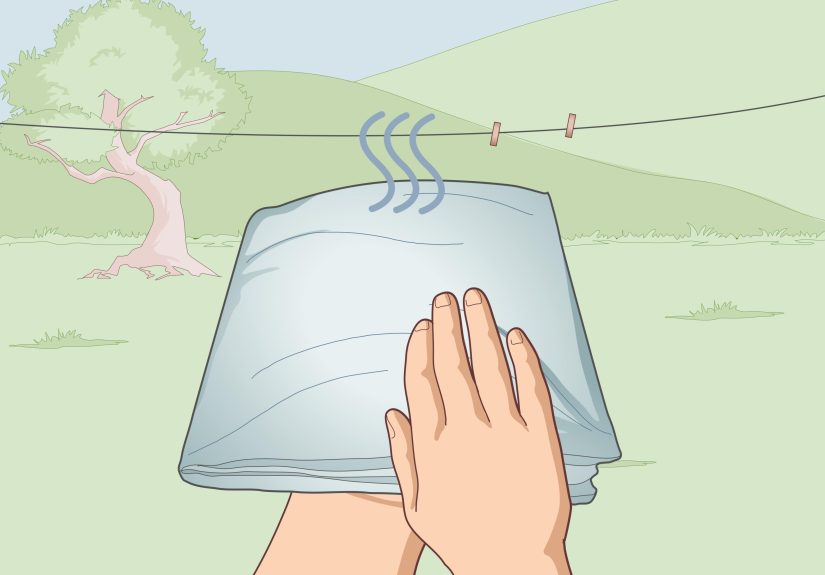
Step 8: Air Dry and Inspect Like a Detective
Do not toss the sheet into the dryer right away. Air dry first, then check the stain area in good light. If it still looks darker,
feels slick, or shows a faint ring, treat again. Heat can lock in oily residue and turn “almost fixed” into “permanent souvenir.” -
Step 9: If It’s Still There, Use the “Stubborn Stain” Escalation Plan
If you still feel slipperiness after one round, don’t panic. Silicone stains can take repetition. Try this escalation in order:
- Repeat powder + dish soap: Absorb first, then pretreat again.
- Try a vinegar pre-dab: Lightly dab a small amount of white vinegar on the spot, rinse, then apply dish soap and wash (patch test first).
-
Rubbing alcohol (carefully): For sturdy fabrics like cotton or some synthetics, dab a small amount on a cloth and blot the stain.
Patch test first, avoid delicate fabrics, and rinse well before washing. - Consider professional cleaning for silk, wool, “dry clean only,” or anything you’d cry over.
Fabric-Specific Tips (Because Not All Sheets Are Created Equal)
Cotton, Percale, and Flannel
These usually respond well to the full routine: powder + dish soap + warm/hot wash (if the label allows). Cotton absorbs oils quickly,
so acting fast really helps.
Microfiber and Polyester Blends
Synthetics may look “fine” at first but can hold onto oily residue. Extra rinse cycles help. Avoid high dryer heat until you’re sure the
slick feel is gone.
Satin, Bamboo, or Delicate Weaves
Use a softer touch: blot, powder, gentle pretreat, warm water (not hot), and minimal brushing. If the fabric is prone to water marks,
treat the smallest area possible and rinse evenly.
Common Mistakes That Make Silicone Lube Stains Worse
- Rubbing instead of blotting (pushes residue deeper).
- Drying too soon (sets oily stains with heat).
- Using dish soap as your main wash detergent (too many suds, harder rinse-out).
- Skipping the powder step (you miss the easiest chance to pull out excess).
- Not checking the care label (hot water is greatuntil it shrinks your fitted sheet into a doll-sized hammock).
Quick “Two-Minute Save” If You Can’t Deal With All 9 Steps Right Now
If you’re exhausted, it’s late, and your bed is giving you “sleep here or else” vibes:
- Blot excess.
- Cover with cornstarch/baking soda for 20 minutes.
- Brush off and apply a small amount of dish soap.
- Rinse and wash. Air dry and re-check.
FAQ
Will silicone lube permanently stain sheets?
Most of the time, noespecially if you treat it like a grease stain and avoid heat until it’s gone. The risk goes up if it’s been dried
in the dryer or left for a long time without pretreatment.
Can I use stain remover sprays?
Many stain removers work best when they have surfactants and enough dwell time. They can help, but silicone often responds fastest to
the powder-absorb + dish soap pretreat combo.
Why do my sheets still feel slippery after washing?
Usually it’s leftover silicone residue or too much soap not fully rinsed. Use an extra rinse, avoid overdosing products, and repeat the
absorb + pretreat steps before washing again.
Conclusion
Cleaning silicone lube from sheets isn’t hardit’s just weirdly specific. (Like folding a fitted sheet or explaining TikTok to your parents.)
The winning formula is simple: blot, absorb, pretreat, wash smart, and avoid heat until you’ve confirmed success.
With this 9-step routine, you can rescue your bedding and get back to sleeping like a person who definitely has their life together.
Bonus: of Real-Life “Laundry Experience” Notes (So You Feel Less Alone)
The first time most people deal with silicone lube on sheets, the reaction is usually a three-part drama:
(1) “It’s fine, I’ll just wash it,” (2) “Why is it still slippery?” and (3) “Is my washing machine now permanently haunted?”
Here are a few real-world scenarios that come up again and againand what actually helps.
Scenario 1: The Midnight Cleanup Sprint. You notice the spot, but you’re too tired to do a whole science project.
The best “lazy-but-effective” move is powder + dish soap. Sprinkle cornstarch or baking soda, wait while you do your bedtime routine,
then brush it off and add a tiny amount of dish soap. Even if you don’t wash immediately, this reduces how much silicone sinks deeper overnight.
It’s like putting a lid on the mess until you can deal with it tomorrow.
Scenario 2: The “I Already Dried It” Panic. This is the moment you learn dryer heat is not your friend.
People often report that the stain looks faint after washing, so they dry itand then it reappears as a darker shadow.
If that happens, don’t toss the sheet. Go back to a stronger pretreat (dish soap worked in gently, longer dwell time),
and repeat. It can take a couple rounds, but you’re not doomedyou’re just doing laundry on “hard mode.”
Scenario 3: The Fancy Sheets Dilemma. Satin, bamboo blends, and delicate weaves are great… until you have to scrub anything.
The biggest lesson here is that aggression is not a strategy. Blot more than you think you need to. Let powder do the heavy lifting.
Use gentle brushing, and rinse evenly. People who go full toothbrush-jackhammer on delicate fabric often end up with texture damage that
looks worse than the original stain.
Scenario 4: The “Why Is Everything Slippery?” Load. Sometimes the spot is small, but the whole load comes out feeling a bit slick.
That usually means there was enough silicone (or product) to spread, or the rinse wasn’t thorough. The fix is boring but effective:
wash again with the right detergent amount and add an extra rinse. It’s also a reminder to spot-treat firstbecause putting untreated silicone
straight into a wash can turn one stain into a “lightly greased blanket situation.”
Scenario 5: The Tiny Spot That Won’t Quit. These are the ones that make people question reality.
A small, faint ring can be the hardest because it’s easy to miss and easy to “accidentally” set with heat.
The best tactic is patience: powder, pretreat, wash, air dry, repeat. If you’re tempted to keep adding more and more soap,
pauseoverdoing products can make rinsing harder. More isn’t always better; better is better.
If you take nothing else from these laundry war stories, take this: silicone lube stains are beatable, but they reward the calm,
methodical approach. Blot. Absorb. Pretreat. Wash. Check. Repeat if needed. And congratulationsyou are now officially the kind of person
who knows more about surfactants than they ever expected.





 Close
Close