
Table of Contents >> Show >> Hide
- What Is SAVE by Katarina Hall?
- The Design Story: Secrets, Abandoned Houses, and the Poetry of Storage
- Key Pieces in the SAVE Collection
- Materials and Aesthetic: Painted Wood Meets Pine Planks
- Why SAVE Still Feels Relevant Today
- How SAVE Inspires Modern Home Decorating
- Who Will Love the SAVE Design Philosophy?
- Practical Styling Ideas Inspired by SAVE
- Safety and Sustainability Considerations
- Experiences Related to Furniture: SAVE by Katarina Hall
- Conclusion
Some furniture politely holds your socks. Some furniture hides your unpaid bills before guests arrive. And then there is SAVE by Katarina Hall, a furniture collection that treats storage as something far more poetic: a place for secrets, memories, small treasures, and the slightly mysterious emotional clutter we all pretend we do not have.
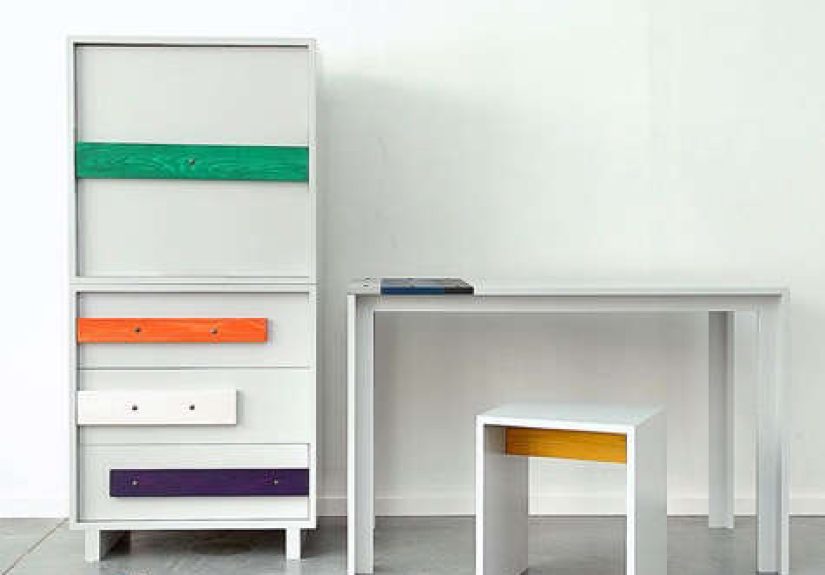
Designed by Swedish designer Katarina Häll, often written in English-language design coverage as Katarina Hall, SAVE is a thoughtful series of painted wood furniture that includes a chest of drawers, closet, desk, and stool. At first glance, the pieces feel clean, quiet, and Nordic. Look longer, though, and the collection begins to whisper. Its pine planks do more than serve as structure or handles; they become concealed boxes, tiny private compartments where a person might tuck away letters, photographs, keepsakes, or objects too personal for ordinary storage.
That is the charm of SAVE. It is not just about putting things away. It is about deciding what deserves to be saved.
What Is SAVE by Katarina Hall?
SAVE is a furniture series built around the human need for secrecy, memory, and personal space. Rather than treating cabinets and drawers as boring household utilities, Katarina Hall turns them into quiet storytelling devices. The collection draws inspiration from abandoned houses in Swedenplaces with barred doors, bolted windows, hidden corners, and the suggestion that something meaningful may still be waiting inside.
The pieces are made with a calm visual language: painted wooden frames, pine planks, simple lines, and functional forms. But the genius lies in the second layer. Those planks are not merely decorative boards. They act as secret boxes, giving the furniture a double life. One life is visible and practical. The other is private and emotional.
In a world where much of modern home design seems obsessed with displaying everythingopen shelves, glass cabinets, “shelfies,” curated stacks of coffee table booksSAVE gently argues for the opposite. It says some things should not be styled for Instagram. Some things should be kept close, hidden well, and remembered only when the owner decides.
The Design Story: Secrets, Abandoned Houses, and the Poetry of Storage
The emotional foundation of SAVE comes from an image many people understand: an old house that appears closed from the outside but feels alive with stories. Abandoned homes often have an uncanny pull. They make us wonder who lived there, what was left behind, and what secrets sit under floorboards or behind locked doors. Hall translates that atmosphere into furniture without turning it into a gimmick.
The result is furniture that feels restrained but not cold. SAVE does not shout, sparkle, or wave a neon sign that says, “Look, I have secret compartments!” Instead, it behaves like a well-mannered guest at dinner who happens to have a fascinating past. Its mystery is built into the form.
Why the Theme of Secrecy Works
Storage furniture is usually judged by capacity. How many sweaters can fit? Can it swallow a printer? Will it hide the terrifying cable nest behind the router? SAVE asks a more interesting question: what kind of storage makes a person feel emotionally connected to an object?
That question matters because the most successful furniture is rarely just useful. It becomes part of a person’s daily rhythm. A desk is where plans begin. A drawer is where letters rest. A closet is where the practical self and private self meet every morning. By adding hidden compartments, SAVE gives ordinary routines a small ritual. Opening a secret place is different from opening a normal drawer. It feels intentional, almost ceremonial.
Key Pieces in the SAVE Collection
The SAVE collection includes several furniture types, each with a distinct household role. Together, they form a family of pieces that could live in a bedroom, hallway, office, or living room. They are not loud statement furniture, but they are memorable because they invite interaction.
The Chest of Drawers
The chest of drawers is perhaps the most natural expression of the SAVE concept. A dresser is already associated with private life: clothing, personal items, bedside necessities, old birthday cards, and the single mysterious key no one can identify but everyone is afraid to throw away. Hall’s version deepens that intimacy through concealed spaces embedded in the planked structure.
In a bedroom, this kind of furniture works beautifully because it balances utility with emotional warmth. It can store everyday garments in the obvious drawers while protecting keepsakes in the hidden sections. It is practical, but it also gives the owner a tiny sense of adventure before breakfast, which is more than most dressers can claim.
The Closet
The closet in the SAVE series expands the idea of secrecy on a larger scale. Closets already carry a strong symbolic charge. They hold what we present to the world: coats, shirts, shoes, uniforms, and favorite outfits. Adding secret compartments to a closet gives it an extra layer of privacy. It becomes not only a place for clothing but also a keeper of personal history.
For homes without built-in storage, a freestanding closet can be a powerful design solution. SAVE makes that solution feel less like a compromise and more like a narrative object. It stands in the room with presence, offering organization without sacrificing character.
The Desk
A desk is where work meets thought. It holds laptops, notebooks, pens, chargers, and, if we are being honest, coffee cups that should have been washed yesterday. The SAVE desk adds another dimension: a place for ideas that are not ready to be public.
Secret storage in a desk feels especially fitting. Writers, designers, students, and remote workers all know the value of a private stash: sketches, drafts, receipts, sentimental notes, or a chocolate bar reserved for emergencies. A secret compartment can make a desk feel personal rather than purely task-oriented.
The Stool
The stool is the most playful member of the collection. Small furniture often gets underestimated, but a stool can be remarkably versatile. It can serve as seating, a side table, a plant stand, a bedside surface, or a decorative accent. When combined with hidden storage, it becomes a compact object with surprising usefulness.
In small apartments, pieces like this are golden. A stool that does more than one job is not just clever; it is survival with better posture.
Materials and Aesthetic: Painted Wood Meets Pine Planks
SAVE’s material language is simple but meaningful. The painted wooden frames create a soft, controlled presence, while the pine planks bring texture, warmth, and an architectural rhythm. Pine is a humble material, often associated with cabins, utility, and Scandinavian interiors. In Hall’s hands, it becomes both structural and symbolic.
The contrast between the clean frame and the more rustic planking gives the furniture its tension. It feels refined but not precious, modern but not sterile. That balance is important. If the pieces were too polished, the story of abandoned houses might disappear. If they were too rough, they might feel like props from a haunted attic. SAVE lands in the sweet spot: poetic, usable, and just mysterious enough.
Why SAVE Still Feels Relevant Today
Although SAVE emerged years before today’s obsession with multifunctional furniture reached full speed, it feels surprisingly current. Modern homes are smaller, busier, and more flexible than ever. People need furniture that can store more, adapt better, and still look beautiful. But they also want homes that feel personal, not like a showroom where every basket has been emotionally decluttered by a professional with perfect handwriting.
SAVE fits this moment because it combines three major design priorities: smart storage, natural materials, and emotional resonance.
1. Hidden Storage Is More Useful Than Ever
Hidden storage has become a major theme in interior design because clutter is the enemy of calm. Storage beds, benches with lift-up seats, side tables with drawers, and wall-mounted cabinets all respond to the same problem: everyday life comes with stuff. The trick is not pretending we own nothing. The trick is giving everything a place to land.
SAVE approaches hidden storage with more imagination than most. Instead of simply adding bigger compartments, it creates secret ones. That makes the furniture useful for small objects that need a dedicated, protected home: jewelry, letters, passports, old photos, tiny collections, or personal mementos.
2. Emotional Durability Matters
Furniture lasts longer when people care about it. That sounds obvious, but it is a design principle worth taking seriously. A cheap cabinet may be replaced the moment it chips. A meaningful cabinet may be repaired, moved, refinished, and carried into the next home with dramatic speeches about “not leaving it behind.”
SAVE encourages emotional durability by giving the owner a reason to form a bond. The furniture becomes tied to memory. It holds not only objects but also stories. That emotional connection can make a piece feel less disposable and more like a companion.
3. Scandinavian Design Has Evolved Beyond Minimalism
Scandinavian furniture is often summarized as clean, functional, and simple. That is true, but it can also be incomplete. The best Nordic design often carries warmth, craft, and human feeling beneath its restraint. SAVE is a strong example of that richer interpretation.
It is minimal, yes, but not empty. It is functional, yes, but not boring. It uses simplicity as a surface under which memory can hide. That is far more interesting than another plain cabinet whose main personality trait is “beige.”
How SAVE Inspires Modern Home Decorating
Even if you cannot buy the original SAVE furniture today, its ideas can inspire the way you choose and style furniture in your own home. The lesson is not to fill every room with secret compartments like a spy movie set. Although, frankly, that does sound fun. The deeper lesson is to choose furniture that supports both daily function and personal meaning.
Choose Storage That Matches Real Habits
Before buying a dresser, cabinet, desk, or bench, ask what you actually need to store. Do you need deep drawers for sweaters? Narrow drawers for papers? A closed cabinet for electronics? A hidden tray for valuables? Furniture should solve real problems, not imaginary ones invented in a showroom under flattering lighting.
Leave Room for Private Objects
Not every meaningful item needs to be displayed. A home can feel personal even when its most important objects are hidden. In fact, private storage can make a room feel calmer because it separates emotional value from visual noise.
Inspired by SAVE, consider keeping a small box or drawer for objects that matter: handwritten notes, travel tokens, family photos, small heirlooms, or anything that would look unimpressive to a stranger but priceless to you.
Use Natural Texture to Add Warmth
The pine planks in SAVE show how natural materials can soften a clean design. If your room feels too sleek, bring in wood grain, woven baskets, linen, leather, or handmade ceramics. Texture gives minimalist spaces a pulse. Without it, a room can start to feel like a very polite airport lounge.
Mix Utility with Mystery
A room becomes more memorable when not everything is immediately obvious. A cabinet with unusual handles, a desk with a sliding panel, a bench with hidden storage, or a vintage trunk used as a coffee table can add intrigue. The goal is not clutter; the goal is curiosity.
Who Will Love the SAVE Design Philosophy?
SAVE is especially appealing to people who want their furniture to do more than behave. It is ideal for design lovers who appreciate Scandinavian restraint but crave a little emotion. It also speaks to anyone who enjoys smart storage, personal rituals, vintage houses, family memories, or furniture with a quiet wink.
Collectors may admire its conceptual depth. Small-space dwellers may appreciate its hidden functionality. Writers and artists may love the idea of a desk that protects unfinished thoughts. Sentimental people may simply enjoy having a beautiful place to keep the things they cannot explain throwing away.
Practical Styling Ideas Inspired by SAVE
To bring the SAVE mood into a modern home, begin with a simple wood storage piece and style around it with restraint. Let the furniture have breathing room. Use a neutral wall color, soft lighting, and one or two meaningful decorative objects nearby. Avoid overcrowding the top surface. Mystery works best when it is not surrounded by seventeen candles and a ceramic mushroom army.
In a bedroom, pair a wood dresser with linen bedding, a small framed photograph, and a low-glow lamp. In an entryway, use a cabinet to hide keys, gloves, mail, and seasonal accessories while keeping the top clean. In a home office, choose a desk with drawers or compartments that separate active work from personal archives.
The SAVE philosophy also pairs well with vintage furniture. Older pieces often come with marks, repairs, and stories. A vintage chest, secretary desk, or wooden cabinet can echo Hall’s interest in memory and hidden interiors, especially when used thoughtfully rather than treated as merely decorative.
Safety and Sustainability Considerations
Any discussion of storage furniture should include safety. Tall dressers, closets, and cabinets should be anchored properly, especially in homes with children. Beautiful furniture is wonderful; beautiful furniture that stays upright is considerably better.
Material choices also matter. When buying new furniture, look for durable construction, responsibly sourced wood, low-emission finishes, and repairable components when possible. The most sustainable furniture is often the piece that remains useful and loved for many years. SAVE reminds us that design longevity is not only about strong joints and good materials. It is also about emotional attachment.
Experiences Related to Furniture: SAVE by Katarina Hall
Living with furniture inspired by the SAVE concept changes the way you think about storage. Most of us are trained to see storage as a battle: us versus clutter, drawers versus chaos, baskets versus the mysterious pile on the chair. But SAVE suggests a gentler approach. Instead of asking, “How do I hide all this stuff?” it asks, “What deserves a special place?”
Imagine placing a SAVE-inspired dresser in a quiet bedroom. The first week, you might use it normally. Socks in one drawer, sweaters in another, maybe a heroic attempt to keep T-shirts folded. But then you discover the value of a private compartment. Suddenly, the furniture is not just part of the room; it becomes part of your routine. You might use the hidden space for a letter from someone important, a photo from a trip, a childhood object, or a small notebook of ideas. The act of storing becomes more thoughtful.
That experience can be surprisingly grounding. In an age where so many memories live on phones, clouds, and apps that demand passwords you forgot three years ago, physical keepsakes carry a different kind of comfort. A printed photo tucked into a secret drawer feels more intimate than an image buried in a camera roll between screenshots of recipes and parking signs.
The SAVE idea also works beautifully for people who move often. Apartments change. Roommates change. Wall colors change, usually after someone says, “This will only take one weekend,” which is how all home improvement legends begin. But a meaningful furniture piece can create continuity. It becomes a portable anchor. Wherever it goes, it carries a small archive of personal history.
For families, secret storage can become a shared ritual. A parent might keep birthday letters for a child inside a hidden compartment, adding one every year. A couple might store travel mementos there: train tickets, shells, tiny maps, museum stubs, or that one receipt from a restaurant where the food was terrible but the evening was perfect. Over time, the furniture becomes a quiet witness to life.
For creative professionals, the SAVE philosophy offers another benefit: mental separation. A desk with private storage can hold unfinished sketches, drafts, rejected ideas, or inspiration scraps. Not every idea is ready for the main drawer. Some need a hiding place where they can mature without being judged by daylight or email notifications.
In practical terms, SAVE-inspired furniture encourages better editing. When space feels special, you become more selective about what goes inside it. You stop saving every random object and begin saving the right ones. That is a healthier kind of organization than simply buying more bins. Bins are useful, yes, but they do not automatically create meaning. Sometimes they just give clutter a matching outfit.
The best experience related to SAVE is the feeling that furniture can be both functional and soulful. It can hold sweaters and secrets. It can support daily life while protecting private memory. It can be quiet, useful, and still a little magical. That is why Katarina Hall’s SAVE continues to feel relevant: it understands that a home is not only a place where we arrange objects. It is a place where we keep pieces of ourselves.
Conclusion
Furniture: SAVE by Katarina Hall is more than a design curiosity. It is a thoughtful reminder that storage can be emotional, poetic, and deeply personal. Through painted wood, pine planks, hidden compartments, and inspiration drawn from abandoned Swedish houses, SAVE transforms everyday furniture into a keeper of secrets. Its chest, closet, desk, and stool prove that functional design does not have to be soulless. A well-made object can organize a room while also protecting memory, identity, and mystery.
For today’s homes, the SAVE philosophy feels especially valuable. We need furniture that works hard, saves space, lasts longer, and still makes us feel something. Whether you are furnishing a small apartment, refreshing a bedroom, or searching for pieces with more character, SAVE offers a beautiful lesson: the best furniture does not simply store what we own. It helps us decide what we truly want to keep.





 Close
Close