
Table of Contents >> Show >> Hide
- Gas vs. Electric Stoves: The Quick Expert Verdict
- How Gas Stoves Work
- How Electric Stoves Work
- Cooking Performance: Which Stove Feels Better?
- Indoor Air Quality: The Biggest Modern Difference
- Energy Efficiency: Electric Usually Wins, Induction Wins Bigger
- Installation: What Your Home Already Has Matters
- Cost: Which Stove Is Cheaper?
- Safety: Flames, Hot Surfaces, and Unattended Cooking
- Cleaning and Maintenance
- Which Stove Is Better for Renters?
- Which Stove Is Better for Homeowners?
- Gas Stove Pros and Cons
- Electric Stove Pros and Cons
- Expert Buying Advice: How to Choose the Right Stove
- Real-Life Experiences: What It Feels Like to Cook on Gas vs. Electric
- Conclusion: So, Should You Choose Gas or Electric?
- SEO Tags
Choosing between a gas and electric stove used to feel simple: serious cooks wanted flames, budget shoppers picked electric, and everyone else inherited whatever was already sitting in the kitchen. Today, the decision is a little more interesting. Experts now compare gas and electric stoves across cooking performance, energy use, indoor air quality, installation cost, safety, cleaning, and long-term home value. In other words, the humble stove has become the kitchen’s most dramatic applianceright after the refrigerator that makes mysterious noises at 2 a.m.
So, which is better: gas or electric? The honest expert answer is: it depends on how you cook, how your kitchen is wired, how much ventilation you have, and whether you value instant flame control, easy cleaning, lower indoor emissions, or a lower upfront price. This guide breaks down gas vs. electric stoves in plain English, with practical advice you can actually use before buying, remodeling, or finally replacing that burner that only works when it feels emotionally supported.
Gas vs. Electric Stoves: The Quick Expert Verdict
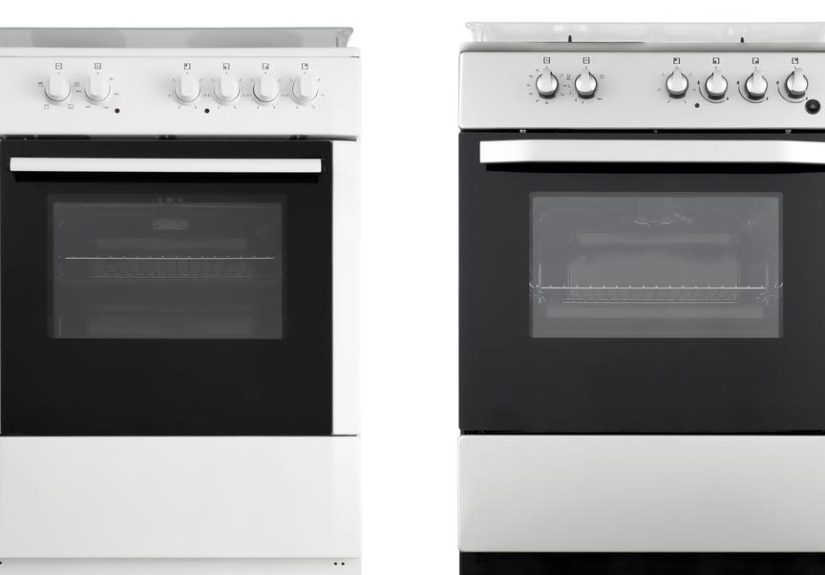
Experts generally agree that gas stoves offer excellent visual heat control and fast temperature changes, while electric stoves are often easier to clean, simpler to install in many homes, and avoid combustion emissions inside the kitchen. Newer electric options, especially induction ranges, have also changed the conversation because they heat quickly, respond precisely, and use energy more efficiently than traditional electric coil or radiant smoothtop models.
If you love wok cooking, charring peppers, or adjusting heat by sight, gas may still feel familiar and satisfying. If you want a smooth surface, fewer indoor air pollutants from combustion, and modern features like bridge elements, rapid boil zones, or induction cooking, electric may be the smarter long-term choice.
How Gas Stoves Work
A gas stove burns natural gas or propane through burners. When you turn the knob, fuel flows to the burner and ignites, creating an open flame. The flame heats the pan directly, while some heat escapes around the cookware and into the room. That escaping heat is one reason kitchens with gas ranges can feel warm quickly, especially during long cooking sessions.
Gas burners are popular because they are responsive. Turn the knob down, and the flame shrinks immediately. Turn it up, and you can see the heat increase. Many cooks enjoy that visual feedback because it makes the appliance feel intuitive. There is no guessing whether the burner is still hot; if there is a flame, dinner is happening.
How Electric Stoves Work
Electric stoves use electricity to heat a cooking element. Traditional coil stoves use exposed metal coils. Radiant smoothtop ranges hide heating elements beneath a glass-ceramic surface. Induction ranges, the newest and most advanced electric category, use electromagnetic energy to heat compatible cookware directly instead of heating the cooktop first.
Standard electric burners can take longer to heat up and cool down than gas. However, many modern electric ranges perform better than old coil models, and induction is in a different league entirely. Induction can boil water quickly, hold low temperatures steadily, and keep the surrounding surface cooler than gas or radiant electric cooktops.
Cooking Performance: Which Stove Feels Better?
Gas Gives You Instant Visual Control
The biggest reason people love gas is control. A flame is easy to read. You can see whether it is low, medium, or high without decoding a digital display. Gas also works well with a wide variety of cookware, including cast iron, stainless steel, aluminum, carbon steel, and woks with rounded bottoms if you have the right grate setup.
Gas shines for techniques that benefit from flame contact or fast adjustments, such as stir-frying, toasting tortillas, blistering vegetables, and moving pans on and off heat. For cooks who learned on gas, switching to electric can feel like trading a manual sports car for a very responsible sedan.
Electric Offers Steady Heat and Better Baking Consistency
Electric ranges often deliver steady, even oven temperatures, which can help with baking cookies, roasting vegetables, and making casseroles. Radiant electric cooktops are flat, which helps pans sit evenly on the surface. That can be useful for simmering sauces or cooking pancakes without one side turning into charcoal confetti.
The main drawback is responsiveness. Traditional electric elements do not cool instantly. If a pot starts boiling over, turning the burner down may not stop the chaos right away. The expert workaround is simple: move the pan to a cool burner. It is not glamorous, but neither is scrubbing pasta water off a glass top.
Induction Changes the Electric Stove Debate
When experts compare gas vs. electric stoves today, induction deserves special mention. It is electric, but it does not cook like old electric. Induction heats magnetic cookware directly, so it can respond quickly, waste less heat, and offer precise temperature control. The tradeoff is that you need compatible cookware. If a magnet sticks firmly to the bottom of your pan, it will usually work on induction.
Indoor Air Quality: The Biggest Modern Difference
Indoor air quality is one of the most important reasons experts are rethinking gas stoves. Gas burners create combustion byproducts, including nitrogen dioxide and carbon monoxide. Research and public-health guidance have linked gas stove pollution to concerns about respiratory irritation, asthma symptoms, and higher indoor pollutant levels, especially in homes with poor ventilation.
This does not mean every gas stove is an emergency. It does mean ventilation matters. A gas stove used under a strong, properly vented range hood is very different from a gas stove used in a small apartment with no exhaust fan and a window that was apparently painted shut during the previous century.
Electric stoves do not burn fuel in the kitchen, so they avoid combustion emissions from the appliance itself. However, all cooking can create particles and fumes, especially frying, broiling, searing, and accidentally turning grilled cheese into a science project. Whether you cook with gas or electric, experts recommend using a range hood, opening windows when possible, and cooking on back burners when the hood captures air more effectively.
Energy Efficiency: Electric Usually Wins, Induction Wins Bigger
Gas stoves lose a significant amount of heat to the surrounding air. You can feel it when the burner is on and the kitchen warms up. Electric stoves generally transfer more energy into the cookware than gas, and induction is typically the most efficient of the three major cooking technologies.
That does not always mean every electric stove costs less to operate. Utility rates vary by region, and natural gas may be cheaper than electricity in some areas. But from an energy-transfer perspective, experts usually rank induction first, standard electric second, and gas third. If your kitchen gets hot while cooking on gas, that is not just “chef atmosphere.” It is wasted heat doing laps around your cabinets.
Installation: What Your Home Already Has Matters
The best stove for your kitchen may be the one your home can support without turning the remodel budget into a tragic novel. Gas ranges require a gas line or propane connection. Electric ranges usually require a 240-volt outlet. Induction ranges may also need the right electrical capacity.
If your kitchen already has a gas hookup, replacing a gas range with another gas range can be straightforward. If there is no gas line, adding one can raise the cost significantly and may require permits, a licensed professional, and inspections. If your kitchen already has the correct electric outlet, replacing an electric range can be relatively simple. If not, you may need electrical work before installation.
Experts recommend pricing the full project, not just the appliance. Delivery, installation, haul-away, cords, gas connectors, outlet upgrades, permits, and ventilation improvements can all affect the final cost. The sticker price on the stove is only the opening act.
Cost: Which Stove Is Cheaper?
In many stores, basic electric ranges are often cheaper than gas ranges. Gas models can cost more upfront, especially if they include high-powered burners, convection ovens, griddles, or professional-style styling. Induction ranges usually cost more than basic electric models, although prices have been coming down as more brands enter the market.
Operating costs depend on local gas and electricity prices. Gas has traditionally been inexpensive in many parts of the United States, but electric cooking may be competitive when efficiency is considered, especially with induction. Maintenance can also differ. Electric ranges have fewer combustion-related parts, while gas ranges include igniters, valves, burners, and gas connections that may need professional service.
Safety: Flames, Hot Surfaces, and Unattended Cooking
Both gas and electric stoves require careful use. Gas has an open flame, which can ignite towels, sleeves, paper packaging, or the one recipe card you actually needed. Gas also introduces the possibility of fuel leaks, so proper installation and working carbon monoxide alarms are important.
Electric stoves remove the open flame but still create very hot surfaces. Radiant smoothtops can remain hot after the burner is turned off, and coil burners can ignite food or grease if left unattended. Fire-safety experts consistently warn that unattended cooking is one of the leading causes of home cooking fires. Translation: the most dangerous stove is often the one you leave alone while “just checking one thing” in another room.
Induction has a safety advantage because the cooktop surface tends to stay cooler and many models shut off when cookware is removed. Still, the pan itself gets hot, and hot pans remain undefeated in their ability to surprise fingertips.
Cleaning and Maintenance
Gas Stoves Need More Detail Cleaning
Gas stoves have grates, burner caps, burner heads, knobs, and grooves where crumbs go to retire. Cleaning is not difficult, but it involves more pieces. Spills can harden around burners, and greasy residue may collect under grates. If you cook often, especially with sauces or frying oil, gas requires regular attention.
Electric Smoothtops Are Easier to Wipe
Radiant electric and induction cooktops are usually easier to clean because they have a flat glass surface. A quick wipe after cooking can keep them looking polished. The catch is that sugary spills and burned-on food can bond to the glass if ignored. Use the right cleaner and avoid dragging rough cookware across the surface.
Which Stove Is Better for Renters?
Renters usually do not get to choose their stove, but they can still improve performance and safety. If you have gas, use the range hood every time, open a window when possible, and avoid using the oven or burners for heat. If you have an old electric coil stove, use flat-bottomed pans that match the burner size to improve contact and reduce wasted energy.
A portable induction cooktop can be a smart add-on for renters who want faster electric cooking without replacing the range. It is also a low-risk way to test induction before committing to a full appliance upgrade.
Which Stove Is Better for Homeowners?
Homeowners have more flexibility. If you are remodeling, experts suggest thinking beyond the stove itself. Consider ventilation, electrical capacity, local utility prices, cookware, kitchen layout, and future resale appeal. Many homeowners are choosing electric or induction as part of broader electrification plans, especially when upgrading panels, adding solar, or replacing gas appliances over time.
That said, gas still appeals to many serious home cooks and buyers who like traditional flame cooking. A well-ventilated gas range can be a practical choice for households that value its responsiveness and already have safe gas infrastructure in place.
Gas Stove Pros and Cons
Pros of Gas Stoves
- Instant flame response and visible heat control
- Works with almost all cookware
- Excellent for charring, stir-frying, and flame-based techniques
- May have lower operating costs in regions with inexpensive natural gas
- Familiar cooking experience for many home chefs
Cons of Gas Stoves
- Produces combustion byproducts that can affect indoor air quality
- Requires strong ventilation for best health and comfort
- Less energy-efficient at transferring heat to cookware
- Open flame creates burn and fire risks
- More parts to clean, including grates and burner caps
Electric Stove Pros and Cons
Pros of Electric Stoves
- No combustion emissions from the appliance during cooking
- Flat smoothtop models are easy to wipe clean
- Often cheaper upfront than gas or induction
- Good oven temperature consistency for baking
- Induction models offer fast, precise, efficient cooking
Cons of Electric Stoves
- Traditional electric burners can respond slowly
- Radiant glass tops stay hot after use
- May require a 240-volt outlet or electrical upgrades
- Induction requires magnetic cookware
- Cooking during power outages is usually not possible
Expert Buying Advice: How to Choose the Right Stove
Start with your cooking style. If you cook mostly pasta, eggs, soups, roasted vegetables, and weeknight dinners, a modern electric or induction range will likely serve you well. If you frequently use high-heat flame techniques, oversized cookware, or round-bottom woks, gas may feel more natural.
Next, evaluate your kitchen. Do you already have gas? Do you already have the right electric outlet? Is your range hood vented outdoors or does it simply recirculate air through a filter? A powerful stove with weak ventilation is like buying a sports car and only driving it in a closet.
Finally, think long term. If indoor air quality, energy efficiency, and easy cleaning are high priorities, electricespecially inductionhas a strong case. If flame control, cookware flexibility, and cooking tradition matter most, gas remains a strong contender, provided ventilation and safety are handled properly.
Real-Life Experiences: What It Feels Like to Cook on Gas vs. Electric
In everyday cooking, the differences between gas and electric show up in small moments. On a gas stove, you can toss onions into a pan, turn the flame down instantly, and feel like you are hosting a tiny cooking show even if dinner is just tacos. The flame gives feedback. You can hear it, see it, and adjust it without thinking too much. For people who cook by instinct, that matters.
But gas also brings little chores. The grates need lifting. The burner caps need aligning. Tomato sauce somehow finds its way into places no tomato should ever visit. If your ventilation is weak, the kitchen can feel warm and stuffy after a long simmer. Some people also notice odors or worry more about air quality after learning about gas stove emissions.
Traditional electric cooking feels different. It is quieter, flatter, and less theatrical. There is no flame drama, which can be good or bad depending on your personality. Electric smoothtops are excellent when you want a clean-looking kitchen. After cooking, you can wipe the surface and pretend you are the kind of person who always has clear countertops. The downside is heat lag. If rice starts bubbling over, the burner may stay hot long enough to create a foamy little volcano. Electric cooking rewards planning: preheat earlier, move pans when needed, and use residual heat wisely.
Induction is often the surprise favorite for people who try it. Water boils quickly. Low heat can be impressively steady. The cooktop itself does not get as hot as a radiant electric surface, so spills are less likely to bake on instantly. The first adjustment is psychological. Many cooks are used to judging heat by flame size or glowing coils, but induction asks you to trust numbers and settings. After a week or two, most people adapt. Some even become the kind of person who enthusiastically says, “You have to try induction,” at parties. Every friend group has one.
For families, electric and induction stoves can feel calmer because there is no open flame. For bakers, electric ovens often feel predictable. For high-heat cooks, gas still has charm. For apartment dwellers, the best stove may be the one paired with the best ventilation strategy. In real homes, the winner is rarely universal. It is the stove that matches your habits, your budget, your wiring, your cookware, and your tolerance for scrubbing burner grates on a Sunday afternoon.
Conclusion: So, Should You Choose Gas or Electric?
Gas vs. electric stoves is not a one-size-fits-all debate. Gas offers instant flame control, broad cookware compatibility, and a familiar cooking experience that many people love. Electric stoves offer easier cleaning, strong baking performance, and no combustion emissions from the appliance. Induction, the premium electric option, delivers the strongest mix of speed, efficiency, precision, and indoor air quality benefits.
According to experts, the smartest choice is the one that fits your kitchen and your priorities. Choose gas if you love flame cooking and have excellent ventilation. Choose radiant electric if you want affordability and easy cleaning. Choose induction if you want modern performance, high efficiency, and a cleaner cooking experience. Whatever you pick, use your range hood, stay nearby while cooking, and remember: the best stove is the one that helps you make dinner without turning the kitchen into a smoke-filled escape room.






 Close
Close