
Table of Contents >> Show >> Hide
If you’ve ever had a child suddenly refuse to eat, cry when drinking water, and then spotted tiny,
angry-looking sores all over their gums and mouth, you’ve met one of dentistry’s least charming guests:
gingivostomatitis. The name sounds like a spell from a wizard movie, but it’s actually a very
real (and very uncomfortable) infection of the gums and mouth lining.
In this guide, we’ll break down what gingivostomatitis is, what causes it, the most common symptoms, and how
healthcare professionals diagnose it. We’ll keep things accurate, practical, and just light enough that you’re not
more stressed after reading than before.
What Is Gingivostomatitis?
Gingivostomatitis is a mouth infection that affects both the gums (gingiva) and the
oral mucosathe soft lining of the mouth. It typically shows up as
painful mouth sores, swollen gums, and sometimes blisters on the lips or inside the mouth.
While anyone can get gingivostomatitis, it’s most common in young children, especially those
experiencing their first infection with certain viruses. Adults can absolutely get it too (unfair, but true), and
it can be surprisingly severe when they do.
One important point: gingivostomatitis is not the same thing as gingivitis. Gingivitis is gum
inflammation usually related to plaque and poor oral hygiene. Gingivostomatitis affects a larger area, often comes
on suddenly, and is usually driven by an infection, most often viral.
What Causes Gingivostomatitis?
Several germs can trigger gingivostomatitis, but by far the most notorious culprit is a virus many people carry:
the herpes simplex virus type 1 (HSV-1).
1. Herpes Simplex Virus (HSV-1): The Classic Cause
When healthcare providers talk about gingivostomatitis, they’re often referring to
primary herpetic gingivostomatitisthe first symptomatic infection with HSV-1.
This is the same virus that later causes familiar cold sores on or around the lips.
Here’s what typically happens:
- A child (or sometimes an adult) comes into contact with saliva from someone who has HSV-1.
- The virus enters through tiny breaks in the lips, gums, or oral lining.
- After a short incubation period, the mouth suddenly erupts in painful sores and the gums become red,
swollen, and may bleed easily.
HSV-1 is extremely contagious. It spreads through saliva, shared utensils, cups, or direct contact
such as kissing. The person spreading the virus doesn’t always have visible cold sores, which is why it can be such an
effective little troublemaker.
2. Other Viral Causes
While HSV-1 gets most of the attention, other viruses can also cause gingivostomatitis or very similar mouth
infections:
- Coxsackie viruses, which can cause illnesses like hand, foot, and mouth disease and herpangina.
- Other enteroviruses that lead to mouth ulcers and throat soreness.
These viral infections tend to be more common in children and often pop up in daycare or school environments where
close contact and shared toys make germ-sharing almost a team sport.
3. Bacterial Infections and Poor Oral Hygiene
Less commonly, bacterial infections can contribute to gingivostomatitis, especially in people with
poor oral hygiene or underlying gum disease. When plaque builds up, the gums become more vulnerable to infection
and inflammation, sometimes combining with viral triggers to make symptoms worse.
4. Who Is Most at Risk?
Gingivostomatitis can affect:
- Young children between about 6 months and 5 years old, especially during their first HSV-1 infection.
- Adults who are exposed for the first time, or who are immunocompromised.
- People with poor oral hygiene or existing gum problems.
- Anyone in close contact with someone who has active cold sores or oral HSV infection.
A weakened immune system, high stress, or lack of sleep aren’t direct causes, but they can make the body less able
to handle infections, leading to more intense or longer-lasting symptoms.
Common Symptoms of Gingivostomatitis
Gingivostomatitis rarely sneaks in quietly. Symptoms tend to arrive fast and loud, especially during the first few
days of illness.
1. Early or “Prodromal” Symptoms
Before the mouth sores fully appear, a child or adult might experience:
- Fever, sometimes fairly high
- Irritability or fussiness
- Headache or general “off” feeling
- Loss of appetite or an unwillingness to eat solid food
These early signs can easily be confused with a regular viral illness like a cold or the fluuntil the mouth starts
to hurt.
2. Mouth and Gum Changes
Once gingivostomatitis is fully underway, the mouth typically shows some or all of these changes:
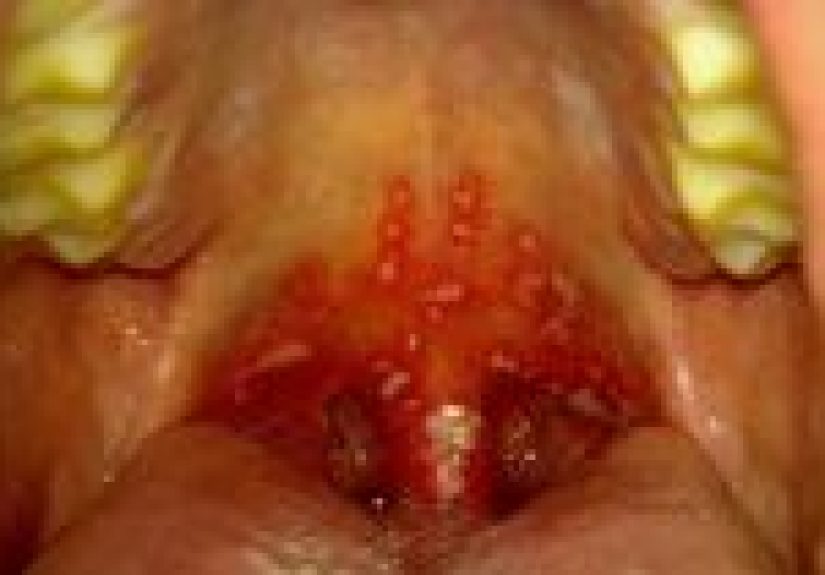
- Small blisters (vesicles) on the tongue, gums, inner cheeks, lips, or roof of the mouth
- Blisters that burst and turn into shallow ulcers with a yellow-gray center and red border
- Swollen, red, and tender gums that may bleed easily when touched or brushed
- Bad breath (halitosis) due to inflammation and open sores
The combination of sore gums and ulcers makes chewing and swallowing painful, which explains the sudden refusal to
eat or drink. This is especially worrisome in young children, who can become dehydrated quickly.
3. Symptoms in Babies and Young Children
In children, gingivostomatitis can look dramatic:
- High fever followed by the appearance of mouth sores
- Drooling because swallowing hurts
- Refusal of bottles, breast milk, or solid foods
- Excessive crying, especially when trying to eat or drink
- Swollen lymph nodes under the jaw or in the neck
Parents sometimes mistake this for teething at first, but the intense mouth pain and visible sores are a big clue
that something else is going on.
4. Possible Complications
Most healthy people recover from gingivostomatitis without long-term problems, but there are a few complications
doctors watch for:
- Dehydration from refusing fluids
- Secondary bacterial infection of the mouth sores
- Spread of HSV infection to the eyes or skin in people with weakened immune systems
While rare, severe complications are more likely in very young infants, people with compromised immunity, or those
who can’t maintain hydration.
How Gingivostomatitis Is Diagnosed
The good news: most of the time, gingivostomatitis can be diagnosed based on a physical exam and medical
history. No high-tech gadgets required.
1. Medical History
A healthcare provider will usually start by asking about:
- When the symptoms started and how they’ve changed over time
- Whether there was a recent fever or viral illness
- If the patient has been around someone with cold sores or oral ulcers
- Eating and drinking habitsespecially any refusal of fluids
- Any underlying medical conditions or medications that affect the immune system
2. Physical Examination
Next comes an exam of the mouth and surrounding areas. The provider will look for:
- Clusters of small ulcers or blisters on the gums, tongue, lips, and inner cheeks
- Swollen, red gums that may bleed easily
- Signs of dehydration, such as dry lips, decreased tears, or fewer wet diapers in infants
- Enlarged lymph nodes in the neck or under the jaw
The specific pattern and location of the sores often strongly suggest herpetic gingivostomatitis,
especially in younger children.
3. Lab Tests and Special Studies
In many cases, no additional tests are needed. However, a provider may order extra tests if:
- The diagnosis is uncertain
- The patient has a weakened immune system
- The infection is unusually severe or not improving as expected
Possible tests include:
- Viral culture or PCR testing from a swab of a blister or ulcer to confirm HSV-1
- Blood tests if the provider is worried about dehydration, systemic infection, or other causes
These tests help confirm the diagnosis and guide treatment, especially in complex situations.
4. Conditions That Can Look Similar
Part of diagnosing gingivostomatitis is ruling out other conditions that also cause mouth sores, such as:
- Hand, foot, and mouth disease (usually also affects the palms and soles)
- Herpangina (sores mainly at the back of the mouth and throat)
- Aphthous ulcers (canker sores) without gum swelling or high fever
- Drug reactions or more serious skin-mucosa conditions in rare cases
The overall patternfever, gum swelling, and multiple small ulcers across the mouthstrongly supports
gingivostomatitis, especially the herpetic type.
When to See a Doctor or Go to the ER
Because gingivostomatitis can be very painful, it’s always reasonable to contact a healthcare provider
if you suspect it, especially in a child. You should seek urgent or emergency care if you notice:
- Signs of dehydration (very dry mouth, no tears when crying, significantly fewer wet diapers,
very dark urine, dizziness) - High fever that doesn’t improve with fever-reducing medicine
- Difficulty breathing or swallowing
- Extreme sleepiness, confusion, or unusual behavior
- Immunocompromised status (for example, chemotherapy, advanced HIV, or medications that suppress the immune system)
A healthcare provider can confirm the diagnosis, provide pain relief strategies, check hydration, and decide whether
antiviral medicines or other treatments are needed. This article is for education only and is not a
substitute for professional medical advice.
Living With and Preventing Gingivostomatitis Flares
Once someone has been infected with HSV-1, the virus usually remains in the body in a “sleeping” (latent) form.
Future outbreaks are more likely to show up as cold sores on the lips rather than full-blown
gingivostomatitis, but good habits still matter.
Helpful steps include:
- Avoiding kissing or sharing cups, utensils, or lip balms with someone who has an active cold sore
- Encouraging consistent oral hygiene: gentle brushing and flossing as appropriate for age
- Using lip balm with sunscreen for people who get cold sores triggered by sunlight
- Managing stress, sleep, and overall health to support the immune system
While you can’t always prevent the first infection (most adults have been exposed to HSV-1 at some point), these
strategies can reduce the risk of outbreaks and help keep the mouth healthier overall.
Real-Life Experiences and Practical Insights
Reading about gingivostomatitis in a medical description is one thing; living through it with a childor having it
yourselfis another story. Here are some experience-based insights and examples that bring the condition into focus
and offer practical, real-world tips.
1. The “My Child Won’t Drink Anything” Panic
One of the most stressful parts for parents is watching a normally energetic child suddenly refuse drinks. A
3-year-old who loved apple juice yesterday might scream at the sight of a cup today because swallowing feels like
pouring lemon juice over a paper cut.
Many caregivers notice the same pattern:
- Day 1–2: Fever, clinginess, and general crankiness.
- Day 2–3: Mouth sores appear; brushing teeth becomes a battle; drinking starts to drop off.
- Day 3–5: Pain peaks; parents are watching every sip like it’s a championship event.
Providers often emphasize creativity with fluidsoffering ice chips, very cold water, diluted fruit juice, or
oral rehydration solutions. Sipping through a straw or using a favorite cup sometimes helps. The key insight from
many parents: pain control and hydration go hand in hand. When kids are more comfortable, they’re
much more willing to drink.
2. Brushing Teeth Without Tears (Or With Fewer Tears)
Gingivostomatitis makes gums so tender that even a soft toothbrush can feel like a cactus. Some families find
that:
- Skipping rigorous brushing for a day or two and switching to gentle rinsing (if the child is old
enough not to swallow) reduces trauma. - Using a smaller, very soft toothbrush and moving slowly helps keep some routine going without excessive pain.
- Resuming normal brushing once the worst soreness has passed helps prevent plaque buildup from making the gums
even more inflamed later.
Dentists generally prefer that oral hygiene doesn’t completely vanish, but in the real world, comfort matters.
Short, gentle cleaning sessions are better than a heroic fight that leaves everyone in tears.
3. Adults Get It Too (And It Can Be Brutal)
When adults develop primary herpetic gingivostomatitis, the experience can be surprisingly intense. Imagine trying
to go to work, attend meetings, or care for kids while every swallow burns and your gums look like they’ve been
through a marathon.
Adults often describe:
- A sudden fever and fatigue that feels like the flu
- Multiple ulcers across the mouth that make talking and eating difficult
- A powerful craving for soft, bland foods like yogurt, smoothies, mashed potatoes, or cool soups
Many find that planning ahead for a few lighter daysworking from home if possible, stocking up on soft foods, and
prioritizing restmakes the episode more manageable. Good communication with a healthcare provider is crucial,
especially to discuss pain control and whether antiviral medication is appropriate.
4. Emotional and Practical Support for Parents
On top of the medical side, there’s an emotional side that doesn’t show up in lab results. Parents often feel guilty
(“Did I do something wrong?”), worried about dehydration, and exhausted from caring for a miserable child who just
wants to be held.
Some practical takeaways from parents who’ve been through it:
- Ask early questions. Calling the pediatrician or dentist when sores first appear can save a lot
of guesswork. - Accept help. If another adult can run errands, cook, or watch siblings, it frees you to focus
on comfort and hydration. - Use distraction. Quiet activitiescartoons, picture books, building blockskeep kids calmer and
less focused on the pain. - Watch small improvements. The first time a child willingly sips water or nibbles food again is a
big milestone and often signals that healing is underway.
The overarching lesson from real-life experiences: gingivostomatitis can be intense, but it’s usually
temporary and treatable. With supportive care, good communication with healthcare professionals,
and some patience, most children and adults recover fully without long-term mouth problems.
Conclusion
Gingivostomatitis may have a complicated name, but the core story is straightforward: it’s an infection of the gums
and mouth lining, most often caused by the herpes simplex virus type 1, and it shows up as painful sores, swollen
gums, and difficulty eating and drinking. Understanding the causes, symptoms, and diagnosis helps
you recognize it early, seek appropriate medical care, and support healing at home.
If you suspect gingivostomatitisespecially in a young childkeep a close eye on hydration, monitor fever, and
reach out to a healthcare provider for personalized guidance. While the symptoms can be dramatic, the condition is
usually self-limited, and with proper care, most people are back to eating, drinking, and smiling comfortably again
within a week or two.
SEO Summary
sapo:
Gingivostomatitis is a painful infection that inflames the gums and mouth lining, often causing fever, mouth sores,
and trouble eatingespecially in young children. This in-depth guide explains what causes gingivostomatitis, the
most common signs to watch for, how healthcare providers diagnose it, and when to seek urgent care. Whether you’re
a parent worried about your child’s sudden mouth ulcers or an adult dealing with your first outbreak, you’ll find
clear, practical information to help you understand the condition, support recovery, and know what questions to ask
your doctor.






 Close
Close