
Table of Contents >> Show >> Hide
- The Short Answer (For Busy Humans)
- What Is Gluco Armor, Exactly?
- About That “Diabetes Reversal” Claim
- Ingredient Deep Dive: What’s Promising vs. What’s Mostly Hype
- Real Reviews in 2025: How to Tell What’s Real, What’s Marketing, and What’s Just… Creative Writing
- Safety: Who Should Be Extra Careful?
- How to Buy Smarter (If You’re Still Considering It)
- What Works Better Than Any Supplement “Hack”
- FAQ
- Final Verdict: Should You Trust Gluco Armor Reviews in 2025?
- Extra: 2025 Experiences People Associate With “Gluco Armor” (Realistic, No-Magic Version)
Quick vibe check: if a bottle promises “diabetes reversal,” it’s basically asking you to turn your brain off and your wallet upside down. Type 2 diabetes remission can be real for some peoplebut it’s tied to measurable clinical changes (often significant weight loss and sustained blood sugar improvement), not a magic capsule with a superhero name.
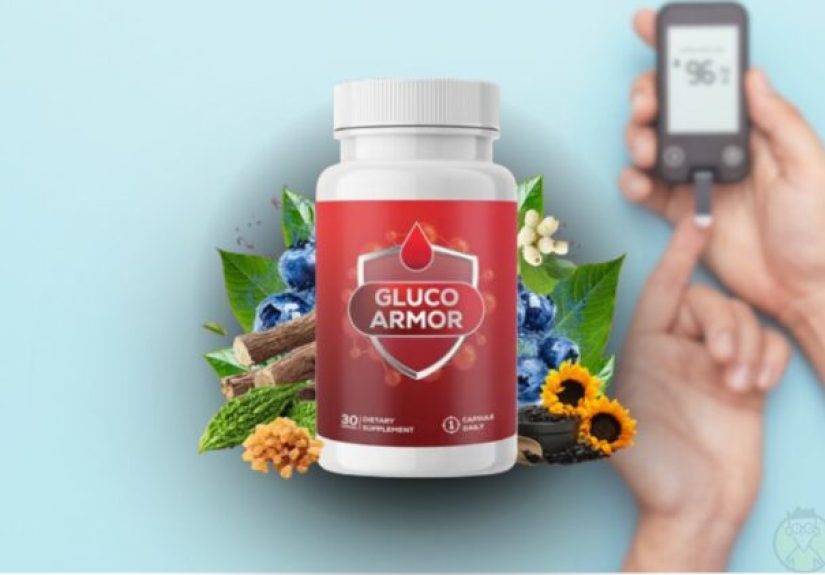
This review is a deep, no-hype look at Gluco Armorwhat it appears to be, what it claims to do, what “real reviews” actually mean in 2025, and the safest way to think about any blood sugar support supplement without getting scammed or accidentally messing with your health.
The Short Answer (For Busy Humans)
- “Diabetes reversal”: A supplement can’t ethically promise this. Remission is a medical term with criteria.
- What Gluco Armor is: Marketed as a blood sugar support supplementbut “Gluco Armor” appears on multiple sites and listings with different ingredient formulas, which is a big consumer red flag.
- Evidence: Ingredients like chromium, magnesium, cinnamon, bitter melon, and others have mixed or limited evidence for glucose controlespecially if you’re not deficient.
- Bottom line: Treat it like a “maybe helpful, maybe not” wellness add-onnot a treatment, not a cure, and not a replacement for proven diabetes care.
What Is Gluco Armor, Exactly?
In 2025, Gluco Armor is marketed online as a daily supplement that supports healthy blood sugar, cravings, energy, and metabolism. Some “official” style landing pages position it as a natural, gentle, consistent approachoften sold through affiliate retail platforms and paired with a money-back guarantee.
Here’s the twist that matters more than any marketing headline:
There May Be More Than One “Gluco Armor” Formula
When researching Gluco Armor, you can find different ingredient lists depending on where you look. For example:
| Where it appears | Example ingredients shown | Why it matters |
|---|---|---|
| Affiliate-style “official” landing page | Vitamin C, Vitamin E, Magnesium, Zinc, Biotin, Chromium | If the formula is mostly vitamins/minerals, expectations should be modestespecially without deficiencies. |
| Retail marketplace listing | Folate, Cinnamon Extract, GPC Choline, Bacopa, Lutein, Bilberry, Ginkgo, Vitamin B12, Magnesium, Zeaxanthin, Green Tea Extract | This looks like a completely different product (more “brain/eye + metabolism” blend), which complicates “real reviews.” |
| Another “official site” style page | Inulin, Cinnamon Extract, Bitter Melon, Banaba, Gynostemma pentaphyllum | Botanical-heavy formulas can have interaction risksespecially with glucose-lowering meds. |
Translation: A five-star review you read about “Gluco Armor” may not even match the product you’re considering. When a name is shared across multiple sites and labels, you don’t just evaluate the brandyou evaluate the exact Supplement Facts panel on the bottle you’ll receive.
About That “Diabetes Reversal” Claim
Let’s keep this simple and honest:
Type 2 Diabetes Remission Is Real (For Some People)
Medical organizations use “remission” to describe sustained blood sugar levels below the diabetes range for a period of time without glucose-lowering medications. It’s most commonly associated with significant weight loss through intensive lifestyle changes and/or metabolic (bariatric) surgery.
Supplements Don’t Get to Call That “Reversal”
Dietary supplements are not approved like drugs, and it’s not legal to market a supplement as treating, preventing, or curing diabetes. If a sales page implies it “reverses diabetes,” that’s a marketing sirenloud, dramatic, and best admired from a safe distance.
Practical takeaway: If you have prediabetes or type 2 diabetes and you’re aiming for major improvement or remission, the heavy hitters are still: clinically guided weight loss, nutrition strategy you can stick to, physical activity, sleep, stress management, and (when needed) medication. A supplement might be optional supportbut it’s not the steering wheel.
Ingredient Deep Dive: What’s Promising vs. What’s Mostly Hype
Because Gluco Armor appears with multiple formulas, the smartest way to review it is ingredient-by-ingredient. Below are common ingredients shown across Gluco Armor pages and listings, and what they typically mean in the real world.
Chromium
Chromium is often marketed for blood sugar and “insulin support.” Research results are mixed, and major diabetes organizations don’t recommend chromium supplements as routine diabetes management. Also, chromium may increase the risk of low blood sugar when combined with diabetes medications like insulin or metformin.
What that means for you: chromium isn’t automatically badbut it’s not a guaranteed blood sugar fix, and it can be a risky “stack” with glucose-lowering meds unless your clinician is on board.
Magnesium
Magnesium matters for hundreds of body processes, including glucose metabolism. People with higher magnesium intake often have lower risk of developing type 2 diabetes, but whether supplementing improves glucose control in people who already have diabetes is still not a slam dunk. If someone is deficient, addressing that deficiency can help overall health.
What that means for you: magnesium can be reasonable if needed, but don’t expect it to “cancel out” carbs like a cheat code.
Cinnamon Extract
Cinnamon is popular in diabetes folkloreright next to “my uncle cured his knee pain with pickle juice.” Studies are inconsistent: some show small improvements in fasting blood glucose, others show none. Even when benefits appear, they’re typically modest and not reliable enough to replace proven care.
What that means for you: cinnamon may be “nice,” not “necessary.” It’s more support-act than headliner.
Vitamin C, Vitamin E, Zinc, Biotin, Folate, Vitamin B12
These nutrients matter for general health. But for most people, supplementing them doesn’t automatically improve blood sugar control unless there’s an underlying deficiency or a specific clinical reason.
What that means for you: if a formula is mostly vitamins and minerals, the best-case outcome is usually “fills a gap,” not “reverses diabetes.”
Bitter Melon, Banaba Leaf, Gynostemma, Green Tea Extract (in some formulas)
Botanicals get marketed as “ancient solutions” for modern blood sugar problems. Some early research is interesting, but dosing, quality control, and consistency are major issues in supplements. Green tea extract, for example, can be problematic at higher concentrated doses for some people, and botanicals can interact with medications.
What that means for you: if your version of Gluco Armor is botanical-heavy, treat it like a substance with potential effectsnot like a harmless flavored vitamin.
Ginkgo, Bacopa, Lutein, Zeaxanthin, Bilberry, GPC Choline (seen in at least one retail listing)
This cluster looks more like a “brain/eye support + general wellness” blend than a focused glucose product. That doesn’t make it uselessbut it does make “blood sugar reversal” marketing even more questionable. It’s hard to optimize a formula for everything without under-dosing most of it.
Real Reviews in 2025: How to Tell What’s Real, What’s Marketing, and What’s Just… Creative Writing
When shoppers say they want “real Gluco Armor reviews,” they usually mean independent feedbacknot polished testimonials sitting next to a giant “BUY NOW” button.
What We Can Verify vs. What We Should Question
- On some “official” pages: you’ll see glowing testimonials about cravings, energy, mood, and weight changes. Treat these as marketing examples, not scientific evidence.
- On at least one retail listing: the product may show “no ratings yet,” which means you don’t get the benefit of large-volume buyer feedback.
Common Patterns People Report With Blood Sugar Supplements (General, Not Guaranteed)
- Some feel nothing (very common) and stop after one bottle.
- Some notice appetite changes (less snacking, fewer sugar cravings) which can indirectly help glucose trends.
- Some report mild side effects like stomach upset or headachesespecially when starting or when taking multiple supplements together.
Important: if a review claims “I stopped my meds,” treat it as a flashing warning signnot inspiration. Stopping diabetes medication without medical guidance can be dangerous.
Safety: Who Should Be Extra Careful?
Even “natural” supplements can have real effectsand real interaction risks.
Be cautious (and talk to a clinician) if you:
- Take glucose-lowering medication (insulin, metformin, sulfonylureas, GLP-1 meds, etc.).
- Have kidney or liver disease.
- Are pregnant or nursing.
- Have a history of low blood sugar episodes.
- Take blood thinners (relevant if your formula includes herbs like ginkgo).
If you’re a teen reading this: looping in a parent/guardian and a healthcare professional is the smartest move before starting any “blood sugar” supplement. Your body is still developing, and supplement marketing is not built around teen safety.
How to Buy Smarter (If You’re Still Considering It)
If you’re going to try Gluco Armor anyway, here’s a checklist that protects you from the most common supplement traps:
1) Match the exact label to the exact product page
Make sure the Supplement Facts on the bottle matches what the seller claims. If the ingredient list is vague or keeps changing across pages, that’s a hard pass.
2) Don’t confuse “FDA-registered facility” with “FDA-approved product”
A facility can be registered, and a product can still be unproven. “Registered” is not “approved,” and it’s definitely not “clinically proven to reverse diabetes.”
3) Prefer third-party testing seals (when legit)
Look for reputable third-party verification programs (for example, USP or NSF programs). These don’t prove effectiveness, but they can help confirm the product contains what the label says it contains.
4) Read the refund policy like you’re reading a gym contract
Money-back guarantees can be realbut they may require returned bottles, specific time windows, and customer service steps. Screenshot the policy at purchase.
What Works Better Than Any Supplement “Hack”
If your goal is better numbers and better health, the most effective strategies are still boring (which is why marketers avoid them) and evidence-based (which is why clinicians keep recommending them):
- Structured weight loss when appropriate (even modest weight loss can improve insulin resistance).
- Eating patterns you can sustain (high-fiber, minimally processed foods tend to help).
- Movement you’ll actually do (walking counts; consistency matters more than intensity).
- Sleep and stress support (because cortisol loves sabotaging glucose).
- Medical follow-up (A1c trends beat vibes every time).
Supplements, if used at all, belong at the edgessupporting a foundation, not pretending to be the foundation.
FAQ
Is Gluco Armor FDA-approved?
Dietary supplements are not FDA-approved to treat or prevent disease. If a product implies it cures diabetes, that’s a major red flag.
Can Gluco Armor “reverse” diabetes?
No supplement should claim this. Type 2 diabetes remission is a medical classification and typically involves sustained blood sugar improvements without medicationoften after significant weight loss and lifestyle change.
Will Gluco Armor lower my blood sugar fast?
If you see “fast” promises, be skeptical. Some ingredients may influence glucose metabolism modestly, but results vary widely, and interactions with medication are possible.
What’s the biggest risk with blood sugar supplements?
The biggest risk is treating a supplement like a replacement for medical careor combining multiple glucose-lowering products and meds and ending up with low blood sugar.
Final Verdict: Should You Trust Gluco Armor Reviews in 2025?
Trust the label more than the hype. The name “Gluco Armor” shows up across different sites and listings with different formulas, which makes “real reviews” hard to interpret unless you verify you’re reading reviews for the exact same ingredient panel.
If you’re curious and you’ve cleared it with a healthcare professional, you can view it as a blood sugar support supplement that might help with cravings or general wellnessespecially if it fills a nutritional gap. But if you’re buying it for “diabetes reversal,” you’re buying a marketing story, not a medically grounded plan.
Extra: 2025 Experiences People Associate With “Gluco Armor” (Realistic, No-Magic Version)
Let’s talk about “experiences,” because that word gets abused online. A supplement experience in 2025 is usually a mix of three things: (1) what the product does (if anything), (2) what you changed while taking it, and (3) what you expected to happen.
Experience #1: The “Snack Magnet” finally weakens. One of the most common stories you’ll see on Gluco Armor-style sales pages is about cravings calming downespecially nighttime snacking or that “I need something sweet right now” feeling. In real life, when someone reports fewer cravings, it often leads to fewer calories and fewer glucose spikes from impulsive snacks. That can make their energy feel steadier. The tricky part? The credit might go to the capsule, but the real hero could be the behavioral shift: keeping fewer sugary foods at home, eating more protein at breakfast, or simply paying closer attention because “I’m trying this new thing.”
Experience #2: “My energy is better” (but it’s complicated). Another common report is improved energy or less afternoon crash. If your version of Gluco Armor includes nutrients like magnesium or B vitamins, people sometimes describe feeling “more normal” rather than “superhuman.” That’s especially true if they were low in a nutrient to begin with, sleeping poorly, or eating irregularly. Also, when someone starts a supplement aimed at blood sugar, they often start making small upgradesmore water, fewer sugary drinks, fewer late-night snacks. Those changes alone can improve energy. The supplement may be part of the routine that keeps the change going, which still counts as a benefitjust not the cinematic “reversal” storyline.
Experience #3: The “nothing happened” month. A very real experience is… no noticeable change. This is common with supplements because many ingredients have subtle effects, require long timelines, or only help specific subgroups (like people with deficiencies). Some people finish a bottle, feel the same, and decide it’s not worth repeating. That’s not failurethat’s data. If you’re tracking, look at objective measures (like clinician-guided labs) rather than trying to “feel” your A1c.
Experience #4: Mild side effects or “my stomach filed a complaint.” People sometimes report digestive discomfort, headaches, or feeling off when starting a new supplementespecially if they’re stacking multiple products. This is one reason it’s smart to introduce only one new supplement at a time and to avoid combining multiple glucose-targeting ingredients without professional guidance. The risk isn’t just annoyance; if you’re on diabetes meds, mixing glucose-influencing supplements can increase the chance of low blood sugar.
Experience #5: The empowerment effect (the underrated one). Some people say the best part is psychological: taking a daily capsule becomes a cue that reminds them to eat better, move more, and take their health seriously. That’s a legitimate experienceroutine can be powerful. The danger is when empowerment becomes overconfidence (“I don’t need my meds now”). The healthiest version is: “This helped me stay consistent with my plan,” not “This replaced my plan.”
Bottom line on experiences: In 2025, the most believable “Gluco Armor review” is the one that sounds boring: modest changes, gradual trends, no miracle language, and no sudden medication decisions. If a review sounds like a movie trailer“doctors HATE this,” “reversed in days,” “one weird trick”it’s probably selling the story, not reporting reality.







 Close
Close