Table of Contents >> Show >> Hide
- Why Home Makeovers Work (Even When Your House Has “Character”)
- Start With a Plan That Won’t Ghost You Mid-Project
- High-Impact, Low-Cost Home Makeover Ideas
- Room-by-Room Home Makeover Playbook
- DIY vs. Hiring Pros: Make the Right Call (and Keep Your Weekends)
- Energy-Smart Upgrades That Make Your Home Feel Better (and Cost Less to Run)
- Common Home Makeover Mistakes (and How to Avoid Them)
- Finish Strong: Styling and “After” Details That Make It Look Done
- A Simple 30-Day Home Makeover Plan
- Conclusion
- Experiences and Lessons From Home Makeovers (The “Real Life” Edition)
A home makeover is basically a glow-up for your housewithout requiring a reality TV crew, a dramatic soundtrack,
or a suspiciously fast “three-day renovation” timeline. Done right, it can make your place feel bigger, brighter,
calmer, and more you. Done wrong… well, let’s just say “I thought I could tile” has ended friendships.
This guide breaks down smart, high-impact home makeover ideasfrom quick weekend refreshes to room-by-room upgrades
with practical budgeting, design logic, and a few gentle reminders that gravity is undefeated. Whether you’re planning
a full home renovation or just chasing that “why does this room feel sad?” vibe, you’ll leave with a plan you can
actually follow.
Why Home Makeovers Work (Even When Your House Has “Character”)
The best home makeovers don’t rely on expensive “wow” moments. They rely on fundamentals: light, flow, function, and
finishes that look intentional. When you improve those, the space feels upgraded even if the square footage stays the
same. Think of it like a haircut: the head is still the head, but suddenly people are complimenting your “energy.”
Another perk: the right projects can improve resale value and daily comfort at the same time. Exterior upgrades and
entry improvements are often high-return because buyers notice them instantlyyour front door is basically your home’s
handshake.
Start With a Plan That Won’t Ghost You Mid-Project
1) Pick your “why” before you pick your tile
Home makeovers go smoother when you’re clear about the goal:
- Comfort: Better layout, storage, lighting, sound, temperature.
- Style: Cohesive colors, updated finishes, fewer “what decade is this?” moments.
- Maintenance: Replace worn-out materials, fix leaks, upgrade old systems.
- Resale value: Focus on curb appeal, kitchens, baths, and neutral-but-not-boring updates.
If your “why” is resale, prioritize visible improvements that photograph well and feel fresh in person.
If your “why” is everyday life, prioritize what annoys you daily (awkward storage, bad lighting, traffic flow).
Both goals can overlaplike a Venn diagram where the middle is “not tripping over shoes in the entryway.”
2) Budget like your house has secrets (because it probably does)
Most homeowners underestimate the “surprise” categoryalso known as “Why is that pipe like that?” Add a contingency
(commonly 10–20%) to cover unexpected costs, shipping delays, and the moment you realize you hate the first paint color
you chose under real lighting.
For larger renovations, use a simple budget structure:
- Must-haves: repairs, safety fixes, core systems, essential replacements
- Should-haves: functional upgrades like storage, better lighting, improved layout
- Nice-to-haves: aesthetic “treat yourself” upgrades (hello, fancy faucet)
3) Scope control: the skill that saves marriages
Home makeover scope creep happens when you start by swapping a light fixture and end up asking, “What if we just…
moved the wall?” Decide what’s in and out before you begin. Write it down. Seriously. Your future self will thank you
while holding a receipt that looks like a small novel.
High-Impact, Low-Cost Home Makeover Ideas
If you want your home to look updated fast, focus on changes that are highly visible and relatively easy to execute.
These upgrades often deliver the biggest “before-and-after” effect per dollar.
Paint (the ultimate “reset” button)
Paint is a makeover superpower: it changes mood, emphasizes architectural details, and makes old surfaces feel new.
A fresh wall color can also unify mismatched elements (like that one cabinet that’s been silently judging you since 2009).
- Go brighter in low-light rooms to reduce the “cave chic” effect.
- Use one main neutral across connected spaces for flow.
- Add contrast with trim, doors, or a single accent wallif your space can handle drama.
Lighting: the fastest way to make a room feel expensive
People blame furniture when the real problem is lighting. Start with bulbs: warm white (often around 2700–3000K)
typically feels inviting and flattering. Then layer light:
- Ambient: ceiling fixture or recessed lights
- Task: under-cabinet lights, desk lamp, reading lamp
- Accent: picture light, sconces, LED strips behind shelves
Upgrading lampshades and bulb temperature is a surprisingly effective “no-paint” refresh that can change the whole mood.
Hardware swaps: tiny changes, big credibility
Updating knobs, pulls, and faucets can modernize a kitchen or bathroom without remodeling. Match finishes within a room
(for example: brushed nickel everywhere, or matte black everywhere) so it looks intentionalnot like a scavenger hunt.
Entryway refresh: your home’s first impression
A front door makeover is classic curb appeal: paint, new house numbers, a better light fixture, and a clean doormat.
It’s a weekend project with a big payoff in perceived value and daily delight.
Room-by-Room Home Makeover Playbook
Kitchen makeovers: function first, then pretty
Kitchens are high-stakes because you use them constantly and they’re expensive to redo. You don’t need a full kitchen
remodel to get a real upgrade. Try:
- Cabinet refresh: paint or refinish, then add updated hardware
- Lighting upgrade: pendants over an island, under-cabinet task lighting
- Backsplash refresh: new tile or a clean, modern panel solution
- Organization makeover: pull-out trays, drawer dividers, pantry zones
If you’re changing layout, use basic kitchen planning logic. A well-known guideline is the “work triangle” concept:
keep the main work centers (sink, cooktop, fridge) within efficient walking distances so cooking doesn’t feel like a
cardio workout.
Bathroom makeovers: small room, huge emotional impact
Bathrooms are where dated finishes feel the loudest. A bathroom refresh can be as simple as:
- New mirror + vanity light (instant modern)
- Fresh caulk and grout cleaning (oddly satisfying)
- Updated showerhead and towel bars
- Paint + better storage (floating shelves, slim cabinets)
If you’re remodeling, prioritize ventilation and durable materials. Bathrooms take a beating: water, humidity, daily use.
The “cute but impractical” choices are the ones you regret at 6:30 a.m. on a Monday.
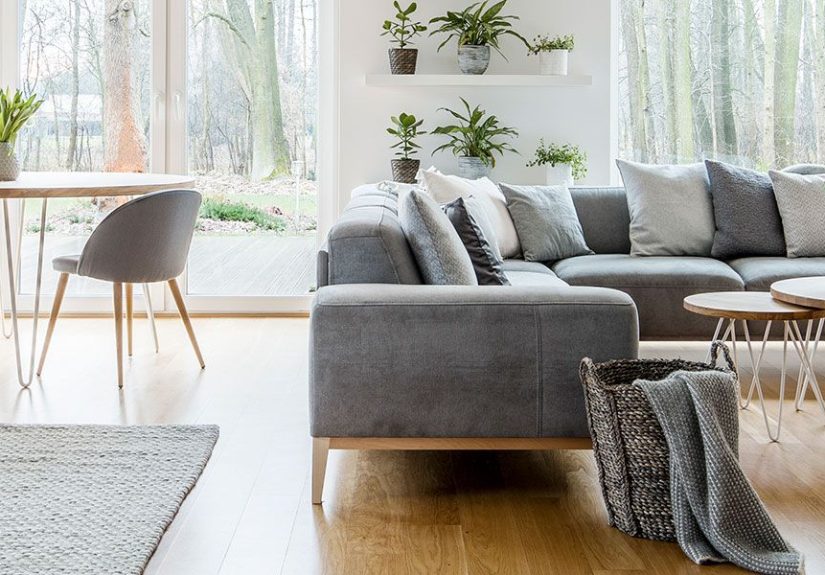
Living room makeovers: improve flow and comfort
Living rooms often feel “off” for one of three reasons: furniture scale, lighting, or layout flow. Fix it by:
- Anchoring seating with a rug that’s actually big enough
- Creating zones (reading corner, conversation area, media area)
- Layering light instead of relying on one overhead fixture
- Adding texture (curtains, throws, baskets, wood, metal)
A simple rule: if people keep walking through the middle of the room to get somewhere, your furniture layout is
accidentally designing an obstacle course.
Bedroom makeovers: calm is a design feature
Bedrooms benefit from fewer visual interruptions. A clean color palette, soft lighting, and clutter control matter more
than trendy decor. Consider:
- Blackout curtains or layered window treatments
- Warm bedside lighting (not hospital-bright)
- Storage upgrades (under-bed bins, closet systems)
- A headboard or accent wall for polish
Outdoor and curb appeal: the makeover people notice from the street
If you want quick impact, start outside. Clean the siding, power-wash walkways, add fresh mulch, and update the entry.
Small projectslike improving the doormat, upgrading lighting, and cleaning up landscapingcan make the whole property
feel cared for.
Bonus: exterior improvements and entry updates frequently rank high for perceived value because they’re visible, immediate,
and emotionally persuasive (“I can picture living here” is basically the buyer’s love language).
DIY vs. Hiring Pros: Make the Right Call (and Keep Your Weekends)
DIY makes sense when:
- The consequences of mistakes are cosmetic (paint, hardware, styling)
- You can stop and restart without breaking the house
- You have time to prep properly (the unsexy part that makes it look professional)
Hire a pro when:
- Safety is involved (electrical panels, structural changes, major plumbing)
- Permits and inspections are required
- Waterproofing is critical (showers are not a “learn on the job” situation)
Special safety note for older homes
If your home was built before 1978, be mindful of lead-based paint risks. Paid renovation work that disturbs painted
surfaces may require lead-safe practices and certified professionals in many cases. It’s not the fun part of a makeover,
but it’s the part that protects your household.
Energy-Smart Upgrades That Make Your Home Feel Better (and Cost Less to Run)
Not every makeover is about looks. Some of the best upgrades are the ones you feel every day: fewer drafts, more stable
temperatures, and lower energy bills.
High-impact efficiency moves
- Seal and insulate: especially atticscomfort improves fast when air leaks shrink.
- Upgrade windows (when needed): modern energy-efficient windows can reduce drafts and improve comfort.
- Smart thermostat: helps optimize heating and cooling schedules without constant manual tweaking.
- Heat pump tech: for heating/cooling or water heating can significantly improve efficiency in many homes.
The “energy-smart makeover” payoff is sneaky: you stop fighting your house. No more “Why is this room always freezing?”
conversations that end with everyone wearing hoodies indoors like it’s a team-building exercise.
Common Home Makeover Mistakes (and How to Avoid Them)
- Skipping planning: decide materials, measurements, and timelines early.
- Over-trending: a bold choice is greatuntil it looks dated in two years.
- Buying before measuring: sofas do not care about your doorway’s feelings.
- Underestimating prep: prep is the difference between “designer finish” and “landlord special.”
- Ignoring function: pretty doesn’t matter if the layout is frustrating.
Also: don’t paint things that shouldn’t be painted. Safety devices like smoke alarms should stay paint-free, and anything
that needs to move smoothly (like locks and hinges) will eventually punish you for your creativity.
Finish Strong: Styling and “After” Details That Make It Look Done
The final 10% is what makes people say, “Whoa, did you remodel?” even if you didn’t. Aim for:
- Consistent finishes (don’t mix five metals in one room unless you’re very confident)
- Clean lines (cord management is a makeover, yes it is)
- Balanced decor (a few meaningful items beat clutter every time)
- Textiles (rugs, curtains, pillows add warmth and absorb sound)
If you’re stuck, try a “makeunder”: remove a third of the visual clutter first, then add back only what earns its keep.
Sometimes the best upgrade is subtraction.
A Simple 30-Day Home Makeover Plan
Want momentum without chaos? Here’s a realistic approach:
- Week 1: Declutter, deep clean, fix small broken items (handles, squeaks, chips).
- Week 2: Paint key areas (entry, main living space) + swap bulbs for warmer lighting.
- Week 3: Hardware refresh (kitchen/bath), update one light fixture, improve storage zones.
- Week 4: Style and finish: rugs, curtains, art, plants, curb appeal cleanup.
That’s a true makeover arcwithout the part where someone demolishes a wall and then realizes the HVAC duct is living there.
Conclusion
Great home makeovers aren’t about copying a trendthey’re about making your space work better, feel better, and look more
intentional. Start with a plan, budget for surprises, prioritize lighting and flow, and focus on upgrades that match how
you actually live. If you do it in the right order, your home won’t just look refreshedit’ll feel like it finally exhaled.
Experiences and Lessons From Home Makeovers (The “Real Life” Edition)
I’ve noticed something consistent across nearly every home makeover story people share: the first “problem” they want to fix
isn’t always the real problem. Someone says, “My living room feels outdated,” but what they mean is, “I hate how dark it is
and I can’t find anywhere to put my stuff.” Another person says, “My kitchen is ugly,” but what they mean is,
“I don’t have enough counter space and the workflow is annoying.”
One of the most common “aha” moments is realizing that lighting changes everything. People swap a single overhead fixture
for layered lightingmaybe a floor lamp near the sofa, a table lamp in a corner, and warmer bulbsand suddenly the room feels
calmer, cleaner, and more expensive. It’s like your house finally stopped being interrogated by a ceiling spotlight.
The funny part? It often costs less than replacing one piece of furniture people were convinced was “the issue.”
Another repeated lesson: cabinet painting is not “just painting.” It’s a relationship test disguised as a weekend project.
The folks who end up happiest treat it like a system: remove hardware, label doors, clean thoroughly, sand, prime, paint with
patience, andthis is the hard partlet it cure. The folks who end up whispering, “Why is it sticky?” at midnight usually
skipped prep and rushed dry times. The takeaway isn’t “never DIY cabinets.” It’s “respect the process,” like you’re training
for a marathon and the marathon is waiting for paint to dry.
Entryway makeovers deserve their own highlight reel. I’ve seen tiny changes make huge differences: a fresh door color, a new
porch light, a doormat that doesn’t look like it survived three hurricanes, and house numbers you can actually read from the
street. The emotional payoff is weirdly strong. People walk in and feel welcomedby their own house. It’s like your home says,
“Hey, you made it,” instead of “Shoes everywhere, good luck.”
Kitchens teach the biggest lesson about planning. When a layout change is involved, the decisions stack: appliances, cabinet
sizes, electrical, lighting placement, and then the finishes. The best experiences happen when the big functional decisions come
firsthow you cook, where you prep, where things get storedthen the pretty choices lock in. The worst experiences usually start
with a gorgeous backsplash picked on a whim and end with a fridge door that can’t open all the way because the island is too close.
Design is not just aesthetics; it’s physics with better fonts.
Bathrooms are the place where “cheap shortcuts” come back to haunt you. People remember the time they tried a bargain
ventilation fan and regretted it every steamy morning after. Or they chose a pretty surface that wasn’t meant for wet zones and
learned the hard way that water always wins. The successful makeover stories prioritize the boring things: moisture control,
durable finishes, and storage that keeps counters clear. Then they add the fun: a mirror that reflects light better, a vanity light
that doesn’t make everyone look tired, and hardware that feels good in your hand.
If there’s one universal makeover truth, it’s this: your home doesn’t need to be perfect to feel fantastic. It needs a few smart
upgrades that remove friction from your daily life. Better lighting. Better storage. Cleaner flow. A more cohesive palette. And a
plan that accounts for realitybecause real homes have quirks, surprises, and occasionally a previous owner who did “creative”
electrical work. When you approach home makeovers with equal parts vision and practicality, you don’t just end up with prettier
rooms. You end up with a home that supports you.