
Table of Contents >> Show >> Hide
- The Big Picture: Homes Are Becoming “Experience Machines”
- Trend 1: Color Drenching and “Brave Rooms”
- Trend 2: The “Cocoon Bedroom” and Sleep-First Design
- Trend 3: Natural Wall Treatments and Tactile Surfaces
- Trend 4: Curves, Arches, and Softer Architecture
- Trend 5: Modern Heritage, Curated Maximalism, and Pattern Play
- Trend 6: Kitchens That Multitask Like a Swiss Army Knife
- Trend 7: Bathrooms Go SpaBut With Practical Superpowers
- Trend 8: Resilient and Sustainable Homes
- Trend 9: Outdoor Living and Play Spaces
- What’s Fading (and What’s Replacing It)
- How to Choose Home Trends That Won’t Feel Dated in Two Years
- Conclusion: Your Home Should Feel Like You Live There (Because You Do)
- Real-Life Home Trend Experiences: What These Trends Look Like Day-to-Day (Extra)
If your home has been quietly whispering, “Can we please stop pretending we’re a beige hotel lobby?”congrats, you’re already on trend. The newest wave of home trends isn’t about chasing a single “perfect look.” It’s about building spaces that feel alive: more personal, more practical, more comforting, and (finally) more fun.
Across the U.S., designers and homeowners are leaning into expressive color, cozy “recharge” zones, tactile natural materials, smarter storage, and resilient upgrades that keep a home running when weather (or life) gets weird. In other words: beauty + function is back in a big way. And it brought snacks.
The Big Picture: Homes Are Becoming “Experience Machines”
The biggest shift behind 2026-style interior design trends is the way we use our homes. A living room isn’t just for “sitting politely.” It’s for binge-watching, hosting, doom-scrolling, stretching, working, napping, and occasionally dancing with a vacuum like it’s a microphone. So design is responding with:
- Comfort-forward choices (soft lighting, layered textures, quieter spaces).
- Personal expression (bold color, pattern mixing, collected décor).
- Flexible layouts (spaces that shape-shift with real life).
- Wellness and resilience (cleaner materials, better air, backup plans).
Trend 1: Color Drenching and “Brave Rooms”
Neutrals aren’t banned. They’re just not the main character anymore. One of the loudest home décor trends is color drenching: painting walls (and often trim, ceiling, and even built-ins) in a single saturated hue. The effect is immersive and surprisingly cozylike your room got wrapped in a cashmere sweater.
How to try it without panic-painting at midnight
- Start small: powder rooms, hallways, laundry rooms, or a reading nook.
- Use finish changes for depth: matte walls, satin trim, glossy accents.
- Balance with texture: rugs, linen curtains, woven baskets, wood tones, or stone surfaces.
Want a specific example? Imagine a tiny home office painted a deep blue-green. Add a warm wood desk, a brass (or aged) sconce, and a textured cream rug. Suddenly it feels intentional, calm, and expensivelike it knows what “calendar blocking” means.
Trend 2: The “Cocoon Bedroom” and Sleep-First Design
Bedrooms are trending toward being true recovery zones. Think fewer harsh overhead lights, more layered lamps. Less “staging,” more “exhale.” The goal is a room that feels quieteven if your life isn’t.
What cocooning looks like in real homes
- Soft, layered textiles: quilts, throws, upholstered headboards, plush rugs.
- Light control: blackout curtains, dimmers, warm bulbs.
- Sound comfort: heavier drapes, rugs, fabric wall art, or a sound machine (the ocean one, not the “construction site” one).
- Clutter boundaries: closed storage so your socks aren’t visually yelling at you.
This trend pairs nicely with wellness-focused upgrades like better ventilation, low-odor paints, and materials that feel good to touch. A bedroom doesn’t need to be huge to feel luxurious; it needs to feel thoughtful.
Trend 3: Natural Wall Treatments and Tactile Surfaces
Smooth, flat, “builder white” walls are getting competition from texture. Natural-looking wall treatmentslike limewash, plaster finishes, wood accents, and wallpaper with fiber-like depthare showing up everywhere. People want rooms that look less digital and more… human.
Easy ways to add texture (without learning masonry on YouTube)
- Limewash-style paint for gentle movement and softness.
- Grasscloth-inspired wallpaper (or peel-and-stick versions for commitment-phobes).
- Wood slat panels behind a bed or TV wall to add warmth and sound absorption.
- Stone or terracotta accents on a fireplace surround, backsplash, or entry table.
Texture also plays well with the renewed love for earthy paletteswarm browns, clay tones, olive greens, moody blues especially when paired with natural wood and soft metals.
Trend 4: Curves, Arches, and Softer Architecture
After years of sharp corners and ultra-minimal lines, homes are rounding the edgesliterally. Curved sofas, arched doorways, scalloped details, and rounded cabinetry create spaces that feel friendly and a bit more relaxed.
Where curves work best
- Living rooms: curved seating improves conversation flow and feels inviting.
- Kitchens: rounded island corners and curved cabinet profiles soften high-traffic zones.
- Bathrooms: arched mirrors and gentle silhouettes add spa energy fast.
Bonus: curves are visually forgiving. If your room layout isn’t perfectly symmetrical (welcome to Earth), curved pieces can make the space feel intentionally designed instead of “why does this corner look mad at me?”
Trend 5: Modern Heritage, Curated Maximalism, and Pattern Play
Minimalism isn’t deadit’s just being asked to share. A big home style trend is “modern heritage”: blending classic shapes and traditional motifs with cleaner lines and updated color. This shows up as: chinoiserie prints next to modern art, vintage-style lighting paired with contemporary furniture, or antique-inspired wood pieces in a crisp, color-drenched room.
How to mix patterns like you know what you’re doing
- Pick a color thread: two or three colors that repeat across the room.
- Vary scale: one large pattern (rug), one medium (curtains), one small (pillows).
- Add solids for breathing room: especially in upholstery and walls.
If you love the “grandmillennial” vibeflorals, checks, needlepoint, charming vintage touchesthis is your moment. Just keep it curated: your room should look collected, not like a craft store exploded.
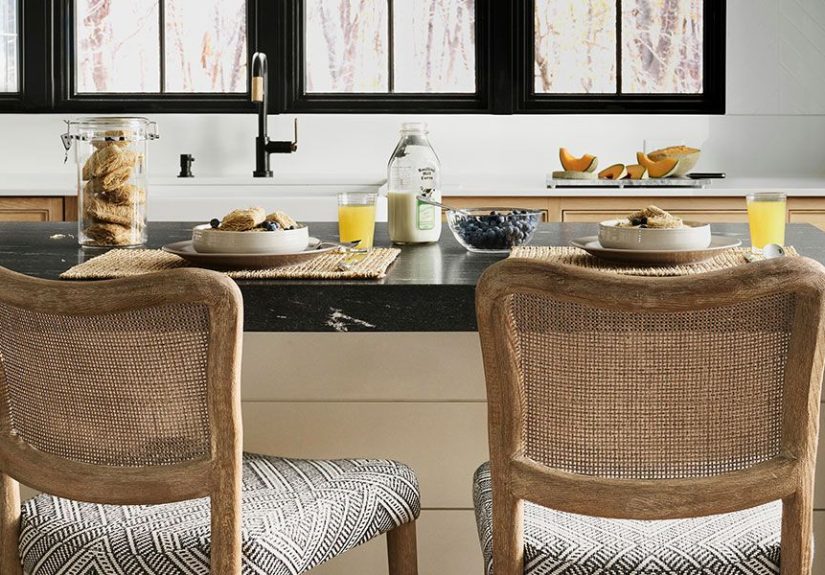
Trend 6: Kitchens That Multitask Like a Swiss Army Knife
Kitchens are still the emotional headquarters of the home, which is why kitchen trends are all about function that feels elevated. The direction is less “show kitchen” and more “real lifebut pretty.”
What’s shaping kitchen design right now
- Warm materials: wood tones, natural stone looks, and textured surfaces.
- Statement cabinetry: greens and blues, mixed finishes, or two-tone kitchens.
- Next-level storage: appliance garages, pull-outs, pantry systems, and smarter corner solutions.
- Zones: separate areas for cooking, prep, coffee/beverages, cleanup, and sometimes baking.
- Smart features: touchless or voice-enabled faucets, better lighting control, efficient appliances.
One practical example: a “beverage zone” that lives away from the main cooktop. It can be as simple as a small counter with a coffee maker, mugs, a water dispenser, and snack storage. That tiny shift reduces traffic jams and makes mornings feel less like a competitive sport.
Budget-friendly kitchen upgrades that still feel trendy
- Swap hardware (and consider finishes that age gracefully).
- Upgrade lighting: under-cabinet LEDs and a statement pendant can change everything.
- Add a runner rug for comfort and pattern.
- Paint or refinish a kitchen island for a “new kitchen” feeling without “new kitchen” money.
Trend 7: Bathrooms Go SpaBut With Practical Superpowers
Bathroom trends are leaning into spa vibes: warmer lighting, better storage, and surfaces that feel calm. But there’s also a real push for smarter functionalityespecially as homeowners prioritize long-term comfort and accessibility.
Bathroom features gaining momentum
- Wet-room inspiration: open showers, fewer visual barriers, and easy-to-clean designs.
- Upgraded fixtures: sleeker faucets and thoughtful placement that clears counter space.
- Comfort tech: heated floors, bidet seats, quiet fans, and improved ventilation.
- Material warmth: wood vanities, stone looks, textured tile, and soft metallic accents.
If you only do one thing: improve lighting. A flattering, layered setup (ambient + task + accent) makes the room feel expensiveeven if your shampoo collection says otherwise.
Trend 8: Resilient and Sustainable Homes
Sustainability has matured from “Pinterest aesthetic” to “this affects my bills and comfort.” Homes are incorporating healthier materials, energy-conscious upgrades, and resilience features that help during storms, heat waves, or outages. It’s less about being perfect and more about being prepared.
Resilience upgrades homeowners actually use
- Better insulation and air sealing for comfort and efficiency.
- Smarter HVAC and filtration for air quality.
- Water-wise fixtures and leak detection.
- Backup power planning (even modest solutions can keep essentials running).
- Low-VOC paints and finishes for a healthier indoor environment.
Sustainability is also showing up visually through natural materials, vintage pieces (the original recycling), and “buy-once” furniture that doesn’t wobble when you look at it.
Trend 9: Outdoor Living and Play Spaces
Outdoor spaces are no longer “nice-to-have.” They’re extra living rooms, dining rooms, andyessometimes sports zones. The trend is to build outdoors like you build indoors: comfort, lighting, storage, and a sense of purpose.
Outdoor upgrades that feel current
- Covered zones: pergolas, awnings, umbrellas, and shade structures.
- All-weather comfort: outdoor rugs, performance fabrics, and layered lighting.
- Cooking and gathering: grills, pizza ovens, or simple serving stations.
- Play: small courts, putting greens, or multipurpose garages for games and hobbies.
Even a small balcony can be “outdoor living” if it has a comfy chair, a side table, and lighting that doesn’t feel like a parking lot.
What’s Fading (and What’s Replacing It)
Trends don’t disappear overnight; they quietly stop feeling fresh. A few shifts happening now:
- All-white everything → replaced by richer color and warmer neutrals with texture.
- Open-plan with no zones → replaced by defined areas using rugs, lighting, screens, or built-ins.
- Matchy-matchy sets → replaced by collected pieces and intentional mixing.
- “Too perfect” finishes → replaced by materials that age with character.
How to Choose Home Trends That Won’t Feel Dated in Two Years
Here’s the secret: the best trend is the one that fits your life. Use a simple filter before committing:
- Will it solve a real problem? (storage, comfort, lighting, layout)
- Can I update it easily? (paint, textiles, décor) versus permanent choices (tile, built-ins)
- Do I love it on a random Tuesday? Not just on a “new year, new me” Saturday
A practical approach is the 70/20/10 rule: keep 70% of the room timeless, 20% flexible and personal, and 10% trend-forward (the “fun layer”). That way, if you break up with a trend later, you won’t have to move out of your own house to heal.
Conclusion: Your Home Should Feel Like You Live There (Because You Do)
The strongest home trends right now all point to the same idea: make spaces that support real life. That can mean bold color that makes you smile, a bedroom that helps you rest, a kitchen that flows better, or resilience upgrades that keep your home comfortable year-round. Trends are toolsnot rules. Use the ones that make your home easier, warmer, and more “you.”
Real-Life Home Trend Experiences: What These Trends Look Like Day-to-Day (Extra)
It’s one thing to read about home trends; it’s another thing to live with them when the dog is muddy, the laundry basket is judging you, and your “quick dinner” has turned into a 45-minute mystery. Here are a few real-world scenarios that show how these trends tend to play out in actual homesmessy, lovable, and wonderfully imperfect.
1) The Color-Drenched Small Room That Changed Everything. A common experience is starting with a small spaceoften a powder roombecause it feels like a low-risk experiment. People pick a deep shade (moody green, navy, or a warm clay tone) and commit to painting the walls and trim the same color. The immediate surprise is how finished it looks, even with simple décor. A basic mirror feels intentional. A small art print looks like a gallery choice. And that “tiny room no one cared about” becomes the one guests comment on. The key lesson: color drenching doesn’t require a huge budget; it requires confidence and a decent painter’s tape situation.
2) The Cocoon Bedroom That Improved Sleep (Without a Full Renovation). Another pattern: people try the “cocoon” bedroom trend because they’re tiredlike, spiritually tired. They start by replacing harsh bulbs with warmer ones and adding a second light source (a lamp or wall sconce). Then comes a heavier curtain panel to block morning glare, and a rug that softens the room underfoot. The surprise isn’t just comfort; it’s how the room becomes a boundary. When the lighting is soft and the surfaces are calm, scrolling in bed feels less tempting, and winding down feels more natural. It’s not magic. It’s environment doing what environment doesnudging behavior in a kinder direction.
3) The “Flexible Layout” That Finally Made Hosting Easier. Flexibility sounds abstract until you watch it fix a real problem: traffic jams. In many homes, gatherings used to bottleneck around the kitchen island. The fix is often simple: create zones. Add a small beverage station on a sideboard (coffee, water, cups, snacks), pull seating into a conversation circle, and use rugs or lighting to visually define areas. Suddenly, guests spread out. The host isn’t stuck in one spot. And the home feels biggernot because walls moved, but because the layout started working with people rather than against them.
4) The “Resilient Home” Upgrades People Appreciate Later. Resilience upgrades aren’t always exciting on day one. Weatherstripping and insulation won’t get applause at a dinner party. But the experience many homeowners share is realizing, months later, that the house feels steadier: fewer drafts, more consistent temperatures, lower energy waste, less noise, better air. Add a small leak sensor under the sink or a smart thermostat and it feels like your home is quietly looking out for you. These changes don’t scream “trend”they whisper “I thought ahead,” which is honestly the most luxurious vibe of all.
5) The “Curated Maximalism” Learning Curve. Pattern mixing and collected décor can look incredible, but real life includes trial and error. A common experience is buying too many “statement” items at oncethen realizing the room feels busy instead of layered. The best results come from slowing down: keeping a consistent palette, mixing old and new, and letting the room evolve. A vintage-style lamp here, a block-print pillow there, one bold rug you truly loveand suddenly the space feels like a story instead of a shopping spree. The lesson is surprisingly calming: you don’t have to finish your home in a weekend. Homes that feel best usually take time.
If there’s a takeaway from these lived-in examples, it’s that trends work best when they’re applied in service of comfort, function, and personality. The goal isn’t to have a “perfect” house. It’s to have a house that makes ordinary days feel a little easierand a little more like yours.







 Close
Close