
Table of Contents >> Show >> Hide
- Why Make Homemade Marshmallow Fluff?
- What Is Marshmallow Fluff, Exactly?
- Homemade Marshmallow Fluff Recipe
- How to Make Marshmallow Fluff
- How to Tell When It Is Done
- Best Tips for Perfect Homemade Marshmallow Fluff
- Common Problems and How to Fix Them
- How to Use Homemade Marshmallow Fluff
- Storage Tips
- Is Homemade Marshmallow Fluff Safe?
- Fun Variations
- What Makes This Recipe Work
- Real Kitchen Experiences With Homemade Marshmallow Fluff
- Final Thoughts
- SEO Tags
There are kitchen victories, and then there are sticky, glossy, cloud-like kitchen victories. Homemade marshmallow fluff belongs in the second category. It is sweet, soft, billowy, and just dramatic enough to make you feel like the main character in a baking show without forcing you to yell, “Where’s my candy thermometer?!” every five minutes.
If you have only known marshmallow fluff from a jar, prepare for a delightful upgrade. The homemade version tastes fresher, feels silkier, and lets you control the flavor, sweetness, and texture. It can be spread on toast, swooped onto cupcakes, toasted over pies, sandwiched into cookies, or eaten straight from the bowl with the kind of confidence usually reserved for people who fold fitted sheets correctly.
This homemade marshmallow fluff recipe uses a Swiss-meringue-style method, which is one of the easiest ways to get that signature marshmallow-creme texture at home. It skips some of the stress of hot sugar syrup while still delivering a glossy finish, sturdy peaks, and the sweet vanilla flavor people expect from classic marshmallow creme.
Why Make Homemade Marshmallow Fluff?
Because fresh marshmallow fluff tastes like the soft center of a marshmallow and a bakery frosting had an extremely charming child. It is light but rich, sweet but not flat, and fluffy without feeling foamy or dry.
Making it from scratch also gives you a few useful advantages:
- You can avoid preservatives and customize the sweetness.
- You can flavor it with vanilla, almond, peppermint, maple, or citrus.
- You can use pasteurized egg whites or fully heat the mixture for a more comfortable food-safety approach.
- You get a fluff that works beautifully as a topping, filling, frosting, or toasted finish.
In other words, homemade marshmallow fluff is not just a novelty recipe. It is a surprisingly versatile dessert component that can make everyday baking taste more polished and a little more fun.
What Is Marshmallow Fluff, Exactly?
Marshmallow fluff, also called marshmallow creme, is a soft, spreadable confection that captures the flavor of marshmallows in spoonable form. It is related to meringue and often overlaps with classic seven-minute frosting and marshmallow frosting. The biggest difference is texture: fluff is usually smoother, softer, and more spreadable than a firm frosting, but more stable than plain whipped egg whites.
Some recipes use cooked sugar syrup for an Italian-meringue-style fluff. Others use a Swiss-meringue-style approach, where egg whites and sugar are heated together and then whipped into a glossy cloud. Both can work. For home bakers who want a reliable, easier path, the Swiss-style method is the friendlier route.
Homemade Marshmallow Fluff Recipe
Yield
About 4 cups
Prep Time
15 minutes
Cook Time
5 minutes
Total Time
20 minutes
Ingredients
- 4 large pasteurized egg whites
- 1 cup granulated sugar
- 1/2 teaspoon cream of tartar
- 1 teaspoon pure vanilla extract
- Pinch of fine salt
Optional Flavor Add-Ins
- 1/4 teaspoon almond extract for a bakery-style twist
- 1/2 teaspoon maple extract for fall desserts
- 1/2 teaspoon peppermint extract for holiday treats
- 1 teaspoon citrus zest for a brighter finish
Equipment
- Stand mixer or hand mixer
- Heatproof mixing bowl
- Saucepan for simmering water
- Whisk
- Instant-read thermometer
- Rubber spatula
How to Make Marshmallow Fluff
1. Set up a double boiler
Fill a saucepan with an inch or two of water and bring it to a gentle simmer. Set a heatproof bowl over the pan, making sure the bottom of the bowl does not touch the water. This gentle heat helps dissolve the sugar evenly without scrambling the egg whites. Nobody wants sweet vanilla scrambled eggs. That is a dark timeline.
2. Whisk the base
Add the pasteurized egg whites, granulated sugar, cream of tartar, and salt to the bowl. Whisk constantly over the simmering water until the sugar dissolves and the mixture reaches 160 degrees F. The mixture should feel smooth if you rub a little between your fingers. If it still feels gritty, keep whisking for another minute or two.
3. Whip until glossy and thick
Remove the bowl from the heat and transfer it to your mixer if needed. Beat on medium-high to high speed for 6 to 8 minutes, or until the mixture becomes thick, glossy, and holds stiff peaks. Add the vanilla during the last minute of mixing.
4. Use right away or store briefly
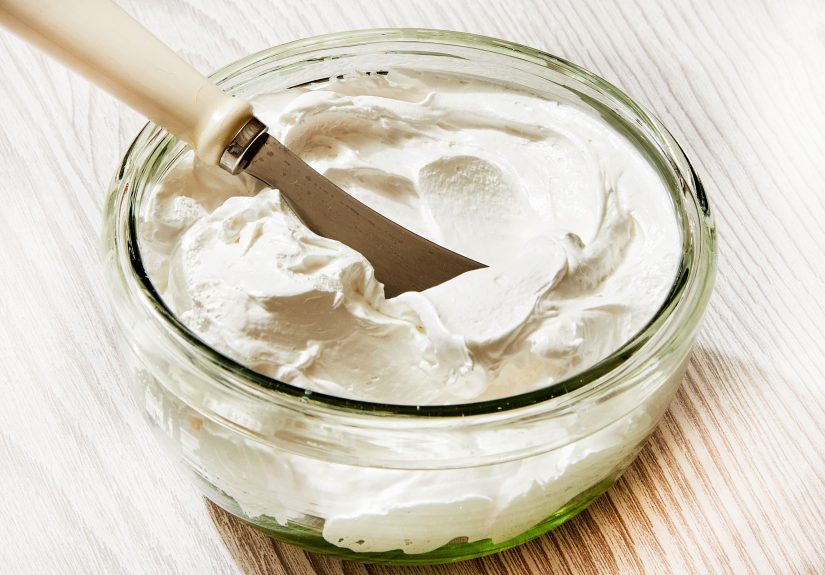
At this point, your homemade marshmallow fluff should look like a shiny white cloud with enough body to hold swoops and swirls. Use it immediately for the best texture, especially if you plan to frost cupcakes, spread it over brownies, or torch it for a toasted marshmallow effect.
How to Tell When It Is Done
Good marshmallow fluff has a few very obvious signs. First, it turns glossy instead of dull. Second, the bowl feels cooler than when you started whipping. Third, when you lift the whisk, the fluff forms peaks that stand tall with only a slight curl at the tip.
If the mixture slides off the whisk like a thick sauce, keep beating. If it looks grainy, the sugar may not have dissolved fully before whipping. If it feels stiff, dry, or chunky, it was likely overmixed or overheated.
Best Tips for Perfect Homemade Marshmallow Fluff
Use a clean bowl
Any trace of grease can sabotage whipped egg whites. Make sure your bowl, whisk, and spatula are very clean and completely dry.
Choose pasteurized egg whites
For a recipe like this, pasteurized egg whites are a smart choice. They add peace of mind and make the fluff a more comfortable option for many home bakers.
Do not rush the heat step
If the sugar is not fully dissolved, your fluff can turn grainy. Smooth first, fluffy second. That is the order.
Vanilla matters
Use real vanilla extract if possible. Homemade marshmallow fluff has a simple flavor profile, so every ingredient gets a chance to introduce itself.
Serve it fresh
This recipe is at its absolute best the day you make it. It will still hold for a short time in the refrigerator, but the texture is most magical when freshly whipped.
Common Problems and How to Fix Them
The fluff will not whip up
This usually happens when the bowl has grease residue, the egg whites were contaminated with yolk, or the mixture did not get hot enough before whipping. Start with clean tools and check your temperature carefully.
The fluff tastes too sweet
Marshmallow fluff is supposed to be sweet, but if you want balance, pair it with darker flavors like chocolate, coffee, peanut butter, or salted caramel. A pinch of salt also helps round things out.
The texture is grainy
The sugar likely did not dissolve fully. Next time, whisk longer over the heat and test the mixture between your fingers before moving on.
The fluff seems loose
It may simply need more whipping time. Give it another minute or two. If your kitchen is warm, let the bowl cool slightly, then continue whipping until the mixture firms up.
The fluff started to deflate later
That is normal to some degree. Homemade marshmallow fluff is more delicate than heavily stabilized commercial fluff. It is happiest when used soon after making.
How to Use Homemade Marshmallow Fluff
This is where things get dangerously delightful. Homemade marshmallow fluff is one of those kitchen staples that starts out as a recipe and quickly becomes a habit.
- Spread it on toast: especially with peanut butter for a fluffernutter-style sandwich.
- Top cupcakes: pipe it high, then toast it lightly with a kitchen torch.
- Finish pies: sweet potato pie, banana cream pie, pumpkin pie, and chocolate pie all benefit from a marshmallow cloud on top.
- Fill cookies: sandwich it between graham crackers, chocolate cookies, or oatmeal cookies.
- Swirl onto brownies: then toast it for a quick s’mores mood.
- Fold into whipped cream: for a more stable, marshmallow-flavored topping.
- Spoon onto hot cocoa: because winter deserves drama too.
Storage Tips
Homemade marshmallow fluff is best enjoyed the day it is made. If you need to store it, transfer it to an airtight container and refrigerate for up to 2 days. Before using, let it sit at cool room temperature briefly and give it a gentle stir if needed.
If you have already piped or spread it onto baked goods, those desserts are usually best eaten the same day for peak texture. Refrigeration can help for short-term holding, but freezing is not ideal because the texture can become watery or uneven after thawing.
Is Homemade Marshmallow Fluff Safe?
Food safety matters here because marshmallow fluff recipes often involve egg whites. This version uses a Swiss-style method, heating the egg-white mixture to 160 degrees F before whipping, which is a practical approach for home kitchens. Using pasteurized egg whites adds another layer of comfort. If you are serving very young children, older adults, pregnant people, or anyone with a compromised immune system, stick with pasteurized eggs and careful temperature control.
That may not sound as exciting as toasted fluff on chocolate cake, but safety is part of good baking. Also, once you know the technique, it becomes second nature.
Fun Variations
Chocolate Marshmallow Fluff
Fold in 2 tablespoons sifted cocoa powder at the very end for a light chocolate version that works beautifully on brownies or devil’s food cupcakes.
Maple Marshmallow Fluff
Add a little maple extract and a tiny pinch of cinnamon for a cozy, fall-friendly flavor.
Citrus Marshmallow Fluff
Stir in finely grated lemon or orange zest for a brighter topping that pairs well with berry cakes and fruit pies.
Toasted Marshmallow Fluff
Pipe or spread the fluff onto dessert, then use a kitchen torch to brown the top lightly. It adds that campfire-style flavor without requiring anyone to stand outside holding a stick.
What Makes This Recipe Work
The magic comes from structure and timing. The egg whites provide protein and volume. The sugar sweetens while helping build a glossy, stable foam. Cream of tartar supports the whipped structure. Vanilla makes the whole thing taste unmistakably marshmallow-like, even though the ingredient list is short. That is one of the best things about homemade marshmallow fluff: it feels fancy, but it is really a smart little chemistry project dressed up as dessert.
The result is lighter than buttercream, smoother than plain meringue, and more interesting than store-bought whipped topping. It is one of those recipes that teaches useful baking technique while also rewarding you immediately with something you can spread on a spoon and call lunch by accident.
Real Kitchen Experiences With Homemade Marshmallow Fluff
Homemade marshmallow fluff has a funny way of turning even a calm kitchen into a tiny celebration. The first experience most people notice is the transformation. At the start, the mixture looks underwhelming, like it might become a very disappointing sweet soup. Then the mixer keeps going, the volume increases, and suddenly it turns into a glossy white cloud that looks far more impressive than the ingredient list suggests. That moment never gets old. It feels a little like kitchen magic, only with better sound effects and more vanilla.
Another common experience is learning patience. Marshmallow fluff teaches you not to rush. If the sugar is not dissolved, the texture will tell on you. If the bowl is greasy, the egg whites will rebel. If you stop whipping too early, the mixture will slump like it has lost interest in the project. But if you follow the process and trust the timing, the payoff is immediate. It is one of those recipes that rewards attention more than complicated skill.
There is also the very real experience of discovering just how many desserts improve when a spoonful of fluff gets involved. Brownies become more playful. Cupcakes get taller and prettier. A plain slice of chocolate cake suddenly looks like it got invited to a party. Even a graham cracker becomes a respectable dessert vehicle. A lot of home bakers make marshmallow fluff once for a specific recipe, then keep finding excuses to make it again because it sneaks into everything from pies to sandwich cookies to weekend hot chocolate.
Texture is another thing people remember. Store-bought fluff is familiar, but homemade fluff feels fresher and more delicate. It is airy without being hollow and sweet without tasting flat. The mouthfeel is softer, silkier, and somehow more alive. If you toast it lightly, the flavor deepens and takes on that nostalgic campfire note that makes people hover near the dessert table pretending they are “just looking.”
Then there is the minor chaos factor, which is honestly part of the charm. Marshmallow fluff is sticky. It clings to spatulas, whisks, bowls, fingers, and occasionally personal dignity. You may plan to spoon it neatly onto cupcakes and end up with a ribbon of fluff stretching halfway across the counter like edible spider silk. That is normal. This is not the kind of recipe that stays entirely elegant from start to finish. It is a little messy, very sweet, and absolutely worth it.
Perhaps the best experience of all is sharing it. Homemade marshmallow fluff has instant crowd appeal. People recognize the flavor, but the homemade version feels more special. It gets the kind of reaction bakers love: wide eyes, immediate second bites, and questions like, “Wait, you made this?” Yes. Yes, you did. And now you know the secret. It turns out that marshmallow fluff is not mysterious at all. It is just a smart, fluffy, glossy dessert trick that makes ordinary sweets feel a lot more memorable.
Final Thoughts
If you want a dessert recipe that feels cheerful, useful, and just technical enough to make you feel accomplished, homemade marshmallow fluff is an excellent place to start. It is simple enough for a weekend baking project but impressive enough to elevate cakes, cupcakes, pies, cookies, and cozy drinks. The flavor is classic, the texture is dreamy, and the process is far less intimidating than it sounds.
So the next time you are tempted to grab a jar, consider making your own. You will get a fresher flavor, a fluffier texture, and the deeply satisfying knowledge that you turned egg whites and sugar into something that looks like a cloud and tastes like a childhood memory.







 Close
Close