
Table of Contents >> Show >> Hide
- Indigenous Wisdom: Not One Thing, Not One Tribe, Not One “Vibe”
- What “Community Well Being” Really Means (Hint: It’s Bigger Than a Step Count)
- Five Ways Indigenous Wisdom Strengthens Community Well Being
- 1) Culture as Prevention: Identity is Protective
- 2) Traditional Healing: Holistic Care That Treats the Whole Person
- 3) Land and Water Stewardship: When the Ecosystem is Health, Too
- 4) Food Sovereignty: Rebuilding Health Through Traditional Foods
- 5) Self-Determination and Governance: Well-being Improves When Communities Control Decisions
- Specific, Real-World Examples of Indigenous Wisdom in Action
- What Non-Indigenous Partners Often Get Wrong (And How to Get It Right)
- Practical Takeaways: How Indigenous Wisdom Can Inform Community Well Being Everywhere
- Conclusion: Indigenous Wisdom Isn’t “Old Knowledge.” It’s Durable Knowledge.
- Real-World Experiences: What It Looks Like Up Close (About )
If “community well-being” had a user manual, Indigenous nations would politely smile, hand it back, and say, “We’ve been running this system for a few thousand yearswant to see the original instructions?” Indigenous wisdom isn’t a trendy wellness hack or a cute quote on a throw pillow. It’s a living set of practices, values, and relationships that help communities stay healthyphysically, mentally, emotionally, spiritually, and sociallyespecially when life gets messy (and it always does).
This matters because many American Indian and Alaska Native communities have faced generations of displacement, forced assimilation, and under-resourced systems. And yet, across Indian Country, you’ll still find powerful, practical approaches to thriving: culture as prevention, land as medicine, language as identity, and community as the unit of healingnot just the individual.
Indigenous Wisdom: Not One Thing, Not One Tribe, Not One “Vibe”
First, a quick reality check: there is no single Indigenous culture. There are hundreds of distinct Tribal Nations in the United States, each with their own languages, governance, ceremonies, histories, foods, and ways of knowing. So when we say “Indigenous wisdom,” we’re talking about broad principles that show up in many places, while still looking different from Nation to Nation.
Common threads (with lots of local variation)
- Relationality: health is built through relationshipswith family, community, land, water, ancestors, and future generations.
- Balance and reciprocity: taking care of the world is part of taking care of ourselves.
- Intergenerational knowledge: elders, stories, songs, and hands-on teaching keep communities grounded.
- Holistic health: well-being includes spirit, identity, belonging, purpose, and responsibilitynot just a lab result.
What “Community Well Being” Really Means (Hint: It’s Bigger Than a Step Count)
Community well-being is more than individual health. It includes whether people feel safe, connected, and supportedwhether youth have hope and identity, whether elders are honored, whether families have access to nourishing food, whether the local environment is cared for, and whether decisions are made in ways that reflect shared values.
In Indigenous frameworks, well-being often includes community-level strengths: cultural practices, language, land stewardship, and local governance that reflects the community’s identity. Instead of asking, “How’s your stress level?” the community lens also asks, “Do you have a place to belong? A role to play? A way to contribute? A reason to stay?”
Five Ways Indigenous Wisdom Strengthens Community Well Being
1) Culture as Prevention: Identity is Protective
A growing body of public health work points to cultural connectedness as a protective factorespecially for youth mental health. The logic is both simple and profound: when people feel connected to who they are and where they come from, they’re more resilient under pressure.
Culture-based practices can include community gatherings, ceremonial life, seasonal activities, language revitalization, arts, traditional teachings, and Indigenous approaches to wellness. These are not “extras.” They can function like a community immune systemreducing isolation, strengthening social bonds, and creating meaning that buffers stress and trauma.
2) Traditional Healing: Holistic Care That Treats the Whole Person
Many Indigenous communities recognize health as a whole-person experiencemind, body, spirit, and community. Traditional healing practices vary widely by Nation, but they often share an emphasis on restoring balance, supporting relationships, and recognizing spiritual and emotional dimensions of illness.
In practice, this can look like collaborations between clinical care and traditional supports, community-based wellness activities, and culturally grounded behavioral health approaches. The goal isn’t to “replace” modern medicine. It’s to expand what counts as care, and to offer pathways that feel safe and relevant to the people being served.
3) Land and Water Stewardship: When the Ecosystem is Health, Too
Indigenous knowledge systems often include deep place-based understandingwhat many agencies and researchers call Traditional Ecological Knowledge (TEK). TEK isn’t just information; it’s a long-term relationship with local ecosystems and responsibilities tied to that relationship.
Why does this matter for community well-being? Because the health of the land and water shapes the health of the people. When communities can protect traditional food sources, steward forests, and care for waterways, they support nutrition, physical activity, cultural continuity, and spiritual well-beingall at once.
4) Food Sovereignty: Rebuilding Health Through Traditional Foods
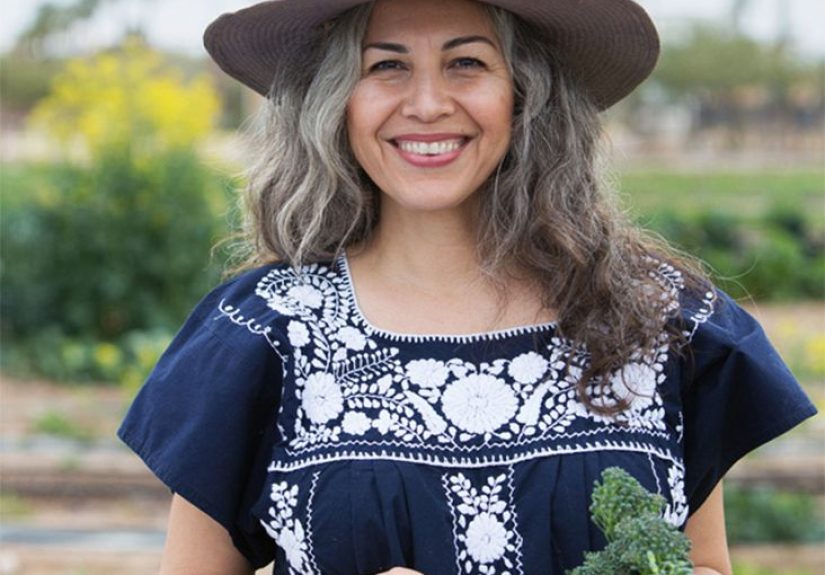
Food is never “just food.” It’s memory, identity, ceremony, family, and local ecology on a plate. Indigenous food sovereignty movements emphasize community control over food systems, including traditional farming, hunting, fishing, gathering, seed saving, and preparing culturally meaningful foods.
This matters for well-being because food sovereignty projects can strengthen nutrition and reduce chronic disease risk factors, while also rebuilding cultural knowledge and community pride. Community gardens, food hubs, traditional food education, and local agriculture programs often become gathering pointsplaces where youth learn from elders, families share skills, and the community remembers what “real food” tastes like when it’s tied to place and story.
5) Self-Determination and Governance: Well-being Improves When Communities Control Decisions
Indigenous wisdom isn’t only about ceremonies or ecological practicesit’s also about governance: the ability of communities to make decisions that align with their values, priorities, and responsibilities.
When communities have greater control over local institutionshealth programs, education, land management, and community servicesthey can design solutions that actually fit. That often means shifting from “outside experts delivering services” to “community leaders shaping systems,” which improves trust, participation, and long-term sustainability.
Specific, Real-World Examples of Indigenous Wisdom in Action
Culturally grounded chronic disease prevention
Some public health initiatives centered in Tribal communities focus on cultural practices as a pathway to wellnessnot as decoration, but as a core strategy. Programs that support traditional physical activities, culturally meaningful foods, and community-led wellness activities can address chronic disease risk while strengthening identity and belonging.
Tribal behavioral health programs that build resilience
Tribal behavioral health efforts increasingly emphasize trauma-informed, culturally grounded approaches for youthsupporting resilience, strengthening protective factors, and creating culturally safe supports that fit local community life. These programs often prioritize community involvement, local leadership, and culturally meaningful prevention strategies.
Indigenous fire stewardship and “good fire”
In parts of the United States, Indigenous fire stewardshipincluding cultural burningis being recognized as an important practice for land health and community resilience. Beyond reducing fuel loads and supporting ecosystem balance, cultural burning is often described as a cultural practice that supports food systems, basket materials, ceremonial life, and the broader relationship between people and place. In other words: it’s ecology and well-being, holding hands.
What Non-Indigenous Partners Often Get Wrong (And How to Get It Right)
Here’s where good intentions sometimes trip over their own shoelaces: Indigenous wisdom isn’t a free sample table. You don’t grab a concept, sprinkle it on a project, and call it “inclusive.” Communities aren’t asking to be “incorporated.” They’re asking to be respected, listened to, and supported in their own leadership.
Better approaches for agencies, schools, nonprofits, and health systems
- Start with Tribal leadership: Ask what the community wants, not what your grant requires.
- Support capacity, not just programs: Fund staffing, training, and long-term infrastructure.
- Honor data sovereignty and consent: Communities have rights over their knowledge and information.
- Recognize local specificity: What supports well-being in one Nation may not translate to another.
- Commit for the long haul: Trust is built over years, not in a 6-month pilot with a glossy brochure.
Practical Takeaways: How Indigenous Wisdom Can Inform Community Well Being Everywhere
Even if you’re not part of a Tribal community, Indigenous frameworks offer lessons that many communities can learn fromwithout appropriating culture. The key is to focus on principles, not borrowing practices that aren’t yours.
- Build belonging: invest in community spaces, mentorship, and intergenerational connection.
- Reconnect health to place: parks, gardens, water access, and outdoor activity are well-being infrastructure.
- Let communities lead: people support what they help create.
- Measure what matters: well-being includes identity, purpose, safety, and relationshipsnot only utilization rates.
Conclusion: Indigenous Wisdom Isn’t “Old Knowledge.” It’s Durable Knowledge.
Indigenous wisdom impacts community well-being by strengthening identity, relationships, and responsibilities across generations. It supports holistic health through culturally grounded prevention, traditional healing, food sovereignty, land stewardship, and self-determination. Most importantly, it treats well-being as something built togetherlike a community garden, a language class, a youth drum group, or a shared decision about what comes next.
And yes, it’s wise. But it’s also practical. Indigenous wisdom is what happens when you test ideas over centuries, keep what works, and remember that the goal of a community isn’t just to surviveit’s to belong, to thrive, and to leave the world better for the kids who haven’t been born yet.
Real-World Experiences: What It Looks Like Up Close (About )
To understand how Indigenous wisdom impacts community well-being, it helps to picture what it feels like on the groundbecause well-being isn’t an abstract concept. It’s a Tuesday evening. It’s who shows up. It’s what people do together when nobody’s handing out gold stars.
Experience #1: The community garden that isn’t “just” a garden.
A small plot of land near a community center gets turned into a garden. At first, it looks like a food project: raised beds, watering schedules, a handful of volunteers. But then elders start visiting, pointing out traditional plants and telling stories about how certain foods were gathered and prepared. Youth show up because the vibe feels differentless like school, more like belonging. Someone starts cooking outside after harvest days, and suddenly people are laughing, trading recipes, and checking in on each other. The “program” becomes a gathering place. Food improves, surebut so does social connection, pride, and the sense that the community can build something with its own hands.
Experience #2: A youth group where culture is the mental health strategy.
In many communities, youth programs are expected to fix everything from anxiety to substance misuse with a few workshops and a motivational poster. But a culturally grounded youth circle runs differently. The structure is relational: mentorship, storytelling, skill-building, and shared responsibility. Youth learn songs, dances, language phrases, or community protocolsdepending on what’s local and appropriate. The “outcome” isn’t just knowledge. It’s identity. It’s the quiet shift from “I don’t know where I fit” to “I have a role here.” That shift can change how young people handle stress, conflict, and griefbecause they aren’t carrying it alone.
Experience #3: A health clinic that makes room for the whole person.
Picture a clinic where health isn’t treated like a quick transaction. Someone comes in for high blood pressure, but the conversation also includes sleep, stress, family responsibilities, and what support systems exist. Maybe there’s a wellness activity happening nearby: walking groups, community cooking, cultural gatherings, or other local supports. Nobody pretends a single appointment can fix everything. Instead, the clinic becomes part of a wider network of careone that recognizes that healing often involves community, meaning, and trust.
Experience #4: Stewardship as community resilience.
In places where cultural burning or other stewardship practices are revitalized, people talk about the change in more than ecological terms. They describe a renewed sense of responsibility, pride, and continuity. Younger community members learn to read the land, to notice seasonal signs, to understand that “taking care” is not a metaphorit’s a skill. The result is resilience: not only better land management, but a stronger community identity anchored in purpose and shared work.
These experiences aren’t one-size-fits-all, and they don’t belong to outsiders. But they illustrate a key point: Indigenous wisdom supports community well-being by creating systems of belonging, meaning, and shared responsibility. It’s not flashy. It’s not a fad. It’s the steady, powerful work of building a life together.





 Close
Close