
Table of Contents >> Show >> Hide
- Why Bananas Get So Much Attention
- So, How Many Bananas Should You Eat per Day?
- What Makes Bananas Good for You?
- When Bananas Might Not Be the Best Idea in Large Amounts
- How Banana Ripeness Changes the Experience
- The Best Times to Eat a Banana
- Easy Ways to Eat Bananas Without Getting Bored
- The Bottom Line
- Real-World Experiences With Eating Bananas Every Day
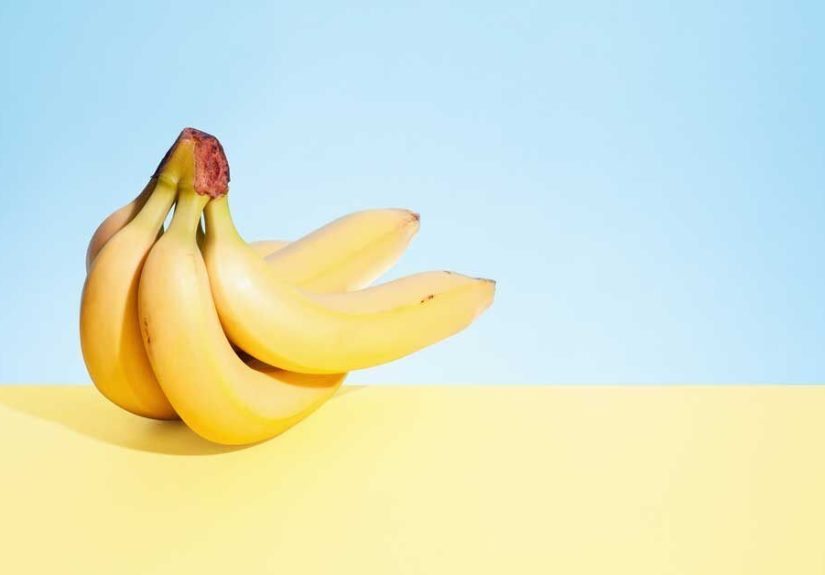
Bananas are the overachievers of the fruit bowl. They are portable, affordable, naturally sweet, and wrapped in their own biodegradable packaging like nature’s most polite snack. But once people hear that bananas contain sugar and potassium, the questions start flying: Are they too sugary? Are they good after workouts? Can you eat one every day? Can you eat three? And at what point does your breakfast become a banana-themed lifestyle choice?
The honest answer is that there is no single magic number for everyone. For most healthy adults, eating one to two bananas per day fits comfortably into a balanced diet. That amount gives you useful nutrients like potassium, fiber, vitamin B6, and carbohydrates without turning your menu into a one-fruit monopoly. The smarter question is not just “How many bananas should you eat per day?” but “How do bananas fit into your overall diet, activity level, health conditions, and fruit intake for the day?”
This guide breaks it all down in plain English, with no nutrition drama and no banana worship. Just practical advice you can actually use.
Why Bananas Get So Much Attention
Bananas are popular for a reason. A medium banana is easy to eat, easy to digest, and easy to toss into a lunch bag, gym bag, or “I overslept and now breakfast is a sprint” situation. Nutritionally, a medium banana typically contains about 105 calories, 27 grams of carbohydrates, 3 grams of fiber, and more than 400 milligrams of potassium. It also provides vitamin B6, a little magnesium, and naturally occurring sugars that can offer quick energy.
That combo makes bananas a favorite among busy parents, athletes, students, office workers, and people who would like dessert but also need to pretend they are making responsible choices. Unlike ultra-processed snack foods, bananas come with fiber and useful micronutrients, not a chemistry set and a paragraph-long ingredient list.
So, How Many Bananas Should You Eat per Day?
For most healthy adults, one to two bananas a day is a reasonable intake. That amount usually works well within the general recommendation to eat around 1.5 to 2 cups of fruit per day. A banana can absolutely count toward that goal, but it should not be your entire fruit strategy unless you are trying to become the official spokesperson for yellow fruit.
One banana a day
One banana a day is a simple, realistic choice for many people. It gives you a nutrient-dense snack or breakfast add-on without adding a huge calorie load. If the rest of your diet includes vegetables, whole grains, protein, and a variety of fruits, one banana daily is easy to justify.
Two bananas a day
Two bananas a day can also make sense, especially if you are physically active, need a convenient carbohydrate source, or just genuinely like bananas. Two bananas provide more fiber, more potassium, and more energy, which can be useful before or after exercise. Still, eating two bananas every day is best when the rest of your fruit intake is still varied. Apples, berries, oranges, kiwi, and melon would like a turn too.
Three or more bananas a day
Three or more bananas in a day is not automatically harmful for healthy people, but it is usually more than necessary. At that point, you may be crowding out other fruits and nutrients, adding a lot of carbohydrate in one lane, and making your diet less diverse. In nutrition, variety matters. Even the world’s nicest fruit should not hog the spotlight.
What Makes Bananas Good for You?
1. They help you get more potassium
Potassium is one of the nutrients many Americans do not get enough of. It helps regulate fluid balance, supports nerve signaling, helps muscles contract, and plays an important role in heart function and blood pressure management. Bananas are famous for potassium, and while they are not the only potassium-rich food on the planet, they are one of the easiest ways to get more of it.
That matters because potassium helps counter some of sodium’s effects in the body. In practical terms, if your diet is heavy on salty convenience foods, getting potassium from foods like bananas, beans, potatoes, yogurt, and leafy greens can help support healthier blood pressure patterns.
2. They provide fiber without trying too hard
A medium banana offers about 3 grams of fiber. That may not sound like a confetti cannon of fiber, but it still contributes to fullness, digestive health, and steadier energy compared with candy, pastries, or sugary drinks. Bananas also contain different types of carbohydrate depending on ripeness. Less-ripe bananas have more resistant starch, while ripe bananas taste sweeter because more of that starch has converted into natural sugars.
In other words, a greener banana behaves a little more like a slow-and-steady coworker, while a very ripe banana is the cheerful overachiever who gets the job done faster.
3. They are convenient workout fuel
Bananas are a classic pre-workout or post-workout snack because they offer carbohydrates in an easy-to-digest form. Before exercise, a banana can give you quick energy without feeling too heavy. After exercise, it can help replenish carbohydrate stores, especially when paired with a protein source like Greek yogurt, milk, peanut butter, or a protein smoothie.
This is one reason runners, cyclists, and gym-goers keep coming back to bananas. They are simple, portable, and less likely to upset your stomach than a mystery gas-station pastry with ten ingredients and an existential crisis.
4. They can satisfy a sweet craving in a smarter way
Bananas are naturally sweet, which makes them useful when you want something dessert-like but do not want to go full cookie avalanche. Sliced bananas on oatmeal, yogurt, toast, cereal, or peanut butter can make healthy meals feel more satisfying. Frozen bananas can even stand in for part of the creaminess in smoothies and “nice cream.”
When Bananas Might Not Be the Best Idea in Large Amounts
Kidney disease or trouble handling potassium
Here is where nutrition advice stops being universal. If you have chronic kidney disease, kidney failure, or another medical condition that affects potassium balance, you may need to limit high-potassium foods, including bananas. The same caution can apply if you take certain medications that reduce potassium excretion, such as some ACE inhibitors, ARBs, or potassium-sparing diuretics.
For healthy people, there is no strong evidence that normal dietary potassium from food is dangerous. But for people whose bodies do not clear potassium well, the question is not “Are bananas healthy?” The question is “How much potassium is safe for me specifically?” That answer should come from a doctor or registered dietitian, not from your smoothie blender.
Diabetes or blood sugar concerns
People with diabetes can still eat bananas. Fruit contains carbohydrate, yes, but it also comes with vitamins, minerals, and fiber. The better approach is portion awareness, not fruit panic. A medium banana has around 26 to 27 grams of carbs, so it should be counted as part of a balanced meal or snack if you monitor carbohydrate intake.
Pairing a banana with protein or fat can help make it more satisfying. Think banana with peanut butter, cottage cheese, nuts, or unsweetened yogurt. That is often a better move than eating a banana by itself if you are trying to support steadier blood sugar.
If bananas replace other fruits every single day
Bananas are nutritious, but they are not nutritionally complete. They are not especially high in every vitamin, and they cannot replace the benefits of eating a broader mix of fruit. Berries give you different antioxidants. Citrus fruits deliver vitamin C. Apples and pears bring different fiber profiles. So even if bananas are your favorite, think of them as part of a fruit routine, not the entire cast.
How Banana Ripeness Changes the Experience
Green to slightly yellow bananas
Less-ripe bananas contain more resistant starch and taste less sweet. Some people find them more filling. Others find them less enjoyable, which is a polite way of saying they taste like they still have trust issues.
Bright yellow bananas
This is the sweet spot for many people. The texture is soft but not mushy, the flavor is sweet but not intense, and the balance works well for snacks, cereal, and smoothies.
Spotted, very ripe bananas
Very ripe bananas are sweeter because more starch has converted to sugar. They are great for baking, blending, and easy digestion. If you are watching blood sugar response closely, you may prefer a less-ripe banana or a smaller portion paired with protein.
The Best Times to Eat a Banana
At breakfast
Bananas work well in oatmeal, Greek yogurt bowls, whole-grain toast with nut butter, or smoothies. They add natural sweetness and texture, which means you may need less added sugar elsewhere.
Before exercise
A banana 30 to 60 minutes before a workout is a practical source of quick fuel. It is especially useful before cardio, sports practice, or long walks.
After exercise
Pair a banana with protein after exercise for a smarter recovery snack. Chocolate milk, yogurt, a protein shake, or eggs on toast can all work.
As an afternoon snack
Instead of reaching for a vending-machine surprise, a banana with nuts or peanut butter can help bridge the gap between lunch and dinner without making you feel like you accidentally ate a birthday party.
Easy Ways to Eat Bananas Without Getting Bored
- Sliced over oatmeal with cinnamon and walnuts
- Added to plain Greek yogurt with chia seeds
- Spread with peanut or almond butter
- Blended into a smoothie with milk and berries
- Mashed into pancake batter or overnight oats
- Frozen and blended into banana “nice cream”
- Paired with cottage cheese for a higher-protein snack
The goal is not to create a banana shrine. It is to make healthy eating easier, tastier, and more sustainable.
The Bottom Line
If you are healthy and do not have a medical reason to limit potassium, one to two bananas per day is generally a smart, safe, and practical amount. Bananas offer potassium, fiber, vitamin B6, and convenient energy, making them one of the easiest whole fruits to fit into daily life. Eating more than that is not automatically a problem, but it is usually unnecessary and may crowd out other fruits you should also be eating.
The best number depends on your overall diet, your activity level, your blood sugar goals, and your medical history. For most people, bananas are not the problem. The bigger issue is often the rest of the diet. If your meals are packed with ultra-processed foods and sodium, a banana is not your villain. It is probably one of the better choices you are making that day.
Real-World Experiences With Eating Bananas Every Day
In real life, people do not eat bananas in a nutrition textbook. They eat them in traffic, between Zoom meetings, after workouts, before school drop-off, and while standing in the kitchen wondering whether cereal counts as dinner. That is why bananas remain such a dependable staple. They fit into ordinary routines in a way that many “healthy foods” simply do not.
A lot of people who add one banana a day notice the same practical benefit first: convenience. Breakfast becomes easier. Instead of skipping the meal entirely, they toss a banana next to a bowl of oatmeal or eat one with peanut butter on toast. That small change often leads to a bigger win, which is less desperation at 10:30 a.m. When you start the day with something filling and naturally sweet, you are less likely to raid the office snack drawer like a raccoon with a deadline.
Active people often describe bananas as one of the few pre-workout foods that feels reliable. A banana before a walk, run, game, or gym session tends to sit well in the stomach, gives a little energy, and does not require planning. There is no blender, no prep, no expensive performance branding. It is just a banana doing its job with quiet competence. After exercise, many people pair one with yogurt or a protein shake and find that it makes recovery snacks easier to stick with consistently.
Some people also find that daily bananas help them eat fewer heavily processed sweets. A banana after lunch or in the afternoon can take the edge off sugar cravings. It is not a magic trick, and it will not make you forget brownies exist, but it can create enough satisfaction to keep snack decisions from going off the rails. Frozen banana slices dipped in a little peanut butter or blended into a smoothie can feel surprisingly indulgent without turning into a dessert free-for-all.
Digestive experiences vary. Some people feel better when they include bananas regularly, especially as part of a diet that also includes oats, yogurt, nuts, vegetables, and water. Others prefer less-ripe bananas because they find them more filling, while some people do better with riper bananas that are softer and easier to digest. The takeaway is simple: the “best” banana is often the one your body tolerates well and that you actually enjoy eating.
There are also people who discover that bananas are not an unlimited free pass. Someone managing diabetes may realize that a banana by itself spikes their blood sugar more than expected, but a banana paired with protein works much better. Someone with kidney disease may be told to cut back because the potassium matters more in their case than it does for the average person. Those experiences are not proof that bananas are bad. They are proof that nutrition is personal.
For most healthy adults, the everyday experience of eating bananas is pretty uneventful in the best possible way. They make meals easier, snacks better, workouts smoother, and cravings more manageable. In the glamorous world of nutrition, that counts as a big success.
Note: This article is for general educational purposes and is not a substitute for personal medical advice, especially if you have kidney disease, diabetes, heart conditions, or take medications that affect potassium levels.






 Close
Close