
Table of Contents >> Show >> Hide
- Why Safety Tech Matters So Much for Older Adults
- Key Apple Watch Safety Features for Seniors
- Real-World Ways Seniors Use Apple Watch to Stay Safe
- Limitations and Downsides Seniors Should Know
- Choosing the Right Apple Watch for a Senior
- Tips for Setting Up an Apple Watch for Senior Safety
- Experiences: What Apple Watch Safety Looks Like in Everyday Life
For years, the Apple Watch has been marketed with images of runners sprinting up mountains and surfers chasing the next big wave.
But one of the most powerful groups quietly benefiting from this tiny computer on the wrist isn’t extreme athletesit’s older adults.
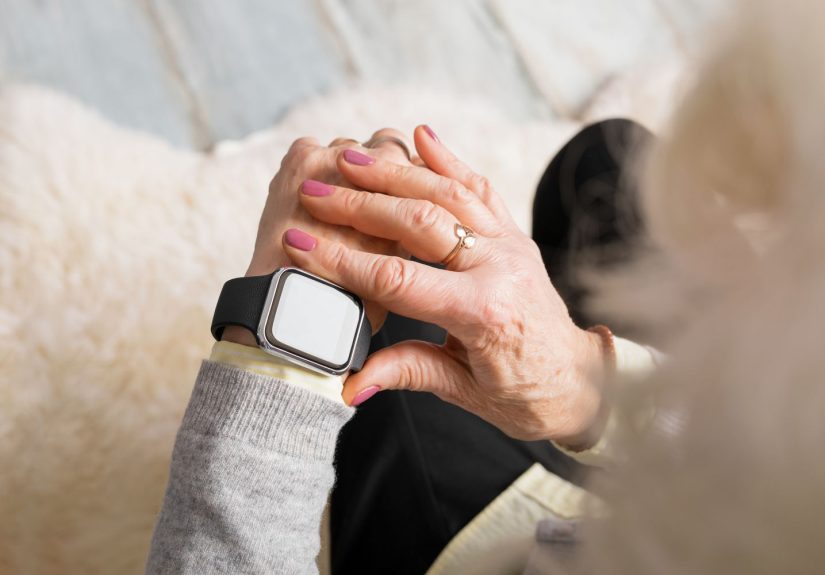
For seniors, the Apple Watch can be less of a gadget and more of a personal safety net that just happens to tell time.
From fall detection to heart rhythm alerts, emergency calling, and even medication reminders, the Apple Watch can help seniors stay
independent while giving families a little more peace of mind. It’s not a magic force field, and it doesn’t replace regular medical care,
but used well, it can be a genuinely useful safety companion.
Why Safety Tech Matters So Much for Older Adults
As we age, small risks start to carry bigger consequences. A simple fall can mean a hospital stay. A missed medication could trigger a
health scare. A sudden change in heart rhythm might be easy to ignoreuntil it isn’t. The challenge is that many dangerous situations
happen when no one else is around and the person involved may not be able to reach a phone.
That’s where wearable tech shines. Because the Apple Watch lives on the wrist, it can notice things like hard falls, unusual heart rhythms,
or a prolonged lack of movement and help call for assistance. Instead of relying on someone to find a phone, dial a number, and explain
what’s happening, the watch can automate part of that process and share important details like location and emergency contacts.
Key Apple Watch Safety Features for Seniors
1. Fall Detection: Help After a Hard Fall
Falls are one of the biggest safety issues for seniors, which is why fall detection is often the headline feature for older users.
On supported models (Apple Watch SE and Series 4 or later), the watch can detect a hard fall using its motion sensors.
If it thinks the wearer has fallen, it taps their wrist, sounds an alarm, and displays an alert asking if they’re okay.
If the person doesn’t respond within a short timetypically around a minutethe watch can automatically call emergency services and,
if set up, notify emergency contacts with the user’s location. For users over 65, fall detection may be turned on by default when the
age in the Health app is set correctly, making it easier for seniors who aren’t tech savvy.
It isn’t perfect: fall detection looks for “hard falls,” so a slow slide to the floor or carefully sitting down too quickly may not trigger it.
And yes, very energetic activities can sometimes set it off by accident. But when it works as intended, it can save precious minutesespecially
for someone who lives alone.
2. Emergency SOS: One Press for Help
Even when there’s no fall, emergencies happen. With Emergency SOS, a user can press and hold the side button on the Apple Watch to call
local emergency services. On cellular models, this can work even if the iPhone isn’t nearby, as long as the watch has service.
After the call, the watch can send a text with the user’s location to their emergency contacts. That means an older adult doesn’t
have to remember phone numbers or unlock a smartphone. In a scary situationchest pain, a stranger at the door, feeling suddenly dizzyone
long press can connect them to help.
3. Crash Detection: Protection on the Road
For seniors who still drive, Crash Detection adds another safety layer. On newer models, the Apple Watch can detect signs of a severe car crash
using motion sensors, sound, and other clues. If it believes a serious collision has occurred and the wearer doesn’t respond to an on-screen
prompt, it can automatically call emergency services and share their location.
This won’t replace safe driving habits or seatbelts, and it can’t detect every type of crash, but for older adults who still enjoy their
independence on the road, it’s a useful backup if they’re unable to reach a phone after an accident.
4. Heart Health Monitoring and Irregular Rhythm Alerts
The Apple Watch is widely known for its heart health features, and some of them are particularly helpful for older adults. Depending on the model,
the watch can:
- Monitor heart rate continuously during the day.
- Send high and low heart rate notifications if readings fall outside preset ranges.
- Detect irregular rhythms that could be suggestive of atrial fibrillation (AFib) and send a notification.
- Let the user record a single-lead ECG (electrocardiogram) from their wrist and share a PDF with a clinician.
These tools aren’t meant to diagnose disease or replace a cardiologist, but they can provide early warning signs that something isn’t right.
For seniors, this might mean catching a heart rhythm problem sooner or having more data to discuss at medical appointments.
It’s important to set expectations: the irregular rhythm feature doesn’t monitor constantly, and not every episode of AFib or heart problem
will be detected. The watch also can’t detect heart attacks. Still, for many older adults, passive monitoring and simple alerts offer more
insight than they would have otherwise.
5. Medication Reminders and Health Tracking
Staying on top of medications is another everyday safety challenge for many seniors. The Medications feature in the Health app and the Medications
app on Apple Watch let users:
- Enter medications, vitamins, and supplements.
- Set reminders for the correct times and doses.
- Log when they’ve taken a dose right from the wrist.
For a senior juggling multiple prescriptions, those subtle taps and notifications can help prevent missed or double doses. The watch can also
track sleep, activity, and other health metrics, helping older adults and caregivers notice changes in energy, mobility, or routines over time.
6. Medical ID and Emergency Contacts
The Health app allows users to create a Medical ID that appears on the Apple Watch and iPhone. This can include allergies, medical conditions,
medications, blood type, and emergency contacts. In an emergency, first responders can access this information directly from the device,
even if it’s locked.
For seniors with complex medical histories, this is a huge help. Instead of relying on someone to carry a paper list or remember everything
under stress, the critical data lives in one placeright on the wrist.
7. Location Sharing and Check-Ins
For seniors with memory issues or who tend to wander, location sharing can be a safety lifeline. Family members can use Apple’s Find My app
or shared location features to check where a loved one is if they’re late coming home or seem lost.
When combined with features like Emergency SOS and fall detection, this means caregivers can receive alerts and also quickly see where
to send help. It’s a more discreet alternative to traditional GPS trackers or special pendants that older adults might resist wearing.
Real-World Ways Seniors Use Apple Watch to Stay Safe
Living Alone With More Confidence
Imagine an 80-year-old who lives alone and values her independence. She doesn’t want a “panic button” hanging around her neck that screams,
“I’m fragile.” But she’s willing to wear an Apple Watch because it looks like something her grandkids think is cool.
With fall detection and Emergency SOS set up, she has quiet backup: if she slips in the bathroom and can’t reach her phone, the watch can
automatically call for help. If she feels unwell, she can press and hold the side button instead of trying to dial 911 on a touchscreen.
Supporting Memory Issues and Chronic Conditions
For seniors with early dementia or memory problems, the Apple Watch can help with structure and safety. Medication reminders keep doses on track.
Location sharing lets family members confirm that a loved one made it home from a walk. Heart and activity data can help doctors see changes
over time, like more inactivity or disturbed sleep.
For those managing conditions like heart disease, AFib, or hypertension, the watch’s heart features and blood pressure-related notifications
(where supported) can contribute to more informed conversations with healthcare providers.
Encouraging Safe Movement and Exercise
Movement is vital for strength, balance, and mood in older agebut fear of falling can keep many seniors glued to a chair. The Apple Watch’s
activity rings, gentle reminders to stand, and simple workout tracking can nudge older adults to stay active, while safety tools like fall
detection and Emergency SOS help them and their families feel more secure about those walks around the block.
Limitations and Downsides Seniors Should Know
As impressive as the Apple Watch can be, it’s not perfectand it’s definitely not right for everyone. A few key limitations:
- Cost: Apple Watches tend to be more expensive than many dedicated medical alert devices.
- Requires an iPhone to set up: You need an iPhone for initial setup and ongoing management, which can be a barrier for some seniors.
- Small screen: The watch face is tiny. Seniors with low vision or dexterity issues may struggle with small icons and swipes.
- Battery life: Most models need daily or near-daily charging. If the watch is on a charger instead of a wrist, none of the safety features work.
- Not a 24/7 medical monitor: Heart rhythm notifications are intermittent, not continuous, and the watch can’t detect every issue or event.
There’s also a learning curve. Some older adults embrace new tech quickly; others feel overwhelmed. Often, the best approach is to set the watch up
in a “less is more” wayturn on the key safety features, simplify the watch face, and avoid flooding the wearer with notifications.
Choosing the Right Apple Watch for a Senior
The “best” Apple Watch for a senior depends on budget, lifestyle, and comfort with technology, but a few general guidelines can help:
-
Apple Watch SE: Often the most budget-friendly option with fall detection, heart rate monitoring, Emergency SOS,
and activity tracking. It’s a strong choice for many seniors who don’t need every advanced sensor. -
Apple Watch Series models: Newer Series watches add more advanced health tools, like an ECG app, blood oxygen monitoring,
and the latest heart and sleep features. These are ideal for seniors with specific heart concerns or who want the fullest health toolkit. -
Apple Watch Ultra line: Rugged, larger, and designed for outdoor enthusiasts. It can be helpful for very active, adventurous
seniorsthink hikers and travelersbut is overkill for someone who mostly wants safety alerts at home.
For many families, the sweet spot is a midrange or SE model with cellular capability. That allows the senior to call for help from the watch
even if they leave their phone in another room, while keeping costs somewhat lower than the most advanced models.
Tips for Setting Up an Apple Watch for Senior Safety
A little thoughtful setup goes a long way. When you’re configuring an Apple Watch for an older adult, consider:
- Turn on fall detection and make sure the age in the Health app is set accurately.
- Set up Emergency SOS with correct local emergency numbers and emergency contacts.
- Create a detailed Medical ID listing conditions, medications, allergies, and emergency contacts.
- Enable medication reminders if applicable and test the notifications together.
- Choose a simple watch face with large numbers and a few easy-to-tap complications (like Phone or SOS).
- Review notification settings and turn off anything unnecessary so the watch feels calm, not chaotic.
- Practice emergency actions so the senior knows how to trigger SOSand how to cancel it if they press it by mistake.
It’s also wise to talk clearly about what the watch doesn’t do. It can’t guarantee that all emergencies will be detected, and it doesn’t
take the place of regular medical appointments or calling 911 when something feels seriously wrong.
Experiences: What Apple Watch Safety Looks Like in Everyday Life
To really understand how the Apple Watch can help keep seniors safe, it helps to picture everyday situations where its features quietly step in.
Take Margaret, a 78-year-old who insists on living in the same house she’s owned for 40 years. Her kids worry, especially because she’s had a
couple of minor falls. She refuses a bulky medical alert pendant“I’m not wearing a panic necklace,” as she puts itbut she loves the idea
of “a fancy watch like the grandkids have.”
One afternoon, she trips over the edge of a rug in the hallway and lands hard on her hip. She’s stunned and can’t stand up right away.
Within seconds, her Apple Watch detects the impact and asks if she’s okay. She doesn’t respond in time; she’s too busy catching her breath.
The watch automatically calls emergency services and sends her location to her daughter. When the paramedics arrive, they already know roughly
where she is and that a fall was detected. Margaret is embarrassedbut also secretly relieved that she didn’t have to crawl to the kitchen
for her phone.
Then there’s Robert, 72, who has atrial fibrillation risk factors but feels mostly fine. He wears his Apple Watch because he likes checking
his step count and weather at a glance. One evening, while he’s watching TV, the watch notifies him that it has detected an irregular rhythm
suggestive of AFib. He doesn’t feel awful, just “a little off,” but he decides to call his doctor, who advises him to come in. Further testing
confirms a heart rhythm issue that needs treatment. The watch didn’t diagnose him, but it nudged him to get checked sooner rather than later.
Consider also Elena, 81, who has mild cognitive impairment and sometimes forgets her afternoon medications. Her family sets up medication
reminders on her Apple Watch. When the gentle chime and tap appear, she glances down, sees the pill name, and taps “Taken” after she swallows it.
When she goes in for her next checkup, her doctor can review a log of doses in the Health app, making it easier to discuss whether her treatment
plan is working.
For caregivers, the watch can provide quiet reassurance. A son might glance at shared activity data and notice that his mother is still closing
her stand ring most daysa clue that she’s at least getting up and moving. A daughter might get an alert that her father’s location is at home
after an evening walk, confirming he made it back safely.
Of course, not every story is dramatic. Much of the Apple Watch’s value for seniors lies in what doesn’t happen: the fall that gets help faster,
the missed dose that never happens, the strange heart rhythm that prompts a timely doctor visit. It’s not about turning older adults into
cyborgs; it’s about using subtle, well-designed tools to support independence, dignity, and safety.
When families frame the Apple Watch as a stylish, modern tool that just happens to come with serious safety perks, seniors are often more willing
to wear it consistently. And like seatbelts or smoke detectors, its real power shows up on the rare but critical days when something goes wrong.






 Close
Close