
Table of Contents >> Show >> Hide
- Why Gardening Can Wreck Your Back
- How To Prevent Back Pain Before You Start Gardening
- Best Body Mechanics While Gardening
- Pace Yourself So You Do Not Pay For It Tomorrow
- Strength and Flexibility Habits That Help Outside the Garden
- What To Do If Your Back Feels Sore After Gardening
- When Gardening Back Pain May Need Medical Attention
- Simple Daily Rules To Avoid Back Pain After Gardening
- Conclusion
- Experiences Gardeners Commonly Have With Back Pain After Gardening
- SEO Tags
Gardening is supposed to be relaxing. You plant a few tomatoes, pull a few weeds, admire your work, and maybe whisper encouraging words to a stubborn basil plant. Then you stand up and suddenly move like a folding chair with trust issues. If that sounds familiar, you are not alone.
The good news is that gardening back pain is often preventable. A few smart changes in how you warm up, bend, lift, carry, and pace yourself can make a huge difference. You do not need to stop gardening, buy a moon-suit, or assign all digging duties to a younger relative. You just need better body mechanics, a little planning, and enough humility to admit that a 40-pound bag of soil is not a personality test.
In this guide, you will learn how to avoid back pain after gardening, why common garden tasks trigger lower back strain, which habits protect your spine, and when post-gardening soreness crosses the line from “normal aches” into “please call a medical professional.”
Why Gardening Can Wreck Your Back
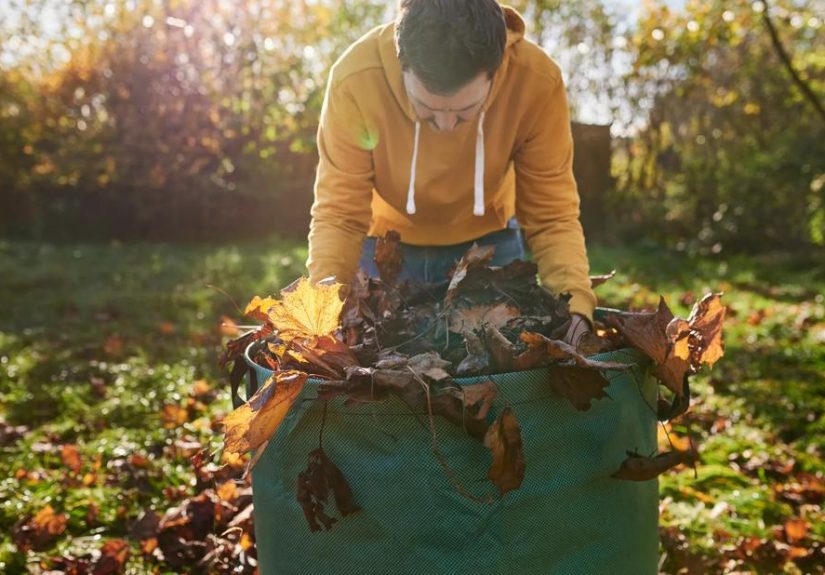
Gardening looks gentle from a distance, but your body knows the truth. It combines many of the exact motions that can irritate the lower back: bending, twisting, kneeling, reaching, lifting, pulling, pushing, and staying in one position too long. In other words, gardening is a workout wearing a floppy hat.
Your lower back tends to complain after gardening for a few main reasons. First, people often bend from the waist instead of hinging at the hips or kneeling down. Second, they repeat the same motion for too long, like weeding for an hour without changing position. Third, they lift awkward items such as wet soil bags, full watering cans, large pots, rocks, or yard debris with poor form. Fourth, they rush into the work cold, without any warm-up, because they assume gardening “doesn’t count” as exercise.
All of that adds up. Even if you are otherwise healthy, a long day in the yard can leave your back muscles overworked and your joints irritated. If you already have occasional low back pain, arthritis, stiffness, or a desk-job posture that resembles a question mark, the risk is even higher.
How To Prevent Back Pain Before You Start Gardening
1. Warm up like you mean it
One of the simplest ways to avoid back pain after gardening is to stop treating the first shovel of dirt as your warm-up. Your muscles and joints work better when they are not surprised. Start with five to ten minutes of light movement before you begin. A brisk walk, marching in place, shoulder rolls, gentle trunk movement, and easy hip stretches are all fair game.
The goal is not to audition for a fitness video. You just want blood flow, joint motion, and a reminder to your body that bending and lifting are coming. Think of it as telling your spine, “Heads up, we are about to become very interested in mulch.”
2. Plan the job before your back improvises
Take a minute to look at the work ahead. Which tasks are heavy? Which ones keep you crouched low? Which ones involve twisting or carrying? Set up your tools, gloves, hose, kneeling pad, bucket, and garden waste container before you begin. The less frantic back-and-forth you do, the less strain you put on your body.
It also helps to group tasks by body position. For example, do a short round of pruning, then switch to watering, then planting, then cleanup. Rotating jobs reduces repetitive strain and gives the same muscles a break.
3. Choose the right tools, not the nearest tools
Garden ergonomics matter more than most people realize. Long-handled tools can reduce the amount of stooping required for raking, hoeing, and cultivating. Ergonomic handles may reduce awkward wrist and hand positions, which also helps your shoulders and upper back work more efficiently. Lightweight tools can be easier to control and less tiring over time.
If a tool forces you to hunch, reach too far, or grip like you are arm-wrestling a raccoon, it is probably not helping your back. Better tools will not do the job for you, but they can stop the job from becoming a full-body complaint letter.
4. Bring the garden closer to you
If bending to the ground reliably triggers soreness, redesigning the garden can be one of the best long-term fixes. Raised beds, containers, vertical supports, and trellises can reduce the need for deep bending and prolonged kneeling. A potting bench at a comfortable height can also save your back during transplanting and repotting.
This is not “cheating.” It is smart garden design. Plants do not care whether you reached them from a raised bed or from a dramatic crouch that ruined your weekend.
Best Body Mechanics While Gardening
5. Bend at the hips and knees, not like a fishing pole
When you need to get low, avoid rounding forward from the waist whenever possible. Instead, hinge at the hips with a neutral back, bend your knees, or kneel on one knee. Keeping your spine in a more supported position helps distribute the effort to your hips and legs instead of dumping it all onto your lower back.
If you are planting or weeding close to the ground, alternate between kneeling, half-kneeling, squatting, and sitting on a low garden stool. Changing positions is one of the most effective ways to reduce post-gardening stiffness.
6. Face your work instead of twisting toward it
Twisting while bent over is a classic recipe for back strain. If the weeds, planter, or bag of compost are off to one side, move your feet so your body faces the task. It sounds basic, but this small adjustment can save a lot of irritation.
Whenever you carry, shovel, or place something, pivot with your feet instead of rotating through your spine. Your back prefers a graceful turn over a dramatic twist. It is fussy that way.
7. Keep loads close to your body
Whether you are lifting a pot, a bucket, or a bag of soil, keep it close to your torso. The farther a load is from your body, the harder your back has to work. This is especially true with awkward garden items that are bulky, slippery, or lopsided.
Use both hands when possible. Split large loads into smaller ones. Instead of carrying one heavy container and regretting your choices, take two lighter trips and keep your dignity intact.
8. Lift with your legs and do not be a twisting hero
Proper lifting matters in the garden just as much as it does in the gym or garage. Stand close to the object, keep your feet apart for balance, bend your knees, tighten your core gently, and lift with your leg muscles. Do not jerk the load upward. Do not twist while lifting. And if the item is too heavy or awkward, get help.
There is no gardening prize for hauling everything alone. The tomatoes will not applaud. Your lumbar spine definitely will not.
9. Use kneeling pads, stools, and support aids
Protecting your knees can help protect your back too. When your knees are uncomfortable, you are more likely to hunch or bend poorly. A foam kneeling pad, garden seat, or kneeler-bench can make low tasks much easier to tolerate. Some gardeners also do well with rolling garden seats for weeding and harvesting.
These tools are not just about comfort. They improve posture options, reduce fatigue, and make it easier to keep working without drifting into sloppy mechanics.
Pace Yourself So You Do Not Pay For It Tomorrow
10. Stop doing marathon gardening sessions
One of the biggest mistakes people make is trying to do everything in one glorious Saturday burst. Your garden may love that energy. Your back may file a formal complaint by dinnertime.
Break large jobs into shorter work periods. Twenty to thirty minutes of one task is usually kinder to your body than two straight hours of the same motion. Change positions often, switch tasks, and take standing or walking breaks. If you feel yourself getting tired, slow down before your form gets sloppy.
11. Respect fatigue, because fatigue ruins technique
Most people do not get hurt at the beginning of a chore session. They get hurt after they are tired, impatient, overheated, or determined to “just finish this one last thing.” That one last thing is usually suspiciously heavy.
As your muscles fatigue, your posture gets worse, your lifting gets less careful, and your balance can slip. The answer is not to push harder. It is to pause. Drink water. Stretch a little. Walk around. Then decide whether the next task still deserves your energy today.
12. Hydrate and work in sensible conditions
Heat and dehydration can increase fatigue and make your body less resilient during physical work. Garden in cooler parts of the day when possible, wear breathable clothing, and drink water regularly. It sounds unrelated to back pain, but anything that reduces fatigue and improves physical control can help reduce injury risk.
Strength and Flexibility Habits That Help Outside the Garden
If gardening seems to trigger back pain every single time, the problem may not be just the gardening. Sometimes the issue is that the body is underprepared for the demands of bending, lifting, carrying, and standing for long periods. A little regular conditioning can help a lot.
Core strength, hip mobility, and leg strength all support safer movement. Gentle exercises that strengthen your abdominal muscles, glutes, hips, and back can improve endurance and body control. Walking is also helpful. You do not need an elite training plan. You need a body that can manage real-life motion without panicking every time you meet a bag of compost.
Consistency matters more than intensity. Ten to fifteen minutes of mobility and strengthening work a few times a week can do more for gardening back pain than occasional heroic workouts followed by six days of sitting like a shrimp.
What To Do If Your Back Feels Sore After Gardening
A little muscle soreness after an active day is not unusual, especially if you have done more than usual or started the season with ambitious energy and questionable judgment. Mild soreness often improves with gentle walking, position changes, light stretching that does not increase pain, and taking a break from the heaviest tasks for a day or two.
What you want to avoid is total bed rest. In many cases, gentle movement is better than freezing in place and declaring yourself a lawn ornament. Keep activity easy and controlled, and do not return to heavy yard work until your body feels ready.
If the pain is sharp, intense, shooting down the leg, or getting worse instead of better, that is a different story. At that point, it is time to stop playing amateur mulch warrior and pay attention.
When Gardening Back Pain May Need Medical Attention
Seek medical care promptly if back pain is severe, follows a fall or major strain, travels below the knee, causes weakness, numbness, tingling, or loss of bladder or bowel control, comes with fever, or does not improve with reasonable self-care. Pain that is worse at night, constant, or paired with unexplained weight loss also deserves attention.
Those symptoms can point to something more than ordinary muscle soreness. Most gardening aches are mechanical and temporary, but some back pain is a sign that your body wants more than a heating pad and a stern pep talk.
Simple Daily Rules To Avoid Back Pain After Gardening
- Warm up before you touch a shovel.
- Use raised beds, containers, or vertical gardening when possible.
- Choose long-handled and ergonomic garden tools.
- Bend with your hips and knees instead of folding at the waist.
- Face your work and pivot your feet instead of twisting your spine.
- Keep heavy loads close to your body.
- Split large loads into smaller trips.
- Alternate tasks and change positions often.
- Use kneeling pads, stools, or benches for low work.
- Stop before fatigue turns you into a cautionary tale.
Conclusion
Learning how to avoid back pain after gardening is really about working smarter, not giving up the hobby you love. Warm up first. Use better posture. Lift with intention. Reduce bending when you can. Pace yourself before fatigue makes your technique messy. And design your garden in a way that supports your body instead of challenging it to a duel.
Your garden should leave you with dirty hands, a happy brain, and maybe a cucumber the size of a submarine. It should not leave you walking sideways for three days. With a few ergonomic habits and some honest respect for your lower back, you can keep gardening productive, enjoyable, and a lot less painful.
Experiences Gardeners Commonly Have With Back Pain After Gardening
Many gardeners first notice the problem in spring. After a winter of less movement, the first warm weekend arrives, and suddenly there is a heroic urge to do everything at once. Beds get cleaned, pots get moved, weeds get yanked, mulch gets spread, and by evening the gardener feels oddly proud and slightly welded together. The next morning, rolling out of bed becomes a strategic event. This is one of the most common experiences related to gardening back pain: doing seasonal work with enthusiasm that your body has not rehearsed for.
Another familiar scenario happens during weeding. At first, it feels harmless. You bend a little, pull a few weeds, shuffle forward, repeat. But after twenty or thirty minutes in the same rounded posture, the lower back starts sending polite warnings, then less polite ones. People often describe this as a deep ache or tightness that builds gradually rather than a sudden injury. When they switch to kneeling on one knee, use a stool, or break the task into shorter rounds, the difference is often dramatic. Same weeds. Fewer regrets.
Container gardening creates its own surprises. Pots look manageable until they are full of wet soil and roots, at which point they weigh approximately as much as a small planet. Gardeners often remember the exact moment they tried to lift a large planter while reaching slightly sideways, because that is when the back says, “Absolutely not.” After that experience, many become loyal fans of pot caddies, smaller containers, or the brilliant idea of filling heavy containers where they will stay instead of moving them later like a contestant on a garden-themed obstacle course.
There is also the “just one more bag” experience. A gardener is nearly finished, sees one last bag of compost, stone, or mulch, and decides there is no point putting it off. Unfortunately, tired muscles are not known for their excellent judgment. This is when poor lifting form, twisting, and overconfidence team up. Many people who later improve their gardening ergonomics say the biggest change was not fancy equipment. It was learning to stop before fatigue made every movement sloppier.
Older gardeners, and really any gardener with past back issues, often report that raised beds change everything. Tasks that used to trigger pain become much more tolerable when the work surface is higher. The same goes for long-handled tools. People sometimes resist these adaptations because they seem unnecessary or “for someone older.” Then they try them and realize that less bending means less pain, more endurance, and a better chance of enjoying the harvest instead of icing their back while glaring at the zucchini.
Perhaps the most encouraging experience is this: once gardeners start warming up, pacing themselves, and using better mechanics, they often feel better fast. Not perfect overnight, but noticeably better. They can work longer, recover faster, and finish the day feeling pleasantly used instead of physically betrayed. That is the sweet spot. Gardening should challenge your muscles a little, calm your mind a lot, and send you inside tired in a satisfying way, not folded like a beach chair in distress.






 Close
Close