
Table of Contents >> Show >> Hide
- Why Do People Annoy Us So Easily?
- Step 1: Pause Before You React
- Step 2: Identify Your Triggers
- Step 3: Reframe the Story in Your Head
- Step 4: Lower Your Expectations Without Lowering Your Standards
- Step 5: Communicate Before You Explode
- Step 6: Set Boundaries Like a Calm Adult
- Step 7: Build More Recovery Time Into Your Life
- Step 8: Practice Compassion Without Becoming a Doormat
- Step 9: Use Humor Wisely
- Step 10: Know When Annoyance Is a Bigger Sign
- Practical Examples: How to Be Less Annoyed in Real Life
- Daily Habits That Make People Less Annoying
- Extra Experience Section: Real-Life Lessons on Being Less Annoyed with People
- Conclusion: You Can Be Patient Without Pretending
- SEO Tags
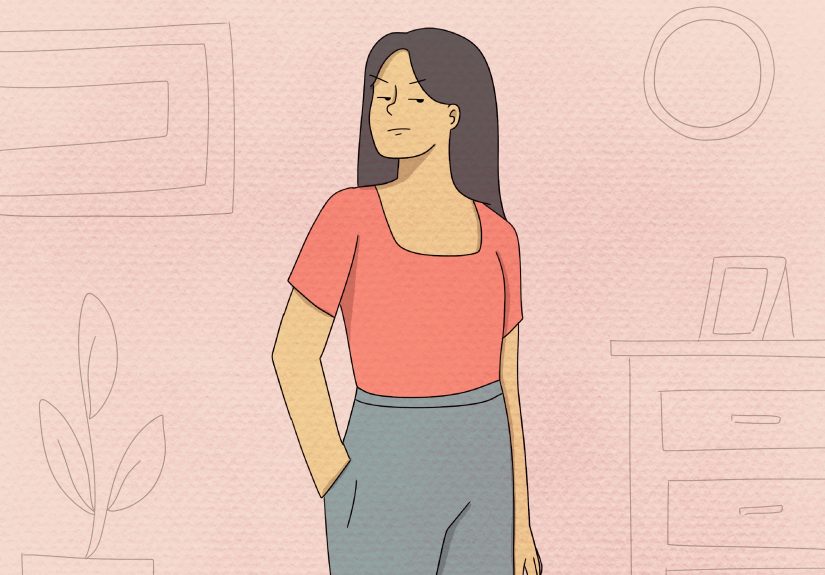
Some days, people are delightful. Other days, someone breathes too loudly, asks a question already answered in the email, chews like a tiny construction crew, or walks three miles per hour in the exact center of a hallway. Suddenly, your inner narrator becomes a very dramatic courtroom attorney: “Your Honor, this person is clearly guilty of ruining civilization.”
If that sounds familiar, congratulations: you are human, not broken. Feeling annoyed with people is normal. It often shows up when you are stressed, tired, overwhelmed, hungry, overcommitted, or quietly carrying expectations nobody else knows they are supposed to meet. The goal is not to become a smiling statue of endless patience. The goal is to understand your irritation, calm your body, adjust your thoughts, communicate better, and build healthier boundaries so other people do not feel like emotional sandpaper all day.
This complete guide will walk you through practical, realistic ways to be less annoyed with people without pretending everyone is wonderful all the time. Because let’s be honest: some people are still going to leave cabinets open. Growth has limits.
Why Do People Annoy Us So Easily?
Annoyance is usually not just about the other person. It is a mix of your mood, your expectations, your stress level, your personal values, and the meaning you attach to someone’s behavior. The same person who seems “quirky” when you are relaxed may seem “unbearably chaotic” when you slept four hours and have seventeen tasks waiting.
Annoyance Is Often a Stress Signal
When your nervous system is already overloaded, small irritations feel bigger. A slow cashier, a chatty coworker, a loud classmate, or a family member asking “What’s for dinner?” can feel like the final straw because your emotional bucket was already full. The annoying person may not be the real problem; they may simply be the last drop.
That is why one of the smartest first steps is not asking, “Why is everyone so irritating?” but “What is lowering my patience today?” Poor sleep, too much screen time, hunger, caffeine overload, lack of alone time, unfinished responsibilities, and constant notifications can all make people feel harder to tolerate.
Your Brain Loves Shortcuts
When someone bothers you, your mind often creates a quick story: “They are lazy,” “They are rude,” “They are doing this on purpose,” or “They never think about anyone else.” Sometimes that story is accurate. Sometimes it is just your brain trying to save time by making a fast judgment. Unfortunately, fast judgments are not always fair judgments.
Being less annoyed with people begins with creating a little space between what happened and what you assume it means.
Step 1: Pause Before You React
The pause is small, but it is powerful. When you feel irritation rising, your first instinct may be to sigh loudly, snap back, roll your eyes, send a spicy text, or mentally write a three-volume novel about how ridiculous this person is. Instead, try a short pause.
Take one slow breath. Relax your jaw. Drop your shoulders. Unclench your hands. This sounds almost too simple, but your body and brain are connected. When your body shifts out of threat mode, your thoughts usually become less dramatic.
Try the 10-Second Reset
Before responding to someone who annoys you, silently count to ten while breathing slowly. You do not need to look serene, enlightened, or like you just returned from a mountain retreat. Just give yourself ten seconds to stop the reaction from driving the car.
Ask yourself: “Will my next sentence make this situation better, worse, or just louder?” That question alone can save relationships, group projects, family dinners, and possibly several innocent coffee mugs.
Step 2: Identify Your Triggers
Everyone has irritation patterns. Maybe you get annoyed when people interrupt you, waste time, talk too loudly, repeat themselves, criticize you, ignore boundaries, or act helpless when they could solve the problem themselves. Your triggers are clues. They point to your values, needs, and sore spots.
For one week, keep a quick annoyance log. Nothing fancy. Write down:
- Who annoyed you?
- What happened?
- What were you feeling physically?
- What story did you tell yourself?
- What did you need in that moment?
You may notice patterns. Maybe you are most irritated before lunch. Maybe certain people drain you because they repeatedly ignore your limits. Maybe you are not actually angry at your roommate’s socks on the floor; you are tired of feeling like the only responsible adult in the room. The socks are just the tiny cotton flag of a bigger issue.
Step 3: Reframe the Story in Your Head
Reframing does not mean making excuses for bad behavior. It means choosing a more balanced interpretation before your brain turns one annoying moment into a full personality trial.
Instead of “They are so inconsiderate,” try “They may not realize how this affects me.” Instead of “They are trying to waste my time,” try “They might be confused, distracted, or handling something I cannot see.” Instead of “I cannot stand this person,” try “I am having a strong reaction right now, and I can handle it without making it worse.”
Use the “Maybe” Method
The word “maybe” is surprisingly useful. Maybe they are having a bad day. Maybe they misunderstood. Maybe they are nervous. Maybe they were raised in a family where interrupting was normal conversation, not a federal offense. Maybe they are still responsible for their behavior, but you do not have to add extra suffering by assuming the worst.
Reframing gives you options. It helps you respond based on the facts, not just the emotional headline your brain created in all caps.
Step 4: Lower Your Expectations Without Lowering Your Standards
A lot of annoyance comes from expecting people to behave exactly as we would. You may think, “I would never leave a mess like that,” “I would never be late,” or “I would never ask such an obvious question.” Maybe that is true. But other people have different habits, skills, priorities, and blind spots.
Lowering expectations does not mean accepting disrespect, cruelty, or chronic irresponsibility. It means understanding that humans are inconsistent. People forget things. People communicate poorly. People get distracted. People make weird noises while eating snacks. Society continues, somehow.
Hold people accountable when needed, but stop being shocked that humans are human. The less surprised you are by imperfection, the less personally attacked you will feel by it.
Step 5: Communicate Before You Explode
Many people wait until they are deeply annoyed before saying anything. By then, the message comes out with extra seasoning: sarcasm, sharp tone, exaggerated words like “always” and “never,” and facial expressions that could frighten houseplants.
It is better to address small issues early and calmly. Use “I” statements instead of character attacks. For example:
- Instead of “You never listen,” say “I feel frustrated when I have to repeat the same thing several times.”
- Instead of “You are so loud,” say “I am having trouble focusing. Could we lower the volume a little?”
- Instead of “You are irresponsible,” say “I need the shared space cleaned up by tonight.”
This approach does not guarantee the other person will respond perfectly. People are not vending machines where you insert respectful communication and receive emotional maturity. But it does increase the chances of a productive conversation.
Listen Like You Actually Want the Situation to Improve
Active listening is not just waiting for your turn to deliver a stunning comeback. It means trying to understand what the other person is saying, reflecting it back, and checking whether you got it right. You might say, “So you felt rushed and forgot to text me?” or “You are saying you did not realize the noise was bothering me?”
This does not mean you agree with everything. It simply keeps the conversation from turning into two people throwing emotional tennis balls at each other with no scoreboard and no winner.
Step 6: Set Boundaries Like a Calm Adult
Sometimes you are annoyed because someone keeps crossing a line you have not clearly drawn. Boundaries are not punishments. They are instructions for how you will protect your time, energy, and emotional health.
A good boundary is specific and connected to your own behavior. For example: “I cannot talk while being yelled at, so I am going to take a break and come back in twenty minutes.” Or: “I am not available for last-minute requests after 8 p.m.” Or: “I am happy to help, but I cannot do the whole project for you.”
Notice that boundaries are not speeches about how terrible the other person is. They are clear limits. Calm is powerful. Calm says, “I do not need to win a drama contest to take care of myself.”
Step 7: Build More Recovery Time Into Your Life
If you are constantly annoyed, your life may not have enough recovery built into it. Patience is not unlimited. It is more like a phone battery. If you run ten apps, keep the screen brightness at maximum, and never charge it, you cannot be shocked when it hits 2% and starts making desperate choices.
Recovery can be simple: sleep, quiet time, walking, stretching, journaling, reading, cleaning your space, spending time outside, talking to supportive people, or taking breaks from social media. These are not luxury items for people with perfect planners and matching water bottles. They are basic emotional maintenance.
Check the Physical Basics
Before deciding everyone is unbearable, ask: Did I sleep enough? Have I eaten something with actual nutrition? Have I moved my body? Have I had water? Have I been staring at a screen for five hours? Am I trying to make wise emotional decisions while fueled only by caffeine and resentment?
Your mood is not separate from your body. Treating your body better often makes people less annoyingnot because they changed, but because your tolerance improved.
Step 8: Practice Compassion Without Becoming a Doormat
Compassion is not the same as letting people behave badly. It means recognizing that other people have inner lives, pressures, insecurities, and limitations, just like you do. The person who annoys you may be anxious, lonely, overwhelmed, inexperienced, or completely unaware of how they come across.
Try silently saying, “This person is human, too.” It may feel cheesy at first, like something printed on a mug in a therapist’s office. But it helps soften the hard edges of irritation. You can still set boundaries. You can still say no. You can still correct a problem. Compassion simply keeps you from turning every annoyance into a moral emergency.
Step 9: Use Humor Wisely
Humor can reduce tension, especially when you use it on the situation rather than as a weapon against the person. There is a big difference between “Looks like the printer has chosen violence today” and “Wow, you are useless with technology.” The first one lightens the mood. The second one adds emotional gasoline.
When possible, laugh at the absurdity of life. Humans are strange. We hold doors for strangers and then rage at loading screens. We buy planners and ignore them. We say “No worries” while absolutely worrying. A little humor can remind you that annoyance is part of the comedy of being alive.
Step 10: Know When Annoyance Is a Bigger Sign
Occasional irritation is normal. But if you feel annoyed most of the time, snap at people often, feel constantly on edge, or struggle to calm down even after small problems, it may be worth looking deeper. Ongoing irritability can be connected to chronic stress, burnout, anxiety, depression, grief, unresolved conflict, poor sleep, or health issues.
If annoyance is damaging your relationships, school life, work, family peace, or self-respect, consider talking to a mental health professional, counselor, doctor, or trusted support person. Getting help does not mean you are “too sensitive” or “bad at life.” It means you are taking your emotional patterns seriously before they start running the show.
Practical Examples: How to Be Less Annoyed in Real Life
When Someone Talks Too Much
Instead of silently boiling, try: “I want to hear the main point, but I only have five minutes right now.” This is kind, clear, and far better than mentally moving to a cabin in the woods.
When Someone Keeps Interrupting
Say: “Hold on, I want to finish this thought first.” You do not need a ten-minute speech. A simple sentence can protect your space.
When Someone Is Always Late
Stop relying on hope as your scheduling strategy. Say: “I will wait ten minutes, and then I am going to start.” This shifts the boundary from complaint to action.
When Someone Is Negative About Everything
Try: “I hear you. I also need to focus on solutions right now.” You can acknowledge their feelings without renting an apartment in their pessimism.
When Family Members Push Your Buttons
Family can annoy us quickly because they know where the buttons are; some of them installed the buttons. Use short, calm phrases: “I am not discussing that today,” “I need a break,” or “Let’s come back to this later.” Repeating a boundary calmly is often more effective than explaining it twelve different ways.
Daily Habits That Make People Less Annoying
You cannot control everyone else’s behavior, which is tragic because many of us have excellent ideas for how everyone should improve. But you can build habits that make you more patient and less reactive.
- Start the day slower: Even five calm minutes can reduce emotional chaos.
- Reduce unnecessary noise: Constant alerts and background content can make your brain edgy.
- Move your body: Walking, stretching, or exercise can discharge tension.
- Use short breaks: Step away before irritation becomes a personality.
- Practice gratitude: Noticing what is good trains your mind not to scan only for problems.
- Choose your battles: Not every annoying moment deserves a meeting, a message, or a courtroom-level argument.
Extra Experience Section: Real-Life Lessons on Being Less Annoyed with People
One of the most useful lessons about being less annoyed with people is that irritation often feels logical in the moment. When someone cuts you off mid-sentence, leaves dishes in the sink, answers a simple question with a confusing story, or sends “Can we talk?” with no context, your annoyance may seem completely justified. And sometimes it is. The problem is not that annoyance exists. The problem is when annoyance becomes your default lens for viewing everyone around you.
In real life, becoming less annoyed usually starts with noticing the first small signs. For example, you might feel your shoulders tighten before you say anything. You might start using sharper words. You might begin collecting evidence: “They did this yesterday too,” “They always do this,” “Nobody respects my time.” Once your mind starts building a case, it becomes harder to see the person clearly. The earlier you catch the pattern, the easier it is to choose a better response.
A practical experience many people share is realizing that hunger, tiredness, and overstimulation make everyone look worse. Someone who seems unbearable at 5:30 p.m. after a long day may seem perfectly tolerable after dinner and ten minutes of quiet. This does not mean your feelings are fake. It means your emotional system is affected by basic human needs. Before having a serious conversation, it often helps to ask, “Do I need food, rest, space, or movement before I respond?” This question can prevent a small annoyance from becoming a dramatic scene with reviews from the whole household.
Another real-world lesson is that silence is not always patience. Sometimes people think they are being mature because they do not say anything when annoyed. But if they are silently storing resentment like emotional leftovers in the back of the fridge, the problem is not solved. Eventually, something tiny happens, and all the old frustration comes out at once. Healthy patience includes communication. It sounds like, “Could you please text me if you are running late?” or “I need quiet for the next hour.” Clear requests are much better than secret tests other people do not know they are failing.
It also helps to separate preference from principle. Some things are truly important: respect, safety, honesty, fairness, reliability. Other things are preferences: how someone loads the dishwasher, tells a story, organizes a desk, or chooses a route while driving. If you treat every preference like a principle, you will be exhausted and everyone around you will feel judged. Ask yourself, “Is this actually harmful, or is it just not my way?” That one question can lower daily irritation by a surprising amount.
Finally, experience teaches that being less annoyed with people does not mean becoming endlessly agreeable. It means becoming more skillful. You pause sooner. You assume less. You ask clearer questions. You set cleaner boundaries. You apologize faster when your tone gets unnecessarily spicy. You stop expecting every person to operate according to the invisible instruction manual in your head. Over time, people may not become less weird, loud, late, emotional, forgetful, or confusing. But you become steadier. And steadier feels a lot better than spending your whole day mentally yelling, “Why is everyone like this?”
Conclusion: You Can Be Patient Without Pretending
Learning how to be less annoyed with people is not about becoming fake-positive or letting everyone do whatever they want. It is about understanding your triggers, calming your body, checking your assumptions, communicating clearly, setting boundaries, and taking better care of your own emotional battery.
People will still be people. They will forget, interrupt, complain, overexplain, under-explain, breathe loudly, and occasionally stand in doorways for no known reason. But you do not have to give every annoying moment the keys to your mood. With practice, you can respond with more patience, humor, and control. That does not make you weak. It makes you emotionally efficientand honestly, that is a superpower with better posture.






 Close
Close