
Table of Contents >> Show >> Hide
- What Brining Actually Does (and Why It Works)
- Wet Brine vs. Dry Brine: Which One Should You Choose?
- Before You Brine: 3 Quick Checks That Save Thanksgiving
- How to Wet Brine a Turkey (Step-by-Step)
- How to Dry Brine a Turkey (The Crispy-Skin Favorite)
- Brining Time Guide (So You Don’t Wing It… Unless You’re Cooking Wings)
- How to Roast After Brining (Without Losing All That Juiciness)
- Common Brining Mistakes (and How to Avoid Them)
- A Simple Thanksgiving Brining Timeline (So You Can Sleep)
- Brining “Experience Notes” From Real Kitchens (What People Learn the Hard Way)
- SEO Tags
If Thanksgiving turkey has ever come out a little… “historic reenactment of the Oregon Trail,” you’re not alone. Turkey is lean,
big, and easy to overcookaka the perfect candidate for a little insurance policy. That’s where brining comes in.
Brining (wet or dry) helps the bird hold onto moisture and taste seasoned all the way throughnot just on the skin. Done right,
you’ll carve slices that look like magazine photos and taste like you paid someone’s aunt to do it.
What Brining Actually Does (and Why It Works)
Brining is essentially a salt-forward prep step. Salt changes how muscle proteins behave, helping meat retain more moisture during
cooking. The result: juicier turkey, better seasoning throughout, and (especially with dry brining) crispier skin.
The biggest brining myth: that it’s only about “adding water.” A good brine is more like a moisture-management strategy.
Think of it as setting the turkey up to succeed, even if someone insists on opening the oven every 7 minutes “just to check.”
Wet Brine vs. Dry Brine: Which One Should You Choose?
Wet brine (saltwater soak)
- Best for: Maximum moisture insurance, especially for first-timers.
- Trade-offs: Needs fridge space (or a properly iced cooler), can be messy, skin can get less crispy unless you dry it well.
Dry brine (salt rub + fridge rest)
- Best for: Deep turkey flavor and crispy skin with less hassle.
- Trade-offs: Requires planning (usually 24–72 hours), and you need a spot in the fridge on a tray.
If you want the simplest path to a juicy bird and great skin, dry brining is the modern favorite. If you’re nervous and want
a more traditional “soak,” wet brining still works beautifullyjust handle it safely.
Before You Brine: 3 Quick Checks That Save Thanksgiving
1) Is your turkey already “enhanced,” kosher, or self-basting?
Many supermarket turkeys are injected with a salt solution. If your label says “contains up to X% of a solution,” it may already be
pre-seasoned. You can still dry brine lightly, but go easy to avoid over-salting. Kosher turkeys are also usually pre-salted.
2) Your turkey must be fully thawed (or mostly thawed)
Salt needs access to the meat. If the turkey is still frozen solid in the middle, brining becomes uneven. Plan refrigerator thawing
ahead of time: a common rule is about 24 hours per 4–5 pounds in the fridge.
3) Food safety isn’t optionalkeep it cold
Brining is a long rest. Long rests must happen at safe temperatures. Keep turkey and brine at 40°F (4°C) or below.
That usually means the refrigerator. If you use a cooler, you must keep it properly iced and monitor the temperature like it’s the
hottest ticket in town.
How to Wet Brine a Turkey (Step-by-Step)
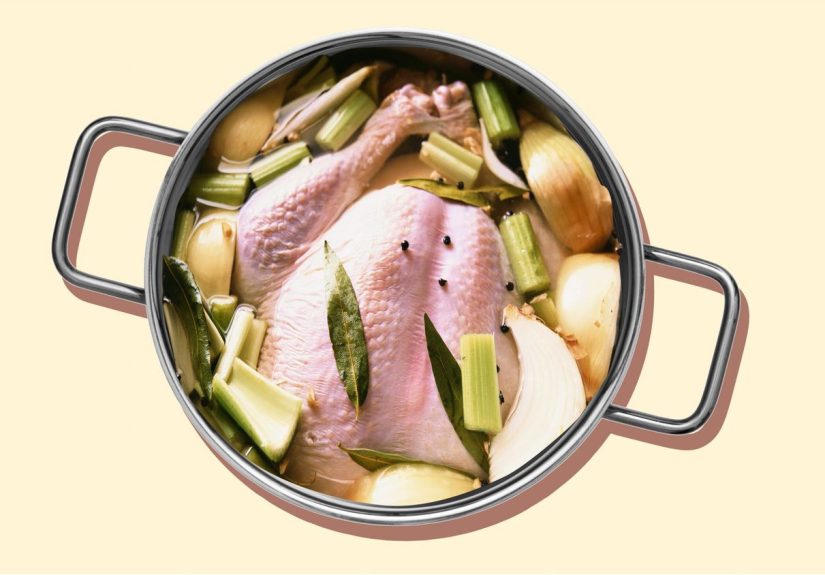
Wet brining is the classic method: submerge the bird in a saltwater solution for several hours to overnight (sometimes longer).
The keys are the right salt ratio, enough space, and strict cold storage.
Wet brine equipment checklist
- A large food-safe container (food-grade plastic, stainless steel, or glass)
- A refrigerator that can fit it or an iced cooler setup you can keep at 40°F/4°C or below
- A bag of ice (if using a cooler)
- A large roasting pan + rack for drying the turkey afterward
Wet brine ratio (easy, practical guideline)
A common baseline is about 1 tablespoon kosher salt per quart (4 cups) of water. That’s a brine that’s strongly
seasoned but not extreme. You can add sugar (for balance), plus aromatics (for vibes).
Simple wet brine recipe (for a 12–14 lb turkey)
- 2 gallons cold water (or enough to fully submerge)
- 2 cups kosher salt (adjust based on brand and crystal size)
- 1 to 1½ cups brown sugar (optional, for balance)
- Aromatics (optional): garlic cloves, peppercorns, bay leaves, citrus peels, thyme, rosemary
Wet brining instructions
-
Dissolve the salt (and sugar). Warm 1–2 quarts of water, stir in salt/sugar until fully dissolved, then add the rest
of the water cold. The brine must be fully chilled before the turkey goes in. -
Submerge the turkey. Remove giblets/neck if included. Place turkey in container, breast-side down is common.
Add brine until fully covered (weight it with a plate if it floats). - Brine cold. Refrigerate (ideal) for about 12–24 hours for most whole turkeys.
- Remove and dry. Lift turkey out, let excess drip off. Pat very dry with paper towels.
-
Air-dry for crispy skin. Place turkey on a rack over a tray and refrigerate uncovered for at least
8–24 hours if you can.
Wet brine flavor ideas (that won’t overpower the bird)
- Citrus-herb: orange/lemon peel, thyme, bay, peppercorns
- Warm-spice holiday: bay, peppercorns, a little clove or allspice (light hand!), orange peel
- Apple-cider-ish: replace part of the water with apple cider, plus rosemary and garlic
Reminder: brines don’t magically push strong flavors deep into the meat the way salt does. Aromatics mostly perfume the surface,
but that’s still deliciousespecially when you roast.
How to Dry Brine a Turkey (The Crispy-Skin Favorite)
Dry brining is simply salting the turkey in advance and letting time do the work. The salt pulls out moisture, forms a concentrated
“natural brine,” then that seasoned liquid gets reabsorbed. Meanwhile, the skin dries out in the fridge, which is exactly what you
want for browning.
How much salt for a dry brine?
A practical guideline is about 1 tablespoon of kosher salt per 4 pounds of turkey. Some cooks measure by weight
(percentage-based), but you don’t have to do math on Thanksgiving week unless that’s your hobby.
Optional crispy-skin upgrade: baking powder
A small amount of baking powder mixed with kosher salt can help the skin brown and blister. Use a modest amountthis is a technique,
not a science fair volcano.
Dry brining instructions (step-by-step)
- Pat the turkey dry. Dry skin = better results.
-
Salt thoroughly. Sprinkle salt evenly over the whole birdbreast, legs, back, and a little inside the cavity.
If you can, gently lift the skin over the breast and salt underneath for deeper seasoning. -
Refrigerate uncovered on a rack. Set the turkey on a rack over a rimmed baking sheet. Refrigerate
24–72 hours. (Even 12–24 hours helps.) - No rinsing. Just roast. Rinsing adds splash risk and can undo the dry-skin advantage.
What if you only have 6–8 hours?
You can still dry brine. It won’t be quite as deeply seasoned as a 2-day brine, but it’s often enough to noticeably improve texture
and moisture retention. Focus on even salt coverage and keeping the bird uncovered in the fridge.
Brining Time Guide (So You Don’t Wing It… Unless You’re Cooking Wings)
Dry brine timing
- Best: 48–72 hours
- Great: 24–48 hours
- Still helpful: 8–24 hours
Wet brine timing
- Most whole turkeys: 12–24 hours
- Smaller birds: 8–12 hours may be enough
More time isn’t always betterespecially with wet brines, which can push you into overly salty territory if you go very long with a
strong solution.
How to Roast After Brining (Without Losing All That Juiciness)
Brining helps, but it doesn’t grant immortality. You can still overcook turkey. The real secret weapon is a thermometer and a calm,
steady roasting plan.
Key roasting principles
- Dry the skin: Pat the turkey dry before it goes into the oven. Dry skin browns better.
- Use fat wisely: Brush with oil, melted butter, or even a thin layer of mayo (yes, really) for browning.
- Skip constant basting: It cools the oven and slows browning. If you want shine, baste once near the end.
-
Cook to temperature, not just time: Turkey is safe at 165°F in the thickest parts.
Many cooks pull breast meat a bit earlier and let carryover finish the job. - Rest before carving: 20–30 minutes helps juices redistribute.
Where to temp your turkey
Check the thickest part of the breast and the innermost part of the thigh without touching bone. Take multiple readings. If your
thermometer has an alarm, let it be your Thanksgiving assistant.
Common Brining Mistakes (and How to Avoid Them)
Mistake: Brining at room temperature
Don’t. A long soak must stay cold. If it’s not in the refrigerator (or a carefully managed icy cooler), it’s not safe.
Mistake: Forgetting to account for pre-salted turkeys
“Enhanced” turkeys can already contain salt. If you dry brine one, use less salt and skip extra salty seasonings until after you
taste the drippings/gravy.
Mistake: Not drying the bird afterward
Wet-brined turkey especially needs a drying phase for crispy skin. Uncovered fridge time is your friend here.
Mistake: Over-salting the surface
Even coverage matters more than a thick crust of salt. If you’re using a different brand of kosher salt, remember crystal size can
change how salty “a tablespoon” really is.
A Simple Thanksgiving Brining Timeline (So You Can Sleep)
If you’re dry brining
- Sunday/Monday: Buy turkey, start fridge thaw
- Tuesday night: Dry brine (salt + optional spices)
- Thursday morning: Roast
If you’re wet brining
- Monday–Wednesday: Thaw in fridge
- Wednesday morning: Wet brine (12–24 hours, refrigerated)
- Thursday morning: Remove, dry well, roast
Brining “Experience Notes” From Real Kitchens (What People Learn the Hard Way)
In a lot of households, the first “aha” moment comes when someone realizes turkey isn’t hardit’s just unforgiving. You can do
everything right with seasoning and still end up with dry slices if the bird goes too long. That’s why brining feels like a
Thanksgiving cheat code: it gives you a buffer against small timing mistakes, chatty guests, and ovens that run hot.
One common experience: wet brining sounds straightforward until you meet the physics problem of “Where do I put a 15-pound turkey
submerged in liquid?” People discover quickly that a stockpot takes up the entire refrigerator, and a brining bag in a roasting pan
is often the most realistic option. Others try a cooler method, then learn the important lesson that ice isn’t magic unless you
keep replacing it and actually track the temperature. The takeaway most home cooks repeat is simple: if you can’t keep it cold,
don’t do it that way.
Dry brining tends to create a different kind of learning curve. The early worry is, “Is this enough salt?” because it looks too easy.
But after a day or two, people notice the skin feels drier and slightly tacky, and that’s exactly what you want. When that turkey
roasts up with a crisp, bronzed surface, the method earns instant loyalty. Another familiar moment: someone tries to rinse the bird
“like Grandma did,” then realizes rinsing just makes the skin wet again and splashes raw poultry water around the sink. Dry brining
works best when you trust it and keep things… well, dry.
A frequent “wish I knew that earlier” tip is about salt brands. Many cooks measure kosher salt by volume, but not all kosher salt is
equally dense. People who switch brands mid-holiday sometimes end up with a turkey that tastes noticeably saltier than expected.
The practical fix most folks adopt is either sticking to the same salt brand each year, or applying salt with a light hand and
focusing on even coverage rather than heavy piles in one spot.
Another real-life lesson is that brining is not a substitute for a thermometer. Brining helps your turkey stay juicy, but it can’t
rescue a bird that’s cooked far beyond doneness. In many kitchens, the “best turkey we’ve ever made” story includes a thermometer
upgradeoften a probe thermometer that stays in the birdbecause it removes the guesswork. Once people experience carving a turkey
that’s rested properly and cooked to temperature, they stop treating the cook time on the package like it’s a legal document.
Finally, almost everyone has a gravy moment. Brined turkeys can produce drippings that are saltier than expected, especially if the
turkey was pre-salted to begin with. Experienced hosts taste before salting the gravy and use unsalted stock as a safety net. It’s
one of those “tiny detail, huge payoff” habits that makes the whole meal feel more polished. Brining is a big winbut the best
Thanksgiving turkeys happen when brining, drying, and temperature control all work together like a well-fed team.







 Close
Close