
Table of Contents >> Show >> Hide
- Arrowhead Vine Care at a Glance
- Meet the Plant: What “Arrowhead Vine” Actually Is
- Light: The Sweet Spot for Color and Growth
- Watering: Keep It Moist, Not Marshy
- Humidity: The Plant’s “Nice-to-Have” Upgrade
- Temperature: Cozy Indoor Comfort Wins
- Soil and Potting: Airy Mix, Good Drainage
- Fertilizing: Light Feeding, Not a Buffet
- Pruning and Training: Bushy Plant or Climbing VineYou Choose
- Repotting: When and How to Size Up
- Propagation: Make More Plants (Because One Is Never Enough)
- Common Problems and Fixes
- Pests: What to Watch For
- Safety Note: Toxicity and Handling
- A Special Outdoor Warning for Warm Regions
- Best Varieties to Try (and What They’re Like)
- Conclusion: The Low-Drama Plant That Still Brings the Drama (In a Good Way)
- Real-World Experiences With Arrowhead Vine Care (What Growers Commonly Notice)
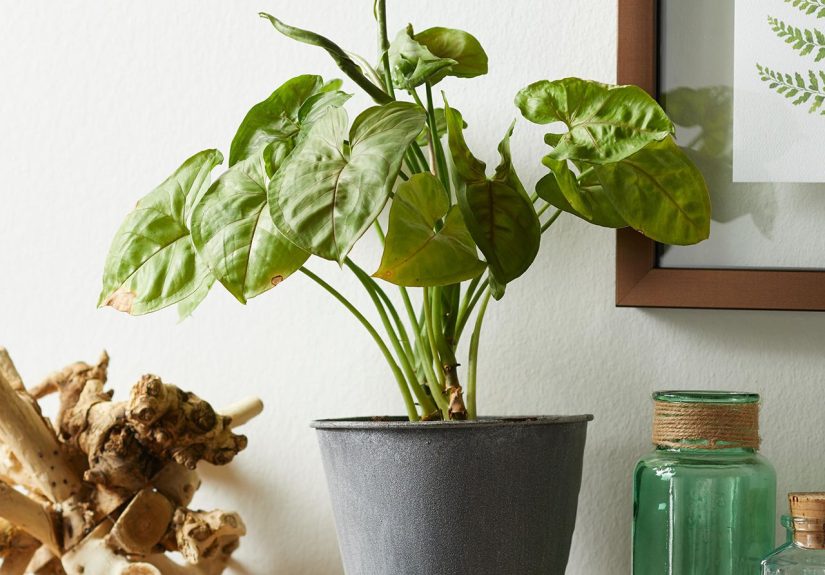
The arrowhead vine (Syngonium podophyllum) is that rare houseplant that looks like it belongs in a glossy design magazine
but behaves like a laid-back roommate who only asks for snacks and decent lighting. Give it bright, indirect light, don’t drown it,
and it’ll reward you with fresh, arrow-shaped leaves that can show off green, cream, pink, and silver tones depending on the variety.
In this guide, you’ll learn exactly how to care for arrowhead vinefrom watering and humidity to pruning, propagation, and troubleshooting.
Whether you’re growing a compact, bushy “baby” plant or training a vine up a pole like it’s auditioning for a jungle movie,
you’ll have a clear plan (and fewer “why are you drooping?” conversations).
Arrowhead Vine Care at a Glance
- Light: Bright, indirect is best; tolerates medium and even lower light with slower growth.
- Water: Water when the top 1–2 inches of soil feel dry; avoid soggy soil.
- Humidity: Prefers moderate-to-higher humidity, but adapts to average home levels.
- Temperature: Comfortable in typical indoor temps; protect from cold drafts.
- Soil: Well-draining potting mix (airy, not dense) to reduce root-rot risk.
- Feeding: Light feeding in spring/summer; ease up in fall/winter.
- Pruning: Prune to keep it bushy or to manage vines; it responds quickly.
Meet the Plant: What “Arrowhead Vine” Actually Is
Arrowhead vine goes by a bunch of aliasesarrowhead plant, goosefoot, nephthytis, “that cute pink one I saw on TikTok.”
Botanically, it’s Syngonium podophyllum, an aroid with a natural climbing habit. Indoors, it typically stays manageable,
but it can grow surprisingly fast under good conditions.
One fun trait: its leaves change shape as it matures. Juvenile leaves are often more simple and arrow-like; mature growth can become more
lobed or divided, especially if the plant is allowed to climb. If you’ve ever wondered why your friend’s arrowhead looks “fancier” than yours,
the answer might be: it has something to climb and enough light to feel ambitious.
Light: The Sweet Spot for Color and Growth
Bright, Indirect Light = Happy Leaves
Arrowhead vine does best in bright, indirect lightthink near an east-facing window, or a few feet back from a sunny south/west window.
Too much direct sun can scorch or fade leaves, especially on lighter, variegated varieties. Too little light won’t usually kill it,
but it can slow growth and reduce variegation.
How to “Read” Your Plant’s Light Feedback
- Leggy stems, long gaps between leaves: likely needs more light.
- Leaves bleaching or crispy patches: likely too much direct sun.
- Variegation fading: often a sign it wants brighter (still indirect) light.
Practical example: if your plant sits in a dim corner and looks like it’s reaching toward the window like a tiny green zombie,
move it closer to natural light (or add a grow light) and you’ll usually see sturdier growth within a few weeks.
Watering: Keep It Moist, Not Marshy
The “Top Two Inches” Rule
The most reliable watering strategy is simple: water when the top 1–2 inches of soil feel dry. Then water thoroughly until excess drains out.
Arrowhead vine likes evenly moist soil, but it hates sitting in water. Overwatering is the fastest way to turn a cheerful plant into a mystery
problem with yellow leaves and sad roots.
Watering Frequency Depends on Your Home
There isn’t a universal “water every 7 days” schedule because light, pot size, temperature, and humidity change everything.
A small plant in a bright window might need water weekly; a larger plant in medium light might go longer. In winter, most homes have lower light
and slower growth, so watering typically decreases.
Signs You’re Overwatering vs. Underwatering
- Overwatering clues: yellowing leaves, soft stems, fungus gnats, soil staying wet for many days.
- Underwatering clues: drooping leaves that perk up after watering, dry soil pulling away from pot edges, crispy tips.
Pro tip: use a pot with drainage holes. If your arrowhead vine is living in a cute container with no drainage, it’s basically wearing shoes
that fill with rainwater. It might survive, but it will complain (quietly, via leaf drama).
Humidity: The Plant’s “Nice-to-Have” Upgrade
Arrowhead vine prefers moderate to higher humidity, which is why it often looks extra lush in kitchens and bathrooms. That said, it’s adaptable:
many people grow it successfully at average household humidity.
Easy Ways to Increase Humidity (Without Turning Your Home Into a Rainforest)
- Group plants together to create a small humid microclimate.
- Use a humidifier during dry seasons.
- Place near, not on a pebble tray with water (the pot should not sit in water).
If you see brown leaf tips and your watering is consistent, dry air may be part of the story. Also consider water qualityhard water or heavy
mineral buildup can contribute to crispy edges.
Temperature: Cozy Indoor Comfort Wins
Arrowhead vine thrives in typical indoor temperatures. Keep it away from cold drafts, blasting AC vents, and windows that get chilly at night.
Sudden temperature swings can cause stress, which often shows up as drooping or leaf drop.
If you move your plant outdoors in summer, keep it shaded and bring it in before nights turn cool. Think “warm, gentle shade,” not “full sun
survival challenge.”
Soil and Potting: Airy Mix, Good Drainage
Choose a well-draining potting mix that stays lightly moist but doesn’t compact into a wet brick. Many indoor gardeners use an all-purpose
houseplant mix and add extra perlite, orchid bark, or similar chunky material to improve airflow.
Why Drainage Matters So Much
Aroids like syngoniums are prone to root problems when oxygen is limited. A dense, always-wet mix can smother roots and invite rot.
A slightly airy blend gives you a wider margin for errorgreat for real life, where nobody wants to schedule their entire personality around
moisture meters.
Fertilizing: Light Feeding, Not a Buffet
Arrowhead vine doesn’t need heavy fertilizing, but it can benefit from gentle feeding during active growth (spring and summer).
A balanced, diluted houseplant fertilizer once a month is a common approach. If your plant is growing steadily and leaves look healthy,
you can keep fertilizing minimal.
Signs You Might Be Overdoing Fertilizer
- Brown, crispy leaf edges even when humidity and watering are on point
- White crust on soil surface (salt buildup)
- Sudden leaf spotting after feeding
If you suspect buildup, flush the pot with water (let it drain fully) and ease up on fertilizer. Your plant wants nutrients, not a chemical
boot camp.
Pruning and Training: Bushy Plant or Climbing VineYou Choose
How to Keep Arrowhead Vine Bushy
If you want a compact, full-looking plant, prune the growing tips. Pinching or cutting back leggy stems encourages branching and creates a
bushier shape. This is especially useful if your plant is “reaching” due to lower light.
How to Train It to Climb
Arrowhead vine naturally wants to climb. Add a moss pole, coco coir pole, or trellis, then gently tie stems as they grow.
Climbing often encourages larger leaves and more mature leaf shapes. It’s like giving the plant a promotion and a ladder.
Repotting: When and How to Size Up
Repot when roots begin circling the pot, popping out of drainage holes, or when the plant dries out unusually fast. Many arrowhead vines
appreciate repotting every couple of years, but the real cue is root growth, not the calendar.
Repotting Tips That Prevent Shock
- Move up only one pot size (too large can hold excess moisture).
- Use fresh, airy mix and a pot with drainage holes.
- Water lightly after repotting and avoid heavy fertilizer for a few weeks.
Propagation: Make More Plants (Because One Is Never Enough)
Arrowhead vine is famously easy to propagate from stem cuttings, especially during spring and summer. The key is taking a cutting that includes
at least one node (the little bump on the stem where roots and leaves emerge).
Water Propagation Steps
- Choose a healthy stem and cut just below a node.
- Remove the lower leaves so the node can sit in water.
- Place in a jar of clean water in bright, indirect light.
- Change water every few days to keep it fresh.
- When roots are a few inches long, pot it into an airy mix and keep slightly moist at first.
Soil Propagation Steps
- Take a node-bearing cutting and let the cut end dry for a short time.
- Plant it in a lightly moist, airy mix.
- Keep humidity a bit higher (a loose plastic bag “tent” can help) and provide bright, indirect light.
- Watch for new growth, which signals rooting success.
Quick reality check: some cuttings root fast, others take their sweet time. Consistent warmth, bright indirect light, and patience do most of the work.
Common Problems and Fixes
Yellow Leaves
Most often: overwatering or poor drainage. Check soil moisture, confirm the pot drains, and make sure the mix isn’t compacted.
Occasional older leaves yellowing can also be normal as the plant grows.
Drooping Leaves
If soil is dry, water thoroughly and see if the plant perks up. If soil is wet, drooping may be stress from overwatering or cold drafts.
Evaluate your environment before adding more water “just in case.”
Brown Tips or Edges
Often caused by low humidity, inconsistent watering, or mineral buildup from hard water/fertilizer salts. Increase humidity modestly,
water more consistently, and consider flushing the soil if there’s visible buildup.
Leggy Growth
Usually a light issue. Move it to brighter indirect light and prune stems to encourage branching. If you want it climbing instead of sprawling,
add support and guide the stems upward.
Pests: What to Watch For
Arrowhead vine can attract common houseplant pests like spider mites, mealybugs, aphids, and scaleespecially when indoor air is dry or plants are crowded.
Inspect leaf undersides and stems regularly.
Simple Pest Control Approach
- Rinse foliage with lukewarm water to knock pests off.
- Wipe leaves with a soft cloth (especially helpful for mealybugs and scale).
- Use insecticidal soap or horticultural oil as needed, following label directions.
- Isolate the plant temporarily so pests don’t throw a party on your other houseplants.
Safety Note: Toxicity and Handling
Arrowhead vine contains insoluble calcium oxalate crystals and is considered toxic if chewed or ingested by pets and people.
Keep it out of reach of cats, dogs, and curious kids. If sap irritates your skin, wear gloves when pruning and wash hands afterward.
A Special Outdoor Warning for Warm Regions
In some warm climates, arrowhead vine can escape cultivation and become invasive outdoors. If you live in a region where it can survive year-round,
treat it as an indoor plant and dispose of trimmings responsiblydon’t toss cuttings into yard waste piles where they might root and spread.
Best Varieties to Try (and What They’re Like)
- ‘White Butterfly’: Light, airy variegation; benefits from brighter indirect light to maintain color.
- ‘Neon Robusta’ / pink-toned types: Warmer hues that often intensify with good light and steady care.
- ‘Albo’ variegated forms: High-contrast white and green; can be a bit more sensitive to harsh light and dryness.
- Classic green syngonium: Usually the most forgiving and fast-growing.
Conclusion: The Low-Drama Plant That Still Brings the Drama (In a Good Way)
If you remember only three things about how to care for arrowhead vine, make them these: bright indirect light, water when the top soil dries a bit,
and don’t trap it in soggy conditions. Add a little humidity if your home is dry, prune to shape it, and you’ll have a plant that grows with you
from cute and compact to climbing and bold.
And the best part? Arrowhead vine is forgiving. You don’t need perfection. You need consistency, drainage holes, and the willingness to admit
that “watering on a schedule” is how many of us ended up with a very hydrated pot of regret.
Real-World Experiences With Arrowhead Vine Care (What Growers Commonly Notice)
If you ask a room full of houseplant people about arrowhead vine, you’ll hear the same theme: “It’s easy… until it isn’t… and then it’s easy again.”
That’s not shadeit’s actually a compliment. Syngoniums tend to bounce back quickly once you correct whatever small mismatch happened between the plant’s needs
and your well-intentioned routines.
One of the most common experiences is the overwatering spiral. It often starts innocently: you water, the plant looks great, you water again
because you’re feeling responsible, and suddenly older leaves go yellow. Many growers learn that arrowhead vine prefers a “sip, then rest” rhythm.
Once people switch to checking the top inch or two of soil first, yellowing typically slows down. The plant may drop a leaf or two while it recalibrates,
then resumes growth like nothing happenedbecause plants are both dramatic and forgiving.
Another frequent observation is how strongly light affects shape and fullness. In medium-to-lower light, syngonium often stretches,
creating longer stems with more space between leaves. Some growers initially think this means the plant needs fertilizer, but the bigger win is usually more light.
Move it closer to a bright window (still indirect), and you’ll often see new growth come in tighter and sturdier. Pair that with pruning the longest stems,
and you can “reset” the plant into a bushier form within a season.
People also talk about the moment they discover that support changes the plant’s personality. As a trailing plant, arrowhead vine is charming,
but it can get floppy over timeespecially in a small pot where stems spill outward. Add a moss pole or a simple stake, and the plant shifts into climbing mode.
Growers often report slightly larger leaves and a more “mature” look when stems are trained upward. It’s one of those fun, visible experiments where the plant
gives you immediate feedback: “Oh, we’re doing vertical ambitions now? Great.”
A lot of “real-life” care stories revolve around humidity expectations. Many homes are dry in winter, and people notice brown tips or a slightly
crunchy feel on leaf edges. The good news: most syngoniums don’t require a rainforest to function. Growers often find that simple changeslike grouping plants,
moving the pot away from a heating vent, or running a humidifier in the room during the driest weeksmakes a noticeable difference. The plant doesn’t need spa-level
humidity; it needs you to stop aiming warm air at it like it owes you money.
Propagation is another shared experience that borders on a hobby addiction: one cutting turns into five. People love how easy syngonium is to clone.
The most common “aha” moment is learning what a node looks like. Once you can identify nodes, you can propagate confidently in water or soil and build a fuller pot
by replanting rooted cuttings back into the mother plant. Many growers use this trick specifically to thicken up leggy plantsturning a spindly vine into a lush
cluster without buying a whole new plant.
Finally, there’s the “pet parent” experience: realizing the plant is mildly toxic if chewed and adjusting placement. People often move it to a higher shelf,
use a plant stand, or designate a plant-only room. The plant is still absolutely worth keepingmost folks just learn to style it in a way that keeps curious mouths away.
In other words: the plant remains easy; the household logistics get a tiny bit more strategic.
If you take anything from these shared experiences, let it be this: arrowhead vine is a plant you learn by doing. It’s responsive, communicative (in leaf language),
and quick to reward small improvements. You don’t need perfect careyou need to notice patterns, make small tweaks, and let the plant show you what “happy” looks like.





 Close
Close