
Table of Contents >> Show >> Hide
- Start With the Job: What Do You Need the Window Treatment To Do?
- Curtains vs. Blinds vs. Shades: What’s the Difference (and Why It Matters)?
- Measure First, Then Shop: The Fit Is Half the Battle
- Match the Treatment to the Room (Because Bathrooms Have Different Needs Than a Home Theater)
- Door-Specific Window Treatments: Sliding Doors vs. French Doors vs. Glass Front Doors
- Energy Efficiency: Keep Comfort In and Energy Bills From Doing Parkour
- Light Control and Privacy: Opacity Levels Explained Like a Normal Human
- Style and Design: Make It Look Intentional (Not Like You Panicked at Checkout)
- Materials Matter: Choose What Can Survive Your Actual Life
- Safety and Convenience: Cordless, Motorized, and Smart Options
- A Step-by-Step Buying Process That Prevents “Oops” Purchases
- Common Mistakes (and How To Avoid Them Without Crying)
- Conclusion: The “Right” Window Treatment Is the One That Fits Your Life
- Real-World Experiences: What People Learn After Living With Their Choices (About )
Window treatments are the unsung heroes of your home. They block glare, protect privacy, soften echo-y rooms, help with drafts, andwhen chosen wellmake your space look like it got a makeover without the emotional damage of a full renovation.
Choose poorly, and you’ll live with slats that clatter like a tiny percussion section, curtains that “kiss” the floor by punching it, or a shade that smacks your door handle every time you open it. Let’s avoid all that.
This guide walks you through how to pick curtains, blinds, shades, and door-friendly window coverings based on light control, privacy, insulation, durability, safety, and styleplus how to measure correctly so your “custom look” doesn’t turn into “return label chic.”
Start With the Job: What Do You Need the Window Treatment To Do?
Before you fall in love with a linen Roman shade that looks like it belongs in a magazine spread, ask what the treatment needs to accomplish in that specific spot. Most decisions become easy when you rank these factors:
- Privacy: Street-facing windows, bathrooms, bedrooms, and glass doors usually need more coverage.
- Light control: Do you want soft glow, glare reduction, or full blackout?
- Insulation + comfort: Drafty windows, hot afternoons, and chilly mornings benefit from insulating options.
- UV protection: Sun-faded rugs and furniture are expensive life lessons.
- Ease of use: Daily-use windows need simple operation (and possibly motorization).
- Durability + cleaning: Kitchens, baths, and pet zones should be easy to wipe or wash.
- Style: Modern, traditional, coastal, cozy-cottageyour window coverings help set the tone.
A Fast “Best Match” Cheat Sheet
- Maximum privacy + blackout: Blackout curtains, blackout roller shades, cellular blackout shades.
- Flexible light control: Blinds (tilting slats), light-filtering cellular shades, layered curtains + shades.
- Energy efficiency: Insulated cellular (honeycomb) shades, lined drapes, tight-fitting shades.
- Easy cleaning: Faux wood blinds, vinyl roller shades, composite shutters.
- Soft, high-end look: Drapery panels, Roman shades, woven wood shades (often lined).
- Sliding doors: Vertical blinds, panel track shades, large-scale drapery, or sliding panels.
- French doors: Slim blinds, roller shades, or cellular shades with hold-down options.
Curtains vs. Blinds vs. Shades: What’s the Difference (and Why It Matters)?
Curtains and Drapes
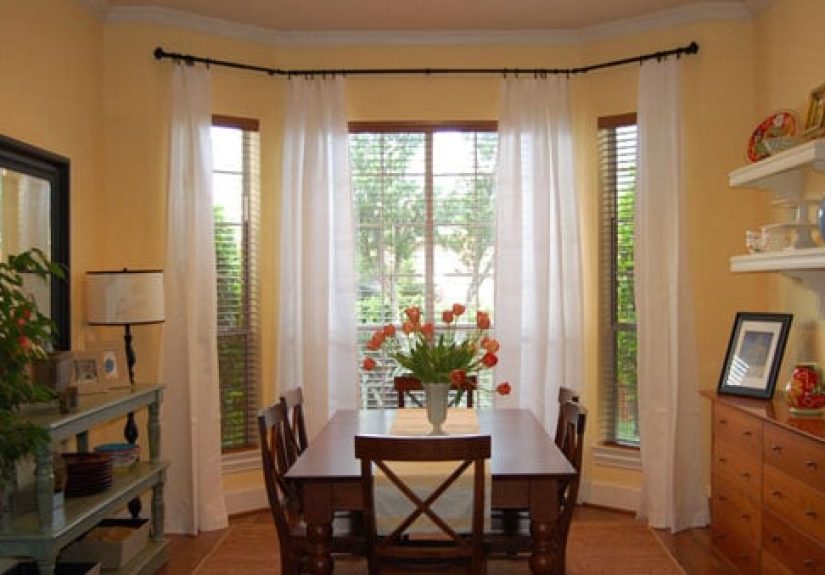
Curtains and drapes are fabric panels. “Drapes” usually implies heavier fabric, lining, and a more formal look.
They’re great for softening a room, improving acoustics, adding warmth, and creating a finished design moment.
- Best for: Living rooms, bedrooms, dining rooms, layered looks, tall ceilings.
- Pros: Cozy, stylish, great for insulation when lined, easy to swap seasonally.
- Cons: Can collect dust, may require more space to stack back, can snag on door handles if used on doors.
Blinds
Blinds have slats (wood, faux wood, aluminum, vinyl). You adjust light by tilting slats and raising/lowering.
Blinds are the “precision tool” of light controllike sunglasses with a dimmer switch.
- Best for: Kitchens, bathrooms (with moisture-safe materials), offices, modern spaces, tight budgets.
- Pros: Excellent light control, many durable options, generally easy to clean.
- Cons: Can look busy on large windows, slats can bend, some designs can rattle in drafts.
Shades
Shades are typically one continuous piece of fabric or material (roller, Roman, cellular, woven wood, solar).
They create a cleaner, softer look than blinds and come in many opacity levels.
- Best for: Bedrooms, nurseries, living spaces, large windows, minimal aesthetics.
- Pros: Sleek, customizable, great at light filtering and blackout, often better for insulation.
- Cons: Less “micro-adjustment” than blinds unless you choose specialty designs (like dual shades).
Measure First, Then Shop: The Fit Is Half the Battle
Measuring isn’t glamorous, but neither is discovering your “perfect” shade needs a deeper window frame than you actually have.
Two key concepts matter most: inside mount vs outside mount.
Inside Mount
Installed inside the window frame for a clean, built-in look. It’s popular for shades and blinds, but requires enough depth in the window casing.
Many inside mounts need at least modest depth, and a flush look needs more.
Outside Mount
Installed on the wall or trim around the window. This can make windows look larger, hide imperfect frames, and reduce light gaps.
It’s also helpful when the window frame isn’t deep enough for an inside mount.
Basic Curtain Sizing Rules That Save You From Regret
- Width (fullness): For a rich look, total curtain panel width is often about 2x the window width (more for sheers).
- Rod placement (height): Hanging the rod higher generally makes windows feel taller and more polished.
- Rod placement (width): Extend the rod beyond the window so panels can stack back and let in more light.
- Length: Floor-length is usually the most timeless; “kissing” the floor looks tailored, while puddling is dramatic but less practical.
Pro tip: If your home has uneven floors (many do), measure in a few spots. The goal is “intentional,” not “why is the left curtain wearing platform shoes?”
Match the Treatment to the Room (Because Bathrooms Have Different Needs Than a Home Theater)
Bedrooms
Prioritize sleep-friendly light control and privacy. Blackout shades or lined drapes are common winners.
If you want both style and performance, layer a blackout shade with decorative curtains.
- Great combos: Blackout roller shade + curtain panels; blackout cellular shade + drapes.
- Example: Street-facing bedroom: light-filtering shade for daytime privacy, plus blackout layer for sleep.
Living Rooms
This is where you often want flexibility: reduce glare, maintain some view, and keep the room feeling welcoming.
Light-filtering shades, sheers, and layered looks shine here.
- Great combos: Solar shade + curtains; Roman shade + drapery side panels.
- Example: TV glare problem: solar shade to cut glare without turning the room into a cave.
Kitchens
Grease, humidity, and splashes mean fabric needs to be washableor you choose materials you can wipe clean.
Consider roller shades, faux wood blinds, or short café curtains that stay clear of countertops.
Bathrooms
Moisture resistance matters. Faux wood, vinyl, aluminum, and synthetic shades do well.
For privacy with light, look for top-down/bottom-up cellular shades or frosted-style light-filtering options.
Home Offices
Screens and sunlight are frenemies. Glare control is key, and adjustable light helps video calls look less like a witness protection program.
Solar shades or light-filtering cellular shades are popular choices.
Door-Specific Window Treatments: Sliding Doors vs. French Doors vs. Glass Front Doors
Sliding Glass Doors and Patio Doors
Sliding doors need treatments that move easily, stack neatly, and don’t block the handle. Bulkier options can get in the way fast.
Consider solutions designed for wide openings.
- Vertical blinds: Practical, budget-friendly, easy to operate (modern versions look better than the old “office lobby” stereotype).
- Panel track shades: A sleeker alternative to vertical blinds; great for large expanses of glass.
- Drapery panels: Adds softness and style; use sturdy hardware and enough stackback space.
- Sheer layers: Sheer curtains can soften light while preserving brightness, with a blackout layer if needed.
Example: A living room slider that faces a neighbor: layer a light-filtering panel track (privacy by day) with curtains for softness and extra coverage at night.
French Doors
French doors are beautifuland picky. The window treatment must clear the door handle, stay put when the door swings, and avoid looking bulky.
Slim-profile options are often best.
- Roller shades: Low profile, clean look, easy to mount on the door.
- Cellular shades: Great for insulation; choose a slim style that won’t interfere with hardware.
- 1-inch blinds: A classic, shallow option that can fit behind many door handles.
- Hold-down brackets: Helps keep the bottom from swinging when the door opens.
- Café curtains: Charming for kitchens and breakfast nooks; adds privacy while letting in light up top.
Glass Front Doors, Sidelights, and Transoms
Here you’re balancing curb appeal, light, and security-feeling privacy. Sidelights often look best with tailored, narrow treatments.
Transoms may not need coverings unless there’s intense glare.
- Good options: Cellular shades, roller shades, tailored Roman shades, or simple sheers layered with privacy-focused shades.
- Example: Entry door with sidelights: top-down/bottom-up shades let you block sightlines while still welcoming daylight.
Energy Efficiency: Keep Comfort In and Energy Bills From Doing Parkour
If a window is drafty or sun-blasted, your window covering can do real worknot just decorative work.
Insulating treatments help trap air between the covering and the glass, improving comfort.
Best Choices for Insulation
- Cellular (honeycomb) shades: Often among the best insulating window coverings because the pockets trap air.
- Lined drapes and curtains: Especially helpful when you close them at night in cold weather or during peak heat.
- Tighter fits: Treatments that sit close to the window (or have side channels in some designs) reduce drafts and light gaps.
Example: If your bedroom window feels icy in winter, an insulated cellular shade plus a lined curtain can turn “drafty cave” into “cozy retreat.”
Light Control and Privacy: Opacity Levels Explained Like a Normal Human
- Sheer: Softens light, minimal privacy at night (people can often see silhouettes).
- Light-filtering: Bright but diffused; good daytime privacy depending on fabric and lighting.
- Room-darkening: Blocks a lot of light; good for bedrooms and media rooms, though not always total blackout.
- Blackout: Maximum light blocking; best for sleep, nurseries, and shift workers.
Privacy reality check: Many light-filtering fabrics look private in daylight, but at nightwhen indoor lights are onthey can become more see-through. If you want true night privacy, choose room-darkening/blackout or layer with curtains.
Style and Design: Make It Look Intentional (Not Like You Panicked at Checkout)
Pick a Visual “Weight” That Matches the Room
- Minimal + modern: Roller shades, solar shades, simple linen curtains, sleek hardware.
- Warm + cozy: Textured curtains, woven wood shades (often lined), soft Roman shades.
- Classic + tailored: Pinch-pleat drapes, structured Roman shades, wood blinds.
- Coastal + airy: Light-filtering shades, breezy sheers, natural fibers (with practical linings if needed).
Layering Is the Designer Trick That Works in Real Life
Layering gives you the best of both worlds: a functional base (shade or blind) plus decorative softness (curtains).
It also helps with privacy and insulationwithout forcing you to choose between “pretty” and “useful.”
Materials Matter: Choose What Can Survive Your Actual Life
- Faux wood: Great for humidity-prone areas; looks like wood, wipes clean.
- Real wood: Beautiful, but can warp in high humidity; better for dry rooms.
- Aluminum: Durable, budget-friendly, good for modern looks; can bend if mistreated.
- Polyester/technical fabrics: Common in roller/cellular shades; stable, easy-care.
- Linen/cotton curtains: Soft, classic; consider lining to improve privacy and reduce sun fading.
- Woven wood: Adds texture; often needs a liner for privacy.
Safety and Convenience: Cordless, Motorized, and Smart Options
Cord safety is a big deal, especially in homes where kids or pets are around. Cordless and inaccessible-cord designs have become the norm for many products,
and they’re also cleaner-looking and easier to use.
When Motorized Makes Sense
- Hard-to-reach windows: Over a tub, above stairs, or tall two-story spaces.
- Daily routines: Open in the morning, close at nightautomation keeps it consistent.
- Large sliders: Wide openings are easier with smooth, guided systems.
You don’t have to “smart-home” everything. Even a simple cordless shade that operates smoothly can feel like an upgrade because it removes daily friction (and the urge to yank cords like you’re starting a lawnmower).
A Step-by-Step Buying Process That Prevents “Oops” Purchases
- Identify the priority: privacy, blackout, glare control, insulation, or stylerank them.
- Choose the category: curtains/drapes, blinds, shades, or a layered combo.
- Decide mount type: inside mount for a sleek look (if depth allows), outside mount for coverage and drama.
- Measure carefully: width and height in multiple places; note depth and obstacles (handles, cranks, trim).
- Pick materials and opacity: match humidity, sunlight, and cleaning needs to the right fabric/material.
- Select hardware and controls: rods, rings, tracks, cordless, motorizedmake it practical.
- Plan installation reality: doors need clearance; sliders need stack space; curtains need enough return (coverage) to block light gaps.
Common Mistakes (and How To Avoid Them Without Crying)
- Mistake: Curtains too narrow. Fix: Use enough panel width for fullness and coverage.
- Mistake: Rod too low and too short. Fix: Mount higher and extend wider to make windows look larger.
- Mistake: Choosing a bulky treatment for a French door. Fix: Use slim shades/blinds and check handle clearance.
- Mistake: Ignoring humidity and cleaning needs. Fix: Bathrooms/kitchens deserve wipeable materials.
- Mistake: No plan for nighttime privacy. Fix: If it’s sheer or light-filtering, add a lining or layer.
Conclusion: The “Right” Window Treatment Is the One That Fits Your Life
Choosing the right curtains, blinds, shades, and window treatments is less about chasing the trend of the week and more about matching function to the reality of your home.
Start with what you needprivacy, light control, insulation, durabilitythen choose the style that makes you happy every time you walk into the room.
Measure carefully, respect door handles (they have feelings, apparently), and don’t be afraid to layer.
The best window treatment is the one that looks great, works smoothly, and makes your home feel like it’s on your side.
Real-World Experiences: What People Learn After Living With Their Choices (About )
The most helpful lessons often come after the installwhen real life shows up with muddy paws, blazing sunsets, and a door that opens approximately 900 times a day.
Here are common “experience-based” takeaways homeowners share when choosing window treatments for doors and windows.
1) The Living Room Glare Battle Is Real
Many people start with beautiful curtains and then realize the afternoon sun turns the TV into a mirror. The fix that gets mentioned again and again is adding a light-filtering or solar shade underneath.
You keep the softness of curtains, but the shade handles glare in a way fabric alone sometimes can’tespecially on big, bright windows.
The surprising part? A subtle shade can make the room feel more open because you’re not constantly closing heavy panels just to see the screen.
2) Sliding Doors Need “Smooth and Predictable,” Not “Fussy and Flowy”
People love the idea of dramatic drapes on slidersuntil they notice the daily friction: fabric catching, panels dragging, or constant handprints.
A common solution is combining a functional base (panel track shades or vertical-style coverings) with stationary side panels that frame the door.
That way, the part you touch every day is built for movement, while the decorative layer stays pretty and out of the way.
3) French Doors Teach You To Respect the Handle
French doors look simple until you try to add window coverings. Homeowners often discover their first pick bumps the handle, won’t sit flat, or swings like a tiny sail when the door opens.
Slim roller shades and shallow blinds are frequent “second tries” that finally work.
Another common “wish we knew sooner” detail: hold-down brackets (or similar stabilizers) can make a huge difference, especially if the door gets used constantly.
4) Pets and Kids Change the Rules (Even If You Don’t Have Them)
Even people without kids mention choosing cordless options because they’re cleaner-looking and easier to operate.
Pet owners, meanwhile, learn quickly that long puddled curtains can become a lint magnetor an irresistible “hide-and-pounce” station.
In high-traffic homes, many end up preferring curtains that barely kiss the floor or hover slightly above it for easier cleaning.
5) Energy Comfort Is NoticeableNot Just “Nice in Theory”
In colder climates (or in homes with older windows), people often report that insulated shades make rooms feel less drafty, especially at night.
The practical habit that sticks: open coverings during sunny winter days to capture warmth, then close them when it gets dark to reduce heat loss.
It’s one of those small routines that feels low-effort once you have the right setupand it can noticeably change how comfortable a room feels.
The shared theme in these experiences is simple: the best window treatment isn’t just the one that looks good in a product photo.
It’s the one that works well at 7 a.m. on a busy weekday, holds up to your space, and makes your home feel calmernot more complicated.





 Close
Close