
Table of Contents >> Show >> Hide
- Meet Dieffenbachia seguine (aka “Dumb Cane,” Not a Compliment)
- Light: Bright, IndirectLike a Good Personality
- Watering: Moist, Not Marshy
- Soil and Potting: Drainage Is the Deal
- Temperature and Humidity: Keep It Cozy
- Fertilizer: Feed the Leaves (Gently)
- Pruning and Shaping: Yes, You Can Give It a Haircut
- Repotting: When (and How) to Upgrade the Apartment
- Propagation: Make One Plant Become Two (or Five)
- Common Problems and How to Fix Them
- Pests: The Uninvited Guests (and How to Kick Them Out)
- Safety Note: Toxic Sap and Pet/Kid Precautions
- Quick Care Checklist
- Grower Experiences: What Usually Happens in Real Homes (and What to Do About It)
- Conclusion
If houseplants had a personality quiz, Dieffenbachia seguine would score “low drama, high impact.”
It’s the kind of tropical beauty that shows up with big, patterned leaves and says, “Don’t worry, I’ll adapt.”
Give it a bright spot, a sensible watering routine, and a pot that actually drains (revolutionary concept, I know),
and it will reward you with lush growth that makes your room look instantly more alive.
This guide walks you through everything: light, watering, humidity, soil, fertilizer, pruning, repotting,
propagation, troubleshooting, and pest controlplus a longer “real-life grower experiences” section at the end
so you can learn from the stuff people usually only figure out after the third “why are you yellow?” leaf.
Meet Dieffenbachia seguine (aka “Dumb Cane,” Not a Compliment)
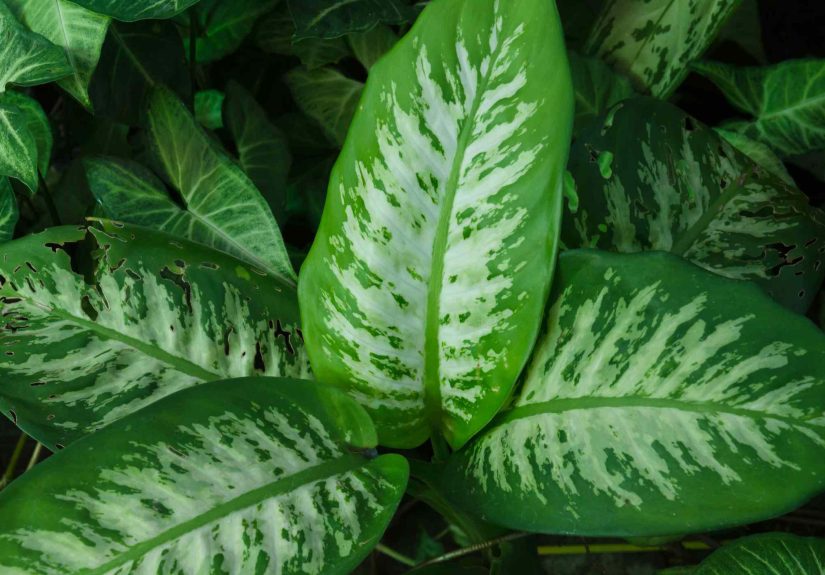
Dieffenbachia seguine is a tropical aroid grown primarily for its large, variegated leavesoften green
with creamy or pale patterns. Indoors, it’s typically upright and cane-like, eventually forming a thicker stem
as lower leaves age out. That gradual “bare trunk at the bottom, leafy at the top” look is normal for mature
plants, not a personal attack.
It’s considered beginner-friendly because it tolerates less-than-perfect conditions, but it thrives when you
match its rainforest preferences: bright filtered light, warm temperatures, and steady (not soggy) moisture.
Light: Bright, IndirectLike a Good Personality
The sweet spot is bright, indirect light. Think: near an east window, or a few feet back from a
bright south/west window with a sheer curtain. Too much direct sun can scorch leaves; too little light can
lead to slower growth and less dramatic variegation.
Easy light test
- Great light: You can comfortably read a book there during the day without squinting.
- Too bright: Hot sun beams hit leaves for hours (leaf scorch risk).
- Too dim: New leaves come in smaller, the plant stretches, patterns fade.
Rotate the pot about a quarter turn every week or two so it grows evenly instead of leaning like it’s trying to
eavesdrop on your conversations.
Watering: Moist, Not Marshy
The #1 way people accidentally upset a Dieffenbachia is watering like it’s a cactus one week and a rice paddy the next.
Aim for consistency: water thoroughly, let excess drain, and then wait until the top layer dries
before watering again.
A simple watering rhythm
- Stick your finger into the soil about 1 inch deep.
- If it feels dry at that depth, it’s usually time to water.
- Water until it runs out of the drainage holes.
- Empty the saucer so roots aren’t sitting in water.
In spring and summer, you’ll likely water more often. In fall and winter, growth slows and the plant uses less water,
so you should reduce watering frequency. If your home is cool and the soil stays wet for days, slow down even more
that’s how root rot becomes the unwanted “surprise guest.”
Soil and Potting: Drainage Is the Deal
Use a well-draining, organic-rich potting mix. Many growers get great results with a quality
houseplant mix plus extra perlite or bark for airflow. The goal is soil that holds some moisture but doesn’t stay
waterlogged.
Pot rules that save lives (plant lives, but still)
- Always use a pot with drainage holes. “No drainage” is basically a root rot subscription.
- Choose the right size: when repotting, go only 1–2 inches wider than the current pot.
- Terracotta vs plastic: terracotta dries faster (helpful if you overwater), plastic holds moisture longer (helpful if you forget).
Temperature and Humidity: Keep It Cozy
Dieffenbachia likes typical indoor warmth: roughly 60–75°F is a comfortable target. Avoid cold drafts,
sudden temperature swings, and chilly windows in winter. If your plant’s leaves look sad after a cold snap, it’s not being
dramatictropical plants genuinely dislike surprise weather.
Humidity helps keep leaves looking their best. It can tolerate average home humidity, but it’s happiest with a boost.
If your air gets dry (especially with heating or AC), try:
- A small humidifier nearby
- A pebble tray (water below the pot, not touching the bottom)
- Grouping plants together to create a more humid “micro-zone”
Fertilizer: Feed the Leaves (Gently)
Because this plant is all about foliage, light feeding during active growth can help it stay vibrant. In spring through
early fall, use a balanced houseplant fertilizer at a diluted strength about once a month (or follow your
product directions). In winter, pause or reduce feedingforcing growth in low light can produce weak, leggy stems.
If you see older leaves yellowing while new growth looks pale, it can be a hint the plant needs a nutrition adjustmentor
it may be a watering/light issue. (We’ll troubleshoot that below.)
Pruning and Shaping: Yes, You Can Give It a Haircut
As Dieffenbachia matures, it often drops lower leaves naturally. If it gets too tall, too bare, or just starts looking
like a leafy lollipop, you can prune it back to encourage new growth.
How to prune without panicking
- Use clean, sharp pruners.
- Cut above a node (a point where a leaf once attached or where you see growth points).
- New shoots often emerge below the cut, creating a fuller plant over time.
Important: the sap can irritate skin and is toxic if ingested, so wear gloves and keep pets/kids away
from cuttings and plant juices.
Repotting: When (and How) to Upgrade the Apartment
Many indoor Dieffenbachias appreciate repotting about every 1–2 years, especially if they’re growing quickly. Signs it’s
time include roots circling the bottom, roots poking out of drainage holes, or water rushing through the pot too quickly.
Repotting steps
- Choose a pot 1–2 inches wider than the current one, with drainage holes.
- Gently slide the plant out and inspect roots (healthy roots are usually firm and light-colored).
- If roots are tightly circling, loosen them a bit before replanting.
- Set the plant at the same depth as before; fill around it with fresh mix.
- Water once to settle soil, then return to normal watering routine.
Propagation: Make One Plant Become Two (or Five)
Dieffenbachia seguine is commonly propagated through stem (cane) cuttings or division.
Spring and early summer are usually the easiest times because the plant is actively growing.
Option 1: Cane cutting
- Cut a healthy section of cane with at least one node.
- Let the cut end dry briefly (this can reduce rotting risk).
- Place the cutting in moist, well-draining media (or water, then transfer once roots form).
- Keep warm and slightly humid; be patientrooting can take weeks.
Option 2: Division
If your plant has multiple stems or clumps in one pot, you can gently separate sections during repotting, ensuring each
section has roots attached.
Wear gloves and wash hands afterwardsap safety matters here.
Common Problems and How to Fix Them
Yellow leaves
- Most common cause: overwatering or poor drainage.
- Also possible: natural aging of older lower leaves, low light, or nutrient issues.
- Fix: let soil dry more between waterings, confirm drainage, move to brighter indirect light, and feed lightly in growing season.
Brown, crispy tips
- Often: low humidity, inconsistent watering, or salt buildup from fertilizer/hard water.
- Fix: increase humidity, water more consistently, and occasionally flush the pot with clean water to reduce salts.
Drooping leaves
- Could mean: underwatering, overwatering (yes, both), cold drafts, or a root-bound plant.
- Fix: check soil moisture and roots. Adjust watering and move away from drafts. Repot if severely root-bound.
Leggy growth or fading variegation
- Cause: not enough light.
- Fix: move to brighter indirect light and rotate regularly.
Leaf spots
- Cause: sometimes stress + wet leaves + poor airflow.
- Fix: avoid splashing foliage often, improve airflow, remove badly damaged leaves, and keep the plant’s routine steady.
Pests: The Uninvited Guests (and How to Kick Them Out)
Indoors, Dieffenbachia can attract common houseplant pests like spider mites, mealybugs, scale, thrips, aphids,
and whiteflies. Most infestations start smallso catching them early is the real superpower.
First response plan
- Isolate the plant from others (pests love a houseparty).
- Inspect undersides of leaves and stems.
- Rinse with a firm spray of water to knock pests off.
- Wipe leaves with a damp cloth to remove residue and improve photosynthesis.
When you need more than water
Insecticidal soap or horticultural oil (used according to label directions) can be effective for many common houseplant
pests, especially soft-bodied ones. Repeat treatments are often needed because pests have life cyclesmeaning today’s
“problem solved” can become next week’s “plot twist.”
Safety Note: Toxic Sap and Pet/Kid Precautions
Dieffenbachia contains insoluble calcium oxalate crystals and is considered toxic if chewed or swallowed. Keep it out of
reach of children and pets, and wear gloves when pruning or propagating. If sap gets on skin, wash with soap and water.
If sap gets in eyes, flush with water and seek medical advice if irritation persists.
Quick Care Checklist
- Light: Bright, indirect (tolerates lower light but grows slower)
- Water: Thoroughly, then let the top inch dry before watering again
- Soil: Loamy, well-draining potting mix with extra aeration
- Temp: Warm, stable, away from cold drafts
- Humidity: Moderate to high for best leaf quality
- Fertilizer: Light feeding monthly in spring/summer
- Repot: Every 1–2 years or when root-bound
- Pests: Inspect weekly; treat early with rinse + soap/oil if needed
Grower Experiences: What Usually Happens in Real Homes (and What to Do About It)
Here’s the honest part: most people don’t “mess up” Dieffenbachia seguine because they’re bad at plants. They do it because
the plant is quietly polite… until it isn’t. This is a classic “signals-based” houseplant: it gives you clues, but you have
to notice them. Based on common grower patterns, here are some very real, very normal experiencesand the practical fixes
that tend to work.
Experience #1: The Great Yellow Leaf Mystery. A lot of growers hit a phase where one or two lower leaves
turn yellow, and panic sets in. The first question is always: “Am I overwatering?” Sometimes yesespecially if the pot is
large, the soil is dense, or it’s winter and the mix stays damp for a week. But often it’s simply the plant aging normally,
trading older leaves for newer growth up top. The best approach is to look for a pattern. If only the oldest leaves yellow
occasionally while new leaves look healthy, breathe. If multiple leaves are yellowing rapidly and the soil feels wet, that’s
when you tighten up drainage, let the mix dry more, and consider repotting into a chunkier, airier soil.
Experience #2: “I watered yesterday… why is it drooping?” Droop can feel unfair, because it happens both
when the plant is thirsty and when it’s too wet. The difference is in the soil. If the pot feels light and the top few
inches are dry, it’s probably underwateredwater deeply and it should perk up. If the soil is damp and the pot feels heavy,
the plant may be stressed from soggy roots or cold. In that case, move it away from drafts, check that water isn’t sitting
in the saucer, and give it time to dry out. Many growers find that a consistent schedule beats “random rescue watering.”
Experience #3: The plant gets tall and starts looking like a palm tree impersonator. It’s super common for
Dieffenbachia to drop lower leaves over time and grow taller, especially in medium light. Some people love that cane look;
others want a fuller, bushier vibe. The good news is that pruning works. Growers often cut the cane back (with gloves!) and
are pleasantly surprised when new shoots pop out below the cut. Even better, the removed cane can sometimes be propagated,
turning one awkwardly tall plant into multiple fresh starts.
Experience #4: “The leaf edges are crispy, but I’m not underwatering.” This one is frequently humidity and
mineral buildup teaming up like villains in a buddy comedy. In heated or air-conditioned homes, humidity can drop enough to
make leaf tips brown. Add hard water or frequent fertilizing, and salts can accumulate in the potting mix. Growers often
see improvement by running a humidifier nearby and “flushing” the pot every so often (watering thoroughly so excess drains
out, carrying salts with it). Also, using filtered water can help if your tap water is very hard.
Experience #5: Pests appear out of nowhere (because they do). Spider mites and mealybugs are notorious for
showing up when indoor air is dry or when a new plant joins the collection. Growers who win this battle usually do three
things: isolate the plant, rinse it thoroughly (especially under leaves), and treat repeatedly with a labeled soap or oil
product if needed. The key “experience lesson” is that one treatment rarely solves itrepeat checks and follow-ups matter
more than going nuclear once.
Experience #6: The plant is thriving… until winter. This is the seasonal trap. In bright summer light, the
plant may drink faster and grow quickly, so a routine develops. Then winter arrives, light drops, indoor temps fluctuate,
and the same watering schedule becomes too much. Many growers report their best winter results when they intentionally slow
down: water less often, fertilize little or not at all, keep it away from cold windows, and prioritize stable conditions.
Come spring, the plant typically rebounds with stronger growth.
The takeaway from all these experiences is surprisingly simple: Dieffenbachia seguine does best when you’re consistent.
Not perfectconsistent. Bright indirect light, a breathable potting mix, and a watering rhythm based on soil dryness will
solve the majority of real-world problems before they turn into a full-season drama series.
Conclusion
If you want a bold, leafy tropical houseplant that doesn’t demand a daily pep talk, Dieffenbachia seguine is a strong pick.
Start with bright, indirect light and a pot that drains. Water thoroughly, then wait until the top layer dries. Keep it warm,
bump humidity if your air is dry, and don’t be afraid to prune if it gets leggy. Master those basics and you’ll have a plant
that looks expensiveeven if it was on sale at the garden center next to the sad succulents.






 Close
Close