
Table of Contents >> Show >> Hide
- 1) Choose the Right Cherry Tomato Variety (AKA: Pick Your Personality Match)
- 2) Give Cherry Tomatoes Their Favorite Combo: Sun + Warmth + Airflow
- 3) Seed or Transplant? Both WorkHere’s How to Decide
- 4) Planting Time: Warm Soil, Warm Nights, No Frost Surprises
- 5) Support Early (Your Future Self Will Thank You)
- 6) Watering Cherry Tomatoes: Steady Moisture, Not a Roller Coaster
- 7) Fertilizing: Feed the Plant, Not Just the Leaves
- 8) Pruning & Training: The Sucker Conversation (Let’s Keep It Civil)
- 9) Pollination & Weather: Helping Flowers Turn Into Fruit
- 10) Common Problems (and How to Fix Them Fast)
- 11) Harvesting Cherry Tomatoes (AKA: The Best Part)
- 12) Keep the Season Going Longer
- Real-Life Experiences: What Actually Happened in My Cherry Tomato Patch (and What I’d Do Again)
- SEO Tags
Cherry tomatoes are the ultimate “I just went outside for one thing and came back with a mouthful of snacks” plant.
They’re generous, they’re fast, and they will absolutely try to turn your garden into a tomato jungle if you blink too long.
The good news: growing cherry tomatoes is simple once you understand what they’re actually asking for (spoiler: sun, steady water, and a little structuresame as most of us).
1) Choose the Right Cherry Tomato Variety (AKA: Pick Your Personality Match)
Not all cherry tomatoes behave the same way. Some are polite little patio plants. Others are viney extroverts that
will climb, sprawl, and generally “live their truth” all over your yard. Before you plant, decide where you want
the plant to liveand how much babysitting you’re willing to do.
Determinate vs. indeterminate: the big difference
- Determinate (compact/bush types): Grow to a set size, set a lot of fruit in a shorter window, and need less pruning. Great for containers and small spaces.
- Indeterminate (vining types): Keep growing until frost, produce continuously, and need sturdy support. Great if you want a steady stream of tomatoes for months.
Easy picks for common goals
- Small containers & patios: look for “patio,” “dwarf,” or “micro-dwarf” cherry tomatoes (often very low maintenance).
- Big harvest, long season: vining cherry tomatoes that produce clusters over time.
- Beginner-friendly and prolific: classic cherry varieties bred for heavy production (be ready to stake early).
2) Give Cherry Tomatoes Their Favorite Combo: Sun + Warmth + Airflow
Cherry tomatoes are warm-season plants that sulk in cold weather. They also have a “full sun” standard that is not
negotiable. If your spot is shady, they’ll grow leaves like a champion…and then give you three tomatoes and an attitude.
Sun requirements
Aim for at least 6 hours of direct sun daily, and if you can give 8–10 hours, your plants will reward you with more
flowers, better fruit set, and sweeter tomatoes.
Soil: well-drained and slightly acidic
Tomatoes do best in soil that drains well and holds nutrients without turning into swamp pudding. A soil pH around
6.2–6.8 is a solid target. If you can do one “grown-up gardener” thing this season, do a simple soil testthen
amend based on what it says instead of guessing like a raccoon in a pantry.
To prep a bed, mix in compost (and/or aged manure) to boost organic matter and improve moisture consistency.
Consistency matters because uneven watering is the root of many tomato dramas.
Spacing for airflow (yes, it matters)
Good airflow helps reduce fungal diseases and makes it easier to water at the soil line. In general:
- Staked plants: roughly 18–24 inches apart
- Caged plants: roughly 24–36 inches apart (more space if the variety is very vigorous)
- Row spacing: leave enough room to walk and water without body-checking the foliage
3) Seed or Transplant? Both WorkHere’s How to Decide
You can grow cherry tomatoes from seed for more variety choices (and bragging rights), or buy transplants for a head start.
Either way, your goal is the same: get a healthy plant outside when nights are warm enough.
If you start from seed
- Start seeds indoors about 6–8 weeks before your last expected frost date.
- Use a sterile seed-starting mix, bright light, and avoid overwatering (soggy seedlings are sad seedlings).
- Move seedlings into larger pots once they have true leaves and start filling their starter cells.
Hardening off (don’t skip this)
Indoor-grown plants need a gradual transition to real-world sun and wind. Over 7–14 days, slowly increase their outdoor time,
starting in bright shade and working up to full sun. This reduces transplant shock and sunscald.
4) Planting Time: Warm Soil, Warm Nights, No Frost Surprises
Transplant cherry tomatoes outdoors after the danger of frost has passed and when the soil has warmed. Tomatoes are not impressed by
“but it’s warm during the day!” if the nights are still chilly.
How to plant (simple and effective)
- Water the transplant before planting (less stress = faster growth).
- Dig a generous hole and loosen soil so roots can expand easily.
- Plant slightly deeper than the pot level (you can remove a couple lower leaves if needed). Deeper planting encourages a sturdier plant.
- Use a starter fertilizer if you like (especially in poor soil), then water thoroughly.
- Mulch once the soil is warm to help stabilize moisture and reduce soil splash onto leaves.
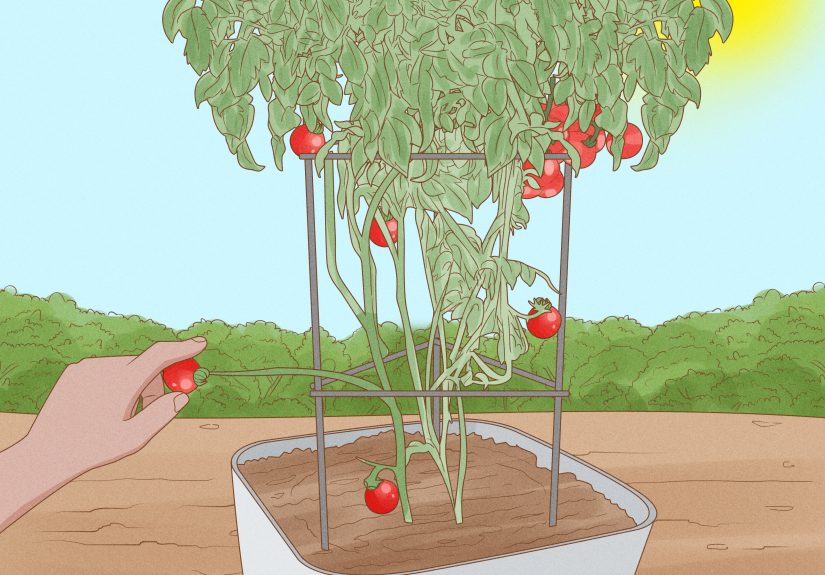
5) Support Early (Your Future Self Will Thank You)
Cherry tomatoes set fruit in clusters, and those clusters get heavyfast. Support isn’t optional for most varieties
unless you enjoy harvesting tomatoes from the ground like you’re foraging in your own yard.
Support options
- Tomato cages: Great for many cherry tomatoes, especially if you buy the big, sturdy kind (not the flimsy “wire hat” ones).
- Stakes: Good for tight spaces; you’ll tie the plant as it grows.
- Trellis/string support: Excellent for indeterminate varieties if you want a tidy, vertical system.
Install support at planting time so you don’t stab roots later when the plant is already settled.
6) Watering Cherry Tomatoes: Steady Moisture, Not a Roller Coaster
Most “tomato problems” are really “watering consistency problems” wearing a trench coat. Your mission is to keep
the root zone evenly moistnever bone-dry, never swampy.
In-ground watering basics
- A common target is roughly 1–2 inches of water per week total (rain + irrigation), adjusted for heat and soil type.
- Water deeply so roots grow down, not just across the surface.
- Water the soil, not the leaves to reduce disease pressure.
Container watering basics
Containers dry out much faster than garden bedsespecially in full sun. In hot weather you may water daily (sometimes twice),
but the goal is still: deep watering, then wait until the top inch or two dries slightly before watering again.
Mulch is your secret weapon
A layer of organic mulch (straw, shredded leaves, bark) helps maintain steady moisture and reduces soil splash.
Fewer splashes = fewer leaf diseases hitchhiking up from the soil.
7) Fertilizing: Feed the Plant, Not Just the Leaves
Tomatoes have a high nutrient demand, but too much nitrogen pushes leafy growth at the expense of flowers and fruit.
You want a plant that’s productivenot one that looks like it’s auditioning to be a hedge.
Practical fertilizing approach
- At planting: compost + a starter fertilizer (optional, but helpful in low-fertility soil).
- After first fruits appear: side-dress with a balanced or tomato-focused fertilizer.
- In containers: nutrients wash out faster, so use slow-release fertilizer plus periodic liquid feeding during flowering/fruiting.
If you’re tempted to add “magic” amendments like random Epsom salt because the internet yelled it in all capspause.
Only add specific nutrients if a soil test (or a clear deficiency symptom confirmed by reliable guidance) points you there.
8) Pruning & Training: The Sucker Conversation (Let’s Keep It Civil)
Cherry tomatoes can produce a ton of side shoots (often called “suckers”). Whether you prune them depends on the variety and your goals.
When pruning helps
- Indeterminate cherries: pruning can improve airflow and make plants easier to manage on stakes/trellises.
- Determinate cherries: heavy pruning can reduce yield (they’re programmed to stop and set fruit).
How to prune without panicking
- Identify suckers: they grow in the “armpit” between a main stem and a leaf branch.
- Pinch off small suckers when they’re a few inches long (easy, clean, minimal stress).
- Remove the lowest leaves that touch soil (this improves airflow and reduces disease splash-up).
- Stop pruning late-season if you’re in a short climate windowlet the plant focus on ripening what it already has.
9) Pollination & Weather: Helping Flowers Turn Into Fruit
Tomatoes are self-fertile, but they still need help from movement (wind, buzzing insects, or you gently shaking the plant).
If you see flowers but not much fruit, the issue is often temperature stress.
- Cold nights: can slow growth and reduce fruit set.
- High heat: can make pollen less viable and cause blossoms to drop.
- Indoor/greenhouse plants: may benefit from a light shake of the flower clusters every few days.
10) Common Problems (and How to Fix Them Fast)
Blossom-end rot
You’ll see a dark, sunken spot on the bottom of fruit. The common culprit is not “no calcium exists anywhere,” but
inconsistent watering that prevents calcium from moving into developing fruit. Fix moisture swings, mulch, and avoid
over-fertilizing with nitrogen. A soil test can help you decide if lime or other amendments are truly needed.
Cracking fruit
Cracks often happen when the plant goes from dry to drenched. Keep watering steady, harvest ripe fruit promptly,
and use mulch to smooth out soil moisture changes.
Early blight and leaf spots
If lower leaves develop spots and start yellowing, act quickly:
- Remove the worst affected leaves (don’t compost diseased foliage if problems are severe).
- Mulch to prevent soil splash.
- Water at the base with drip/soaker rather than overhead.
- Rotate tomatoes away from other nightshades (tomato, potato, pepper, eggplant) for a couple years if disease is recurring.
Pests you’ll actually see
- Aphids / whiteflies: spray off with water, or use insecticidal soap if populations build.
- Spider mites: more common in hot, dry conditionslook for stippling and fine webbing; increase humidity and treat if needed.
- Tomato hornworms: big green caterpillars with the appetite of a teenagerhand-pick if you find them.
11) Harvesting Cherry Tomatoes (AKA: The Best Part)
Cherry tomatoes taste best when fully colored and slightly tender. Harvest oftendaily if you’re getting a lotbecause frequent picking
encourages more fruiting and reduces splitting. Use scissors or snip clusters if the stems are stubborn to avoid yanking the plant.
12) Keep the Season Going Longer
- Mulch: moderates soil temperature and moisture.
- Cover on cool nights: lightweight row covers can protect plants during unexpected temperature dips.
- Containers: can be moved to shelter during storms or extreme heatone of the best reasons to grow in pots.
Real-Life Experiences: What Actually Happened in My Cherry Tomato Patch (and What I’d Do Again)
The first time I grew cherry tomatoes, I made the classic rookie mistake: I planted them, watered them “when I remembered,”
and assumed a flimsy little cage would be enough. By midsummer, the plant had turned into a green octopus that grabbed my sleeve
every time I walked past. Fruit was everywheresome of it beautifully ripe, some of it mysteriously cracked, and some of it hiding
like it owed me money. That season taught me the single most important cherry-tomato truth: these plants don’t need you to be fancy,
but they do need you to be consistent.
The next year, I focused on three habits: mulch early (after the soil warmed), water deeply on a schedule, and install support at planting.
The mulch was the surprise hero. It didn’t just reduce how often I wateredit kept the soil from swinging between “dust” and “soup,” which
meant fewer cracked fruits and far less blossom-end rot panic. I also started checking moisture with my finger instead of my feelings, and that
tiny change made the plant noticeably steadier. When the top inch felt dry, I watered thoroughly. When it didn’t, I left it alone. The plant’s
leaves stopped drooping dramatically at noon like they were auditioning for a soap opera.
I also experimented with pruning, and I learned to match pruning to the plant’s growth style. On indeterminate cherry tomatoes, pinching a few
suckers made the plant easier to tie to a stake and improved airflowespecially low down, where leaf spots love to start. But I kept pruning light
because cherry tomatoes are naturally productive, and I didn’t want to turn a snack machine into a leaf-management project. On compact determinate
types, I basically left them alone aside from removing lower leaves that touched soil. Less fuss, plenty of fruit, and my weekends stayed intact.
The biggest “aha” moment came during a heat wave. I’d been fertilizing like a proud parentregularly, enthusiastically, maybe a little too much.
The plant responded with lush foliage and fewer flowers than expected. Once I backed off the nitrogen-heavy feeding and switched to a tomato-focused,
fruiting-friendly routine, the plant shifted gears and started setting clusters again. It was a reminder that cherry tomatoes will always take more
leaves if you offer them, but they won’t automatically pay you back in fruit.
Now my cherry tomato routine is simple: full sun, roomy spacing, sturdy support from day one, mulch, deep watering, and modest feeding timed to fruiting.
I walk the plants a few times a week, flip a few leaves, and look for early signs of trouble. If I see spots on the lowest leaves, I remove them and make
sure water is hitting soilnot foliage. If I see aphids, I blast them off with a hose before they get comfortable. And when the tomatoes start ripening,
I harvest constantlybecause if you let ripe cherry tomatoes sit, the plant acts like you’ve challenged it to a cracking contest. The payoff is huge:
bowls of sweet tomatoes for salads, snacking, roasting, and that magical moment when you realize you’ve become the person who gives away tomatoes like gifts.





 Close
Close