
Table of Contents >> Show >> Hide
- What Happens During the Cold Sore Crust Stage?
- How to Heal Cold Sore Crust: 10 Steps
- Step 1: Leave the crust alone
- Step 2: Wash your hands before and after touching your face
- Step 3: Clean the area gently, not aggressively
- Step 4: Keep the crust lightly moisturized
- Step 5: Use cold sore medicine wisely
- Step 6: Use a cool compress for pain, swelling, or tightness
- Step 7: Avoid lip irritants while the sore heals
- Step 8: Protect your lips from sun, wind, and dryness
- Step 9: Do not spread the virus to other people or other parts of your body
- Step 10: Know when a cold sore needs medical attention
- Mistakes That Can Slow Cold Sore Healing
- How Long Does Cold Sore Crust Take to Heal?
- What Healing Usually Feels Like: Common Experiences
- Final Thoughts
- SEO Tags
If you are staring at a cold sore crust in the mirror and wondering whether to leave it alone, moisturize it, or negotiate with it like a tiny flaky landlord, you are not alone. The crust stage is one of the most annoying parts of a cold sore. It can feel tight, look obvious, crack when you smile, and tempt you to pick at it even though you already know that is a terrible idea.
The good news is that a cold sore crust usually means the sore is moving along in its healing cycle. The less-fun news is that “healing” does not mean “do whatever you want.” A cold sore still needs gentle care. If you treat the area like a battlefield, you can make it take longer to heal, increase irritation, and even raise the risk of bleeding or secondary infection.
This guide breaks down exactly how to heal cold sore crust in 10 smart, practical steps. You will also learn what not to do, when to call a doctor, and what the healing process commonly feels like in real life.
What Happens During the Cold Sore Crust Stage?
Cold sores are usually caused by the herpes simplex virus, most often HSV-1. A typical outbreak often starts with tingling, itching, or burning. Then small blisters appear, break open, and leak fluid. After that, the sore dries out and forms a crust or scab-like layer before healing completely.
That crust is not your enemy. It is basically your skin’s temporary “under repair” sign. The problem is that cold sore crust can dry out too much, split when you talk or eat, and become extra noticeable in windy weather, dry indoor air, or sunshine. So the goal is not to rip it off. The goal is to protect it while the fresh skin underneath finishes its job.
How to Heal Cold Sore Crust: 10 Steps
Step 1: Leave the crust alone
This is the golden rule. Do not pick, peel, scratch, rub, or “just loosen the edge a little.” Removing the crust too early can reopen the sore, make it bleed, increase pain, and delay healing. It can also make the area look worse right before you wanted to leave the house and pretend you totally have your life together.
If the crust feels rough or uneven, resist the urge to fix it. A cold sore heals better when the skin gets to close naturally. Picking is one of the fastest ways to turn a healing sore into an irritated one.
Step 2: Wash your hands before and after touching your face
Cold sores spread easily through direct contact with the sore or items that touched it. Before you apply any cream, ointment, or lip product, wash your hands well. Wash them again afterward.
This matters for two reasons. First, you do not want to bring extra germs to broken skin. Second, you do not want to spread the virus to other areas, especially your eyes. Use clean hands, a cotton swab, or a fresh disposable applicator if needed. Think of it as basic lip security.
Step 3: Clean the area gently, not aggressively
You do not need to scrub your lip like you are sanding a deck. Gently cleanse the area with mild soap and water if needed, then pat it dry. The key word is pat. Rubbing can irritate the crust and make it crack.
A soft, cool compress can also help if the area feels tender. Skip harsh astringents, strong acids, rough washcloths, and anything that stings like it is trying to win an award for “most dramatic skincare product.” If a product burns, that is not a sign it is working. It may simply be irritating the skin.
Step 4: Keep the crust lightly moisturized
One of the best ways to help a cold sore crust heal is to keep it from becoming overly dry. A thin layer of plain petroleum jelly or a bland, fragrance-free lip ointment can reduce tightness and help prevent painful cracking.
This does not mean piling on half the jar. Use a small amount. The goal is a protective layer, not a glossy monument to overachievement. Also, do not dip a contaminated finger back into a jar. If possible, use a squeeze tube or a clean cotton swab. Once an item has touched an active cold sore, avoid sharing it and consider replacing it after the sore heals.
Step 5: Use cold sore medicine wisely
If you get cold sores often, medication can help, but timing matters. Over-the-counter docosanol cream is generally most effective when used at the very first sign of tingling, redness, itching, or a bump. Prescription antivirals such as acyclovir, valacyclovir, famciclovir, or penciclovir also work best when started early.
That said, if you are already in the crust stage, do not assume all hope is lost. You may still benefit from supportive care, and if your outbreaks are frequent, severe, or very painful, ask a healthcare professional whether prescription treatment should be part of your plan for future flare-ups. People who know their cold sores tend to make an entrance right before weddings, exams, vacations, or photoshoots often do well with a strategy in place.
Step 6: Use a cool compress for pain, swelling, or tightness
If the crust feels hot, puffy, or sore, hold a cool, clean compress against the area for a few minutes at a time. This can calm irritation without disturbing the healing skin.
Do not press hard, and do not use ice directly on the lip. Wrap anything cold in a clean cloth first. A cool compress is especially helpful when the crust feels tight enough to make smiling seem like a bold athletic event.
Step 7: Avoid lip irritants while the sore heals
Cold sore crust does not appreciate spicy wings, salty snacks, acidic citrus, lip licking, fragranced cosmetics, or the kind of weather that makes your lips feel like cardboard. If eating certain foods makes the area sting, scale back until it heals.
Choose gentle lip care products. Fragrance-free, non-irritating formulas are usually best. If you wear lipstick or makeup, do not apply products directly from the tube onto an unhealed sore. Use a separate disposable applicator instead. Better yet, let your lip take a short vacation from beauty experiments.
Step 8: Protect your lips from sun, wind, and dryness
Sun exposure is a known trigger for many people, and dry, cracked lips can make the area feel worse. Keep your lips protected outdoors with a broad-spectrum lip balm that includes SPF when your skin can tolerate it, and stay hydrated so your lips are less likely to dry out.
If the weather is cold or windy, cover your mouth with a scarf when possible. Indoors, dry air can make crusting feel tighter, so a humidifier may help if your home is very dry. Basically, treat your healing lip like it deserves better working conditions.
Step 9: Do not spread the virus to other people or other parts of your body
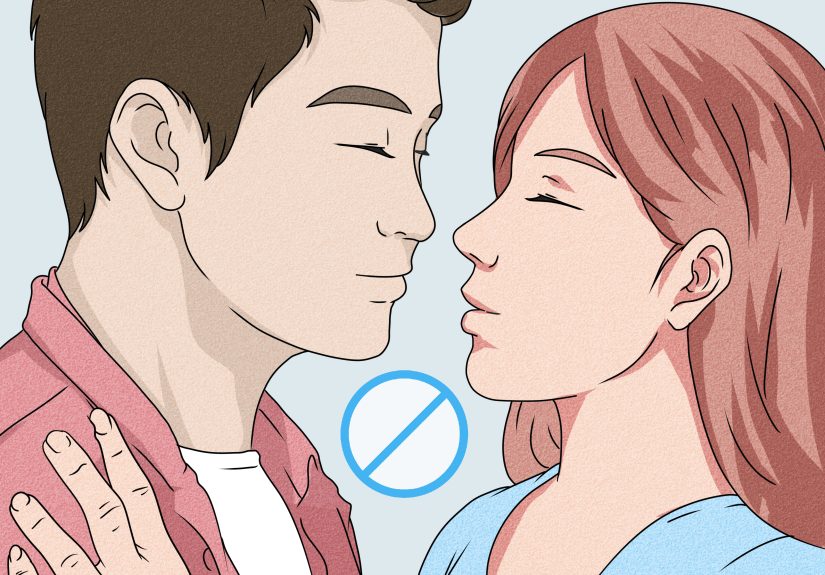
Even when the sore is crusting, you should be careful. Avoid kissing, oral contact, and sharing towels, utensils, cups, razors, or lip products until the area is fully healed. This is especially important around babies, people with eczema, and anyone with a weakened immune system.
Also, avoid touching the sore and then touching your eyes. Herpes infections around the eye need prompt medical attention. When in doubt, wash your hands again. It is not glamorous, but it is effective.
Step 10: Know when a cold sore needs medical attention
Most cold sores heal on their own, but some need a doctor’s help. Make an appointment if the sore lasts longer than two weeks, the pain is severe, outbreaks happen frequently, or you develop multiple sores at once. Seek medical care promptly if the sore is near your eye, your eye feels painful or gritty, your vision changes, or you have redness and swelling around the eye.
You should also get checked if you have eczema, a weakened immune system, or signs that the area may be secondarily infected, such as worsening redness, pus, or rapidly increasing swelling. A healing crust should slowly improve, not stage a dramatic comeback.
Mistakes That Can Slow Cold Sore Healing
- Picking the crust: This can reopen the sore and restart the healing clock.
- Using irritating products: Strong fragrances, alcohol-heavy products, or harsh exfoliants can make things worse.
- Over-applying too many remedies: Five random products at once is not a skincare routine. It is chaos.
- Sharing lip balm or utensils: This increases the risk of spreading the virus.
- Ignoring repeat outbreaks: If cold sores keep returning, talk to a clinician about prevention or prescription treatment.
How Long Does Cold Sore Crust Take to Heal?
For many people, the full cold sore cycle lasts about 7 to 14 days. The crust stage usually comes after the blisters break and may last several days before the sore flattens and the skin fully closes. Healing time depends on factors like how early treatment started, how much the sore is irritated, your overall health, sun exposure, and whether you keep the area protected.
If your crust keeps cracking every time you eat a sandwich, laugh, yawn, or attempt to exist in public, it may feel endless. But steady improvement is the normal pattern. The area should gradually become less tender, less raised, and less obvious.
What Healing Usually Feels Like: Common Experiences
One common experience goes like this: the cold sore starts with a tiny tingle that seems harmless, and then suddenly your lip feels like it is sending dramatic voice notes to your nervous system. By day two or three, the blister leaks, the sore becomes tender, and then the crust forms. At first, many people feel relieved because the wet stage is over. Then they discover the crust stage has its own personality: tight, flaky, and weirdly attention-seeking. Smiling feels stiff, eating burgers feels ambitious, and every mirror becomes an unwanted progress report.
Another very common story is the “I thought it was healing, so I messed with it” mistake. Someone notices the crust lifting at the edge and thinks, “Maybe if I just help it a little.” That tiny decision often turns into bleeding, fresh irritation, and one immediate regret. The sore looks redder, feels sorer, and the person spends the rest of the day pretending they did not absolutely know better. This is exactly why gentle care matters more than aggressive “fixing.” The crust is annoying, but it is still part of the healing process.
People also report that environment makes a huge difference. Dry office air, cold wind, direct sun, dehydration, and lip licking can all make a healing crust feel worse. Someone who keeps the area lightly moisturized and stops absentmindedly licking their lips often notices that the sore cracks less and becomes easier to ignore. That may not sound glamorous, but in cold sore land, “easier to ignore” is elite progress.
For people who get repeat outbreaks, the emotional side can be just as frustrating as the physical side. There is often a sense of panic: “Why now?” Maybe it pops up before a date, an interview, a family event, or a school presentation. Many people become hyperaware of their face and assume everyone notices it more than they actually do. In reality, most people are far less focused on your lip than you are. Still, the self-conscious feeling is real, and it helps to have a practical plan: clean hands, gentle cleansing, moisture, sun protection, and early treatment next time if your doctor recommends it.
There is also the very relatable relief that comes when the crust finally softens, flattens, and fades without being picked. The skin underneath may look pink for a bit, but once the soreness is gone and the surface is smooth again, the whole episode feels less like a disaster and more like an inconvenient cameo. That is the main lesson many repeat cold sore sufferers learn over time: the best healing usually looks boring. Less touching, less experimenting, less panic, more patience. Not exciting, but highly effective.
Final Thoughts
If you want to heal cold sore crust faster and more comfortably, think gentle, not forceful. Leave the crust alone, keep the area clean, lightly moisturize it, avoid irritants, protect your lips, and know when it is time to call a doctor. The crust stage may look awkward, but it is often a sign that your skin is already working on the repair job.
In other words, your cold sore does not need a dramatic makeover. It needs patience, smart care, and for you to stop trying to “help” by peeling it off like a sticker. Your lip will thank you.





 Close
Close