
Table of Contents >> Show >> Hide
- First: When High Blood Sugar Is an Emergency
- How to Lower Blood Sugar Quickly (Today, Not “Eventually”)
- How to Lower Blood Sugar Long-Term (The Stuff That Actually Works)
- 1) Build meals using the “steady-glucose plate”
- 2) Choose carbs that come with fiber (fiber is the speed bump)
- 3) Prioritize protein at breakfast (especially if mornings run high)
- 4) Walk after meals (the underrated glucose hack)
- 5) Hit the weekly activity basics (then add strength)
- 6) Lose a little weight (if advised)even 5–7% matters
- 7) Improve sleep (your pancreas likes a bedtime)
- 8) Manage stress like it’s part of treatment (because it is)
- 9) Monitor with purpose: patterns beat perfection
- 10) Consider tools like CGMs (if appropriate and available)
- FAQ: Lowering Blood Sugar Levels
- What are typical blood sugar targets?
- How fast can you lower blood sugar?
- What foods help lower blood sugar?
- What should I drink to lower blood sugar?
- Does exercise always lower blood sugar?
- Can stress really raise blood sugar?
- What’s the difference between A1C and daily glucose readings?
- How do I avoid lowering blood sugar too much?
- Why is my blood sugar higher in the morning?
- Conclusion: The “Boring” Stuff WorksBecause It’s Real
- Real-World Experiences (What People Say Helped Them Most)
Blood sugar (glucose) is basically your body’s “fuel currency.” Too high for too long, and it starts charging interest in all the worst ways. Too low, and you’ll feel like your brain just got switched to airplane mode. The good news: in many cases, you can lower blood sugar levels with a few smart, repeatable movesno magical detox tea required (sorry, internet).
This guide covers quick, practical tips you can use today, longer-term habits that actually stick, and a big FAQ section to answer the questions people Google at 2 a.m. in fuzzy socks. If you have diabetes or take glucose-lowering medication, use this as educationnot a replacement for your clinician’s plan.
First: When High Blood Sugar Is an Emergency
Most “high blood sugar” situations can be managed calmly. But some need medical help fastespecially for people with type 1 diabetes, anyone who’s sick, pregnant, dehydrated, or using insulin.
Seek urgent care now if you have:
- Vomiting, severe abdominal pain, or you can’t keep fluids down
- Deep/rapid breathing, fruity breath, confusion, extreme weakness
- Very high readings plus ketones (if you can test) or symptoms of dehydration
- Signs of severe dehydration (very dry mouth, dizziness, fainting)
If you have diabetes, follow your sick-day plan. If you don’t have one, today is a great day to ask for onepreferably before your next cold, not during it.
How to Lower Blood Sugar Quickly (Today, Not “Eventually”)
“Quickly” depends on why your glucose is high. A big bowl of pasta will behave differently than a missed medication dose, poor sleep, or stress. The goal is to bring levels down safelywithout overcorrecting into a low.
1) Drink water (especially if you’re dehydrated)
When you’re dehydrated, glucose becomes more concentrated in the bloodstream. Water won’t “wash sugar away,” but hydration supports healthier circulation and helps your kidneys do their job. Skip sugary drinks and juice unless you’re treating low blood sugar.
2) Move your bodylightly and safely
Muscles can pull glucose from the blood during activity. A simple option: a 10–20 minute walk after a meal. If you use insulin or meds that can cause lows, check your glucose and bring fast carbs just in case.
Important safety note: if you have diabetes and suspect ketones (especially with very high readings or illness), intense exercise may be risky. Follow your clinician’s instructions.
3) Do a “carb audit” for the last 6 hours
You don’t need to fear carbsyou need to choose them. Quick spike culprits often include:
- Sweet drinks (yes, even “natural” ones)
- Large portions of rice, pasta, bread, pastries
- “Snack math” (chips + granola bar + a little candy = surprise)
If you want a fast adjustment, reduce refined carbs at your next meal and pair carbs with protein, fiber, and healthy fats.
4) Take medication exactly as prescribed (don’t freestyle)
If you missed a dose, follow your clinician’s guidance about what to do nextsome meds are “take it when you remember,” others are “skip and resume.” If you use insulin, only correct high blood sugar using your prescribed correction plan.
5) Calm the stress response (yes, this affects glucose)
Stress hormones can signal the liver to release extra glucoselike your body is preparing to outrun a tiger. Unfortunately, the tiger is usually just email. Try 3–5 minutes of slow breathing (long exhale), a short walk, or a quick reset routine.
How to Lower Blood Sugar Long-Term (The Stuff That Actually Works)
If quick fixes are fire extinguishers, long-term habits are smoke detectors. These strategies can improve day-to-day numbers, A1C, and overall metabolic health over weeks and months.
1) Build meals using the “steady-glucose plate”
A simple formula that’s both effective and realistic:
- Half the plate: non-starchy vegetables (salad, broccoli, peppers, green beans)
- One quarter: protein (chicken, fish, eggs, tofu, Greek yogurt, beans)
- One quarter: high-fiber carbs (brown rice, quinoa, oats, fruit, sweet potato)
- Add: healthy fats (olive oil, avocado, nuts) for satiety
2) Choose carbs that come with fiber (fiber is the speed bump)
Fiber can slow digestion and blunt sharp spikes. It also helps fullnesswhich makes portion control less miserable. Practical swaps:
- White bread → whole grain bread (or smaller portion + more protein)
- Chips → nuts + fruit (or veggies + hummus)
- Sugary cereal → plain oats with berries + peanut butter
- Large rice bowl → smaller rice + extra veggies + protein
3) Prioritize protein at breakfast (especially if mornings run high)
Many people see bigger spikes from a carb-heavy breakfast (think: pastries, sweet coffee drinks, cereal). A more stable option: eggs + veggies, Greek yogurt + berries + nuts, or tofu scramble + toast.
4) Walk after meals (the underrated glucose hack)
If you only adopt one movement habit, make it this: a short walk after your largest carb meal. It’s low-impact, easy on joints, and surprisingly effective for post-meal glucose.
5) Hit the weekly activity basics (then add strength)
General targets many adults can aim for:
- 150 minutes/week of moderate aerobic activity (brisk walking counts)
- Strength training 2 days/week (weights, resistance bands, bodyweight)
- Less sitting: break up long chair sessions with short movement “snacks”
Strength training helps build muscle, and muscle is a glucose-using machine. You don’t need to become a powerlifterjust become consistent.
6) Lose a little weight (if advised)even 5–7% matters
For many people with prediabetes or insulin resistance, modest weight loss can improve insulin sensitivity. That doesn’t mean crash dieting. It means steady habit changes that you can repeat on a random Tuesday.
7) Improve sleep (your pancreas likes a bedtime)
Poor sleep is linked with worsened insulin sensitivity and glucose tolerance. If your sleep is chaotic, blood sugar often follows. Simple upgrades:
- Keep a consistent sleep/wake time most days
- Cut caffeine late in the day (your mileage may vary)
- Dim screens 30–60 minutes before bed
- Ask about sleep apnea if you snore loudly or feel unrefreshed
8) Manage stress like it’s part of treatment (because it is)
Stress can raise glucose through hormones like cortisol and adrenaline. Useful approaches:
- Short walks, stretching, or gentle yoga
- Breathing practice (slow exhale)
- Journaling or quick “brain dump” lists
- Therapy or coaching if stress is chronic
9) Monitor with purpose: patterns beat perfection
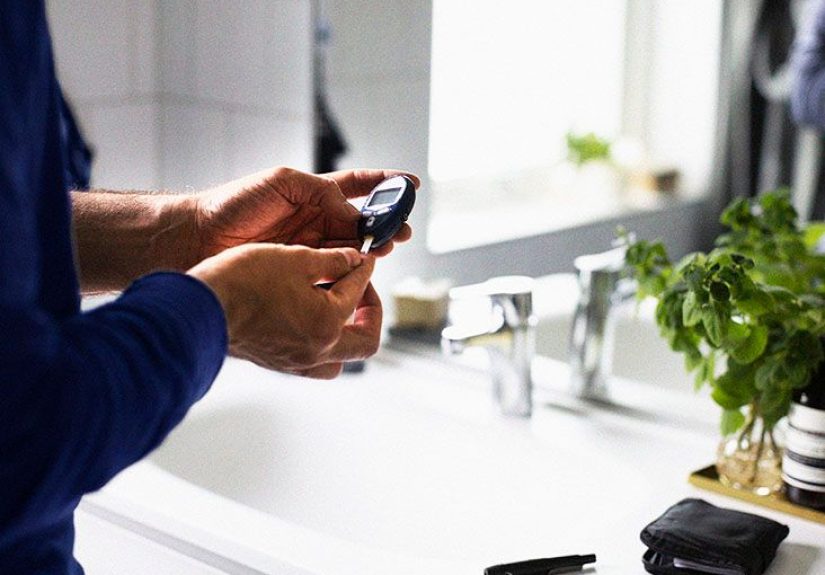
If you check glucose, don’t just collect numbers like trading cards. Look for patterns:
- Which meals spike you most?
- What happens after late-night snacking?
- Do you run higher after bad sleep or high-stress days?
A log (even a simple notes app) can help you and your clinician fine-tune food, activity, and medication timing.
10) Consider tools like CGMs (if appropriate and available)
A continuous glucose monitor (CGM) estimates glucose every few minutes and shows trends over time. For some people, seeing a real-time trend line is the “aha moment” that makes behavior changes easierbecause you get feedback fast. Ask your clinician whether CGM is right for you and what your insurance covers.
FAQ: Lowering Blood Sugar Levels
What are typical blood sugar targets?
Targets vary by person, but common goals for many adults with diabetes are: 80–130 mg/dL before meals and under 180 mg/dL about two hours after meals. If you don’t have diabetes, a typical fasting range is often 70–99 mg/dL. Your clinician may set different targets based on age, medications, pregnancy, and other health conditions.
How fast can you lower blood sugar?
A post-meal spike may come down in a few hours with time, hydration, and gentle activity. Medication-driven changes depend on the medication type and timing. If your levels are repeatedly high for days, that’s a “call your clinician” situationnot a “try harder” situation.
What foods help lower blood sugar?
No food is an on/off switch, but foods that tend to support steadier glucose include: non-starchy vegetables, lean proteins, beans/lentils, plain yogurt, nuts/seeds, and whole grains in sensible portions. The bigger win is pairing carbs with protein and fiber.
What should I drink to lower blood sugar?
Start with water. Unsweetened tea and black coffee may be fine for many people, but watch what you add (sugar, syrups, creamers can sneak in). Avoid sugary drinksliquid sugar hits fast and spikes hard.
Does exercise always lower blood sugar?
Often, yesespecially walking after meals or moderate aerobic activity. But responses vary. High-intensity workouts can temporarily raise glucose in some people due to stress hormones. If you use insulin or medications that can cause hypoglycemia, plan ahead and monitor.
Can stress really raise blood sugar?
Absolutely. Stress hormones can increase glucose release and reduce insulin sensitivity. If you notice “mystery highs” during deadlines, conflict, travel, or poor sleep, you’re not imagining it.
What’s the difference between A1C and daily glucose readings?
Daily readings show what’s happening right now. A1C reflects an approximate average over about three months. Both matter: you can have a “fine average” but frequent big spikes and crashes, or a steady daily pattern with a slowly improving A1C.
How do I avoid lowering blood sugar too much?
If you’re on insulin or certain diabetes medications, know the signs of low blood sugar (shakiness, sweating, confusion, dizziness, hunger). Follow your clinician’s guidance, and learn the “15–15 rule” commonly taught for mild lows: take 15 grams of fast-acting carbs, wait 15 minutes, and recheck.
Why is my blood sugar higher in the morning?
Many people experience morning highs due to natural early-morning hormone changes, late-night eating, poor sleep, or medication timing. Tracking bedtime, overnight, and morning values (plus what you ate late) can help pinpoint the cause.
Conclusion: The “Boring” Stuff WorksBecause It’s Real
Lowering blood sugar isn’t about willpower or perfection. It’s about stacking small advantages: a smarter breakfast, a short post-meal walk, more fiber, better sleep, fewer liquid sugars, and consistent medication use. Start with one change you can repeat, then build.
If you’re seeing frequent highs, unexplained swings, or symptoms that concern you, don’t white-knuckle it alonebring your data to your clinician. The goal isn’t just better numbers. It’s feeling better and reducing long-term risk while still living an actual life.
Real-World Experiences (What People Say Helped Them Most)
Below are common experiences people report when they’re trying to lower blood sugar levels. These aren’t medical instructions or personal medical advicejust real-life patterns that show up again and again in diabetes education programs and everyday routines.
The “Breakfast Plot Twist”
A lot of people start by changing dinner, because dinner feels like the “big meal.” Then they check their glucose and realize breakfast was the sneaky villain the whole time. A sweet coffee drink plus a muffin can spike glucose quickly, and the day starts on hard mode. People often describe a noticeable difference when they switch to a protein-forward breakfast (eggs, Greek yogurt, tofu scramble) and keep carbs higher-fiber and portioned. The surprise isn’t that carbs are “bad.” It’s that refined carbs without protein/fiber are basically glucose on roller skates.
The 12-Minute Walk That Outsmarted a Spreadsheet
Many folks try complicated tracking firstapps, charts, food scales, the whole NASA launch sequence. Then someone suggests: “Try walking for 10–15 minutes after the meal that spikes you the most.” The reports are often consistent: post-meal readings improve, energy feels steadier, and it’s easier to fall asleep at night. It doesn’t have to be a power walk. The key is consistency. People who succeed long-term tend to pick the simplest version they can repeat. Walking also has a social bonus: it’s one of the few health habits you can do while catching up with a friend or calling family.
The “CGM Aha Moment” (When Feedback Changes Behavior)
For people who use CGMs, the most common experience is shockfollowed by clarity. A “healthy” smoothie might spike more than expected. A bowl of cereal may behave like dessert. Meanwhile, a meal that includes protein, veggies, and a smaller portion of carbs produces a smoother curve. People often say the biggest benefit isn’t just the numberit’s seeing the trend arrow and learning how sleep, stress, and late snacks show up in real time. That feedback can make changes feel less like guessing and more like experimenting.
The Sleep Week Experiment
Another common story: someone focuses on food and exercise for weeks, but their glucose still feels “stubborn.” Then they have a stretch of good sleepconsistent bedtime, fewer late screens, less late-night snackingand suddenly mornings look better. People describe it like their body finally got the memo. Sleep isn’t a “nice-to-have.” It changes appetite hormones, stress levels, and how sensitive your body is to insulin. A practical move many people like: set a “kitchen closed” time that’s 2–3 hours before bed. Not foreverjust most nights.
Stress Spikes Are Real (Even When You Eat Perfectly)
People are often frustrated when glucose rises on days they ate “right.” Then they remember: argument with a coworker, travel delays, finals week, a sick kid, financial stress. Stress hormones can push glucose higher, and it’s not a character flaw. Common coping tactics people find helpful include brief breathing sessions, a short walk, journaling, or simply labeling the moment: “This is stress. My body is reacting.” That tiny bit of awareness often reduces the spiral of “Why is this happening?!”
What Stuck Long-Term
The people who maintain improvements usually aren’t doing extreme plans. They’re repeating a handful of boring-but-effective habits: consistent meals, fewer sugary drinks, a daily walk, some strength training, and a bedtime that isn’t constantly drifting. They also forgive “off” days quickly and return to baseline habits the next mealbecause one meal doesn’t ruin you, and one perfect salad doesn’t crown you. Blood sugar management is a long game, and consistency wins more often than intensity.






 Close
Close