
Table of Contents >> Show >> Hide
- What Is Polenta?
- Ingredients You Need
- Best Ratio for Creamy Polenta
- How to Make Polenta on the Stovetop
- Simple Polenta Recipe
- How to Tell When Polenta Is Done
- Common Mistakes and How to Fix Them
- Easy Variations
- What to Serve with Polenta
- How to Make No-Stir or Oven Polenta
- How to Store and Reheat Polenta
- Frequently Asked Questions
- Conclusion
- The Experience of Making Polenta at Home
Polenta is one of those dishes that somehow manages to be humble, cozy, elegant, and a little dramatic all at once. It begins as coarse cornmeal and water, then turns into a creamy, golden bowl of comfort that can sit happily next to roasted mushrooms, short ribs, shrimp, eggs, or a heroic amount of Parmesan. It is budget-friendly, pantry-friendly, and surprisingly dinner-party-friendly. In other words, polenta is the culinary equivalent of a person who can wear sweatpants to brunch and still look expensive.
If you have ever wondered how to make polenta without ending up with lumps, glue, or a saucepan that looks like it lost a fight, you are in the right place. This guide walks through what polenta is, which ingredients matter most, how to cook it on the stovetop, how to fix common mistakes, and how to turn leftovers into something glorious the next day. Whether you want creamy polenta for a weeknight side dish or firm polenta you can slice and sear, the process is simple once you know the few rules that actually matter.
What Is Polenta?
Polenta is a classic dish made from coarsely ground cornmeal cooked with liquid until it becomes soft and creamy. While people often use the word “polenta” to describe the ingredient, it is more accurately the finished dish. In most American kitchens, the ingredient is sold as polenta, coarse cornmeal, or stone-ground cornmeal. The texture and cooking time depend on how finely the corn is ground. Instant polenta cooks quickly, while traditional coarse or stone-ground polenta takes longer but usually gives you a richer flavor and better texture.
The beauty of polenta is that it can be as simple or as dressed up as you want. Keep it plain with water and salt, or make it richer with stock, milk, butter, cheese, herbs, or cream. Serve it soft from the pot, or spread it into a pan, chill it, and slice it later for frying, grilling, or baking. It is not a one-trick side dish. It is more like a kitchen shape-shifter with excellent manners.
Ingredients You Need
1. Polenta or Coarse Cornmeal
Look for coarse-ground polenta, stone-ground cornmeal, or a package specifically labeled for polenta. A coarse grind gives the best texture. Fine cornmeal can turn pasty fast, which is not the vibe we are chasing here.
2. Liquid
Water works perfectly well and gives the corn flavor room to shine. Stock adds more savory depth. Milk can make polenta richer, but using all milk can make it heavy, so many cooks prefer a mix of water, stock, or milk. A good starting point is 4 cups liquid for every 1 cup polenta if you want a creamy result. If you like it looser, add a bit more liquid as it cooks.
3. Salt
Polenta needs seasoning. Without enough salt, it can taste flat, no matter how much butter or cheese you throw at it later. Salt the cooking liquid early so the flavor builds from the start.
4. Optional Add-Ins
Butter, olive oil, Parmesan, Pecorino, mascarpone, crème fraîche, black pepper, roasted garlic, fresh herbs, and cream are all fair game. None are required, but most are delicious, which is a compelling argument in their favor.
Best Ratio for Creamy Polenta
The easiest ratio to remember is 1 cup polenta to 4 cups liquid. That makes a creamy polenta that is thick enough to spoon but still soft and silky. Some cooks go up to 5 cups liquid for a looser, more luxurious texture, especially with coarse or stone-ground polenta. If your polenta thickens too much near the end, stir in more hot water, stock, or milk a little at a time until it relaxes.
Think of this ratio as a starting point, not a courtroom sentence. Different brands absorb liquid differently, and instant polenta behaves nothing like the slow-cooked old-school kind. Your spoon, your saucepan, and your own preferences get a vote too.
How to Make Polenta on the Stovetop
Step 1: Bring the Liquid to a Simmer
Pour 4 cups of water, stock, or a mix of liquids into a medium saucepan. Add 1 teaspoon kosher salt and bring it to a gentle boil or steady simmer over medium heat.
Step 2: Add the Polenta Slowly
While whisking, slowly rain in 1 cup of polenta. Do not dump it in all at once unless you enjoy unnecessary suspense. Adding it gradually while whisking helps prevent lumps and keeps the texture smooth from the beginning.
Step 3: Lower the Heat
Once all the polenta is in the pot, reduce the heat to low or medium-low. You want a gentle bubble, not a volcanic corn eruption. Polenta has a habit of spitting when it gets too hot, which is both messy and deeply disrespectful.
Step 4: Stir Until Tender
Cook the polenta, stirring frequently, until it is thick, creamy, and the grains are tender. Instant polenta may be ready in about 5 minutes. Traditional polenta can take anywhere from 25 to 45 minutes, sometimes longer if it is very coarse. Scrape the bottom and sides of the pot as you stir so nothing sticks or scorches.
Step 5: Finish and Serve
When the polenta is tender, remove it from the heat and stir in 2 tablespoons butter and 1/2 cup grated Parmesan, if using. Taste and adjust the salt. Serve it immediately while it is soft and creamy.
Simple Polenta Recipe
Ingredients:
- 1 cup polenta or coarse cornmeal
- 4 cups water, stock, or a mix
- 1 teaspoon kosher salt, plus more to taste
- 2 tablespoons butter or olive oil
- 1/2 cup grated Parmesan cheese (optional)
- Black pepper, to taste
Method:
- Bring the liquid and salt to a simmer in a medium saucepan.
- Slowly whisk in the polenta.
- Reduce heat to low and cook, stirring often, until thick and tender.
- Add more hot liquid if needed to loosen the texture.
- Stir in butter, cheese, and pepper. Serve hot.
How to Tell When Polenta Is Done
Done polenta should taste tender, not gritty. It should look creamy and glossy, and a spoon dragged through it should leave a path for a second before the mixture settles back into place. If it feels stiff, stodgy, or chalky, it probably needs more time or a splash more liquid. If it tastes underseasoned, that is easy to fix. If it tastes like regret, add butter and cheese and regroup.
Common Mistakes and How to Fix Them
Lumpy Polenta
This usually happens when the cornmeal is added too fast. Whisk vigorously to break up the lumps. For stubborn lumps, switch to a wooden spoon and press them against the side of the pot. You can also whisk a small amount of polenta with cool liquid before adding it to the pot if you are extra cautious by nature.
Too Thick
No crisis here. Stir in more hot water, stock, or milk a little at a time until the texture loosens. Polenta thickens as it sits, so it is smart to make it a touch looser than you think you need.
Too Thin
Keep cooking and stirring. Polenta firms up as moisture evaporates. You can also let it sit for a minute or two off the heat.
Bland Flavor
Usually the answer is more salt. After that, consider butter, olive oil, cheese, roasted garlic, herbs, or a flavorful topping like mushroom ragout or tomato sauce.
Sticking or Scorching
Lower the heat and stir more often, especially along the bottom of the pan. A heavy-bottomed pot helps. So does not wandering off to reorganize your spice drawer in the middle of cooking.
Easy Variations
Cheesy Polenta
Stir in Parmesan, Pecorino, Fontina, or goat cheese at the end. This version pairs beautifully with roasted vegetables, braised meats, or sautéed greens.
Creamy Polenta with Milk or Cream
Replace part of the water with milk, half-and-half, or cream for a richer result. This is excellent for holiday meals or when you want your side dish to feel a little fancy.
Herb Polenta
Stir in chopped thyme, rosemary, sage, basil, or parsley just before serving. Fresh herbs wake up the earthy sweetness of the corn.
Garlic Polenta
Simmer a smashed garlic clove in the cooking liquid, then remove it before serving, or stir in roasted garlic at the end for deeper flavor.
What to Serve with Polenta
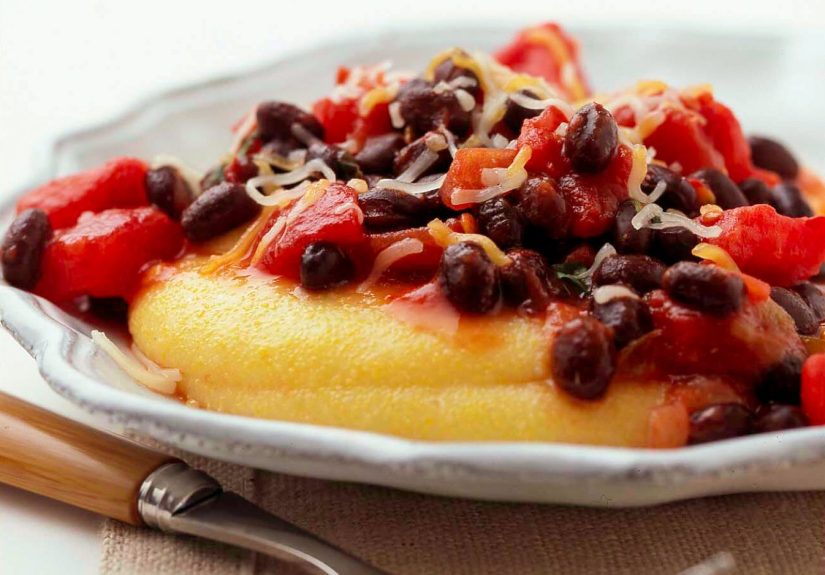
Polenta is wonderfully adaptable. Spoon it under mushroom ragout, roast chicken, shrimp, grilled sausage, meatballs, short ribs, or a poached egg. Top it with tomato sauce, pesto, roasted cherry tomatoes, caramelized onions, braised greens, or crispy pancetta. It also works as a vegetarian main when paired with roasted squash, mushrooms, or beans.
One of the reasons polenta is so useful is that it can play side dish, main course, breakfast, or leftover project with equal confidence. It is basically the overachiever of the corn world.
How to Make No-Stir or Oven Polenta
If standing over the stove for half an hour sounds deeply unappealing, oven polenta is your friend. Whisk polenta with liquid, salt, and a little butter in a baking dish or oven-safe pot, then bake until tender and creamy. You may need to stir once or twice during cooking, but it is far less hands-on than the stovetop method. This approach is great when you are making a larger dinner and want your attention available for other dishes that feel more entitled to it.
How to Store and Reheat Polenta
Leftover soft polenta will firm up in the refrigerator, and that is not a failure. That is phase two. Store it in an airtight container for up to 4 days. To reheat it into a creamy texture, warm it gently on the stove or in the microwave with a splash of water, milk, or stock, stirring until smooth again.
If you want to use firm polenta, spread the hot polenta into a lightly oiled baking dish or loaf pan. Chill until set, then slice into squares, rectangles, or triangles if you are feeling theatrical. Pan-fry, grill, or bake the slices until crisp on the outside and tender inside.
Frequently Asked Questions
Is polenta the same as grits?
Not exactly. Both are corn-based, but they are usually made from different types of corn and often have different textures and traditional uses. In a pinch, they can overlap, but they are not strict twins.
Can I make polenta ahead of time?
Yes. Reheat creamy polenta with extra liquid, or chill it and slice it for frying or baking later.
Can I make polenta without cheese?
Absolutely. Water, salt, and cornmeal are enough for a simple and delicious version. Butter or olive oil can add richness without turning it into a cheese festival.
Conclusion
Learning how to make polenta is less about memorizing a rigid recipe and more about understanding a few practical cues: use coarse cornmeal, add it slowly, keep the heat gentle, stir often enough to prevent sticking, and adjust the liquid until the texture feels right. Once you get the rhythm, polenta becomes one of the most forgiving and versatile dishes you can make. It can be rustic or refined, plain or luxurious, soft in a bowl or crisp in a skillet.
Most important, polenta rewards patience without demanding perfection. It does not need complicated ingredients or restaurant-level technique. It just asks for a little attention, a little seasoning, and perhaps a little butter, which is usually a sign that dinner is heading in the right direction.
The Experience of Making Polenta at Home
There is something deeply satisfying about making polenta that goes beyond following a recipe. The process slows the kitchen down in a good way. At first, it looks almost too simple to be interesting: a pot, some liquid, coarse yellow grains, a whisk, and a spoon. But once the polenta hits the simmering liquid and begins to thicken, the whole experience changes. The aroma becomes warmer and sweeter. The texture starts to move from grainy to silky. The pot begins to ask for attention, but not panic. It is a calm kind of cooking, the kind that makes you feel more competent every five minutes.
One of the most memorable parts of making polenta is watching how dramatically it transforms. In the beginning, it can look unimpressive, almost suspiciously plain. Then it thickens, softens, and suddenly turns glossy and rich. Add butter and cheese, and it becomes the sort of dish that makes people hover near the stove pretending they are “just checking.” That little transformation feels rewarding every time because it takes a pantry staple and turns it into something that tastes like real effort, even though the ingredient list is short and the method is straightforward.
Polenta also teaches patience in a practical, edible way. You cannot rush traditional polenta too much without losing some texture. You have to stir, wait, taste, and adjust. That rhythm can be oddly relaxing. It is not flashy cooking. It is not the kind of dish that demands ten timers and a blowtorch. It is the kind of cooking that reminds you why home food matters. It gives you time to roast mushrooms, finish a sauce, grate cheese, or just stand there and feel like a person who has their life together, even if the laundry situation says otherwise.
Then there is the moment of serving. Soft polenta lands in a bowl with this gentle, luxurious slump that makes almost any topping look more impressive. Spoon over braised meat, roasted vegetables, tomato sauce, or a fried egg, and the whole meal suddenly feels generous. It is comfort food, yes, but it can also feel elegant. That is part of its charm. Very few dishes can be inexpensive, rustic, and quietly sophisticated at the same time. Polenta somehow pulls it off without acting smug about it.
The next-day experience is equally satisfying. Cold polenta firms up in the fridge, which opens the door to a completely different meal. Slice it, pan-fry it, and you get crisp edges with a tender middle. It feels less like leftovers and more like a planned encore. That flexibility makes polenta especially rewarding for home cooks who like ingredients that stretch. One batch can become dinner tonight and lunch tomorrow, which is the culinary version of getting bonus points for being organized.
In the end, making polenta is an experience that feels grounding. It is tactile, aromatic, forgiving, and versatile. It invites you to pay attention without being overly fussy. It gives back far more than it asks for. And once you have made it well a couple of times, it becomes one of those dishes you return to not just because it tastes good, but because the act of making it feels good too. That is a rare kitchen win, and honestly, polenta deserves more applause for it.





 Close
Close