
Table of Contents >> Show >> Hide
- Before You Paint: Is Painting Brick the Right Move?
- Tools and Materials You’ll Want (So You’re Not Running to the Store Mid-Coat)
- Step 1: Prep Like a Pro (Because Brick Is Thirsty and Judgmental)
- Step 2: Prime the Brick (This Is Non-Negotiable)
- Step 3: Pick the Right Paint + Finish for a Modern Look
- Step 4: Paint the Brick (The Fun PartFinally)
- Design Details That Make a Painted Fireplace Look High-End
- Common Mistakes (and How to Avoid Them)
- How to Maintain a Painted Brick Fireplace
- When to Call a Pro
- Conclusion: A Modern Fireplace Without a Full Renovation
- Experience Notes: What Painting a Brick Fireplace Is Really Like (and What People Wish They Knew)
- You’ll think you ruined it halfway through (almost everyone does)
- Brick “drinks” primer and paint more than you expect
- The “best” tool is usually a brush + roller combo (not a single magic gadget)
- Modern color decisions are harder in real life than on a phone screen
- The cleanup and “cure wait” are the hidden time costs
- Maintenance is easier than raw brick, but soot still finds a way
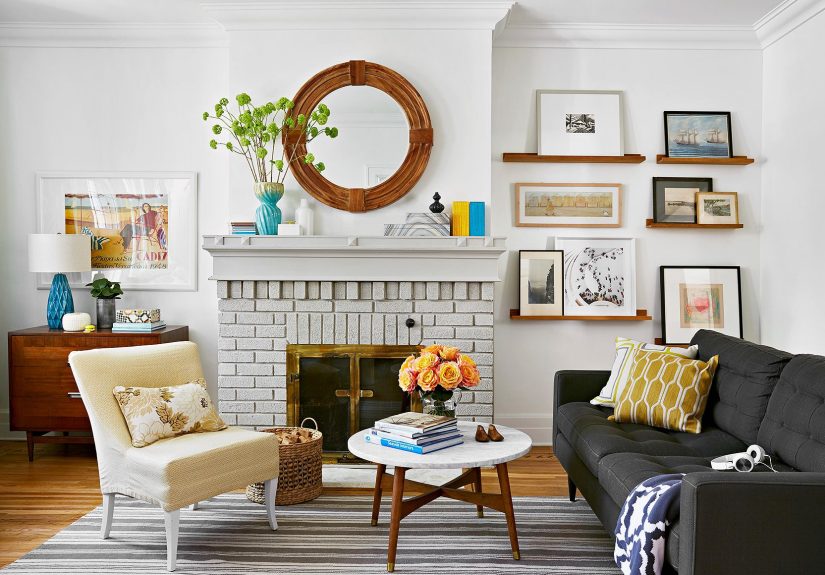
A brick fireplace is like the denim jacket of your living room: classic, sturdy, and sometimes… aggressively “1997.”
The good news? With the right prep and paint system, you can turn that dusty red time capsule into a clean, modern focal point
that looks intentionalnot like you panic-painted it the night before guests arrived.
This guide walks you through exactly how to paint a brick fireplace for a modern update: how to clean soot properly, what primer
actually sticks to porous masonry, how to choose a finish that looks designer (not “landlord special”), and what to do if you’re
tempted to paint the firebox, too. We’ll also cover common mistakes, maintenance tips, and real-world “what it’s like” lessons at the end.
Before You Paint: Is Painting Brick the Right Move?
Painting brick can be a game-changerespecially in rooms where the fireplace is the first thing you see. A painted brick fireplace
can brighten a space, make a low ceiling feel taller, and help your decor look cohesive. But it’s also not a temporary haircut.
Once painted, going back to raw brick is difficult and usually expensive.
Reasons painting brick works well
- You want a cleaner, more modern color. White, warm off-white, greige, and charcoal can instantly update a room.
- Your brick is stained, sooty, or mismatched. Paint evens out visual chaos and hides discoloration.
- You’re upgrading the whole space. New lighting, new mantel, new hardwarepaint pulls it all together.
Reasons to pause (or choose a different finish)
- You love the natural character. Some brick has a depth that paint can’t replicate.
- You have moisture issues. Damp brick and paint are not friends. Paint can peel or blister if moisture is present.
- You want a softer, breathable look. Limewash or a German smear can be more forgiving and more “old-world modern.”
If you’re torn, consider testing alternatives on a discreet area first. A diluted “whitewash” look can lighten brick while keeping texture visible.
Limewash gives a chalky, matte patina that ages naturally, while mortar-based German smear creates a rustic, textured finish.
Paint is the crispest and most color-flexible optionbut it’s the most permanent.
Tools and Materials You’ll Want (So You’re Not Running to the Store Mid-Coat)
- Drop cloths or rosin paper + painter’s tape
- Wire brush or stiff nylon brush (brick holds onto grime like it’s emotionally attached)
- Vacuum with brush attachment
- Degreasing cleaner for soot (often TSP or a TSP substitutefollow label safety directions)
- Bucket, sponge/cloths, clean water for rinsing
- Caulk + caulk gun (paintable acrylic latex) and/or mortar patch for damaged joints
- Masonry/bonding primer with stain-blocking capability
- Interior acrylic latex paint (or acrylic enamel for a harder finish)
- 2″ angled brush for mortar lines and edges
- Roller (3/8″ to 1/2″ nap works well for textured surfaces) + tray
- Optional: mini-roller for tight areas; paint sprayer for speed (masking becomes a whole event)
- Safety gear: gloves, eye protection, and a respirator/mask if you’re scrubbing soot or using strong cleaners
Step 1: Prep Like a Pro (Because Brick Is Thirsty and Judgmental)
Prep is the make-or-break phase. Brick is porous and uneven, which means it collects dust, soot, and oilsand it will happily absorb paint
in a patchy, blotchy way if you don’t seal it correctly.
Safety first: Identify your fireplace type
If you have a wood-burning fireplace, soot and creosote residue are common and must be cleaned thoroughly.
For a gas fireplace, follow the manufacturer’s instructions before cleaning/painting near any openings or components.
Turn everything off, and let the area cool completely. When in doubt, keep paint limited to the outer brick surround and hearthnot vents,
controls, or anything that gets extremely hot.
Deep clean the brick (yes, really)
Start by removing decor and accessories. Scrub the brick and mortar joints with a wire brush to loosen dirt and soot, then vacuum thoroughly.
Next, wash the surface with an appropriate cleaner for soot/grease (many pros use TSP or a substituteread label directions and protect nearby finishes).
Rinse with clean water and let the brick dry completely before priming.
Dry time matters: brick holds moisture. Plan on at least 24 hours, and longer if the room is humid or the brick was heavily saturated during cleaning.
Painting damp masonry is a shortcut to peelingand nobody has time for a fireplace that starts flaking like a bad sunburn.
Inspect and repair
Look for cracked mortar, crumbling joints, or gaps where brick meets trim. Small cracks can usually be filled with paintable acrylic caulk.
If mortar is deteriorating, you may need a masonry patch or more serious repair. Painting over loose mortar is like putting lipstick on a crouton:
it won’t end well.
Mask and protect
Tape off walls, mantel edges, nearby trim, and flooring. Use drop cloths or rosin paper and cover the hearth if you’re not painting it.
Brick painting is a splashy sportespecially when you hit those mortar lines.
Step 2: Prime the Brick (This Is Non-Negotiable)
If you remember one thing, make it this: brick needs primer. Primer seals the surface, improves adhesion, blocks stains, and keeps the finish coat
from looking like it was applied with a dry sponge in a wind tunnel.
Choosing the right primer
- Use a masonry/bonding primer designed for porous surfaces.
- Choose stain-blocking if you have soot staining or discoloration.
- Skip “random leftover wall primer” unless it’s rated for masonry and adhesion.
How to apply primer (without losing your mind)
- Cut in and detail first: Use a brush to work primer into mortar joints and deep texture.
- Roll the brick faces: Use a roller appropriate for rough surfaces so primer reaches the low spots.
- Expect more than one coat: Porous brick often needs a second coat for even coverage and stain sealing.
- Let it cure: Follow the label, but many guides recommend giving primer a full day between coats for best results.
Pro tip: Keep a small brush in your non-dominant hand while rolling. Roll a section, then immediately “back-brush” the texture and mortar lines
to push primer into tiny pits and prevent holidays (those annoying missed spots that show up only after everything dries).
Step 3: Pick the Right Paint + Finish for a Modern Look
Modern doesn’t mean “sterile white rectangle.” It means intentional color, a consistent finish, and clean edges that make the fireplace feel updated
rather than “covered up.”
Best paint types for a brick fireplace surround
- Interior acrylic latex paint: Easy to apply, low odor, durable enough for most surrounds.
- Acrylic enamel: Harder, smoother finish (great if you want wipeable durability).
Many paint manufacturers recommend premium interior paints that level well and resist sagging, which matters on vertical, textured brick.
The key is compatibility: primer + paint should both be rated for masonry or high-adhesion applications.
What sheen looks most “updated”?
- Matte/flat: Soft, modern, hides imperfections (but can mark more easily).
- Eggshell/satin: A great modern compromiseslight glow, better wipeability.
- Semi-gloss: Durable, but can emphasize brick texture and flaws.
Modern color ideas that don’t scream “all farmhouse, no brakes”
- Warm white: Brightens the room without looking icy.
- Greige: Soft and modern, works with wood tones and black accents.
- Charcoal or near-black: Dramatic, high-end, especially with a simple mantel.
- Dusty clay or muted olive: Modern but warmgreat in rooms with natural textures.
What about the firebox?
The inside of the firebox reaches very high temperatures. Standard wall paint is not appropriate there. If you’re updating the firebox opening
(especially for decorative purposes or if you rarely use the fireplace), use a product specifically rated for high heat and follow all ventilation,
curing, and safety directions. If you regularly burn wood, consider leaving firebrick unpainted or consult a fireplace professional.
Step 4: Paint the Brick (The Fun PartFinally)
1) Start with the mortar lines and edges
Use a brush to paint the mortar joints first, then feather onto the brick faces. This helps avoid thick ridges and makes rolling easier.
Work in manageable sections so you can smooth drips before they set.
2) Roll the brick faces
Load the roller and apply paint using overlapping strokes. Don’t press so hard that you squeeze paint into blobslet the nap do the work.
After rolling, lightly back-brush to push paint into pits and texture, especially around edges and joints.
3) Let it dry, then do the second coat
Most painted brick fireplaces need two coats for a clean, modern finish. Dark colors over red brick may need additional coverage.
Follow the paint’s recoat time, and remember: it often looks patchy halfway through. Brick is dramatic like that.
4) Clean lines = modern vibes
Remove painter’s tape carefully (often best when paint is dry to the touch but not fully rock-hard). If you wait too long, tape can pull edges.
If you pull too early, you risk smears. Yes, this is the part where you feel like a bomb technician.
5) Cure before using the fireplace
Dry is not the same as cured. Many paints feel dry in hours but take days to harden fully. Follow the label guidance, and give extra time
before lighting a fireespecially if you painted near the opening.
Design Details That Make a Painted Fireplace Look High-End
Pair painted brick with a simpler mantel
Painting brick modernizes the mass of the fireplace. A chunky, overly ornate mantel can fight that look. Consider a clean-lined wood beam,
a slim shelf, or a simple painted mantel in a contrasting tone.
Go two-tone (subtle, not circus)
- White brick + black firebox surround
- Charcoal brick + natural wood mantel
- Greige brick + crisp white trim
Upgrade the accessories
A fresh paint job can be undercut by dated brass screens or tired tools. Matte black accessories, a modern log holder,
or a simple fireplace screen can make the whole wall feel intentional.
Common Mistakes (and How to Avoid Them)
Skipping deep cleaning
Soot is oily and stubborn. If you paint over it, it can bleed through or cause adhesion issues. Clean thoroughly, rinse well,
and let the brick dry completely.
Using the wrong primer (or none at all)
Brick needs primer designed for porous masonry and stain blocking. If the primer isn’t right, the paint can look unevenor peel.
Painting over moisture problems
If you have efflorescence (white powdery salts) or dampness, investigate why before painting. Moisture can push paint off from behind,
and then you’ll be scraping instead of relaxing.
Applying heavy coats
Thick coats can drip into mortar lines and dry unevenly. Multiple thin-to-medium coats are easier to control and look smoother when finished.
How to Maintain a Painted Brick Fireplace
Painted brick is easier to dust than raw brick, but it still has texture that traps soot. For routine cleaning, start gentle:
vacuum with a brush attachment or wipe with a damp cloth. If soot appears, try mild soap and water first, then step up carefully.
Specialty soot sponges can lift soot without grinding it into the paint. If you need stronger cleaning power, use caution with harsh chemicals
and always spot-test in an inconspicuous area.
Touch-up tips
- Keep a small labeled jar of your paint for future fixes.
- Touch up with a small brush and feather the edges so it blends.
- If sheen mismatch is obvious, repaint a larger section rather than a tiny patch.
When to Call a Pro
DIY is greatuntil it’s not. Consider professional help if:
- Mortar is crumbling, bricks are spalling, or the structure needs repair.
- You suspect ongoing moisture intrusion.
- You want a sprayed finish but don’t want to mask half your living room into a plastic greenhouse.
- The fireplace is historic or part of a specialty masonry system.
Conclusion: A Modern Fireplace Without a Full Renovation
Painting a brick fireplace is one of the highest-impact updates you can do without calling in a demolition crew. The secret isn’t
“finding the perfect white.” It’s cleaning thoroughly, repairing what needs repair, priming like you mean it, and choosing a paint
finish that fits your lifestyle.
Do it right, and your fireplace becomes a modern anchor for the whole roomclean, intentional, and stylish. Do it halfway, and you’ll
spend your weekends staring at peeling corners while whispering, “I knew I should’ve primed twice.”
Experience Notes: What Painting a Brick Fireplace Is Really Like (and What People Wish They Knew)
The internet makes painting a brick fireplace look like a breezy afternoon craft. In reality, it’s more like a short reality show:
“Will This Primer Ever Stop Disappearing Into the Brick?” If you’re about to tackle this project, here are the most common real-world
experiences homeowners and painters reportso you can feel prepared instead of personally victimized by masonry.
You’ll think you ruined it halfway through (almost everyone does)
First coat anxiety is real. After priming, the brick often looks blotchy, and the mortar lines can stand out in weird ways. Then the first paint coat
goes on andsurprise!it may still look uneven, especially on highly porous brick. This is normal. Texture creates tiny shadows, and brick absorbs
differently in different spots. The second coat is usually where it snaps into place. If you’re tempted to panic and over-roll the same area repeatedly,
resist. Let it dry, reassess, and coat again.
Brick “drinks” primer and paint more than you expect
If you’ve painted drywall, your brain expects paint to glide and cover predictably. Brick laughs at that expectation. It’s porous, pitted, and full of
micro-canyons. That’s why people often end up using more primer than plannedand why a proper masonry primer is worth it. The primer’s job is to seal
and create consistency so your top coat behaves. If you skip primer, you’ll often be stuck re-brushing mortar lines again and again because they keep
absorbing paint and looking dull.
The “best” tool is usually a brush + roller combo (not a single magic gadget)
Many DIYers want one tool that does it all. For brick, the sweet spot is rolling for speed and brushing for control. Rolling covers the brick faces fast,
but it can miss deep joints. Brushing gets into the crevices, but it’s slower. The winning approach is usually: brush the mortar lines and edges, roll the
faces, then lightly back-brush to even out texture and catch missed pits. You’ll feel like you’re doing extra work, but the finish looks smoother and more
“done on purpose.”
Modern color decisions are harder in real life than on a phone screen
A modern painted fireplace isn’t just “white” or “black.” It’s undertone city. Warm whites look cozy and inviting; cool whites can feel crisp but may read
bluish depending on lighting. Charcoal can look luxe… or like a giant matte blob if the room lacks contrast. The most helpful real-world move is testing
big swatches: paint sample boards, hold them near the fireplace at different times of day, and look at them with your actual furniture and flooring.
Your lighting will make the final call.
The cleanup and “cure wait” are the hidden time costs
Painting itself can be a weekend job, but the timeline includes drying and curing. You may finish the last coat and want to decorate immediatelythen
remember you still need to reinstall a screen, put your mantel decor back, and possibly wait before using the fireplace. Also, painted brick can feel dry
quickly but still be soft enough to scuff for a few days. Treat it gently at first: don’t scrub, don’t lean heavy objects against it, and don’t “test the
durability” with your vacuum bumper like it owes you money.
Maintenance is easier than raw brick, but soot still finds a way
Painted brick is generally simpler to dust and wipe than raw brick, but it’s still textured. If you burn wood, soot can build up near the opening.
People often have the best luck starting with gentle cleaning and using soot-lifting sponges for crevices rather than aggressive chemical sprays.
If you anticipate frequent fires, consider choosing an eggshell or satin finish for better wipeability, and keep touch-up paint on hand.
Bottom line: this project rewards patience. If you commit to prep and primer, take your time on edges and mortar lines, and let coats cure properly,
you’ll end up with a fireplace that looks updated, modern, and surprisingly expensivewithout actually paying “custom masonry feature wall” money.






 Close
Close