
Table of Contents >> Show >> Hide
- Start with a “Vase Plan,” Not Just a Plant List
- Pick Flowers That Keep Producing
- Build a Bloom Calendar with Succession Planting
- Prep Your Garden Bed Like You’re Building a Flower Buffet
- Planting Methods That Actually Produce Long Stems
- Choose a Balanced Mix: Focal Flowers, Fillers, and Foliage
- A Concrete Example: A Small Bed Plan That Produces Real Bouquets
- Harvesting for Maximum Vase Life (and Maximum Re-Bloom)
- Keep the Garden Producing: Maintenance That Pays Off
- Common Cut Flower Garden Mistakes (So You Can Skip Them)
- A Starter Plant List for Season-Long Bouquets
- Wrap-Up: Your House Can Look Like a Flower Shop (Without the Flower Shop Budget)
- Experience-Based Tips: Real-World Lessons for Filling Vases All Season (Extra Section)
- 1) You will underestimate foliageevery single time
- 2) The “two-bucket system” saves your sanity
- 3) Succession planting feels unnecessary until it’s suddenly everything
- 4) Cutting is not stealing from the plant; it’s coaching the plant
- 5) Weather will humble you, so build flexibility into the plan
- 6) The best bouquets often happen when you stop trying to make “perfect bouquets”
- SEO Tags
A cut flower garden is basically permission to “accidentally” decorate your house every week. You step outside for a
minute, come back in with an armful of blooms, and suddenly you look like the type of person who owns linen napkins
and remembers birthdays. (No promises on the birthdays, but the flowers? Absolutely.)
The secret to having fresh bouquets from spring through fall isn’t luck or a magical greenhouse hidden behind the
garage. It’s planning: choosing the right mix of flowers, planting in waves, and harvesting in a way that tells the
plants, “Great jobnow do that again.” This guide walks you through how to build a cut flower garden that keeps your
vases full all season, with practical strategies, specific examples, and a few hard-earned lessons that save you from
the classic midsummer problem: “Everything bloomed at once… and now I have nothing but basil and regret.”
Start with a “Vase Plan,” Not Just a Plant List
Most gardens are planted like a wish list: a little of this, a little of that, and then we hope it all works out.
A cut flower garden works better when you plan backward from what you want to arrange.
Think of this as bouquet math (the fun kind).
Step 1: Know your sun and your frost dates
Most popular cut flowers need full sunideally 6+ hours a dayand they’ll be much sturdier with consistent moisture.
Before you pick varieties, confirm where you can give them sun, decent drainage, and easy water access (you’ll thank
yourself in July).
Also, write down two dates: your average last spring frost and first fall frost. Those two bookends tell you how many
weeks you have to work with and which flowers should be started early (cool-season bloomers) versus planted after
danger of frost (heat lovers like zinnias).
Step 2: Decide what “all season” means in your house
If you want weekly bouquets, you’ll need more plants than you thinkbecause a balanced arrangement uses more than
big showy blooms. A good rule of thumb for one medium vase arrangement is:
- 3–5 focal flowers (the “wow” blooms)
- 5–8 supporting blooms (medium flowers that add color and shape)
- 8–12 stems of fillers/foliage (airiness, texture, and that “florist” look)
So if you picture yourself making two bouquets a week, plan on growing enough flowers and foliage to supply that
rhythmplus a little extra for gifting. (Cut flower gardens have a way of turning neighbors into best friends.)
Step 3: Choose a layout that makes harvesting easy
You can grow a cutting garden as a charming mixed border, but if your goal is consistent bouquets, a
bed-and-row style layout is easier to maintain and harvest. Rows make weeding, watering, netting,
and cutting stems much simpler. You don’t have to make it look like a tiny farmjust give yourself clear access paths
so you’re not stepping on plants while carrying a bucket of stems like a floral delivery superhero.
Pick Flowers That Keep Producing
The biggest mindset shift: not all flowers behave the same after you cut them. Some are
cut-and-come-again (they branch and keep producing stems), and others are more
one-and-done (one main harvest per plant or per stem).
Cut-and-come-again stars (high return on effort)
These are the backbone of an all-season vase-filling garden because cutting actually encourages more stems:
- Zinnias (summer workhorse; the more you cut, the more you get)
- Cosmos (airy bouquets; blooms for months)
- Snapdragons (great spring/early summer; can rebloom in cooler fall weather)
- Celosia (texture, color, and long-lasting stems)
- Amaranth (dramatic tassels; great for late summer/fall)
- Basil, dill, mint (in a pot), and other herb foliage (bouquet “filler” gold)
- Yarrow (perennial filler; excellent for drying, too)
One-and-done (still worth itjust plan for it)
These can be amazing in arrangements, but you’ll treat them differently:
- Tulips (bulbs; one flower per bulb per year)
- Single-stem sunflowers (one bloom per plant, but very predictable)
- Branching sunflowers (multiple blooms per plantmore like “one-and-some”)
- Peonies (perennials; big spring flush)
- Daffodils (bulbs; spring joy, plus deer tend to ignore them)
The trick is mixing both types so you get early “spring luxury” flowers and then a long parade of repeat bloomers
through summer and fall.
Build a Bloom Calendar with Succession Planting
If you want vases full all season, don’t plant everything on one glorious Saturday and then celebrate with a beverage.
That’s how you end up with a two-week flower explosion followed by a long floral drought.
Succession planting means sowing smaller batches every few weeks so blooms come in manageable waves.
A simple three-season approach
-
Spring (cool season):
Focus on hardy annuals, bulbs, and early perennials. -
Summer (warm season):
Your main production seasonzinnias, sunflowers, cosmos, celosia, basil, and more. -
Fall (cooling down):
Late plantings and fall-friendly flowers (plus foliage and seed heads) carry you to frost.
Example: A practical succession schedule (adjust for your frost dates)
Use this as a template and shift the weeks earlier or later depending on your climate:
- 6–8 weeks before last frost: Start snapdragons indoors; direct sow hardy annuals if your soil is workable.
- 2–4 weeks before last frost: Direct sow cool-season flowers (where appropriate) and plant spring bulbs the previous fall.
- After last frost: Direct sow or transplant zinnias, cosmos, basil; start sunflowers.
- Every 2–3 weeks until midsummer: Repeat sowings of sunflowers, zinnias, and cosmos for steady bouquets.
- Late summer: Focus on maintenance and harvesting; in milder climates you can start a small fall round of cool-season flowers.
Not everything needs successional sowing, but many of your biggest “vase fillers” do. Sunflowers are a classic example:
a single sowing gives a single peak. Multiple sowings give you a steady supply.
Prep Your Garden Bed Like You’re Building a Flower Buffet
Cut flowers are happiest in the same conditions vegetables like: loose soil, good fertility, consistent water, and
room for roots. If you do your prep well, the rest of the season becomes much easier.
Soil: drainage + fertility + structure
- Drainage first: If water puddles after rain, consider a raised bed or add organic matter to improve structure.
- Add compost: A few inches mixed into the top layer boosts soil life and helps hold moisture without becoming soggy.
- Test if you can: A basic soil test helps prevent common issues like over-fertilizing or chasing deficiencies blindly.
Spacing: give plants airflow (and your hands room to harvest)
Crowded plants are more prone to mildew, weak stems, and general crankiness. Many common cut flowers do well spaced
roughly 8–12 inches apart (variety dependent), especially in a row system that encourages airflow.
Support: the unglamorous secret behind straight stems
Tall, productive flowers often need support to keep stems long and uprightespecially after summer thunderstorms.
A wide-gap horizontal support netting (or even simple stakes and twine) can make the difference between
“bouquet-ready” and “tangled noodle bouquet.”
Planting Methods That Actually Produce Long Stems
Direct sow vs. transplants
Many cut flowers are easy to direct sow (zinnias, sunflowers, cosmos). Others benefit from a head start indoors
(snapdragons) or are simply easier as transplants if you want early blooms. A blended approach works well:
direct sow the fast growers and transplant the slower, earlier-season flowers.
Pinching: the “one weird trick” that isn’t a scam
Pinching means removing the growing tip when the plant is young (often around 6–12 inches tall, depending on the
flower). This encourages branching, which usually means more stems and more blooms. Many gardeners pinch zinnias,
snapdragons, and similar branching annuals for longer stems and heavier production.
Watering: consistent beats dramatic
Inconsistent watering can lead to short stems, stressed plants, and smaller blooms. Drip irrigation or soaker hoses
make it easier to water deeply without soaking foliage (which also helps reduce disease pressure). A simple mulch
layer can stabilize moisture and keep weeds from stealing the show.
Choose a Balanced Mix: Focal Flowers, Fillers, and Foliage
The easiest way to make homegrown bouquets look “professionally arranged” is to grow plants that naturally play
different roles in a vase:
Focal flowers (the stars)
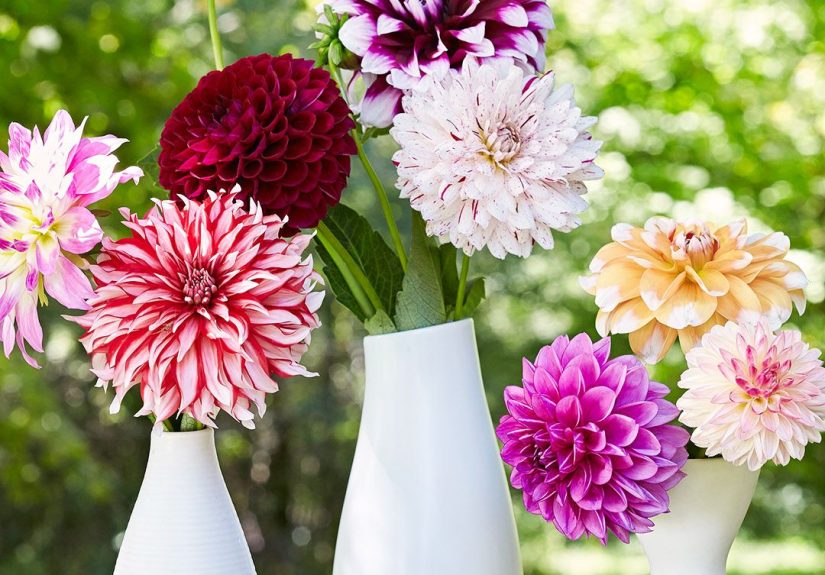
- Dahlias (mid/late summer through frost in many areas)
- Sunflowers (summer; choose pollenless varieties if you hate yellow dust on everything)
- Tulips and peonies (spring showstoppers)
- Zinnias (also serve as focal blooms in summer arrangements)
Fillers (the volume builders)
- Ammi (Queen Anne’s lace types) (airy, cloud-like umbels)
- Dill (soft and feathery; doubles as a useful herb)
- Yarrow (flat-topped clusters; great texture)
- Asters (late-season filler, especially in fall)
Foliage (the bouquet glue)
- Basil (fragrant, easy, and surprisingly elegant in arrangements)
- Mint (best in containers unless you want a mint “lawn”)
- Ornamental grasses and seed heads (late summer/fall texture)
- Woody stems like hydrangea (in season) for structure
A Concrete Example: A Small Bed Plan That Produces Real Bouquets
Let’s say you have one 4′ x 8′ raised bed (or an equivalent sunny space). Here’s a realistic plan designed for
continuous cutting:
Bed layout idea (rows across the short side)
- Row 1: Snapdragons (spring/early summer), then replace with basil or celosia after peak.
- Row 2: Zinnias (plant once after last frost, then re-sow a small patch 3–4 weeks later).
- Row 3: Cosmos (one planting can bloom a long time; pinch early for branching).
- Row 4: Sunflowers in succession (sow a short section every 2–3 weeks).
Around the edges, tuck in filler herbs (dill) or a few perennial anchors (yarrow). This bed won’t give you florist-shop
volume every day, but it can absolutely supply weekly vases for a householdespecially if you harvest consistently.
Harvesting for Maximum Vase Life (and Maximum Re-Bloom)
You can grow gorgeous flowers and still end up with sad, droopy arrangements if you harvest at the wrong time or
handle stems poorly. The good news: a few habits make a big difference.
Timing: harvest when plants are hydrated
Early morning (near sunrise) is a classic best time to cut flowers because stems tend to be well-hydrated. If mornings
are impossible, late afternoon/early evening can also work when the heat has backed off. Avoid cutting in the hottest
part of the day whenever you can.
Tools and technique
- Use clean, sharp snips: crushed stems don’t drink water well.
- Bring a bucket of water outside: put stems in water immediately instead of letting them “wait” on a hot patio chair.
- Cut above a leaf node when possible: this encourages branching on cut-and-come-again flowers.
- Strip leaves below the waterline: submerged foliage rots and feeds bacteria.
Conditioning: the quiet step that makes flowers last
Conditioning simply means letting stems rehydrate in clean water (often in a cool, shaded spot) before arranging.
If you have a cool room, basement, or spare fridge space, cooler temperatures can dramatically extend vase life.
Keep vases and buckets cleansanitation matters more than people expect.
Flower food: helpful, but not magic
Commercial floral preservative can help because it typically includes sugars (food), acidifiers (better water uptake),
and biocides (microbe control). If you don’t have it, the best “budget upgrade” is simply fresh, clean water and
a clean vasechanged regularly. You’ll get more mileage from cleanliness than from any internet potion.
Keep the Garden Producing: Maintenance That Pays Off
Deadhead and cut regularly
For many summer bloomers, harvesting is a form of deadheading. Regular cutting prevents plants from switching into
“seed mode,” and it encourages more blooms and longer stems. If you let flowers go to seed early, production can slow
down fast.
Feed lightly, not wildly
Over-fertilizingespecially with high nitrogencan produce lots of leafy growth and fewer flowers. Compost and a
balanced approach typically work well for home cutting gardens. If plants look pale or slow, a gentle feeding may help,
but don’t assume “more fertilizer” equals “more flowers.”
Watch airflow and moisture to reduce disease
Powdery mildew and other issues love crowded, damp conditions. Spacing, watering at the base, and removing damaged
foliage are simple steps that prevent bigger headaches later.
Common Cut Flower Garden Mistakes (So You Can Skip Them)
- Planting everything once: you’ll get a burst, then a lull. Succession planting fixes this.
- Growing only “pretty faces”: bouquets need fillers and foliage to look full and intentional.
- Skipping support: long stems often need netting or staking to stay straight.
- Harvesting too late: some flowers last longer if cut at the right stage (often before fully open).
- Dirty vases: bacteria shortens vase life fast. Clean containers are a true flower hack.
A Starter Plant List for Season-Long Bouquets
If you want an easy, reliable cut flower garden, start with proven performers and expand once you learn what thrives
in your specific yard.
Spring and early summer
- Tulips (plant bulbs in fall)
- Daffodils (plant bulbs in fall; handle sap carefully if mixing in arrangements)
- Peonies (perennial; patience required, but worth it)
- Snapdragons (often started indoors for earlier blooms)
Summer
- Zinnias
- Cosmos
- Sunflowers (succession sow)
- Celosia
- Dahlias (tubers; peak vase filler late summer into fall)
Late summer and fall
- Amaranth
- Asters
- Sedum (if you already grow it; great texture)
- Ornamental grasses and seed heads (for arrangements with movement)
Wrap-Up: Your House Can Look Like a Flower Shop (Without the Flower Shop Budget)
Planting a cut flower garden for all-season vases is mostly about stacking small advantages:
pick repeat bloomers, plant in waves, support your stems, and harvest at the right time with clean tools and clean water.
Do that, and your garden becomes a steady source of color, fragrance, and “Yes, I totally meant to make my dining table
look this nice” energy.
Experience-Based Tips: Real-World Lessons for Filling Vases All Season (Extra Section)
Garden guides can make cut flower gardening sound like a tidy checklist: sow, water, harvest, repeat. In real life,
it’s more like: sow, water, forget you sowed, panic a little, then suddenly you’re carrying an overflowing bucket and
trying to find enough vases, jars, cups, and possibly a clean pasta pot. Here are practical, experience-driven lessons
that help your cutting garden go from “occasional bouquet” to “vases everywhere, all the time.”
1) You will underestimate foliageevery single time
Many gardeners start by planting only flowers they recognize as “bouquet flowers.” Then they cut three gorgeous zinnias,
put them in a vase, and realize it looks like three enthusiastic lollipops. Foliage and fillers are what make bouquets
look lush and intentional. The fix is simple: intentionally grow plants whose job is to be “supporting actors.”
Basil is a perfect beginner option because it’s useful in the kitchen, smells amazing, and looks surprisingly elegant
in arrangements. Dill, yarrow, and even a few ornamental grasses can add texture and movement that make your bouquets
look like you planned them (even if you were improvising in flip-flops).
2) The “two-bucket system” saves your sanity
One bucket is for “just cut, still hydrating.” The second is for “ready to arrange.” This tiny habit keeps your
arranging area cleaner and helps flowers last longer. It also prevents the classic mistake of arranging with thirsty
stems that were cut ten minutes ago in full sun and are now making dramatic fainting gestures.
3) Succession planting feels unnecessary until it’s suddenly everything
The first year, it’s tempting to plant a whole packet of sunflower seeds and call it a day. Then you get a glorious
week of sunflowers, followed by a month of staring at green stalks that are done with their life’s work.
A simple rhythmsowing a small section every couple of weekskeeps your bouquets steady and prevents the “feast or famine”
cycle. If you want to keep things easy, only succession plant two crops at first: sunflowers and zinnias. That alone
will dramatically smooth your harvest season.
4) Cutting is not stealing from the plant; it’s coaching the plant
New growers sometimes hesitate to cut “too much,” especially when the garden looks perfect in the ground. But many
cut-and-come-again flowers respond to cutting by branching and producing more stems. If you harvest regularly, you
encourage long stems and a longer bloom window. If you let everything mature and go to seed early, the plant often
decides it has completed its mission and slows production. Think of harvesting as a gentle, ongoing conversation:
“Nice work. Do it again.”
5) Weather will humble you, so build flexibility into the plan
A rainy spell can stretch stems and increase mildew pressure; a hot stretch can speed up bloom timing. This is why a
mixed garden is so valuable. If one flower struggles, another often shines. Cosmos might thrive when something fussier
complains. Dahlias may take their time, but when they start, they can carry late-season bouquets. The best real-world
strategy is diversity: grow several reliable workhorses plus a few “try it and see” experiments. Over time, your garden
becomes tailored to your microclimate in a way no generic plant list can replicate.
6) The best bouquets often happen when you stop trying to make “perfect bouquets”
Some of the most charming arrangements come from using what’s at peak right now: a handful of zinnias, a few airy cosmos
stems, basil, and one dramatic sunflower as the star. When you embrace seasonal variety, your vases become a living
timeline of your garden. And if a bouquet looks a little wild? Congratulationsyou’ve achieved “garden style,” which is
basically the floral version of effortless cool.







 Close
Close