
Table of Contents >> Show >> Hide
- What Is Bleed Through on Chalk Painted Furniture?
- Why Bleed Through Happens
- The Quick Fix for Bleed Through on Chalk Painted Furniture
- Best Products for Fixing Chalk Paint Bleed Through
- How to Fix Bleed Through After You Already Painted
- How to Prevent Bleed Through Before Painting
- Can You Use Chalk Paint Over Primer?
- Should You Sand Before Fixing Bleed Through?
- What Not to Do When Chalk Paint Bleeds Through
- Best Example: Fixing a White Chalk Painted Dresser
- Best Example: Fixing Bleed Through on Small Decor
- How to Choose Between Spot Priming and Full Priming
- Final Thoughts: Bleed Through Is Annoying, Not Fatal
- Hands-On Experience: What DIY Furniture Painters Learn the Hard Way
- SEO Tags
There you are, feeling like a weekend furniture-flipping genius. You found a tired little dresser, gave it a pep talk, opened your chalk paint, and imagined a creamy, farmhouse-perfect finish. Then, just when the first coat dries, mysterious yellow, brown, pink, or reddish stains start creeping through the paint like the furniture is trying to send a haunted message from 1973.
That annoying surprise is called bleed through, and it is one of the most common problems in chalk painted furniture and decor DIY projects. The good news? Your piece is not ruined. The better news? The fix is usually simple: stop painting, seal the stain, let it dry, and repaint.
This guide walks you through how to fix chalk paint bleed through quickly, why it happens, what products work best, and how to prevent it next time. Whether you are painting a thrifted hutch, a vintage side table, a picture frame, a mirror, or a charming little cabinet that looked innocent at the flea market, this article will help you rescue your project without losing your mindor your last clean paintbrush.
What Is Bleed Through on Chalk Painted Furniture?
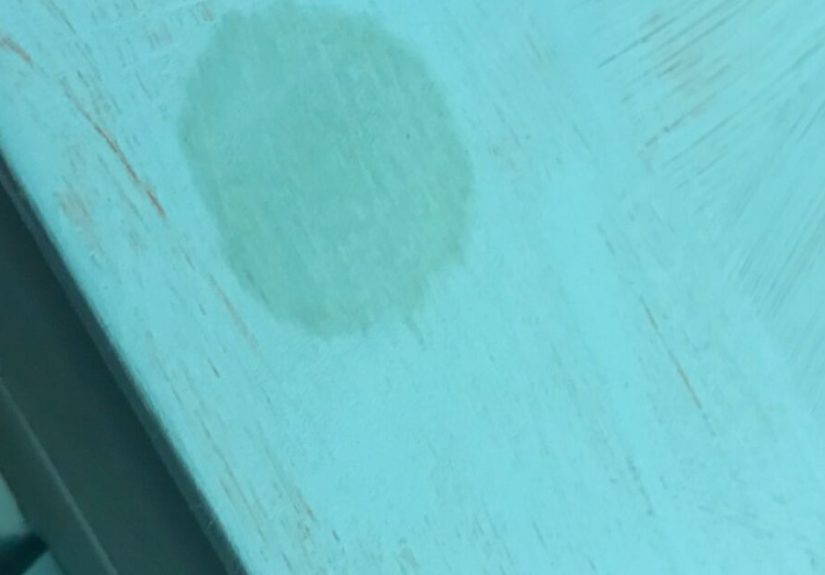
Bleed through happens when stains, wood tannins, old finishes, oils, dyes, nicotine residue, water marks, or hidden grime travel up through your fresh paint layer. Chalk paint is often water-based, and that moisture can reactivate old stains or natural pigments inside the wood. Once activated, those stains migrate to the surface and show up as blotches, streaks, dots, or cloudy discoloration.
It is especially noticeable when you paint furniture white, cream, pale gray, soft blue, sage green, or any other light color. Darker chalk paint can hide some discoloration, but light chalk paint is basically a spotlight with manners. It shows everything.
Common Signs of Chalk Paint Bleed Through
You may be dealing with bleed through if you notice:
- Yellow or brown spots appearing after the paint dries
- Pink or reddish stains showing through white chalk paint
- Dark rings from old water damage
- Knots in wood turning orange or brown
- Streaks that return even after another coat of paint
- Random stains that look worse after sealing or topcoating
The most important thing to know is this: more chalk paint usually will not fix bleed through. It may cover the stain for a few minutes, but once the paint dries, that little troublemaker often comes back waving from underneath.
Why Bleed Through Happens
Bleed through is not a sign that your chalk paint is bad. It usually means something underneath the paint needs to be blocked before the topcoat can look clean and even.
1. Wood Tannins
Tannins are natural compounds found in many types of wood. They can rise through paint when moisture activates them. Woods such as mahogany, cherry, cedar, redwood, pine, and sometimes oak are known for causing tannin bleed. Mahogany and cherry can create pink or reddish stains, while pine knots may produce yellow or brown marks.
2. Old Stain or Finish
Vintage furniture often has layers of oil-based stain, varnish, shellac, wax, polish, or mystery finish. Some of these coatings can react with water-based chalk paint and cause discoloration. That beautiful antique dresser may have lived a long life before you met it, and unfortunately, some of its history wants to be part of your paint job.
3. Water Damage
Old water rings, damp storage, or previous spills can leave hidden stains in wood and veneer. When you paint over them, they can rise to the surface. This is common on tabletops, nightstands, bathroom decor, and kitchen pieces.
4. Smoke, Nicotine, Grease, and Grime
Furniture from kitchens, garages, basements, and smoking homes can hold onto residue. Chalk paint may stick beautifully, but it cannot always lock in stubborn contamination. That job belongs to a stain-blocking primer or shellac sealer.
The Quick Fix for Bleed Through on Chalk Painted Furniture
Here is the fast, practical answer: let the paint dry, apply shellac or a stain-blocking primer over the stained areas, let it dry completely, then repaint with chalk paint.
If the bleed through is only showing in a few spots, you can spot-prime those areas. If the entire piece is turning yellow, pink, or blotchy, prime the whole surface. Do not keep adding chalk paint. That is like putting a cute rug over a leaky pipe and hoping the plumbing feels inspired.
Quick Tip Step-by-Step
- Stop painting. Let the chalk paint dry fully.
- Lightly sand if needed. Smooth raised brush marks or rough areas with fine-grit sandpaper.
- Clean the dust. Wipe with a lint-free cloth or tack cloth.
- Apply shellac or stain-blocking primer. Cover the stained spots or the whole piece.
- Let it dry as directed. Follow the product label, especially for stain blocking.
- Apply a second coat if stains are severe. Some bleed through needs extra blocking power.
- Repaint with chalk paint. Use thin, even coats.
- Seal your finished piece. Use wax, clear coat, or another compatible topcoat once the paint looks clean.
Best Products for Fixing Chalk Paint Bleed Through
The best product depends on how severe the stain is, what you are painting, and how much odor or cleanup you are willing to deal with. For most chalk painted furniture and decor DIY projects, the strongest solutions are shellac, shellac-based primer, or oil-based stain-blocking primer.
Clear Shellac
Clear shellac is a favorite among furniture painters because it dries quickly and blocks many stains effectively. It can be brushed, padded, or sprayed onto problem areas. It is especially helpful for wood knots, tannins, and old stains that keep rising through chalk paint.
Clear shellac is useful when you do not want a white primer layer underneath, such as when distressing chalk paint or working on a decorative piece where edges may show. It is also great for spot-treating bleed through without priming the entire project.
Shellac-Based Primer
Shellac-based primer is a heavy-duty stain blocker. It is often used for water stains, smoke stains, knots, tannins, and stubborn odors. It dries fast, sticks well, and creates a barrier between the old surface and your new paint.
The tradeoff is smell. Shellac-based primers can be strong, so use them with good ventilation, wear appropriate protection, and follow the safety instructions on the label. If possible, work outside or in a garage with the door open.
Oil-Based Stain-Blocking Primer
Oil-based primer is another strong option for blocking tannin bleed, water stains, and old wood finishes. It is excellent when painting raw wood, stained furniture, or pieces with suspicious discoloration. It usually takes longer to dry than shellac-based primer, but it can create a durable stain-blocking base.
Water-Based Stain-Blocking Primer
Some modern water-based primers are designed to block stains and may work for light to moderate problems. However, severe tannin bleed, dark water stains, mahogany stains, and knotty pine may require shellac-based or oil-based products. If you tried a regular water-based primer and the stain laughed at you, it is time to bring in stronger backup.
How to Fix Bleed Through After You Already Painted
Many DIYers do not discover bleed through until after one or two coats of chalk paint. No panic necessary. You can still fix it.
Step 1: Let the Paint Dry Completely
Do not seal wet paint. Let the chalk paint dry fully so the stain blocker can bond properly. If the surface feels cool, tacky, or soft, give it more time. Rushing this step can trap moisture and create new problems.
Step 2: Identify the Problem Areas
Look closely at the piece in natural light. Are the stains only around knots? Are they appearing on the drawer fronts? Is the entire top turning yellow? Circle problem spots lightly with painter’s tape if needed so you do not miss them.
Step 3: Smooth the Surface
If you have thick brush strokes from trying to cover the stain with more paint, lightly sand the area. Use a fine-grit sanding sponge and keep your touch gentle. You are not stripping the piece; you are simply smoothing the surface so the next layers look better.
Step 4: Apply Shellac or Primer
For small spots, apply clear shellac or shellac-based primer just over the stains and slightly beyond the edges. For widespread bleed through, coat the entire surface. Use thin, even layers. Thick primer can create texture, drips, or ridges that show through your chalk paint.
Step 5: Recoat if Necessary
Some stains need two coats of stain blocker. This is common with knots, red-toned woods, water stains, and old smoke damage. Let the first coat dry according to the label before adding a second.
Step 6: Repaint with Chalk Paint
Once the stain blocker is dry, repaint the area with chalk paint. Use thin coats and let each coat dry well. Feather the edges if you spot-primed so the finish blends smoothly.
How to Prevent Bleed Through Before Painting
The best fix is prevention. A few minutes of inspection can save you from repainting the same drawer front four times while muttering things your neighbors should not hear.
Clean the Furniture First
Before chalk painting furniture, clean it well. Use a degreasing cleaner suitable for furniture prep, then wipe away residue. Pay attention to handles, drawer fronts, cabinet doors, and tabletops. Grease and furniture polish can interfere with adhesion and may contribute to stains or uneven paint.
Do a Test Patch
Paint a small hidden area and let it dry. If a yellow, brown, or pink stain appears, prime before painting the whole piece. A test patch is especially smart when painting old wood white or using very light chalk paint colors.
Prime Risky Wood
If the piece is mahogany, cherry, cedar, redwood, knotty pine, or heavily stained wood, assume it may bleed. Apply shellac or stain-blocking primer before chalk paint. This is not overkill; it is furniture insurance.
Seal Knots and Raw Wood
Wood knots are famous for bleeding through paint. Spot-seal knots with shellac before painting. Raw wood can also release tannins, so prime or seal it properly before applying chalk paint.
Can You Use Chalk Paint Over Primer?
Yes, chalk paint can usually be applied over a properly dried primer. In fact, primer can make your chalk paint finish cleaner and more predictable when working with stained or problematic furniture. The key is to use a primer that matches the problem you are solving.
If you only need adhesion on a glossy surface, a bonding primer may help. If you need to block tannins, knots, smoke, or old stains, choose a stain-blocking primer. Those are different jobs, and using the wrong primer is like bringing a salad fork to a snowstorm.
Should You Sand Before Fixing Bleed Through?
You do not always need to sand heavily before fixing bleed through. If the chalk paint is smooth and the stain is simply showing through, you can often apply shellac or primer directly over the dry paint. However, if you have built up several uneven coats while trying to hide the stain, light sanding will improve the final look.
Sand glossy, peeling, or rough areas before priming. Then remove all dust. Dust left behind can create a gritty finish and weaken adhesion.
What Not to Do When Chalk Paint Bleeds Through
When stains appear, it is tempting to keep painting. Resist the urge. Here are common mistakes to avoid:
- Do not keep adding chalk paint. Paint is not a stain blocker.
- Do not wax before fixing the stain. Wax can make repairs harder because primers and shellac may not bond well over wax.
- Do not ignore drying times. Stain blockers need proper dry time to work.
- Do not use light paint over risky wood without testing. White paint reveals bleed through quickly.
- Do not skip ventilation. Shellac-based and oil-based products can have strong fumes.
Best Example: Fixing a White Chalk Painted Dresser
Imagine you are painting an old mahogany dresser with white chalk paint. The first coat looks dreamy. The second coat dries, and suddenly the drawer fronts look faintly pink. You add a third coat. The pink returns. At this point, the dresser is not being dramatic; it is bleeding tannins from the old wood and stain.
The right fix is to stop painting, let the surface dry, lightly sand any thick areas, and apply a shellac-based primer over the drawer fronts. If the stain is strong, apply a second coat after the first dries. Then repaint with thin coats of white chalk paint. Once the color is clean and even, seal it with your preferred compatible topcoat.
This method saves paint, time, and emotional stability. All three are valuable.
Best Example: Fixing Bleed Through on Small Decor
Bleed through does not only happen on furniture. It can show up on chalk painted trays, frames, candlesticks, shelves, signs, boxes, and thrifted decor. Smaller pieces are often easier to fix because you can use spray shellac or a small brush to seal the stained area.
For example, if a chalk painted wooden tray develops yellow spots around knots, let it dry, spray or brush shellac over the knots, wait for it to dry, and repaint. For decor that will be handled often, finish with a durable clear coat once the paint has cured.
How to Choose Between Spot Priming and Full Priming
Spot priming works when bleed through is limited to a few knots, corners, or stains. Full priming is better when the entire piece is made of a bleeding wood species or when stains are scattered everywhere.
Use spot priming when:
- Only one or two knots are bleeding
- A small water mark is showing
- A drawer front has one stained patch
- You want to preserve texture for a distressed look
Use full priming when:
- The whole piece is mahogany, cherry, cedar, or knotty pine
- Stains are appearing in many places
- You are painting the piece white or cream
- The furniture has smoke, odor, or old finish issues
Final Thoughts: Bleed Through Is Annoying, Not Fatal
Fixing bleed through on chalk painted furniture and decor DIY projects is mostly about knowing when to stop painting and start sealing. Chalk paint gives you color and character, but stain blockers provide the barrier. When tannins, knots, water stains, or old finishes start showing through, shellac or a quality stain-blocking primer can save the day.
The quick tip is simple: dry it, seal it, repaint it. Once you understand that formula, bleed through becomes less of a disaster and more of a small detour on the road to a beautiful finished piece.
Hands-On Experience: What DIY Furniture Painters Learn the Hard Way
After working through a few chalk painted furniture projects, you start to recognize the warning signs before they become full-blown paint drama. The first lesson is that old furniture has secrets. A dresser may look clean and harmless in the thrift store, but once you add water-based paint, hidden stains can wake up like they have been waiting for their big Broadway number.
One of the most common real-life experiences is painting a dark wooden piece white and assuming three coats will be enough. At first, everything looks fine. Then, after drying overnight, faint yellow patches appear. You paint again. The spots return. You paint again. The spots return with confidence. That is when most DIYers learn that chalk paint has many talents, but blocking tannins is not one of them.
Another practical lesson is that light colors are less forgiving than moody colors. A navy, charcoal, forest green, or black chalk paint may hide minor discoloration, but warm white will report every stain to the authorities. If you plan to use white chalk paint on vintage wood, it is smart to prime first, especially on mahogany, cherry, pine, cedar, or anything with knots.
Small decor pieces teach the same lesson on a smaller scale. A thrifted wooden frame may bleed orange around the corners. A decorative tray may show brown dots where knots sit under the surface. A painted sign may develop ghostly yellow streaks after the first coat dries. In these cases, spot-sealing with shellac is often enough. A quick coat over the problem area can prevent the stain from returning, and the project can continue without turning into a weekend-long negotiation.
Experience also teaches patience. The label on your primer is not decorative reading material. Dry time matters. If a stain blocker says to wait before topcoating, wait. Painting too soon can reduce its effectiveness and create adhesion problems. The same goes for sealing chalk paint. Let the paint dry properly before waxing or applying a clear coat.
Ventilation is another lesson people remember quickly. Shellac-based and oil-based stain blockers can smell strong. Use them outdoors or in a well-ventilated area, wear proper protection, and keep the project away from kids, pets, and snack plates. Nobody wants a side table that looks cute but smells like a hardware store thunderstorm.
The best habit is to build a small rescue kit: fine-grit sanding sponge, lint-free cloths, painter’s tape, clear shellac, stain-blocking primer, disposable gloves, and a dedicated primer brush. When bleed through appears, you will not have to abandon the project or panic-scroll for answers. You can fix the problem calmly, repaint, and move on to the fun partadmiring your furniture like you just saved it from a design witness protection program.





 Close
Close