
Table of Contents >> Show >> Hide
- Understanding Ear Infection Pain Before You Treat It
- Best Home Remedies to Relieve Ear Infection Pain
- 1. Apply a warm compress
- 2. Try a cold compress if warmth does not help
- 3. Use over-the-counter pain relievers correctly
- 4. Rest in an upright or slightly elevated position
- 5. Drink fluids and encourage swallowing
- 6. Use saline spray or a humidifier for congestion
- 7. Keep the ear dry if swimmer’s ear is possible
- Home Remedies to Avoid for Ear Infection Pain
- When Home Remedies Are Not Enough
- How to Relieve Ear Infection Pain in Children
- Do Antibiotics Always Help Ear Infection Pain?
- Prevention Tips to Lower the Risk of Future Ear Infections
- A Simple At-Home Ear Pain Plan
- Conclusion
- Experience-Based Tips: What Ear Infection Pain Feels Like at Home and What Actually Helps
- SEO Tags
Ear infection pain has a special talent for showing up at the worst possible time: bedtime, a weekend, right before a work presentation, or exactly three minutes after your pediatrician’s office closes. The throbbing, pressure, muffled hearing, and general “my ear has declared independence” feeling can make anyone desperate for relief.
The good news is that many mild ear infections, especially middle ear infections, improve on their own. The not-so-fun news is that “improve on their own” does not mean “feel comfortable while doing it.” That is where smart home remedies come in. Home care cannot always cure an ear infection, and it should never replace medical care when symptoms are severe, but it can help reduce pain, ease pressure, support rest, and make the waiting period much more bearable.
This guide explains how to relieve ear infection pain with home remedies that are practical, safe, and based on real medical guidance. We will also cover what not to put in your ear, when to call a doctor, and how to handle ear pain in children without turning your kitchen into a questionable science lab.
Understanding Ear Infection Pain Before You Treat It
An ear infection usually refers to an infection in the middle ear, the small air-filled space behind the eardrum. This type is common in children because their eustachian tubes are shorter and easier to block. When a cold, allergy flare, or sinus congestion causes swelling, fluid may build up behind the eardrum. That pressure can hurta lot.
Adults can get ear infections too, although ear pain in adults may also come from swimmer’s ear, sinus pressure, jaw problems, earwax buildup, or even dental issues. In other words, the ear is small, but it has a surprisingly dramatic social circle.
Common symptoms of an ear infection
- Ear pain or a feeling of pressure
- Muffled hearing or a plugged sensation
- Fever
- Fluid drainage from the ear
- Trouble sleeping, especially when lying down
- Fussiness, crying, or ear tugging in children
- Loss of appetite in babies and toddlers
Because ear infections can be viral or bacterial, antibiotics are not always needed. Many mild cases improve with time, pain management, and close observation. However, severe symptoms, young infants, repeated infections, or drainage from the ear require medical guidance.
Best Home Remedies to Relieve Ear Infection Pain
The goal of home treatment is simple: reduce pain, lower fever if needed, improve comfort, and avoid making the situation worse. Here are the safest and most useful options.
1. Apply a warm compress
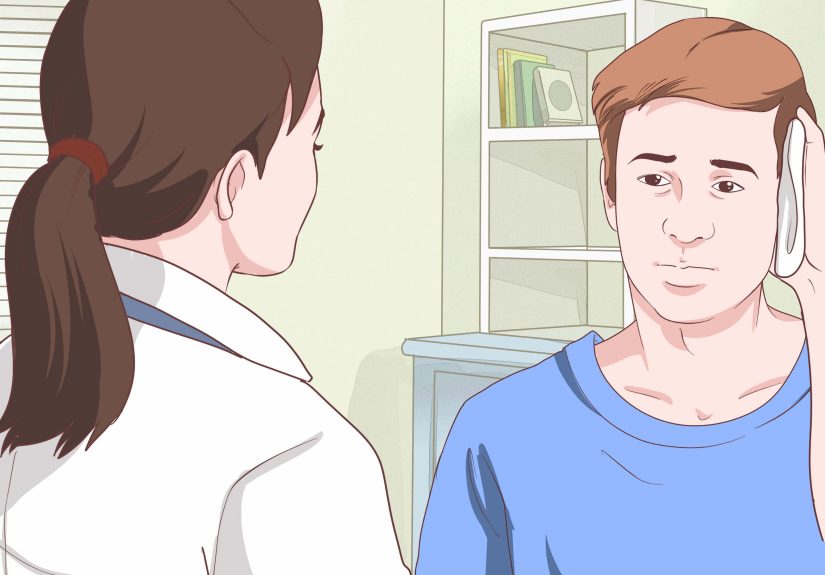
A warm compress is one of the easiest home remedies for ear infection pain. Heat can relax the area around the ear, soothe discomfort, and make pressure feel less intense.
Soak a clean washcloth in warmnot hotwater, wring it out, and place it gently over the painful ear for 10 to 15 minutes. You can repeat this several times a day. A warm water bottle wrapped in a towel may also work, but test the temperature first. The goal is “cozy spa towel,” not “tiny lava blanket.”
For children, make sure the compress is only mildly warm and never leave them unattended with a heating pad. Electric heating pads can get too hot and may cause burns, especially if a child falls asleep.
2. Try a cold compress if warmth does not help
Some people feel better with cold instead of warmth. A cold compress can numb the outer ear area and reduce discomfort temporarily. Wrap a cold pack or a cool wet washcloth in a thin towel and place it against the outer ear for about 15 to 20 minutes.
You can alternate warm and cool compresses to see which feels better. Ear pain is personal. One person’s “ahh, relief” is another person’s “absolutely not, remove this immediately.”
3. Use over-the-counter pain relievers correctly
Over-the-counter pain relievers are often the most effective home option for ear infection pain. Acetaminophen and ibuprofen can help reduce pain and fever. Always follow the dosing instructions on the label, and use the correct dose for age and weight when treating children.
For babies younger than 6 months, acetaminophen is typically the only recommended over-the-counter pain reliever unless a healthcare provider says otherwise. Children 6 months and older may be able to take acetaminophen or ibuprofen. Aspirin should not be given to children or teenagers because it is associated with Reye’s syndrome, a rare but serious condition.
Adults should also read labels carefully, especially if they have liver disease, kidney disease, stomach ulcers, take blood thinners, drink alcohol regularly, or already use other medicines that contain acetaminophen. When in doubt, ask a pharmacist. Pharmacists are basically medication detectives with better lighting.
4. Rest in an upright or slightly elevated position
Ear pain often gets worse when lying flat because pressure in the middle ear can increase. Resting with the head slightly elevated may help ease that pressure. Adults and older children can use an extra pillow or sleep with the upper body slightly raised.
For babies, do not use pillows or unsafe sleep positioning devices. Infants should sleep on their backs on a firm, flat surface. If a baby has ear pain, congestion, fever, or trouble feeding, call a pediatrician for guidance rather than changing sleep safety practices.
5. Drink fluids and encourage swallowing
Hydration will not magically drain an ear infection, but it can support the body while it fights illness. Drinking fluids may also encourage swallowing, which can help open the eustachian tubes and reduce pressure in some cases.
Adults and older children may find relief from sipping water, warm tea, or broth. Chewing gum or sucking on a lozenge may also help with pressure, but these are choking hazards for young children. For toddlers and babies, offer age-appropriate fluids and feedings as advised by their doctor.
6. Use saline spray or a humidifier for congestion
Ear infections often follow colds. When the nose is blocked, the eustachian tubes can struggle to drain properly. A cool-mist humidifier, steam from a warm shower, or saline nasal spray may help loosen mucus and ease nasal congestion.
For children, saline drops and gentle suction may help clear the nose, especially before meals or sleep. Avoid overusing suction because it can irritate the nose. Also, do not give over-the-counter cough and cold medicines to young children unless a healthcare provider recommends them. These products can cause serious side effects in very young kids.
7. Keep the ear dry if swimmer’s ear is possible
Not all ear infections happen behind the eardrum. Swimmer’s ear is an outer ear canal infection that often develops after water stays trapped in the ear. It may cause itching, redness, tenderness when touching the outer ear, and pain that worsens when pulling on the ear.
If swimmer’s ear is suspected, keeping the ear dry is important. Avoid swimming until symptoms improve and a healthcare provider says it is safe. Use a shower cap or cotton ball lightly coated with petroleum jelly at the entrance of the ear during bathing, but do not push anything into the ear canal.
Some drying ear drops are sold over the counter, but they are not safe for everyone. Do not use them if there is ear drainage, a ruptured eardrum, ear tubes, severe pain, or a history of ear surgery unless a clinician approves.
Home Remedies to Avoid for Ear Infection Pain
The internet is full of ear infection “cures” that sound natural, traditional, or impressively confident. Unfortunately, confidence is not the same as safety. Your ear is delicate, and the eardrum is not a place for experiments.
Do not put garlic oil, essential oils, or olive oil into the ear without medical advice
Garlic, olive oil, tea tree oil, and other oils are popular home remedies, but they are not proven cures for middle ear infections. They can irritate the ear canal, trigger allergic reactions, or cause problems if the eardrum is torn. Essential oils are especially risky because they can be concentrated and irritating.
Do not use hydrogen peroxide if infection or rupture is possible
Hydrogen peroxide may be used in some earwax situations, but it is not a general ear infection treatment. If there is fluid drainage, severe pain, ear tubes, or a possible eardrum rupture, peroxide can irritate the ear and may worsen discomfort.
Do not insert cotton swabs or objects into the ear
Cotton swabs can push wax deeper, scratch the canal, or injure the eardrum. Hairpins, earbuds, paper clips, and “just this one tiny tool” are also bad ideas. The ear canal does not need a construction crew.
Skip ear candling completely
Ear candling is not recommended. It can cause burns, deposit wax into the ear, or injure the ear canal. It does not safely remove infection or fluid behind the eardrum.
When Home Remedies Are Not Enough
Home remedies can help mild ear pain, but some symptoms need medical attention. Call a healthcare provider if ear pain lasts more than 48 hours, symptoms worsen, hearing decreases, or fever is high. Medical care is also important if ear pain occurs in a baby younger than 6 months.
Seek urgent care for these warning signs
- Severe ear pain that does not improve after pain medicine
- Fever of 102°F or higher, especially in children
- Fluid, pus, or blood draining from the ear
- Swelling, redness, or tenderness behind the ear
- Stiff neck, severe headache, dizziness, or trouble walking
- Facial weakness or a crooked smile
- Repeated vomiting
- A child who looks very ill, unusually sleepy, or difficult to comfort
These symptoms may signal a more serious infection or complication. Do not wait it out with another warm washcloth and optimism.
How to Relieve Ear Infection Pain in Children
Children are ear infection champions, though nobody asked them to compete. Because young children cannot always explain what hurts, parents often notice clues like fussiness, poor sleep, crying when lying down, reduced appetite, or pulling at the ear.
Safe comfort steps for kids
- Use acetaminophen or ibuprofen only as directed for the child’s age and weight.
- Apply a warm compress for 10 to 15 minutes.
- Offer fluids often.
- Use saline drops or a cool-mist humidifier if congestion is present.
- Keep the child calm and rested.
- Call a pediatrician if symptoms are severe, persistent, or concerning.
Do not give aspirin to children. Do not use adult cold medicines, leftover antibiotics, or someone else’s prescription ear drops. Even if another parent swears by a remedy, your child’s ear deserves advice from someone with medical training, not just a group chat named “Mom Wisdom & Snacks.”
Do Antibiotics Always Help Ear Infection Pain?
Antibiotics can be very helpful when a bacterial ear infection needs treatment. However, they do not work against viruses, and many mild ear infections improve without them. Healthcare providers may recommend watchful waiting for certain children and adults with mild symptoms, while focusing on pain relief for the first couple of days.
That does not mean ear infections should be ignored. It means the best treatment depends on age, severity, fever, whether one or both ears are affected, medical history, and whether symptoms are improving or getting worse.
If antibiotics are prescribed, take them exactly as directed and finish the full course unless a clinician tells you otherwise. Stopping early may allow infection to return or contribute to antibiotic resistance.
Prevention Tips to Lower the Risk of Future Ear Infections
You cannot prevent every ear infection, especially in children, but you can reduce risk. Since many ear infections start after respiratory illnesses, prevention often begins with cold and flu habits.
Helpful prevention habits
- Wash hands often.
- Avoid exposure to cigarette smoke and vaping aerosols.
- Stay current on recommended vaccines.
- Manage allergies when they contribute to congestion.
- Keep ears dry after swimming or bathing.
- Avoid putting objects into the ear canal.
- For babies, avoid bottle-feeding while lying flat.
For children with frequent ear infections, a pediatrician may discuss additional options, including hearing checks or ear tubes. Repeated infections deserve follow-up because ongoing fluid can affect hearing and speech development.
A Simple At-Home Ear Pain Plan
If symptoms are mild and there are no warning signs, try this step-by-step comfort plan:
- Use the correct dose of acetaminophen or ibuprofen if appropriate.
- Apply a warm compress for 10 to 15 minutes.
- Rest with the head slightly elevated if age-appropriate.
- Drink fluids and manage nasal congestion with saline or humidity.
- Keep the ear dry and avoid inserting anything into it.
- Monitor symptoms closely for 24 to 48 hours.
- Call a doctor if pain worsens, fever rises, drainage appears, or symptoms do not improve.
This approach gives the body support while making sure you do not miss signs that medical treatment is needed.
Conclusion
Knowing how to relieve ear infection pain with home remedies can make a miserable dayor a very long nightmuch easier. The safest home remedies include warm or cold compresses, appropriate over-the-counter pain relievers, rest, fluids, gentle congestion care, and keeping the ear dry when needed. These steps can ease discomfort while the body heals or while you wait to see a healthcare provider.
The most important rule is to treat pain seriously without treating the ear like a DIY project. Avoid oils, ear candles, cotton swabs, peroxide, and random drops unless a clinician says they are safe for your situation. If symptoms are severe, persistent, or involve a young baby, drainage, high fever, swelling behind the ear, dizziness, or hearing loss, get medical care promptly.
Ear infection pain may be small in size, but it is big in attitude. With smart home care, careful monitoring, and timely medical help when needed, you can calm the pain without creating a sequel called “The Ear Infection Strikes Back.”
Experience-Based Tips: What Ear Infection Pain Feels Like at Home and What Actually Helps
Anyone who has dealt with ear infection pain at home knows that the hardest part is not always the pain itself. It is the timing. Ear pain often gets worse at night, when the house is quiet, pharmacies feel far away, and every small throb sounds like a drum solo inside your skull. For parents, the experience can feel even more stressful because a child may cry, refuse food, or wake every hour without being able to explain what is wrong.
One common experience is that lying flat makes the pressure feel worse. Many adults describe the pain as a deep ache or fullness that seems to pulse when they put their head on the pillow. In that situation, a slightly elevated sleeping position can make the night more manageable. It may not erase the infection, but it can reduce the pressure enough to help someone rest. For older children, an extra pillow may help. For babies, safe sleep rules still matter, so parents should call a pediatrician rather than propping an infant with pillows.
Another real-life lesson is that warm compresses are simple but surprisingly comforting. A warm washcloth over the ear gives people something immediate to do while waiting for pain medicine to work. It also helps children feel cared for. There is a big emotional difference between “we can’t do anything” and “let’s sit together with this warm cloth for a few minutes.” The second option is calmer, kinder, and less likely to involve everyone crying in the kitchen at 2 a.m.
Over-the-counter pain medicine can also be a turning point, but only when used correctly. Many families learn that guessing the dose is not a good strategy. Children’s dosing should be based on age and weight, and caregivers should use the measuring device that comes with the medicine. Kitchen spoons are for soup, not medication accuracy. Adults also need to watch for duplicate ingredients, especially acetaminophen, which can appear in multiple cold and flu products.
People also discover that not every “natural” remedy is gentle. A friend may recommend garlic oil, essential oils, or peroxide, but putting unapproved liquids into a painful ear can backfire, especially if the eardrum has ruptured. Drainage from the ear is a major clue to stop home experimenting and call a doctor. When the ear is already irritated, it does not need a mystery marinade.
Finally, the biggest experience-based takeaway is to watch the pattern. Mild pain that improves with comfort care is one thing. Pain that keeps getting worse, comes with high fever, causes hearing changes, or lasts more than two days deserves medical attention. Home remedies are best used as a bridge to comfort, not a substitute for diagnosis. The goal is not to “tough it out.” The goal is to feel better safely, sleep more peacefully, and know when the ear needs a professional opinion.







 Close
Close