
Table of Contents >> Show >> Hide
- Start Here: Patch It or Replace It?
- Tools and Materials You May Need
- How to Patch Small Tears and Tiny Holes
- How to Replace Window Screen Mesh for Larger Tears
- Step 1: Remove the screen frame
- Step 2: Pry out the old spline
- Step 3: Remove the damaged mesh
- Step 4: Secure the frame on a flat surface
- Step 5: Lay the new screen over the frame
- Step 6: Start installing the spline
- Step 7: Keep the screen taut, not over-tight
- Step 8: Trim the excess mesh
- Step 9: Reinstall the screen
- Choosing the Best Replacement Screen Material
- Common Window Screen Repair Mistakes to Avoid
- When to Repair the Frame or Call a Pro
- Real-World Lessons and Experiences From Repairing Window Screens
- Conclusion
Note: This article is written in clean HTML for web publishing and focuses on practical DIY guidance for repairing window screens with tears and holes.
A torn window screen is one of those tiny household problems that somehow manages to feel much bigger than it is. One minute you are enjoying a nice breeze. The next minute, a mosquito is treating your living room like an all-you-can-eat buffet. The good news is that repairing a window screen with tears and holes is one of the most doable DIY projects around. You do not need a garage full of fancy tools, a contractor on speed dial, or a dramatic movie montage. You just need the right method.
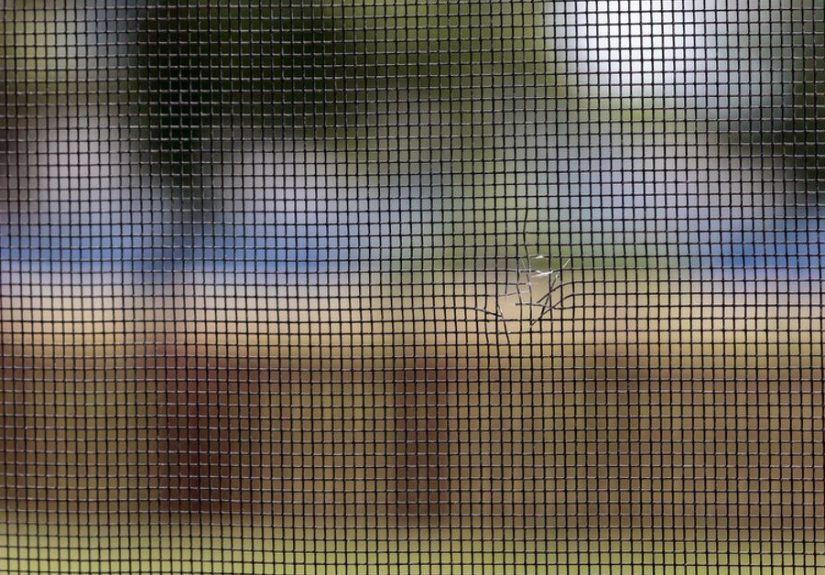
In most cases, repairing a damaged screen comes down to one simple choice: patch the damage or replace the screen mesh in the frame. Small punctures, tiny tears, and neat little holes can often be fixed in minutes. Larger rips, sagging mesh, or repeated damage usually call for a full rescreen. Once you know which lane your project belongs in, the rest gets much easier.
This guide walks you through both approaches in plain English, with real-world tips, common mistakes to avoid, and material choices that make sense for actual homes. So if your screen has been attacked by a curious cat, a rogue tree branch, or the simple passage of time, here is how to make it look respectable again.
Start Here: Patch It or Replace It?
Before you grab tools, take a close look at the damage. This is the moment when honesty helps. If the screen has one small hole and otherwise looks good, patching is fast, cheap, and perfectly reasonable. If the mesh has long tears, several damaged spots, loose edges, or a tired, saggy look, replacing the screen fabric usually gives you a cleaner and longer-lasting result.
Patch the screen if:
- The hole is small and limited to one area.
- The mesh around the damage is still strong.
- The frame is straight and in good shape.
- You want a quick fix without removing the whole screen.
Replace the screen mesh if:
- The tear is long, jagged, or keeps growing.
- There are multiple holes or worn areas.
- The mesh is loose, shiny, brittle, or visibly old.
- The spline no longer holds the material tightly.
Think of it this way: a patch is like sewing up one ripped knee in a pair of jeans. A full rescreen is like admitting the jeans have become “yard work only” pants and moving on with dignity.
Tools and Materials You May Need
The exact supplies depend on whether you are patching or replacing, but most screen repairs use a short list of basic items:
- Screen repair patch kit
- Matching screen material for fiberglass or aluminum mesh
- Waterproof adhesive or screen repair glue, if needed
- Replacement screen mesh
- Screen spline
- Screen rolling tool
- Flathead screwdriver
- Utility knife or sharp scissors
- Work gloves
- Heavy-duty tape
- Soft brush, cloth, and mild soapy water for cleaning
One important detail: match the repair product to the screen material. Fiberglass and aluminum do not behave the same way, and a mismatched patch is a great way to turn a simple repair into a weird-looking science experiment. If you are replacing the mesh, keep the old spline and use it to buy the right size replacement. That one move can save you from a lot of muttering later.
How to Patch Small Tears and Tiny Holes
If the damage is minor, patching is the fastest fix. This works especially well for pinholes, small punctures, little corner tears, and spots that are annoying but not catastrophic.
Step 1: Clean the damaged area
Dust, pollen, and grime make repairs stick less effectively. Gently clean both sides of the damaged area with mild soapy water or a damp cloth, then let it dry fully. A clean surface helps adhesive patches bond better and makes the repair look more intentional and less like a panic response.
Step 2: Trim the damage into a neat shape
If the tear is frayed, trim it into a small square or rectangle. Clean edges are easier to patch than a fuzzy mess of loose strands. This step feels slightly annoying, because you are technically making the hole look worse for a moment, but stay with it. Order creates beauty.
Step 3: Cut a patch slightly larger than the hole
Cut the patch so it extends beyond the damaged area on every side. In practical terms, a patch that overlaps the hole by roughly half an inch to an inch all around is usually easier to secure well than one cut too close. If you are using a premade kit, trim it only if necessary.
Step 4: Apply and secure the patch
For adhesive patches, place the patch over the hole and press it firmly into place. Some heat-activated products adhere better when warmed according to the package directions. For non-adhesive mesh patches, position the patch carefully and secure the edges with a small amount of waterproof glue. Use a light hand. You are repairing a screen, not frosting a cake.
Step 5: Check visibility and function
Make sure the patch lies flat, covers the damage fully, and does not distort the surrounding mesh too much. A good patch should stop insects from entering and should not flap around in the breeze like it is trying to wave at the neighbors.
This method is great for quick repairs, rental-friendly maintenance, and screens that are otherwise in good condition. It is not the best choice for a large gash across the middle of the frame or a screen that already looks exhausted. At that point, replacement usually wins.
How to Replace Window Screen Mesh for Larger Tears
If the hole is big, the tear is ugly, or the whole screen looks tired, replacing the mesh is the smarter move. It sounds intimidating, but it is a beginner-friendly project once you understand the sequence.
Step 1: Remove the screen frame
Take the screen out of the window carefully and place it on a flat work surface. A table, workbench, or sheet of plywood over sawhorses works well. Good lighting helps. So does not trying to do this while balancing the frame on your knees like a circus act.
Step 2: Pry out the old spline
Use a flathead screwdriver to gently lift the old spline from the groove around the frame. Once you get a corner started, pull it out slowly. If it is brittle, cracked, or flattened, replace it. If it still looks flexible and intact, you may be able to reuse it, though many people prefer new spline for a tighter hold.
Step 3: Remove the damaged mesh
Lift the old screen material away and discard it. Then clean the frame and groove so dust, old debris, and tiny bits of spline are gone. A clean frame gives you a smoother installation and helps the new screen sit properly.
Step 4: Secure the frame on a flat surface
Tape the outside edges of the frame to your work surface so it stays still while you work, but do not cover the spline groove. This step seems small, yet it makes a big difference. A moving frame is how people end up inventing brand-new curse words.
Step 5: Lay the new screen over the frame
Roll the new screen material across the frame so it sits square and overlaps all sides by at least about half an inch. Keep the mesh straight. Crooked screen fabric might still function, but it rarely looks good, and once you see the skewed lines, you will never unsee them.
Step 6: Start installing the spline
Press one end of the spline into the groove with your fingers to get started. Then use a screen rolling tool to work it into place. Many tools have two ends: a convex wheel to push the screen into the groove and a concave wheel to roll the spline into the channel. Work slowly around the frame.
Step 7: Keep the screen taut, not over-tight
The goal is smooth and firm, not drum-tight. If you pull too hard, you can create ripples, distort the weave, or even bend the frame. If wrinkles appear, back up, remove the spline in that section, and reseat the screen. This is normal. Even careful DIYers usually need one “let me try that corner again” moment.
Step 8: Trim the excess mesh
Once the spline is fully seated and the screen is smooth, trim the extra mesh with a utility knife. Run the blade carefully along the outside edge of the spline. Go slowly and keep the knife angled away from the new screen. This is the stage where a five-minute job can become a second repair job if you get reckless.
Step 9: Reinstall the screen
Put the screen back in the window and check that it fits securely. If it feels loose, inspect the tabs, clips, corners, and frame condition. Sometimes the mesh repair is perfect, but the real issue is a bent frame or worn hardware.
Choosing the Best Replacement Screen Material
If you are already replacing the mesh, it is worth thinking about material instead of automatically buying whatever is closest to your hand at the store.
Fiberglass screen
Fiberglass is the go-to choice for many homeowners because it is flexible, easy to work with, corrosion-resistant, and good for visibility and airflow. It is beginner-friendly and a smart option for most standard windows.
Aluminum screen
Aluminum is more durable and resists sagging better than fiberglass, but it can crease more easily during installation. If you like a crisp, sturdy screen and do not mind being a little more careful while fitting it, aluminum can be a solid upgrade.
Pet-resistant polyester screen
If your dog launches itself at the back door like a furry torpedo or your cat thinks screens are climbing walls, pet-resistant mesh is worth a look. It is stronger than standard fiberglass and handles rough use better, though it is a little thicker.
Specialty screens
Some homes benefit from more specialized options, such as fine mesh for tiny insects or solar screen material for added glare and heat control. Not every room needs specialty mesh, but the right material can solve very specific annoyances without much extra effort.
Common Window Screen Repair Mistakes to Avoid
- Using the wrong patch material: Match fiberglass to fiberglass and aluminum to aluminum whenever possible.
- Guessing spline size: Bring the old spline with you or measure carefully.
- Skipping frame cleaning: Dirt in the groove can keep spline from seating properly.
- Pulling the mesh too tight: Tight is good; over-tight is how frames bend.
- Cutting too soon: Do not trim excess mesh until the spline is fully installed and the screen is smooth.
- Ignoring frame damage: A cracked corner or warped frame can make even a perfect rescreen fail.
Most disappointing screen repairs are not caused by lack of skill. They are caused by rushing. Window screen repair rewards patience far more than brute force.
When to Repair the Frame or Call a Pro
Sometimes the screen mesh is not the only problem. If the frame is bent, the corners are pulling apart, the wood is rotting, or the screen no longer fits the opening correctly, you may need more than a mesh repair. In some cases, replacing the whole frame is more practical than trying to save it.
You may also want professional help if you are dealing with large custom screens, second-story access issues, multiple damaged screens at once, or premium window systems with specialized parts. There is no shame in outsourcing a project when the alternative is spending your entire Saturday wrestling with a frame that clearly hates you back.
Real-World Lessons and Experiences From Repairing Window Screens
One of the most common experiences people have with window screen repair is realizing the damage looked small from across the room and much bigger up close. A “tiny tear” often turns out to be several weak spots in the same area. That is why many homeowners start with the idea of doing a fast patch, then wisely decide to replace the entire screen once they remove the frame and actually inspect it. This is not failure. This is called seeing the truth in better lighting.
Another familiar lesson is that pets change everything. People often discover that the screen near a favorite windowsill or back door has not just one hole, but a pattern of claw marks, stretched threads, and stressed corners. In those cases, patching can work for a while, but pet-resistant mesh usually becomes the better long-term solution. It is one of those upgrades that feels boring at the checkout counter and brilliant three weeks later.
Many DIYers also learn that screen repair is more about setup than strength. The first attempt can feel awkward because the screen shifts, the frame slides around, and the spline seems determined to rebel. Once the frame is taped down on a flat surface, though, the project suddenly becomes manageable. That little preparation step often makes the difference between “I hate this” and “Actually, I could do three more of these.”
There is also a nearly universal experience involving the spline roller. The first few inches can be surprisingly satisfying. Then comes a corner. Then comes a wrinkle. Then comes the realization that the screen should be snug, not stretched like a trampoline. People who get the best results usually slow down, reseat problem sections, and stop treating the roller like a race car. It is a finesse tool, not a weapon.
Another practical lesson is that replacing the mesh often improves the whole look of the window more than expected. Old screens can become faded, shiny, dusty, or slightly saggy over time, even if they are not ripped. Once new mesh is installed, the window can look sharper, cleaner, and more intentional. It is one of those repairs that quietly upgrades curb appeal without needing a dramatic before-and-after photo shoot.
Homeowners also tend to remember the first time they cut excess mesh too aggressively. It is a painful but effective teacher. A careful hand with the utility knife matters. Trimming after the screen is fully seated, and keeping the blade close to the spline without nicking the new mesh, is one of those tiny skills that separates a smooth repair from a second trip to the store.
Season matters too. Repairs are often easiest when the weather is mild and the mesh is not fighting strong wind, blazing sun, or freezing temperatures. Many people wind up fixing screens in spring, right when they finally want to open the windows again. That first warm day has a funny way of revealing every hole the bugs have already noticed.
And perhaps the biggest real-world takeaway is this: window screen repair is one of the most confidence-building home projects out there. It teaches careful measuring, light tool use, material matching, and patience, all without requiring advanced carpentry. Once someone repairs one torn screen successfully, the next one feels easy. By the third one, they are giving advice to other people with the calm energy of someone who has seen things and now respects spline sizes deeply.
Conclusion
Repairing a window screen with tears and holes is a straightforward DIY job once you know whether to patch or replace. Small holes can usually be fixed quickly with a matching patch kit. Bigger tears, sagging mesh, or repeated damage are better handled with a full rescreen using new mesh and correctly sized spline. The keys to a clean result are simple: work on a flat surface, use the right material, keep the screen taut but not over-stretched, and trim carefully.
Do it well, and your reward is immediate: better airflow, fewer bugs, a cleaner-looking window, and the quiet satisfaction of fixing something with your own two hands. Also, fewer mosquitoes auditioning for a role in your bedroom. That alone is worth the effort.







 Close
Close