
Table of Contents >> Show >> Hide
- Why Apricots Bruise So Easily (And Why It Gets Worse Overnight)
- First: Buy (or Pick) Apricots That Can Survive the Trip Home
- The Golden Rule: Store by Ripeness (Not by Habit)
- The No-Bruise Setup: A Step-by-Step Storage Method That Actually Works
- Should You Wash Apricots Before Storing Them?
- Ethylene: The Invisible Roommate That Makes Apricots Ripen Faster
- How to Pack Apricots for Lunch, Travel, or “I’m Sneaking Fruit Into the Movie Theater”
- How to Store Apricots Longer Than a Week
- Bruise Triage: What to Do If Some Apricots Are Already Bruised
- Common Apricot Storage Mistakes (A Short Tragedy in 6 Acts)
- Quick Checklist: How to Store Apricots So They Don’t Bruise
- Experience Notes: What People Learn the Hard Way (So You Don’t Have To)
- Conclusion
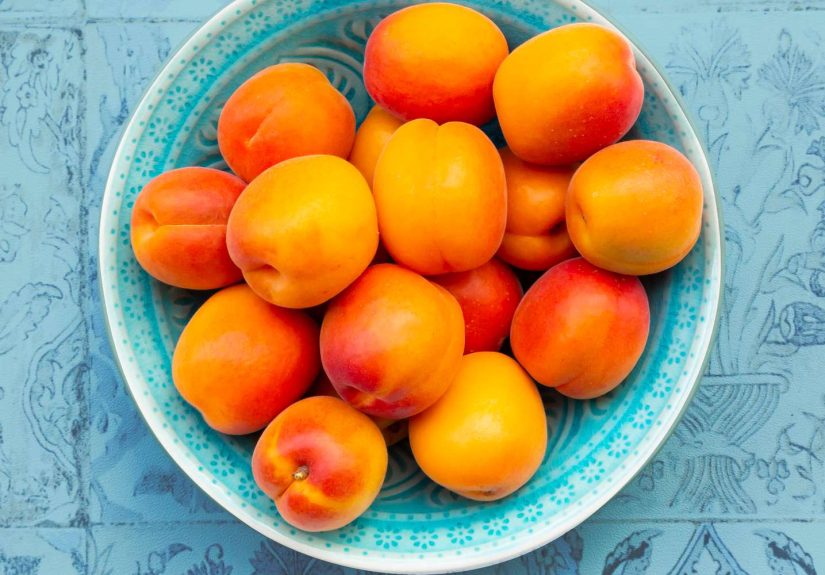
Apricots are basically the “glass cannon” of the fruit world: sweet, fragrant, and delicious… but one wrong move and they look like they lost a bar fight.
If you’ve ever brought home a gorgeous batch only to find sad bruises the next day, don’t blame yourself (okay, maybe blame the deep bowl a little).
Apricots soften fast, and soft fruit + pressure = bruising.
The good news: you don’t need fancy gadgets or a fruit-safe room guarded by security.
You just need the right plan based on ripeness, plus a storage setup that avoids squishing, moisture, and “helpful” roommates like apples that speed up ripening.
This guide covers exactly how to store apricots so they don’t bruisestep by step, with specific, real-life fixes.
Why Apricots Bruise So Easily (And Why It Gets Worse Overnight)
A bruise isn’t just a cosmetic problemit’s damaged fruit cells. When apricots get bumped or compressed, the flesh tissues break, enzymes react with oxygen,
and you get those darker, softer spots. As the fruit ripens, its structure loosens and becomes more fragile, meaning the same gentle pressure that was “fine”
yesterday can bruise it today.
Translation: the riper the apricot, the more it needs the VIP treatment.
First: Buy (or Pick) Apricots That Can Survive the Trip Home
If your goal is bruise-free apricots, storage starts before you even reach your kitchen.
Look for fruit that’s plump, mostly orange, and gives slightly when pressedlike a firm handshake, not a collapsing mattress.
Avoid apricots with wet spots, cracks, or already-soft areas (those are bruises-in-progress).
Quick shopping move that saves apricots
- Skip the bottom-of-the-bin fruit. It’s been under pressure the longest.
- Choose a range of ripeness. Buy a few “eat today” soft ones and a few firmer ones to ripen later.
- Carry them like eggs. Not like a basketball.
The Golden Rule: Store by Ripeness (Not by Habit)
The #1 reason apricots bruise at home is storing them all the same way. Unripe apricots need gentle ripening.
Ripe apricots need cold slowing-down and a no-squish bed.
How to store unripe apricots (so they ripen without bruising)
Unripe apricots can ripen after harvest. Keep them at room temperature, out of sunlight and away from heat.
For faster ripening, use a brown paper bagit helps trap ethylene (the natural ripening gas) without trapping moisture the way plastic can.
- Lay them in a single layer on the counter, or in a paper bag with space.
- Check daily. Apricots can go from “not yet” to “right now” quickly.
- Don’t stack. Unripe fruit is firmer, but stacking still creates pressure points.
How to store ripe apricots (so they don’t bruise in the fridge)
Once apricots are ripesoft, fragrant, and easy to dentmove them to the refrigerator.
Cold temperatures slow softening and decay, buying you a few more days.
But the fridge can also dry fruit out or dull flavor if you leave them too long, so the goal is “protect and pause,” not “freeze them in time forever.”
Best window for quality: plan to eat ripe apricots within about 3–5 days of refrigeration (sometimes up to a week if they were firm-ripe and your fridge runs cold).
The No-Bruise Setup: A Step-by-Step Storage Method That Actually Works
Here’s the method that mimics how produce pros reduce damage: single layer + shallow container + gentle cushioning + controlled moisture.
It looks almost too simple, which is exactly why it works.
Step 1: Pick the right container (shallow beats deep)
- Use a shallow, rigid container (a small sheet pan, glass dish, or low plastic container).
- Avoid deep bowls where fruit piles up and the bottom layer gets crushed.
Step 2: Line it like you’re tucking them in for a nap
- Line the bottom with a paper towel or a clean cloth towel.
- This cushions tiny bumps and absorbs condensation that can encourage mold.
Step 3: Store apricots in a single layer
- Arrange fruit so they’re not pressing hard against each other.
- If you must do two layers, separate them with another paper towelbut single layer is best.
Step 4: Cover without suffocating
You want to prevent moisture loss while avoiding trapped wetness.
A loosely closed container lid or a slightly open bag works well.
If you use a plastic bag, keep it loosely closed or use one with small vents.
Step 5: Put them in the right fridge zone
- Use the produce drawer if it maintains stable temperature and humidity.
- Keep apricots away from the back wall of the fridge where cold spots can cause texture issues.
- Don’t store them under heavy items (obvious, but the number of apricots lost to “just one carton of eggs” is tragic).
Should You Wash Apricots Before Storing Them?
In most cases: nowait until just before eating or cutting.
Washing adds moisture, and moisture can speed spoilage.
Instead, store them dry, then rinse under running water right before you eat or prep them.
Skip soap or produce washes; plain running water is the standard recommendation.
If you do wash before storage (for example, if they’re dusty and you can’t emotionally cope), dry them thoroughlylike “paper towel pat-down”
thoroughlybefore they go into the fridge.
Ethylene: The Invisible Roommate That Makes Apricots Ripen Faster
Apricots are “climacteric” fruit, meaning they continue ripening and produce ethylene. Other ethylene-heavy fruit (like apples and bananas) can accelerate that process.
If you’re trying to slow ripening and prevent bruising, don’t store ripe apricots right next to ethylene powerhouses.
Easy ethylene strategy
- Unripe apricots: it’s fine if they’re near other ripening fruit (you’re trying to ripen them anyway).
- Ripe apricots: store them separately so they don’t soften faster than you can eat them.
How to Pack Apricots for Lunch, Travel, or “I’m Sneaking Fruit Into the Movie Theater”
Bruising is often a travel problem, not a fridge problem. The fix is the same: prevent movement and pressure.
- Use a hard-sided container, not a floppy bag.
- Place a paper towel on the bottom and between fruit if needed.
- Pack them so they don’t roll around (movement = tiny impacts = bruises).
How to Store Apricots Longer Than a Week
If you bought a mountain of apricots because they smelled amazing and you temporarily forgot time is real, preservation is your best friend.
Freezing is the easiest option for most households and is excellent for smoothies, baking, sauces, and jam.
Freezing apricots (minimal mess, maximum future-you happiness)
- Rinse right before freezing, then dry well.
- Halve, pit, and slice if you want faster thawing later.
- Freeze pieces on a sheet pan first (so they don’t become one giant apricot iceberg).
- Transfer to a freezer-safe container or bag, removing extra air.
Other long-storage options
- Drying: great for snacks and baking (store airtight after drying).
- Canning: more effort, big payoff for shelf-stable fruit.
- Jam or compote: the tastiest rescue mission for fruit that’s getting too soft.
Bruise Triage: What to Do If Some Apricots Are Already Bruised
One bruised apricot can speed up the downfall of the whole batch (soft spots invite faster decay).
The move is simple: sort and separate.
- Eat lightly bruised fruit first (it’s still finejust not “photo shoot” fine).
- Cut away bruised areas for salads or snacks.
- Use very soft or bruised apricots for cooking: compote, muffins, cobbler, sauces, or jam.
- Store bruised ones in a separate container so they don’t take others down with them.
Common Apricot Storage Mistakes (A Short Tragedy in 6 Acts)
- Act 1: The deep bowl. The bottom layer never stood a chance.
- Act 2: Washing first. Moisture moves in. Mold RSVPs immediately.
- Act 3: Leaving them in a hot car. Instant softening, delayed regret.
- Act 4: Stacking “just for one night.” That’s when bruises happen.
- Act 5: Fridging them unripe. They may stall and never develop great flavor.
- Act 6: Forgetting them behind the lettuce. A silent, sticky ending.
Quick Checklist: How to Store Apricots So They Don’t Bruise
- Unripe: room temp, single layer, paper bag if you want faster ripening.
- Ripe: refrigerate, shallow container, paper towel lining, single layer.
- Keep dry: wash right before eating; dry thoroughly if washed early.
- Reduce pressure: avoid stacking, deep bowls, and heavy fridge neighbors.
- Separate bruised fruit: eat/cook first, don’t let it spread faster spoilage.
Experience Notes: What People Learn the Hard Way (So You Don’t Have To)
Ask anyone who regularly buys apricots in season and you’ll hear the same story: “They were perfect at the market… and then I blinked.”
That’s not exaggeration. Apricots can shift from firm-ripe to ultra-soft in a very short window, and the bruising risk rises right along with that softness.
The most reliable “experience-based” trick is to treat storage like a schedule: a few ripen on the counter while the ripest rest in the fridge,
and you rotate them forward as you eat.
Another real-world lesson: the container matters more than people think. A bowl feels tidy, but it’s basically a tiny fruit demolition derby.
A shallow dish looks less cute on Instagram, but it prevents the bottom fruit from carrying the weight of the entire batch.
Many home cooks end up using a sheet pan or a low food-storage container simply because it keeps apricots from knocking into each other
every time the fridge door opens. Add a paper towel and suddenly you’ve created a soft landing zone that also absorbs condensationtwo problems solved.
You’ll also notice that “one bad apricot” effect is very real. When one piece gets bruised, it tends to soften faster, leak a little juice,
and invite decay sooner. People who successfully keep apricots fresh tend to do one small habit consistently:
they sort the batch and remove the softest fruit into a “use first” container. This isn’t fruit snobberyit’s batch management.
The payoff is huge because it protects the remaining fruit from excess moisture and early spoilage.
There’s also a flavor-and-texture tradeoff that shows up in everyday kitchens: refrigeration preserves structure, but it can mute aroma.
A common workaround is simple: let ripe apricots sit at room temperature for 15–30 minutes before eating.
That short warm-up helps the fruit smell and taste more like it did at peak ripeness, without sacrificing the storage benefits of the fridge.
Finally, people who “never waste apricots” usually have a rescue recipe ready. When the fruit gets a little too soft or bruised to eat fresh,
it becomes perfect for quick cooking: a five-minute stovetop compote (apricots + splash of water + pinch of salt + optional honey),
or chopped into yogurt, oatmeal, muffins, or a simple pan sauce for chicken or pork.
The practical takeaway from all these experiences is the same: don’t fight apricotsplan for their speed.
Store gently, separate by ripeness, avoid stacking, and have a backup use for the soft ones. Suddenly, bruises become the exception, not the rule.
Conclusion
If you remember nothing else, remember this: apricots don’t need complicated storagethey need less pressure, less moisture,
and a ripeness-based plan. Ripen firm fruit at room temperature, then chill ripe fruit in a shallow, cushioned single layer.
You’ll get better texture, fewer bruises, and a much higher chance that the last apricot in the batch is still worth eating.





 Close
Close