
Table of Contents >> Show >> Hide
- What Ear Stretching Actually Means
- The Simplest Safe Answer: Do Not DIY the Process
- Before You Even Consider Stretching
- Common Risks of Stretching an Ear Lobe Piercing
- How to Choose Safer Jewelry and a Better Studio
- What Sensible Aftercare Looks Like
- When to Stop and Get Medical Help
- Big Mistakes People Make With Ear Stretching
- A Smarter Way to Think About “How to Stretch”
- Real-World Experiences: What People Usually Learn the Hard Way
- Final Thoughts
If you are curious about stretched earlobes, welcome to the club. It is a style choice with a long history, a strong visual identity, and one very important catch: your ears are not craft foam. They do not “bounce back” just because you got impatient on a Tuesday night.
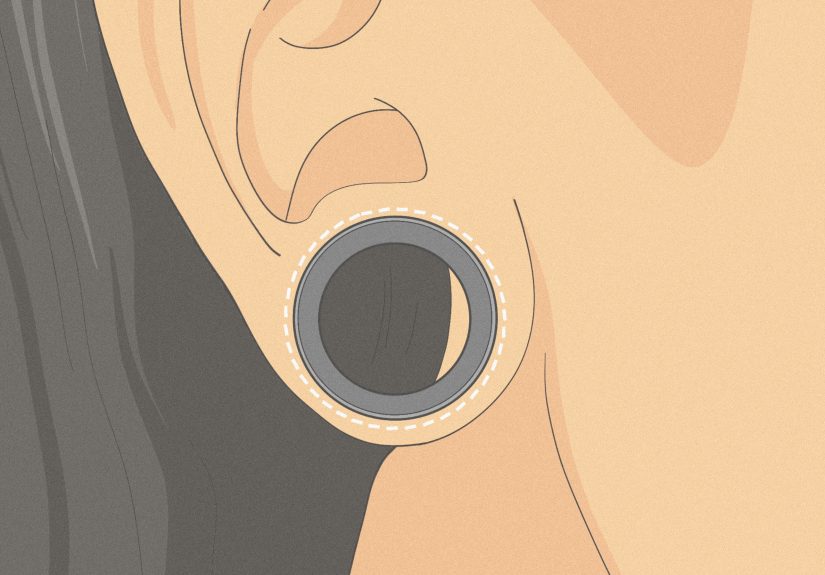
That is why the safest guide to stretching an ear lobe piercing is not a speed-run tutorial. It is a reality-based, skin-respecting, common-sense guide that helps you avoid turning “cool jewelry upgrade” into “why is my earlobe angry, thin, and leaking?” Charming image, yes. Useful image, also yes.
This article explains what ear stretching really is, what can go wrong, how to reduce the risk, how to choose safer jewelry and a reputable professional, and when it is smarter to pause and get help. If you came here hoping for a reckless “just shove in a bigger plug and manifest confidence” strategy, this is not that page. Thankfully.
What Ear Stretching Actually Means
Stretching an ear lobe piercing means gradually enlarging a healed piercing so it can hold larger jewelry. The keyword there is gradually. Ear tissue can adapt over time, but it does not enjoy being rushed, forced, or treated like it signed up for a stunt show.
People stretch their lobes for different reasons. Some like the look of plugs and tunnels. Some want more jewelry options. Others simply enjoy body modification as a form of self-expression. All of that is fair. What matters is understanding that the process involves real tissue, real healing, and real risk.
A stretched lobe can look smooth, healthy, and balanced when it is handled carefully. It can also become thin, irritated, scarred, or torn when it is rushed. That difference usually comes down to patience, jewelry quality, and whether a trained professional is involved.
The Simplest Safe Answer: Do Not DIY the Process
If you want the short, sensible version, here it is: do not try to stretch your ear lobe piercing at home by yourself just because a video made it look easy. This is one of those body decisions where confidence is nice, but training is nicer.
A professional piercer can evaluate whether your piercing is fully healed, centered well, thick enough to tolerate enlargement, and free from irritation. They can also spot red flags you may miss, such as uneven placement, scar tissue, poor jewelry fit, allergy issues, or early thinning in the lobe.
That matters because there is no universal timeline that works for every ear. One person’s tissue may recover quickly. Another person’s lobe may need much more time. Matching ears on the same head do not always behave the same way either. Bodies are funny like that.
Why “slow and boring” is usually the smartest approach
The safest stretching journeys are not dramatic. They are almost annoyingly uneventful. A healthy lobe usually feels calm, looks normal, and does not throb, burn, swell, or protest. If the process feels like a battle, your body is probably trying to tell you that this is not a battle worth winning.
Rushing can cause microtears, irritation, delayed healing, scar tissue, and permanent thinning. In worse cases, the lobe can split or stretch to the point that surgical repair is the only realistic fix. That is a very expensive way to learn patience.
Before You Even Consider Stretching
Your piercing should be fully healed and stable
A fresh, irritated, or recently injured piercing is not a good candidate for stretching. Neither is a lobe that still crusts often, feels tender, or gets sore whenever jewelry changes. “It looks mostly fine” is not the same as “it is fully stable.”
If your piercing placement is too low, too close to the edge, or noticeably uneven, stretching may increase the chance of distortion or tearing. This is where a pro’s opinion can save you trouble before trouble becomes your new hobby.
Your skin history matters more than you think
If you have a history of metal sensitivity, eczema, contact dermatitis, or keloid scars, take that seriously. Jewelry can trigger irritation or allergic reactions, especially if it contains nickel or low-quality mystery metals. “Hypoallergenic” is a lovely marketing word, but it is not a magic spell.
If you have developed raised scars after a piercing before, talk with a dermatologist or qualified medical professional before doing anything that intentionally stresses the area again. Some people are simply more prone to scar overgrowth, and pushing through that risk is not brave. It is avoidable.
Your lifestyle also affects healing
Think about sports, headphones, helmets, side-sleeping, hair products, and how often your ears get tugged by clothing. Even a well-managed stretching plan can go sideways if your ears are constantly bumped, slept on, or coated in hair spray and dry shampoo like they are part of an action sequence.
Common Risks of Stretching an Ear Lobe Piercing
Irritation and inflammation
This is the most common problem. The lobe may feel warm, tight, sore, itchy, or mildly swollen. Sometimes the issue is friction. Sometimes it is low-quality jewelry. Sometimes it is simple impatience. Your ear usually does not care which one it is. It just wants the stress to stop.
Small tears that become bigger problems
Tissue can tear when it is forced too quickly or when jewelry is too heavy, too rough, or poorly fitted. Small tears can turn into scar tissue. Scar tissue can make future stretching harder and less predictable. That is how people end up confused when their lobe “used to stretch fine” and suddenly does not.
Infection
If the area becomes increasingly red, hot, swollen, painful, or starts draining pus, you may be dealing with infection rather than simple irritation. A bad smell, throbbing pain, spreading redness, or fever are not signs to “wait and see.” They are signs to stop and get medical advice.
Allergic reactions
Nickel is a common troublemaker, and cheap jewelry often causes outsized drama. An allergic reaction can look like itching, rash, dryness, flaky skin, swelling, or persistent irritation that never seems to settle down. If your ear acts offended every time you wear certain jewelry, believe it.
Scarring, thinning, and splits
Long-term pressure, repeated irritation, or heavy jewelry can stretch the lobe more than intended. Over time, the tissue can thin or elongate. In some cases, the lobe tears partially or fully and later needs repair by a surgeon. That is not rare enough to ignore.
How to Choose Safer Jewelry and a Better Studio
Look for quality materials
Safer jewelry is usually made from high-quality, biocompatible materials. For healing tissue, reputable professionals often recommend implant-grade metals, properly manufactured glass, or other materials known to be body-safe. Cheap plated jewelry may look fine for five minutes and then behave like a tiny chemistry experiment.
If you are sensitive to metals, nickel-free options matter. Do not buy jewelry based only on color, trend, or a suspiciously low price that feels like destiny. Your ear deserves better than bargain-bin betrayal.
Choose a professional piercer, not a random counter setup
A reputable piercer should be able to explain sterilization, jewelry materials, studio hygiene, and aftercare in plain English without sounding annoyed that you asked. That is a good sign. You are not being difficult. You are being a person with ears.
Ask whether the studio uses sterile equipment, how jewelry is selected, and what they recommend if irritation shows up. If the answers are vague, dismissive, or sound like they came from a friend’s cousin’s group chat, keep walking.
Placement still matters
Even if your original piercing looks fine at standard size, it may not be ideal for future stretching. A pro can tell whether the hole is centered and whether the surrounding lobe has enough tissue to support enlargement more safely.
What Sensible Aftercare Looks Like
Aftercare does not need to be dramatic. In fact, simple is usually better. Clean hands matter. Gentle cleansing matters. Letting the tissue calm down matters. Picking, twisting, over-cleaning, and applying a full chemistry set from your bathroom cabinet do not help.
A fragrance-free cleanser and basic hygiene are usually far kinder to skin than harsh products. Strong antiseptics, hydrogen peroxide, random ointments, or heavily fragranced products can irritate tissue that is already stressed. More product does not equal more healing. Sometimes it equals more chaos.
You also want to protect the area from friction. That means being careful with over-ear headphones, rough towels, tight hats, hairbrushes, collars, and anything else that treats your ear like a doorknob.
When to Stop and Get Medical Help
Get checked by a medical professional if you notice spreading redness, worsening swelling, pus, bleeding that does not settle, severe pain, fever, or a lobe that looks thin enough to split. Do not keep jewelry in place out of stubbornness if the tissue is clearly failing. Pride is not an aftercare strategy.
If you suspect an allergic reaction, persistent dermatitis, or a keloid scar, a dermatologist can help you figure out what is going on. If the lobe has torn, stretched too far, or developed a shape you cannot correct with safer jewelry choices, a plastic surgeon or ENT specialist may be the right next step.
One more important distinction: this article is about the soft ear lobe. Cartilage piercings are a different category and can become serious faster. If you are dealing with cartilage pain, swelling, or infection symptoms, get prompt medical advice.
Big Mistakes People Make With Ear Stretching
- Trying to enlarge a piercing before it is fully healed.
- Using cheap jewelry because it was easy to buy.
- Ignoring itching, redness, or soreness and calling it “normal.”
- Wearing jewelry that is too heavy for too long.
- Forcing the process because they want the final look immediately.
- Letting random internet confidence outrank professional advice.
That last one deserves extra attention. The internet is full of people who survived a reckless choice and then turned it into a tutorial. Survivorship bias is not the same as good guidance. Your goal is not to become a cautionary before-and-after photo.
A Smarter Way to Think About “How to Stretch”
If you really want a safe answer to the question in this article’s title, think of it like this: stretching should be treated less like a hack and more like a health-and-style decision. The smartest approach is to slow down, use quality jewelry, avoid shortcuts, protect the tissue, and involve a reputable professional.
That answer may feel less thrilling than a dramatic method. Good. Boring is underrated. Boring is how skin stays intact.
Real-World Experiences: What People Usually Learn the Hard Way
One of the most common experiences people describe is surprise at how “not dramatic” safe stretching is supposed to feel. Many go in expecting pressure, stinging, or soreness to be part of the deal, almost like pain is proof of progress. Then they find out the opposite is usually true. Healthy tissue tends to be quiet. It does not put on a fireworks show. The moment the ear starts feeling hot, tight, angry, or overly tender, experienced professionals usually read that as a warning rather than a milestone.
Another very common experience is underestimating jewelry quality. Someone buys a piece that looks great online, the finish seems smooth, the photos are gorgeous, and the reviews are full of people saying, “Worked for me!” Then the earlobe starts itching, drying out, turning pink, or producing crust that never quite goes away. The person assumes they “just have sensitive ears,” when the real problem is often poor material, rough finishing, or a shape that does not sit well in the piercing. Once they switch to better-quality jewelry, things suddenly calm down. Funny how the ear becomes less dramatic when the jewelry stops being questionable.
Then there is the impatience trap. This is probably the most relatable one. A person loves the look they want, feels like the current size is close enough, and decides that moving faster cannot make that much difference. For a while, maybe nothing catastrophic happens. Then the lobe starts looking uneven. Or one side gets thinner. Or the back edge looks puckered. Or the piercing becomes harder to manage with each jewelry change. What seemed like a tiny shortcut turns into months of irritation, and sometimes the ear never looks as smooth as it could have if the process had stayed slow.
People also talk about the emotional side more than you might expect. Ear stretching sounds purely cosmetic, but it can affect confidence in both directions. Done well, it can feel expressive and intentional. Done poorly, it can make people self-conscious fast, especially if a lobe looks inflamed, elongated, or torn. That is why so many people who have gone through repairs or setbacks say the same thing afterward: they wish they had treated the process less casually from the beginning.
There are also plenty of positive experiences, and they usually have a pattern. The person planned ahead. They talked to a reputable piercer. They used better jewelry than they originally wanted to pay for. They did not rush. They paid attention to irritation early. They accepted that one ear might behave differently from the other. In other words, they traded ego for patience. Their reward was a lobe that stayed healthier, looked better, and gave them more options later.
Maybe the most useful takeaway from all these experiences is this: problems rarely appear out of nowhere. Most of the time, the ear gives hints first. It gets cranky. It starts itching. It looks shinier, redder, thinner, or more swollen than usual. The people who do best are usually the ones who listen early instead of arguing with their skin like they are trying to win a debate. Skin always wins. It has home-field advantage.
Final Thoughts
Stretching an ear lobe piercing safely is not about finding the fastest route. It is about protecting living tissue so you still like the look months and years later. If you remember only one thing, make it this: the best “how-to” is usually not a trick. It is patience, better jewelry, better judgment, and professional guidance.
Your earlobes do not need bravery. They need respect. Give them that, and they are far more likely to cooperate.





 Close
Close