
Table of Contents >> Show >> Hide
- First, What Causes Excessive Gas in Dogs?
- Don’t Miss This: When Gas Is an Emergency
- The 11 Steps to Treat Excessive Gas in Dogs
- Step 1: Start a 7–14 Day “Gas Journal” (Yes, Really)
- Step 2: Eliminate All “Extras” for Two Weeks
- Step 3: Slow Down the Speed-Eater
- Step 4: Switch From One Big Meal to Smaller Meals
- Step 5: Transition Any New Food Slowly (No Sudden Swaps)
- Step 6: Pick a Highly Digestible Diet (Quality and Fit Matter)
- Step 7: Test for Food Intolerance the Smart Way (Not the “Random Diet Carousel”)
- Step 8: Add Fiber Carefully (Because Fiber Can Helpor Backfire)
- Step 9: Consider Probiotics (Especially After Diet Upset or Antibiotics)
- Step 10: Use Gas-Reducing Aids Only With Vet Guidance
- Step 11: Schedule a Vet Check If Gas Is Persistent or Comes With Other Symptoms
- Bonus: Quick “Do This Today” Checklist
- of Real-World “Experience” (What Dog Owners Commonly Notice)
- Conclusion
If your dog’s farts have the power to evacuate a room faster than a surprise pop quiz, you’re not alone.
A little gas is normaldogs have guts, guts make gas, life goes on. But when the tooting turns constant,
extra stinky, or comes with other issues, it’s time to play detective (with snacks, obviously).
This guide walks you through 11 practical, vet-informed steps to reduce excessive gas in dogsplus
the “call the vet now” signs you should never ignore. Expect real-world examples, a little humor, and
a lot of gut common sense.
First, What Causes Excessive Gas in Dogs?
“Dog gas” (flatulence) is usually caused by one of two things:
extra air going in (swallowing air while eating) or extra fermentation happening
(bacteria breaking down food in the intestines and releasing gas).
Common (Often Fixable) Reasons
- Eating too fast (gulp-gulp-gulp = air intake)
- Sudden diet changes (your dog’s gut microbes don’t love surprise)
- Table scraps, rich treats, and “mystery snacks” found on walks
- Hard-to-digest ingredients for your dog’s particular stomach
- Food intolerance (for example, lactose intolerance can cause fermentation and odor)
When Gas Can Signal Something Bigger
If gas shows up alongside diarrhea, weight loss, vomiting, appetite changes, or low energy, it can
be a clue that something else is going on (parasites, malabsorption issues, chronic GI disease, or other
metabolic problems). That’s when home tweaks aren’t enoughand a vet visit is the smart move.
Don’t Miss This: When Gas Is an Emergency
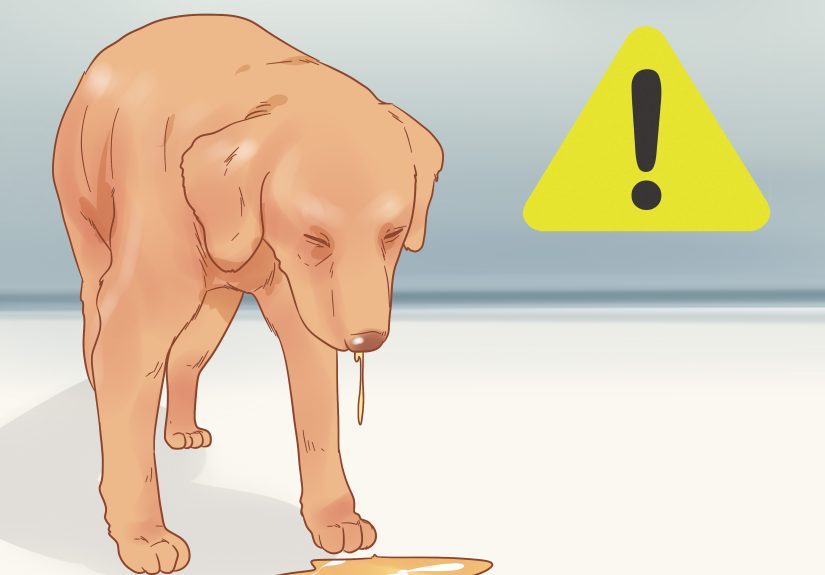
Gas is usually just… embarrassing. But a swollen, tight belly with distress can be a serious emergency.
Bloat (GDV) is life-threatening and needs immediate veterinary care.
- Distended abdomen that looks suddenly larger
- Unproductive retching (trying to vomit but nothing comes up)
- Restlessness, pacing, drooling
- Weakness or collapse
If you see these signs, don’t “wait and see.” Go to an emergency vet.
The 11 Steps to Treat Excessive Gas in Dogs
Step 1: Start a 7–14 Day “Gas Journal” (Yes, Really)
Before you change everything at once, track what’s happening. You’re looking for patternsbecause dog gas
often has a cause you can pinpoint.
- What food and treats they ate (including chews)
- Any new food, new flavor, or new brand
- Stool quality (normal, soft, diarrhea)
- Timing: does gas hit after meals, at night, after a certain treat?
Example: If gas explodes after “grandma’s cheese tax,” you’ve got a suspect.
Step 2: Eliminate All “Extras” for Two Weeks
Treats are tiny, but they can cause big gut drama. For a short trial, remove:
table scraps, new treats, rawhides, flavored chews, and random “training bites” that add up fast.
If your dog improves, you can reintroduce extras one at a time (weekly is a good pace) to find the culprit.
Step 3: Slow Down the Speed-Eater
Fast eating can increase swallowed air (aerophagia), which becomes gas. If your dog inhales meals like a vacuum,
use one (or more) of these:
- Slow feeder bowl or puzzle feeder
- Spread food out on a snuffle mat
- Feed in a calm, non-competitive space (especially in multi-dog homes)
Example: If your dog burps immediately after eating, that’s often a clue they swallowed a lot of air.
Step 4: Switch From One Big Meal to Smaller Meals
Some dogs do better with smaller portions more often. Less food sitting in the gut at once can improve digestion
and reduce leftover “fuel” for gas-producing bacteria.
Try: dividing the daily amount into 2–3 smaller meals (still keeping total calories the same).
Step 5: Transition Any New Food Slowly (No Sudden Swaps)
Rapid food changes can cause digestive upset, including gas and diarrhea. If you need to change diets, do it gradually
over about a week, mixing the new food in increasing amounts.
This is especially important if you’re switching protein sources or moving from one formula to another.
Step 6: Pick a Highly Digestible Diet (Quality and Fit Matter)
“High quality” is great, but digestibility is the real gas-fighter. A diet that’s harder for your dog to digest
leaves more material for intestinal bacteria to ferment, which means more gas.
- Look for foods designed for sensitive stomachs or high digestibility
- Consider veterinary therapeutic GI diets if your vet recommends them
- Avoid frequent flavor rotations during the test periodconsistency helps you identify what works
Example: If your dog’s gas gets worse when you rotate between “beef week,” “salmon week,” and
“whatever was on sale week,” a consistent formula may help.
Step 7: Test for Food Intolerance the Smart Way (Not the “Random Diet Carousel”)
If your dog’s gas is chronic, a food intolerance or sensitivity may be involved. The most effective approach is a structured
elimination trial with your veterinariannot switching foods every three days like you’re speed-dating kibble.
- Keep the base diet consistent
- Remove all extras
- Track symptoms carefully
- If needed, your vet may suggest a hydrolyzed or novel protein diet trial
Pro tip: The goal isn’t to find “the trendiest ingredient.” It’s to find what your dog’s body tolerates well.
Step 8: Add Fiber Carefully (Because Fiber Can Helpor Backfire)
Fiber can improve stool quality and support gut health, but the “right amount” depends on the dog and the problem.
Too much (or the wrong type) can actually increase gas.
- Talk to your vet before adding fiber
- If approved, start small and watch stool quality
- Options may include fiber-enhanced diets or measured supplements (your vet can guide)
Example: A dog with mild gas and slightly soft stools may benefit from a carefully adjusted fiber plan,
while a dog already bloated and gassy may do worse with extra fermentation.
Step 9: Consider Probiotics (Especially After Diet Upset or Antibiotics)
Probiotics are commonly used to support digestive balance, particularly when a dog has recurring tummy trouble.
Some dogs improveothers don’t notice a difference. The key is choosing a product formulated for dogs and using it
under veterinary guidance when symptoms persist.
If probiotics help, you’ll usually notice changes in stool quality, less gurgling, and fewer “silent but deadly” moments.
Step 10: Use Gas-Reducing Aids Only With Vet Guidance
A few options are sometimes used to reduce discomfort or odor, but they’re not a substitute for finding the cause.
-
Simethicone is an anti-foaming agent used in veterinary medicine for gas-related discomfort.
It should be given only as directed by a veterinarian, and it is not for suspected bloat (GDV). -
Odor-control agents like activated charcoal, yucca, or zinc acetate have evidence for reducing
malodor (the stink factor) in some casesbut they don’t fix underlying disease.
Rule: If your dog is painful, bloated, vomiting, or lethargic, skip the supplements and go to the vet.
Step 11: Schedule a Vet Check If Gas Is Persistent or Comes With Other Symptoms
If your dog’s gas is new and intense, or it’s paired with diarrhea, weight loss, vomiting, or appetite changes, a veterinarian
can rule out medical causes. Depending on your dog’s history, your vet may discuss:
- Parasite testing and treatment
- Diet trials with prescription GI or allergy diets
- Bloodwork or stool tests if malabsorption is suspected
- Evaluation for chronic GI issues if symptoms recur
Think of it like this: you’re not “overreacting.” You’re preventing a small digestive issue from becoming a big one.
Bonus: Quick “Do This Today” Checklist
- Feed in a calm spot and slow the eating speed.
- Cut table scraps and switch to simple, consistent treats (or none for a short trial).
- Walk your dog after meals to keep things moving.
- Track food + symptoms for 1–2 weeks.
- Call your vet if gas is paired with diarrhea, weight loss, vomiting, or belly swelling.
of Real-World “Experience” (What Dog Owners Commonly Notice)
Let’s talk about what tends to happen in real homesbecause excessive gas rarely shows up in a neat little textbook box.
It shows up on your couch at 9:47 p.m. while you’re trying to watch a movie and pretend you don’t smell anything.
Here are a few common scenarios dog owners report (and what usually helps).
Scenario 1: “It Started After We Switched Food”
This is one of the most frequent patterns: a new kibble hits the bowl, and suddenly your dog’s digestive system starts
composing jazzgurgles, bubbles, and surprise solos. Often, it’s not that the new food is “bad.” It’s that the gut needs time
to adapt. In many cases, owners see improvement when they transition slowly and keep everything else consistentno new treats,
no table scraps, no “just one bite of pizza crust” experiments.
Scenario 2: “My Dog Eats Like Someone Might Steal It”
Speed-eaters are a special category of gassy. They don’t just swallow foodthey swallow air. Owners often notice immediate
burping after meals, followed by gas later. The simplest “aha” moment is using a slow feeder or puzzle feeder. It’s not magic,
but it changes the mechanics of the meal: less air in, less air out. In multi-dog households, feeding separately can also help
because competition makes some dogs inhale their food even faster.
Scenario 3: “The Gas Is Worse at Night”
Nighttime gas can happen when dinner is large, rich, or followed by a long sedentary stretch. Owners often report improvement
by splitting dinner into smaller meals and adding a short walk afterward. Movement helps gut motility (translation: it keeps the
digestive conveyor belt moving). Even a calm 10–20 minute stroll can make a difference, especially for dogs who otherwise eat,
plop down, and become a furry beanbag chair.
Scenario 4: “Nothing Changed… But the Gas Got Worse”
This is the scenario that deserves the most respect. When gas becomes excessive “out of nowhere,” or comes with soft stool,
weight loss, vomiting, appetite changes, or lethargy, owners commonly find that the fix isn’t in the treat aisleit’s in a veterinary
exam room. Sometimes it’s parasites. Sometimes it’s a sensitivity that needs a structured diet trial. Sometimes it’s a bigger GI issue
that requires medical management. The key takeaway from this experience pattern is simple: don’t normalize chronic symptoms.
A dog doesn’t have to be dramatically ill to benefit from a vet workup.
If you remember only one thing, make it this: excessive gas is usually manageable, but the best results come from a calm, methodical
approachchange one variable at a time, track outcomes, and involve your vet when symptoms persist or escalate. Your dog gets a happier gut,
and you get to keep your friends on the guest list.
Conclusion
Treating excessive gas in dogs is less about finding a miracle product and more about solving a small puzzle:
how fast your dog eats, what they eat, and whether their body is digesting it comfortably. Start with simple changes
(slow feeding, consistent diet, fewer extras), measure what happens, and don’t hesitate to involve your vet if symptoms
persist or come with red flags.
The good news: most gassy dogs improve with thoughtful tweaks and a little patience. The better news: you may finally
be able to share a couch again without needing a hazmat suit.







 Close
Close