
Table of Contents >> Show >> Hide
- Understanding Morgellons Disease Before Treatment
- How to Treat Morgellon's Disease: 11 Steps
- Step 1: Start With a Medical Evaluation, Not a Self-Diagnosis
- Step 2: Rule Out Common Skin Conditions and Infestations
- Step 3: Ask About Lyme Disease Only When the History Fits
- Step 4: Treat Open Sores Like Wounds, Not Like Puzzles
- Step 5: Calm the Itch-Scratch Cycle
- Step 6: Reduce Skin Picking With Practical Barriers
- Step 7: Work With a Dermatologist and Mental Health Professional Together
- Step 8: Discuss Medication Options Carefully
- Step 9: Avoid Harsh DIY Treatments and Internet “Cures”
- Step 10: Improve Sleep, Stress, and Daily Routine
- Step 11: Build a Follow-Up Plan and Track Progress
- When to Seek Urgent Medical Help
- What Not to Do When Treating Morgellons Disease
- Living With Morgellons Disease: Practical Experiences and Lessons
- Conclusion
Important note: This article is for educational purposes only and is not a substitute for medical diagnosis or treatment. Morgellon’s disease, more commonly spelled Morgellons disease, is a complicated and controversial condition. If you have skin sores, crawling sensations, fibers, itching, pain, or anxiety about what is happening to your skin, your symptoms deserve real carenot dismissal, not internet guesswork, and definitely not a midnight “detox cure” from a website with twelve pop-ups.
Morgellons disease is usually described as a condition involving persistent skin sensations, slow-healing sores, itching, and the belief or observation that fibers or thread-like material are present in or on the skin. Some clinicians classify it under delusional infestation or unexplained dermopathy, while some patients and researchers continue to explore possible infectious or inflammatory links. In plain English: the topic is medically messy, but the distress is real.
The best approach is not to argue with your skin in the bathroom mirror. It is to build a practical, step-by-step care plan that protects the skin, checks for treatable causes, reduces itching and picking, supports sleep and mental health, and helps you work with clinicians who take your symptoms seriously. Below are 11 careful steps for how to treat Morgellon’s disease in a way that is realistic, evidence-informed, and safe.
Understanding Morgellons Disease Before Treatment
Before jumping into remedies, it helps to understand why Morgellons disease can be so frustrating. People may report stinging, biting, burning, crawling sensations, intense itching, fatigue, brain fog, anxiety, sleep problems, and skin lesions that seem to resist healing. Some people bring fibers, lint, scabs, or debris to appointments because they want answers. That reaction is understandable. When your skin feels like it has turned into a mystery novel, you want evidence.
However, treatment works best when the goal is broad and practical: identify medical causes, calm the skin barrier, treat infection if present, manage itch and pain, reduce compulsive scratching or skin picking, and support the nervous system. Morgellons disease care is rarely one magic pill. It is usually a coordinated plan.
How to Treat Morgellon’s Disease: 11 Steps
Step 1: Start With a Medical Evaluation, Not a Self-Diagnosis
The first step is to see a healthcare professional, ideally a dermatologist or primary care provider who is comfortable evaluating chronic skin symptoms. Morgellons-like symptoms can overlap with eczema, contact dermatitis, scabies, fungal infections, bacterial infections, neuropathy, medication reactions, allergies, autoimmune conditions, and mental health conditions that affect body sensations.
Tell your provider exactly what you feel and see. Use simple details: when symptoms began, where the sores appear, whether itching is worse at night, whether other people in your home itch, whether you have pets, whether you recently traveled, and whether you have had tick exposure. Bring photos if symptoms come and go. A short symptom diary is helpful; a shoebox full of “samples” may be less helpful unless your clinician specifically asks for specimens.
Step 2: Rule Out Common Skin Conditions and Infestations
Many treatable skin problems can mimic Morgellons disease. Scabies, for example, can cause severe itching and a pimple-like rash, especially between the fingers, wrists, elbows, waistline, and genitals. Contact dermatitis can create irritated patches after exposure to fragrances, metals, dyes, gloves, cleaning products, or plants. Eczema can cause dry, cracked, itchy skin that becomes inflamed and infected after scratching.
A dermatologist may examine the skin, check lesion patterns, perform skin scrapings, order cultures, consider a biopsy, or recommend allergy testing. This step matters because treatment depends on the cause. Scabies requires prescription scabicides. Bacterial infection may need antibiotics. Allergic contact dermatitis improves when the trigger is found and avoided. Treating everything as Morgellons without checking the basics is like blaming your car’s engine when the gas tank is empty.
Step 3: Ask About Lyme Disease Only When the History Fits
Some people with Morgellons symptoms suspect Lyme disease or another tick-borne illness. If you live in or traveled to a region where Lyme disease is common, remember a tick bite, developed a bull’s-eye-like rash, or have symptoms such as fever, joint pain, facial weakness, or unusual fatigue, talk with your doctor about proper testing.
Lyme disease testing is not a guessing game. Standard evaluation considers symptoms, exposure risk, and FDA-cleared two-step antibody testing when appropriate. Antibiotics should not be taken “just in case” for months without a clear diagnosis. Long, unproven antibiotic courses can cause serious side effects, including gut infections, drug reactions, and resistant bacteria. If Lyme disease is truly diagnosed, your clinician can recommend an evidence-based antibiotic plan.
Step 4: Treat Open Sores Like Wounds, Not Like Puzzles
Skin lesions need gentle wound care. Wash your hands before touching affected areas. Clean sores with mild soap and water or a wound cleanser recommended by your clinician. Pat dry. Apply a plain protective ointment if advised, then cover with a sterile, nonstick dressing. Change dressings regularly and avoid picking at scabs, even when your brain says, “Just one tiny inspection.” Your brain is not always the best project manager here.
Seek medical care quickly if a sore becomes increasingly red, swollen, hot, painful, or starts draining pus. Fever, red streaks, rapidly spreading redness, or severe pain can signal infection and should be treated urgently. The goal is simple: protect the skin long enough for it to heal.
Step 5: Calm the Itch-Scratch Cycle
Itching can become a loop: itch, scratch, skin damage, more inflammation, more itch. Breaking that cycle is one of the most important parts of Morgellons disease treatment. Use lukewarm showers instead of hot water. Keep showers short. Choose fragrance-free cleansers. Pat skin dry instead of rubbing. Apply a thick, fragrance-free moisturizer while skin is still slightly damp.
For short-term relief, your provider may suggest anti-itch creams, low-strength hydrocortisone for limited use, calamine, menthol, pramoxine, or oral antihistamines if itching disrupts sleep. Do not use steroid creams on open wounds unless your clinician says it is safe. Cool compresses can help when the urge to scratch feels loud enough to have its own microphone.
Step 6: Reduce Skin Picking With Practical Barriers
Many people with Morgellons symptoms pick, scratch, rub, or dig at the skin because the sensations feel unbearable. This is not a character flaw. Body-focused repetitive behaviors can be hard to stop, especially during stress, boredom, pain, or anxiety.
Try simple barriers: keep nails short, wear cotton gloves at night, use bandages over healing spots, keep tweezers and magnifying mirrors out of easy reach, and replace picking with a competing action such as squeezing a stress ball, holding an ice pack wrapped in cloth, knitting, doodling, or using a fidget tool. The point is not to “just stop.” The point is to make the behavior less automatic.
Step 7: Work With a Dermatologist and Mental Health Professional Together
Morgellons disease often sits at the intersection of skin, nerves, stress, sleep, and perception. That is why a combined approach can be helpful. A dermatologist can treat rashes, wounds, itch, infection, dermatitis, and scarring. A mental health professional can help with anxiety, distress, obsessive checking, skin picking, depression, insomnia, or trauma related to feeling dismissed by doctors.
Cognitive behavioral therapy, including habit-reversal strategies, may help reduce skin picking and improve coping. This does not mean symptoms are “fake.” It means the brain and skin talk to each other constantly. When the nervous system is on high alert, the skin may feel louder. Therapy can lower the volume.
Step 8: Discuss Medication Options Carefully
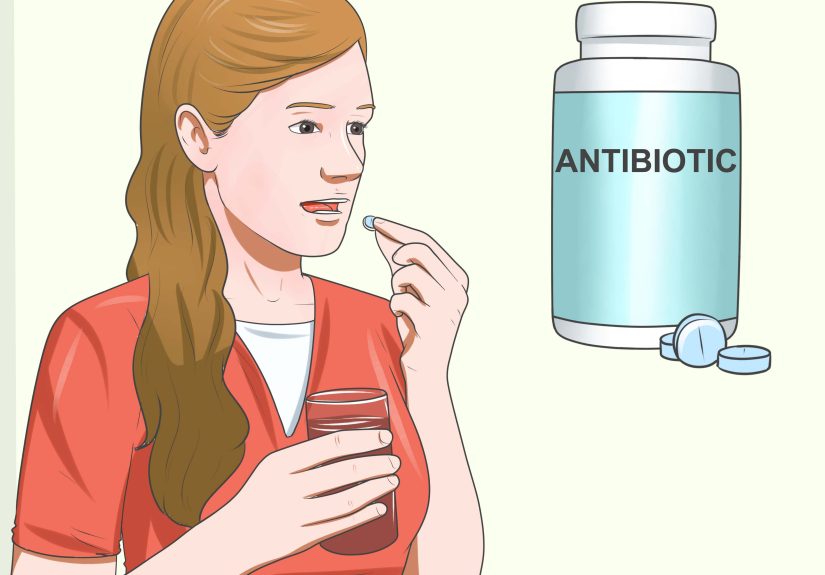
Medication depends on the person. If there is infection, your doctor may prescribe antibiotics. If there is eczema or dermatitis, topical anti-inflammatory medication may help. If itching is severe, anti-itch medicines may be considered. If anxiety, depression, insomnia, or fixed beliefs about infestation are part of the picture, a clinician may recommend antidepressants, anti-anxiety treatment, or antipsychotic medication.
Some antipsychotic medications may reduce distressing crawling sensations and the urge to pick, especially when symptoms overlap with delusional infestation. These medicines should be prescribed and monitored by a qualified clinician because side effects and interactions matter. Do not start, stop, or borrow psychiatric medication from someone else. Medicine cabinets are not community libraries.
Step 9: Avoid Harsh DIY Treatments and Internet “Cures”
When people feel desperate, risky remedies become tempting. Avoid applying bleach, pesticides, gasoline, borax, industrial cleaners, veterinary products, or high-strength essential oils to your skin. Do not scrape lesions with sharp tools. Do not take unregulated parasite cleanses, extreme supplements, or long courses of antibiotics without medical supervision.
These approaches can burn the skin, worsen wounds, trigger allergic reactions, damage the liver or kidneys, or delay proper care. A good rule: if a treatment sounds like it belongs in a garage, not on human skin, skip it.
Step 10: Improve Sleep, Stress, and Daily Routine
Sleep loss can intensify itching, pain, anxiety, and body sensations. Create a simple night routine: shower earlier in the evening, moisturize, cover healing areas, keep the bedroom cool, and avoid late-night skin checking. If symptoms flare at bedtime, try a cool compress, breathing exercise, calming audio, or a short written plan for what you will do tomorrow. The skin often feels worse when the room is quiet and the mind has nothing else to chew on.
Stress management is not a cure, but it can reduce flares. Gentle exercise, stretching, walking, sunlight, balanced meals, hydration, and limiting alcohol or stimulant overuse can support the nervous system. If you notice symptoms worsen after online forums, mirror checking, or long research sessions, set boundaries. Research is useful; doom-scrolling is not a treatment plan.
Step 11: Build a Follow-Up Plan and Track Progress
Morgellons disease treatment should be measured by function, comfort, and healingnot by whether every sensation disappears overnight. Track a few useful markers: number of open sores, itch intensity, sleep quality, picking episodes, pain level, mood, and triggers. Bring this information to follow-up visits.
Ask your clinician clear questions: What conditions have we ruled out? Do any sores need culture or biopsy? What should I use on open skin? What symptoms require urgent care? Could medication, therapy, or habit-reversal training help? When should we reassess? A written plan can reduce panic and help you feel less alone.
When to Seek Urgent Medical Help
Get medical help quickly if you have fever, rapidly spreading redness, severe pain, pus, red streaks from a wound, confusion, dehydration, or swelling around the eyes or face. Also seek immediate support if distress becomes overwhelming, you feel unsafe, or you have thoughts of harming yourself. Morgellons symptoms can be exhausting, and you deserve urgent help if the emotional load becomes too heavy.
What Not to Do When Treating Morgellons Disease
- Do not dig into the skin to remove fibers.
- Do not apply bleach, pesticides, or harsh chemicals.
- Do not take antibiotics without a confirmed reason.
- Do not assume every sensation is a parasite or infection.
- Do not ignore infected wounds.
- Do not let shame stop you from seeking mental health support.
- Do not rely only on online communities for medical decisions.
Living With Morgellons Disease: Practical Experiences and Lessons
People who live with Morgellons-like symptoms often describe the experience as isolating. They may feel embarrassed by visible sores, frustrated by appointments that do not provide quick answers, and frightened by sensations that seem impossible to explain. One common theme is the feeling of not being believed. That emotional wound can hurt almost as much as the skin itself.
A practical lesson many patients discover is that the right clinician matters. A dismissive appointment can make symptoms feel worse, while a calm, curious provider can help create a plan. Patients often do better when they prepare for visits with a one-page summary instead of trying to explain years of symptoms in five breathless minutes. Helpful details include symptom timeline, photos, medications, allergies, previous diagnoses, sleep patterns, pets, travel, tick exposure, and treatments already tried.
Another experience is that skin checking can quietly take over the day. A person may start by inspecting one sore and suddenly lose an hour under bright bathroom lights. This can increase anxiety and picking. A useful strategy is scheduled checking: inspect wounds once or twice daily under normal lighting, clean and cover them, then move on. If the urge returns, use a competing behavior. This may feel silly at first, but so does arguing with a scab at 1 a.m.and many people have done that too.
People also report that gentle skin care feels disappointingly boring but surprisingly helpful. Fragrance-free cleanser, moisturizer, short warm showers, clean bandages, soft clothing, and trimmed nails are not glamorous. They will not go viral. But they reduce irritation and protect the skin barrier. In chronic skin conditions, boring routines often beat dramatic experiments.
Support is another major piece. Some people benefit from therapy because it gives them tools for anxiety, sleep, compulsive checking, and the grief of having a poorly understood condition. Others benefit from support groups, but it is important to choose communities that encourage medical care and safe coping rather than fear, extreme theories, or dangerous treatments. A good support space should leave you feeling steadier, not more terrified.
Finally, progress often comes in small wins: one fewer sore, one better night of sleep, one day without digging at the skin, one appointment where you felt heard. Morgellons disease treatment is not about winning a debate over what the condition “really” is. It is about reducing suffering, healing skin, restoring daily life, and building a care plan that respects both the body and the mind.
Conclusion
Treating Morgellon’s disease requires patience, medical guidance, and a whole-person approach. Because Morgellons symptoms can overlap with skin disease, infection, nerve sensations, anxiety, sleep disruption, and body-focused repetitive behaviors, the best plan is rarely one-size-fits-all. Start with a careful medical evaluation, rule out common causes, care for wounds gently, manage itching, reduce picking, consider therapy, and discuss medication options with qualified professionals.
Most importantly, remember this: needing mental health support does not make your symptoms imaginary. Skin and brain are teammates, and sometimes they both need coaching. With the right plan, many people can reduce symptoms, protect their skin, sleep better, and regain a sense of control.







 Close
Close