
Table of Contents >> Show >> Hide
- What Are Two-Strand Twists?
- How Short Can Hair Be for Two-Strand Twists?
- What You Need Before You Start
- How to Prepare Short Natural Hair for Twists
- How to Two-Strand Twist Short Natural Hair for Men: Step-by-Step
- Best Two-Strand Twist Styles for Short Natural Hair Men
- How to Maintain Two-Strand Twists
- Common Mistakes to Avoid
- How to Take Down Two-Strand Twists Without Damage
- Two-Strand Twists and Hair Growth: What to Know
- Real-Life Experience: What Men Usually Learn After Trying Short Two-Strand Twists
- Final Thoughts
Two-strand twists on short natural hair are one of those hairstyles that look effortless only after you learn the little details. From the outside, it seems simple: grab two pieces of hair, twist them together, admire the result, and walk away like you didn’t just negotiate with every coil on your head. But for men with short natural hair, especially tight curls or coily textures, the difference between clean, juicy twists and “my hair had a meeting and nobody took minutes” usually comes down to prep, sectioning, moisture, and patience.
The good news? You do not need waist-length hair, professional-level hands, or a bathroom shelf that looks like a beauty supply store exploded. You need clean hair, the right products, a steady method, and a little respect for your scalp. This guide breaks down exactly how to two-strand twist short natural hair for men, including what length works best, what products to use, how to keep twists from unraveling, and how to maintain the style without turning your head into a frizz festival by day three.
What Are Two-Strand Twists?
Two-strand twists are a natural hairstyle created by dividing a section of hair into two smaller pieces and wrapping those pieces around each other from root to end. The style works especially well on textured hair because curls and coils naturally help the twist hold its shape. For men with short natural hair, two-strand twists can create definition, protect the hair from daily manipulation, and offer a clean style that works with fades, tapers, lineups, full Afros, or growing-out cuts.
Unlike braids, which usually use three strands, two-strand twists are easier for beginners and can be done at home with practice. They are also more flexible than many people realize. You can wear them small and neat, chunky and bold, parted in boxes, styled with a middle part, combined with a taper fade, or left with a natural freeform look. Basically, twists are the quiet overachiever of men’s natural hairstyles.
How Short Can Hair Be for Two-Strand Twists?
For most men, hair should be at least 2 inches long to create two-strand twists that hold. Around 3 to 4 inches gives you more grip, more visible length, and a better chance of keeping the twists from unraveling too quickly. If your hair is shorter than 2 inches, you may still be able to create tiny starter twists, but they may look more like defined coils and require extra hold from gel, twisting cream, or a skilled stylist.
Hair texture also matters. Tighter coils often hold twists better at shorter lengths because the curl pattern naturally grips itself. Looser curls may need more length, a stronger styling product, or smaller sections to keep the twist intact. If your hair keeps slipping apart, it does not mean your hair is “bad.” It just means your twist technique needs backup. Even superheroes have sidekicks.
What You Need Before You Start
Before twisting, gather your tools and products. Having everything ready prevents the classic half-finished hairstyle panic where one side of your head looks red-carpet ready and the other side looks like it just woke up from a nap.
Basic Tools
- Wide-tooth comb or detangling brush
- Rat-tail comb for clean parts
- Hair clips or sectioning clips
- Spray bottle with water
- Mirror, preferably with a second mirror for the back
- Satin or silk durag, bonnet, or pillowcase
Recommended Products
- Moisturizing shampoo
- Rinse-out conditioner
- Leave-in conditioner
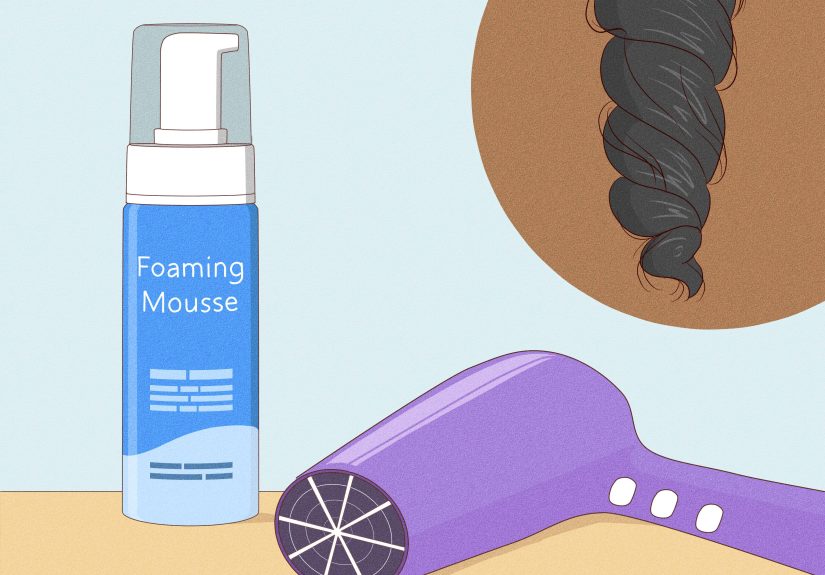
- Twisting cream, curl cream, or styling butter
- Light gel for extra hold
- Natural oil or lightweight scalp oil, used sparingly
The best product combination depends on your hair. Thick 4C hair may love a richer twisting cream, while finer curls may prefer a lightweight leave-in and gel. The key is balance. Too little product can cause dry, fuzzy twists. Too much product can create buildup, flakes, or twists that feel like they were dipped in pancake batter. Not the goal.
How to Prepare Short Natural Hair for Twists
1. Start With Clean Hair
Clean hair gives twists a better foundation. Wash your hair with a moisturizing shampoo to remove sweat, oil, lint, and product buildup. Short natural hair can collect residue quickly, especially if you use creams, gels, or oils throughout the week. If your scalp feels itchy or your hair looks dull, twisting over buildup will only trap the problem under the style.
2. Condition and Detangle
After shampooing, apply conditioner and gently detangle your hair with your fingers, a wide-tooth comb, or a detangling brush. Work from the ends toward the roots. Even on short hair, detangling matters because knots can make twists uneven and harder to separate. If your hair is very coily, detangle in small sections instead of trying to comb everything at once like you are clearing a forest with a spoon.
3. Keep Hair Damp, Not Soaking Wet
Two-strand twists usually work best on damp hair. Damp hair is flexible, easier to part, and better at absorbing product. However, soaking wet hair may shrink heavily as it dries, making your twists look shorter than expected. If your hair dries quickly, keep a spray bottle nearby and mist each section before twisting.
How to Two-Strand Twist Short Natural Hair for Men: Step-by-Step
Step 1: Decide Your Twist Size
Twist size affects the final look. Small twists look more defined and usually last longer, but they take more time. Medium twists are the most beginner-friendly because they balance neatness and speed. Chunky twists are faster and bolder, but on very short hair they may unravel more easily.
If this is your first time, start with medium sections. Think small squares, diamonds, or natural free parts about half an inch to one inch wide. You can always go smaller next time after your arms recover from their unpaid workout.
Step 2: Section the Hair
Use a rat-tail comb or your fingers to divide your hair into sections. Clean parts create a sharper look, especially if you plan to wear twists with a fade or lineup. Finger parts create a more natural, relaxed style. Clip away hair you are not working on so it does not sneak into the twist like an uninvited guest.
Step 3: Apply Leave-In Conditioner
Add a small amount of leave-in conditioner to the section. This helps soften the hair, reduce breakage, and make the twist smoother. Do not overload the hair. Short natural hair only needs a small amount per section. If your fingers feel slippery enough to drop your phone, you probably used too much.
Step 4: Add Twisting Cream or Gel
Apply a twisting cream, curl cream, styling butter, or light gel. For a soft, natural finish, use cream. For stronger hold and cleaner parts, use gel or a cream-gel combination. Men with short 4C hair often get better results when using a moisturizing cream first, then a small touch of gel near the ends to prevent unraveling.
Step 5: Split the Section Into Two Equal Pieces
Divide the section into two even strands. Uneven pieces can make the twist lumpy or cause one strand to run out before the other. If that happens, borrow a tiny bit of hair from the thicker strand and keep going. Twisting is not a court case; nobody has to know.
Step 6: Twist From Root to End
Wrap one strand over the other, then repeat the same motion all the way down. Keep gentle tension at the root so the twist looks neat, but do not pull tightly. Tight twists can irritate the scalp and may cause breakage around sensitive areas such as the hairline or temples.
For short hair, the root is where many twists fail. To help the twist hold, start close to the scalp and twist firmly but comfortably. Some people prefer to coil the root once with their fingers before beginning the two-strand motion. Others add a tiny amount of gel at the base. Try both methods and see what your hair respects more.
Step 7: Coil or Seal the Ends
When you reach the end, twirl the tips around your finger to help the twist close. If your ends are dry, add a tiny bit of leave-in or cream. If your hair unravels easily, add a small dab of gel to the end and finger-coil it. Avoid rubber bands if possible, especially tight ones, because they can snag and break natural hair.
Step 8: Let the Twists Dry Completely
Air drying is the gentlest option, but it takes time. If you need faster results, sit under a hooded dryer on a low or medium setting. Make sure the twists are fully dry before touching, styling, or covering them for a long time. Damp twists can puff up, shrink unevenly, or develop a musty smell if trapped under fabric too soon. Your hair deserves better than smelling like forgotten laundry.
Best Two-Strand Twist Styles for Short Natural Hair Men
Short Two-Strand Twists With a Taper Fade
This is one of the cleanest looks for men. The twists sit on top while the sides and neckline stay sharp. A taper fade keeps the style fresh without removing too much hair. It is a great choice if you want twists but still like a barbered finish.
Box-Part Two-Strand Twists
Box parts create a neat, geometric look. This style works well for men who like clean sections and visible structure. It also photographs nicely, which is important if your camera roll is 90% “checking the back of my head” pictures.
Free-Part Natural Twists
Free parts are less precise and more organic. Instead of sharp squares, the twists follow your natural hair pattern. This is a good option if you want a relaxed look or if you are twisting your own hair and do not want to spend half the day fighting with a mirror.
Mini Twists
Mini twists are smaller, more defined, and usually longer-lasting. They take more time to install but can be easier to style once finished. On short natural hair, mini twists can create a fuller look because there are more individual twists across the head.
Chunky Twists
Chunky twists are bold and faster to create. They work best when your hair has enough length and density to hold larger sections. If your hair is very short, chunky twists may unravel faster, so use a good styling cream and keep the sections consistent.
How to Maintain Two-Strand Twists
Protect Your Hair at Night
Sleeping on cotton pillowcases can create friction, frizz, and dryness. Cover your twists with a satin or silk durag, bonnet, or scarf. If headwear slips off while you sleep like it has somewhere better to be, use a satin pillowcase as backup.
Refresh With Water and Leave-In
When twists start looking dry, lightly mist them with water or a water-based leave-in spray. Follow with a small amount of oil or cream if needed. Do not soak the twists every morning unless you want them to shrink and puff. A light refresh is enough.
Keep the Scalp Clean
A clean scalp matters, even when your hair is in a protective style. If your scalp gets itchy, oily, or flaky, use a damp cloth, scalp toner, or diluted shampoo carefully between parts. Some men wash their twists while installed, but short twists may unravel during washing. If you do wash them, be gentle and focus on the scalp rather than roughing up the hair.
Know When to Take Them Down
Short two-strand twists can last anywhere from several days to two or three weeks, depending on hair texture, twist size, product choice, and maintenance. Mini twists may last longer, while chunky short twists may need refreshing sooner. Take them down if they become too frizzy, tangled, itchy, or uncomfortable.
Common Mistakes to Avoid
Twisting Dry Hair Without Moisture
Dry twisting can lead to frizz, breakage, and twists that look rough from the start. Always add water or a leave-in conditioner before twisting. Natural hair loves moisture first, styling second.
Using Too Much Product
More product does not always mean better twists. Heavy buildup can make short hair look dull and feel sticky. Start small and add more only when needed.
Pulling Too Tight
Twists should feel secure, not painful. If your scalp feels sore, your hairline looks stressed, or little bumps appear, the twists may be too tight. Loosen them or take them down. A hairstyle should not feel like a punishment.
Ignoring the Ends
The ends are often the driest part of natural hair. If they are not moisturized and sealed, twists may unravel quickly. Finger-coil the ends and add a tiny bit of product for hold.
Skipping Night Protection
If you do not cover your twists at night, expect frizz to arrive like it pays rent. Satin or silk helps preserve the style and reduce moisture loss.
How to Take Down Two-Strand Twists Without Damage
When it is time to remove your twists, do not rush. Add a little oil or leave-in conditioner to your fingers, then gently separate each twist from the ends upward. Avoid pulling apart dry twists quickly because that can cause knots and breakage. Once all twists are removed, you can wear the twist-out for extra volume and curl definition, or wash and reset the style.
A twist-out on short natural hair can look especially good because the twist pattern adds shape and texture. For best results, make sure twists are completely dry before unraveling. Separate lightly for definition or fluff at the roots with your fingers for more volume.
Two-Strand Twists and Hair Growth: What to Know
Two-strand twists do not magically make hair grow faster. Hair growth happens at the scalp and depends on genetics, health, nutrition, and overall care. However, twists can help with length retention because they reduce daily combing, brushing, heat styling, and rough handling. Less breakage can make it easier to see the growth you already have.
Think of twists as a protective routine, not a miracle potion. They help your hair stay organized, moisturized, and less manipulated. That alone can make a big difference for men growing short natural hair into a fuller Afro, longer twists, starter locs, or other natural styles.
Real-Life Experience: What Men Usually Learn After Trying Short Two-Strand Twists
The first thing many men learn when trying two-strand twists on short natural hair is that the back of the head has its own personality. The front may twist beautifully because you can see what you are doing. The sides are usually manageable. Then the back enters the chat, and suddenly your arms are tired, your mirror angle is suspicious, and you are questioning every life choice that led to this grooming project.
That is normal. The first attempt is rarely perfect. Parts may be uneven. Some twists may be tighter than others. A few might stick up like tiny antennas trying to contact outer space. But the second attempt is almost always better because you begin to understand your own hair pattern. You learn which areas dry fastest, which sections need more product, and which spots require smaller twists to stay neat.
Another common experience is shrinkage. You may start twisting and think, “My hair is longer than this.” Then the twists dry and suddenly look shorter. Shrinkage is not failure; it is a normal feature of healthy textured hair. If you want a slightly longer appearance, twist on damp hair rather than soaking wet hair, stretch the hair gently while twisting, or let the hair dry in loose sections before installing the twists.
Product choice is another lesson. Some men discover that heavy butters make their twists look shiny on day one but dull and coated by day four. Others find that gel gives great hold but causes flakes when mixed with the wrong cream. A smart approach is to test one product combination at a time. Use a leave-in and cream for one set. Try leave-in and gel for another. Pay attention to hold, softness, shine, flakes, and how your scalp feels.
Maintenance also teaches patience. Twists may look sharp right after installation, but natural hair is not plastic. It moves, swells, shrinks, and reacts to weather. A little frizz is normal. In fact, some frizz can make the style look fuller and more natural. The goal is not to freeze every strand into place. The goal is to keep the twists clean, moisturized, comfortable, and presentable.
Men who wear fades with twists often learn that barber timing matters. If you get a fresh fade before twisting, the final style looks crisp immediately. If you twist first and then get a haircut, the barber has to work carefully around the style. Both can work, but for the cleanest look, many prefer washing, twisting, drying, and then getting a lineup or taper once the twists have settled.
The biggest experience-based tip is simple: do not compare your twists to someone else’s hair. Your density, curl pattern, length, shrinkage, and parting style all affect the final result. Short two-strand twists on 4C hair will not look exactly like twists on looser curls, and that is fine. The best version is the one that fits your hair, your routine, and your patience level. Confidence helps too, but good moisture and a satin durag definitely do some heavy lifting.
Final Thoughts
Learning how to two-strand twist short natural hair for men is part technique, part product choice, and part understanding your own curl pattern. Start with clean, conditioned, damp hair. Work in small or medium sections. Use enough product for moisture and hold, but not so much that your hair feels coated. Twist with gentle tension, seal the ends, let the style dry completely, and protect it at night.
Two-strand twists are popular because they are stylish, practical, and versatile. They can look clean with a taper fade, bold with box parts, relaxed with free parts, or detailed with mini twists. Better yet, they help reduce daily manipulation, which supports healthier-looking natural hair over time. The first try may not be perfect, but every set teaches you something. And once you get the method down, your short natural hair has optionsreal options, not just “wear a hat and hope.”
Note: If your scalp becomes painful, irritated, flaky, or develops bumps after twisting, remove the style and give your scalp a break. Healthy hair starts with a comfortable scalp.






 Close
Close