
Table of Contents >> Show >> Hide
- What Is Polyester, and Why Does It Need Special Care?
- How to Wash 100% Polyester: Step-by-Step
- How to Wash Polyester Blends
- How to Dry Polyester Without Damaging It
- How to Remove Odors from Polyester
- Can You Use Fabric Softener on Polyester?
- How to Iron Polyester Safely
- Common Mistakes to Avoid When Washing Polyester
- Eco-Friendly Tips for Washing Polyester
- FAQs About Washing Polyester
- Real-Life Experience: What Actually Works When Washing Polyester
- Conclusion
Polyester is the dependable friend of the fabric world: it resists wrinkles, dries quickly, holds color well, and rarely throws a dramatic shrinkage tantrum. But that does not mean you can toss every polyester shirt, dress, blanket, hoodie, and workout top into a hot wash with heroic confidence. Polyester is durable, yes, but it is also a synthetic fiber that dislikes high heat, oily buildup, heavy detergent residue, and rough treatment.
The good news? Learning how to wash 100% polyester and polyester blends is easy once you know the basic rules. Cold or warm water, a gentle or permanent press cycle, mild detergent, low heat or air drying, and a quick glance at the care label will keep most polyester garments looking fresh instead of “I slept in this at a bus station.”
This guide breaks down exactly how to wash polyester clothes, how to handle polyester blends, how to remove stains and odors, how to dry polyester safely, and what to do when your favorite synthetic shirt comes out smelling like yesterday’s gym bag with unresolved emotional issues.
What Is Polyester, and Why Does It Need Special Care?
Polyester is a man-made synthetic fiber commonly used in clothing, bedding, curtains, sportswear, uniforms, jackets, and household textiles. It is popular because it is strong, lightweight, quick-drying, and resistant to many types of shrinking and stretching. That is why polyester shows up everywhere from office blouses to athletic leggings to fleece blankets.
However, polyester has a few laundry quirks. It can hold onto body oils, deodorant residue, and odors more stubbornly than cotton. It may build static in the dryer. It can melt, scorch, wrinkle, or become shiny if exposed to high heat. It can also attract lint when washed with fuzzy fabrics like towels.
In other words, polyester is low-maintenance, not no-maintenance. Treat it well and it will reward you with years of wear. Treat it like a cotton bath towel on a volcano setting, and you may end up with a warped, clingy, sad little garment.
How to Wash 100% Polyester: Step-by-Step
1. Read the Care Label First
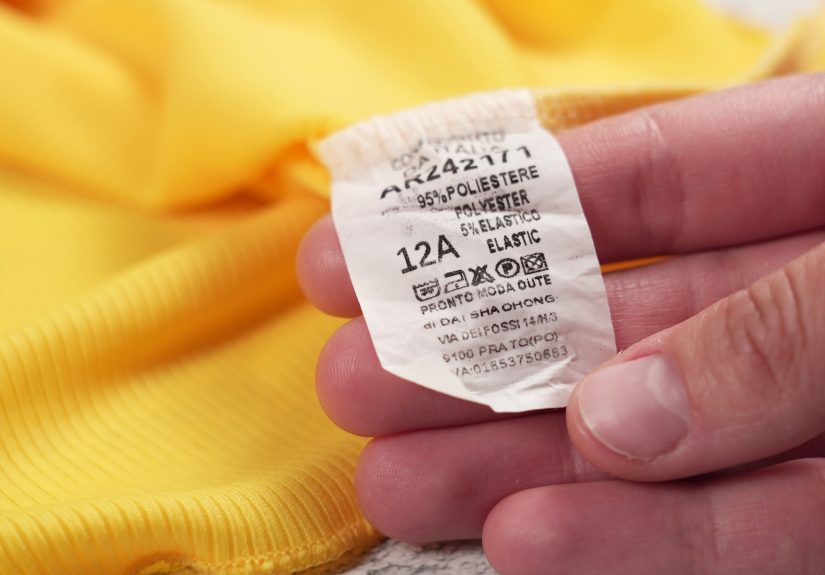
The care label is the tiny tag with big authority. Before washing polyester, check whether the item says machine wash, hand wash, dry clean, tumble dry low, line dry, do not bleach, or cool iron. This is especially important for structured garments, pleated pieces, embellished clothing, lined jackets, and anything with delicate trim.
Even when an item is 100% polyester, construction matters. A polyester party dress with sequins does not want the same treatment as a polyester gym shirt. The fabric may be washable, but the buttons, lining, glue, elastic, or decorative details may not be as brave.
2. Sort by Color, Weight, and Texture
Sort polyester clothes by color first: whites, lights, darks, and bright colors. Then sort by fabric type and weight. Lightweight polyester blouses should not be washed with jeans, towels, or heavy sweatshirts because friction can cause pilling, snags, and surface wear.
Keep polyester away from lint-producing items such as towels, fleece, and flannel. Polyester can attract lint like it is collecting souvenirs. Wash similar fabrics together whenever possible, especially activewear, dress shirts, and delicate blends.
3. Turn Garments Inside Out
Turning polyester clothing inside out helps protect the outer surface from abrasion, fading, and pilling. It is especially useful for printed polyester shirts, dark colors, athletic wear, and garments with a smooth or shiny finish.
Before washing, zip zippers, close hooks, fasten buttons, and empty pockets. A forgotten tissue in a polyester load is not laundry; it is confetti with consequences.
4. Pretreat Stains Before Washing
Polyester is particularly good at holding oily stains because synthetic fibers tend to attract oil-based soil. Food grease, sunscreen, body lotion, deodorant, makeup, and sweat residue can cling to polyester if not treated early.
Apply a small amount of liquid laundry detergent or stain remover directly to the stained area. Gently rub the fabric together or use a soft brush, then let it sit for 5 to 15 minutes before washing. Avoid harsh scrubbing, especially on knits or thin polyester, because it can roughen the surface.
5. Choose Cold or Warm Water
For most polyester garments, cold water is the safest choice. It helps protect color, reduce wrinkles, save energy, and lower the risk of heat damage. Warm water can be useful for heavily soiled polyester, sweaty activewear, bedding, or items with body oil buildup.
Avoid hot water unless the care label clearly allows it. High heat can weaken fibers, set stains, encourage wrinkles, and damage elastic in polyester blends. When in doubt, choose cold water and a good detergent. Modern detergents are designed to work well at lower temperatures, so your clothes do not need a hot tub vacation to get clean.
6. Use a Gentle, Delicate, or Permanent Press Cycle
The best washer cycle for polyester depends on the item. For everyday 100% polyester clothes, the permanent press cycle is a smart choice because it uses moderate agitation and helps reduce wrinkling. For delicate polyester, mesh tops, lingerie, thin blouses, or items with embellishments, choose the delicate cycle.
For durable polyester items like basic shirts, pajama pants, or some bedding, a normal cycle may be fine if the care label allows it. Still, avoid overloading the washer. Clothes need room to move so detergent and water can circulate properly. A stuffed washer gives you uneven cleaning, trapped odors, and wrinkles sharp enough to file paperwork.
7. Use the Right Amount of Detergent
Use a mild liquid detergent and measure it carefully. More detergent does not mean cleaner clothes. In fact, too much detergent can leave residue that traps odors, makes fabric feel stiff, and attracts dirt faster.
For polyester activewear, an enzyme detergent or sport detergent can help break down sweat, body oils, and odor-causing buildup. Avoid using too much fragrance to cover smells. The goal is to remove odor, not create a perfume cloud named “Mountain Lavender Football Locker.”
8. Skip Chlorine Bleach Unless the Label Allows It
Chlorine bleach can damage polyester and may cause yellowing or weaken fibers over time. If you need to brighten white polyester, use oxygen bleach only if the care label permits it. Always test stain removers on a hidden area first, especially on colored garments.
How to Wash Polyester Blends
Polyester blends combine polyester with another fiber, such as cotton, spandex, rayon, wool, nylon, or viscose. The golden rule is simple: wash the garment according to the most delicate fiber in the blend.
Polyester-Cotton Blends
Polyester-cotton blends are common in T-shirts, uniforms, sheets, and casual clothing. They are usually machine washable in cold or warm water. Use a normal or permanent press cycle depending on the weight and finish of the item. Dry on low or medium-low heat and remove promptly to reduce wrinkles.
Polyester-Spandex Blends
Polyester-spandex blends are often used in leggings, swimwear, workout tops, shapewear, and stretchy dresses. Spandex is sensitive to heat, so use cold water, gentle agitation, and air drying whenever possible. Avoid chlorine bleach, high dryer heat, and fabric softener, which can reduce stretch and performance.
Polyester-Rayon or Polyester-Viscose Blends
Rayon and viscose can shrink, wrinkle, or weaken when wet, so be extra careful. Use cold water, a delicate cycle, and a mesh laundry bag. Some polyester-rayon garments may require hand washing or dry cleaning, especially if they are structured, lined, or labeled “dry clean only.”
Polyester-Wool Blends
Polyester-wool blends need gentle care because wool can shrink and felt with heat and agitation. Use cold water and a wool or delicate cycle only if the label says the item is washable. Lay flat to dry. When the label says dry clean, believe it. This is not the time for laundry rebellion.
Polyester-Nylon Blends
Polyester-nylon blends are common in outerwear, sportswear, bags, and performance fabrics. Use cold or warm water, mild detergent, and low heat or air drying. For water-resistant garments, avoid fabric softener because it can interfere with the finish.
How to Dry Polyester Without Damaging It
Polyester dries quickly, so it rarely needs high dryer heat. The safest drying method is air drying on a hanger or drying rack. Smooth the garment with your hands while damp to reduce wrinkles.
If you use a dryer, choose low heat or the permanent press setting. Remove polyester while it is slightly damp or as soon as the cycle ends. Leaving polyester in a hot dryer can set wrinkles and create static cling. High heat can also damage elastic, melt fibers, or create shiny marks on certain finishes.
For polyester blends with spandex, rayon, wool, embellishments, or delicate construction, air drying is usually best. Do not wring polyester garments aggressively. Instead, press out excess water with a towel if needed.
How to Remove Odors from Polyester
Polyester workout clothes can smell stubborn because body oils and bacteria cling to synthetic fibers. The best fix starts before laundry day: let sweaty polyester air out instead of tossing it into a damp hamper. A sealed pile of sweaty clothes is basically a spa retreat for odor.
For persistent smells, soak polyester activewear in cool water with an enzyme detergent before washing. Then wash with similar synthetic fabrics. Avoid fabric softener because it can coat fibers and trap odors. Do not use high heat to “cook out” smells; heat may actually set odors and stains deeper into the fabric.
If odor remains after washing, do not put the item in the dryer. Rewash it first. Once dryer heat sets the smell, removing it becomes much harder.
Can You Use Fabric Softener on Polyester?
It is usually better to skip fabric softener on polyester, especially performance clothing. Fabric softener can leave a coating that reduces moisture-wicking ability, traps smells, increases buildup, and affects absorbency in blended fabrics.
If static is the problem, try removing polyester from the dryer slightly damp, using wool dryer balls, drying on low heat, or air drying. You can also wash synthetic fabrics separately to reduce friction and static.
How to Iron Polyester Safely
Polyester can melt or become shiny under high heat, so iron only when necessary. Use the synthetic or low-temperature setting, turn the garment inside out, and place a pressing cloth between the iron and the fabric. Steam can help relax wrinkles, but always check the care label first.
For light wrinkles, hanging the garment in a steamy bathroom or using a garment steamer on a safe setting often works better than direct ironing. Polyester is wrinkle-resistant by nature, so a little patience and air drying can save you from ironing drama.
Common Mistakes to Avoid When Washing Polyester
Using Too Much Heat
Hot water and high dryer heat are the top enemies of polyester. They can cause wrinkles, static, fabric damage, and problems with elastic or blended fibers.
Overloading the Washer
Polyester needs space to rinse clean. Overloading traps detergent and body oils, which can lead to dinginess and odor.
Ignoring Stains Before Washing
Once oily stains go through the dryer, they become much harder to remove. Pretreat first, then wash.
Washing with Towels
Towels shed lint and create friction. Polyester loves to grab lint and hold it hostage. Wash smooth synthetics with similar fabrics.
Using Fabric Softener on Activewear
Softener can coat moisture-wicking fibers and lock in odor. For gym clothes, skip it.
Eco-Friendly Tips for Washing Polyester
Because polyester is synthetic, it can shed tiny microfibers during washing. To reduce shedding, wash polyester less often when it is not truly dirty, use cold water, choose gentle cycles, avoid overloading, and consider a microfiber-catching laundry bag or washing machine filter.
Air drying also saves energy and reduces heat stress on the fabric. The longer your polyester clothing lasts, the fewer replacements you need to buy, which is good for your wallet and the planet. A shirt that survives three more years is basically a tiny sustainability champion with sleeves.
FAQs About Washing Polyester
Can you machine wash 100% polyester?
Yes, most 100% polyester garments can be machine washed. Use cold or warm water, mild detergent, and a gentle or permanent press cycle. Always check the care label first.
Does polyester shrink in the wash?
Polyester is more shrink-resistant than many natural fibers, but high heat can still cause damage, warping, or shrinkage in some garments and blends. Avoid hot water and high dryer heat.
Can polyester go in the dryer?
Many polyester items can go in the dryer on low heat. Air drying is safer for delicate polyester, activewear, and blends with spandex, rayon, or wool.
What temperature should you wash polyester?
Cold water is best for most polyester. Warm water can be used for heavier soil or odor, but hot water should usually be avoided unless the label allows it.
Why does polyester smell after washing?
Polyester can hold body oils and odor-causing residue. Use enough detergent, avoid overloading, skip fabric softener, air out sweaty clothes before washing, and consider an enzyme detergent for activewear.
Can you wash polyester with cotton?
Yes, polyester can often be washed with cotton items of similar color and weight. Avoid washing lightweight polyester with heavy cotton towels or jeans because friction and lint can cause problems.
Can you bleach white polyester?
Avoid chlorine bleach unless the care label specifically allows it. Oxygen bleach may be safer for some white polyester items, but always follow label directions and test first.
Real-Life Experience: What Actually Works When Washing Polyester
After washing more polyester shirts, uniforms, workout tops, curtains, and “mystery blend” garments than any normal laundry basket should legally contain, one lesson stands out: polyester rewards consistency. You do not need complicated laundry rituals. You need a smart routine and a little respect for the care label.
The first experience many people have with polyester trouble is odor. A polyester gym shirt may look clean after washing but still smell faintly sweaty once body heat activates it again. The mistake is usually letting sweaty clothes sit too long, using fabric softener, or washing in an overloaded machine. The better approach is to hang sweaty polyester to dry before tossing it in the hamper. Then wash it with similar synthetic items using a measured amount of detergent. For stubborn odor, a short soak with enzyme detergent can make a noticeable difference.
Another common experience is the surprise wrinkle problem. Polyester is marketed as wrinkle-resistant, so people assume it is wrinkle-proof. It is not. If you leave polyester in the dryer for an hour after the cycle ends, it may come out with creases that look professionally installed. Removing clothes promptly and hanging them while slightly warm works wonders. For dressier polyester blouses, air drying on a hanger often gives the smoothest finish.
Polyester blends also teach humility. A 100% polyester shirt may survive a regular wash with no complaint, but a polyester-spandex pair of leggings will not appreciate hot water or high heat. The same goes for polyester-rayon dresses, which may wrinkle or shrink if treated too aggressively. When dealing with blends, the most delicate fiber makes the rules. Think of it as a group project where rayon is very nervous and spandex hates saunas.
Stain removal is another area where timing matters. Polyester loves oil-based stains, especially salad dressing, sunscreen, and underarm residue. The best results usually come from pretreating before washing. Rubbing a little liquid detergent into the stain and giving it several minutes to work can prevent the dreaded “washed but still stained” situation. The one thing not to do is throw the stained item into a hot dryer. Heat can set the stain, turning a small laundry problem into a long-term relationship.
Lint is also worth mentioning because polyester and towels are not best friends. Washing black polyester pants with fluffy towels can create a lint disaster that requires a lint roller, patience, and possibly a motivational playlist. Wash smooth synthetics with other smooth fabrics. This small sorting habit keeps clothes looking newer and reduces pilling.
For bedding, blankets, and larger polyester items, space is the secret. A bulky polyester blanket needs room to move in the washer. If it is crammed in tightly, detergent may not rinse out evenly, and damp spots may hold odor. Use a large-capacity machine if needed, choose cold or warm water, and dry on low heat or air dry thoroughly before storing.
The biggest practical takeaway is simple: polyester lasts longer when you wash it cooler, dry it lower, and avoid unnecessary products. You do not need to baby it, but you should not punish it either. A basic routine of sorting, turning inside out, pretreating stains, using mild detergent, choosing cold water, and drying gently will handle most polyester laundry with very little fuss. Your clothes will look better, smell fresher, and avoid the tragic fate of becoming shiny, clingy, or permanently wrinkled.
Conclusion
Washing 100% polyester and polyester blends is simple once you understand the fabric’s personality. It is strong, quick-drying, and wrinkle-resistant, but it does not love high heat, oily buildup, rough washing, or detergent overload. For the best results, read the care label, sort properly, turn garments inside out, pretreat stains, wash in cold or warm water, use a gentle or permanent press cycle, and dry on low heat or air dry.
For polyester blends, always care for the most delicate fiber in the garment. Polyester-spandex needs cool water and air drying. Polyester-rayon needs gentle handling. Polyester-wool may need special care or dry cleaning. When odor becomes a problem, focus on removing body oils and residue rather than covering them with fragrance.
Treat polyester well and it will stay bright, smooth, and wearable for years. Treat it badly and it may become a clingy, wrinkled reminder that laundry shortcuts are not always shortcuts. Fortunately, with the right routine, polyester care is less of a chore and more of a very washable life skill.
Note: Always follow the garment care label first, especially for lined, embellished, delicate, structured, or blended polyester items.





 Close
Close