
Table of Contents >> Show >> Hide
- Step 1: Know What a Premature Puppy Looks Like
- Step 2: Prepare the Whelping Area Like a Tiny NICU
- Step 3: Handle the Birth Gently but Decisively
- Step 4: Get Colostrum Into the Puppy as Soon as Possible
- Step 5: Warm the Puppy Before You Feed It
- Step 6: Feed Small Amounts, Often, and Use the Right Formula
- Step 7: Monitor Hydration, Elimination, and Daily Weight Gain
- Step 8: Learn the Red Flags of Fading Puppy Syndrome
- Step 9: Support the Mother, Because She Is Half the System
- Step 10: Keep the Environment Clean but Not Sterile to the Point of Madness
- Step 11: Transition Carefully to Weaning, Growth, and Early Development
- What Caring for a Premature Puppy Really Feels Like: Real-World Experience and Lessons
- Conclusion
Raising a premature puppy is not for the faint of heart, the weak of coffee, or anyone who thinks “sleep” is still part of the job description. These tiny pups are fragile, fast-changing, and absolutely dependent on smart, calm care. If a full-term newborn puppy is a delicate houseplant, a premature puppy is that houseplant during a thunderstorm.
The good news? Some premature puppies can survive and grow into lively, healthy dogs. The catch is that success usually depends on doing the basics exceptionally well: warmth, colostrum, safe feeding, hygiene, close monitoring, and early veterinary support. In other words, this is one of those moments where “winging it” should not be in the room.
This guide breaks the process into 11 practical steps, from the whelping box to weaning. It is written in plain American English, but the subject is serious: a premature puppy is a medical-risk newborn. Use this article as a field guide, not as permission to skip the veterinarian.
Step 1: Know What a Premature Puppy Looks Like
Before you can help a premature puppy, you need to recognize one. Puppies born early are often smaller and thinner than their littermates. They may have sparse hair, weak muscle tone, a poor suckling reflex, and less energy than a full-term pup. Some struggle to crawl, latch, or stay warm for more than a few minutes.
That said, not every small puppy is premature. Some are simply low birth weight, and some full-term puppies are born weak. Either way, the practical response is the same: treat the puppy as high-risk and contact your veterinarian promptly. The earlier you identify trouble, the better your odds of keeping a fragile neonate alive.
Step 2: Prepare the Whelping Area Like a Tiny NICU
Premature puppies lose heat quickly and cannot regulate their body temperature well. Their environment matters almost as much as their milk. The whelping area should be draft-free, clean, easy to sanitize, and warm enough for the puppy to conserve energy rather than burn calories just trying not to become a popsicle.
A good setup includes:
- A clean whelping box with pig rails to reduce the risk of accidental crushing
- Soft, dry bedding changed often
- A controlled heat source, such as a heating pad under part of the box, incubator, or heat lamp used cautiously
- Enough room for the dam and puppies to move away from the heat if they become too warm
- Moderate humidity, especially for tiny or weak pups, to help prevent drying out
For fragile newborns, many breeders and veterinarians aim for a warm box in the first week, then gradually reduce the temperature as the puppies mature. The important thing is not to cook the puppies in the name of kindness. Too much heat can be just as dangerous as too little. Warm, not tropical. Think spa towel, not sidewalk in July.
Step 3: Handle the Birth Gently but Decisively
When a premature puppy is born, the first priorities are breathing, drying, and stimulation. If the dam does not immediately lick and clear the puppy, you may need to step in. Carefully remove membranes from the face, clear visible fluid from the mouth and nose, and rub the puppy gently but briskly with a warm towel to stimulate breathing and circulation.
Do not swing the puppy. That old breeder folklore belongs in the museum next to questionable haircut trends and mystery casseroles. If the puppy is not breathing well, is limp, or remains blue or pale, it needs veterinary direction right away.
At this stage, it also helps to label and log each puppy. Record birth time, appearance, birth weight, and any concerns. When you are dealing with a weak litter, memory becomes a very unreliable intern.
Step 4: Get Colostrum Into the Puppy as Soon as Possible
Colostrum is the first milk the mother produces, and it is pure gold for newborn puppies. It delivers antibodies, energy, and immune support during a period when the puppy’s own defenses are basically still under construction. Premature puppies are especially vulnerable, so getting colostrum into them early matters.
If the puppy can suckle, help it latch onto a good teat and stay there. Sometimes the smallest or weakest pup does better when the stronger siblings are moved aside for a few minutes. If the puppy cannot nurse effectively, call your veterinarian for immediate guidance. In some cases, hand-feeding or tube feeding may be discussed, but tube feeding should only be done by someone trained properly by a veterinarian. “I watched a video once” is not a credential.
Step 5: Warm the Puppy Before You Feed It
This step is non-negotiable. A chilled puppy should be warmed before feeding. Hypothermic puppies do not digest well, and feeding a cold puppy can lead to regurgitation, aspiration, diarrhea, and a very fast downward spiral.
If the puppy feels cool, acts weak, or has trouble nursing, focus first on safe warming. Use a controlled heat source and warm the puppy gradually. Avoid sudden overheating. Once the puppy is warm enough and more responsive, feeding is much safer and more likely to succeed.
This is one of the most common mistakes well-meaning caretakers make. They see a weak puppy and think, “It needs food.” Sometimes the puppy needs warmth first. In neonatal care, order matters.
Step 6: Feed Small Amounts, Often, and Use the Right Formula
If the dam is caring for the puppy and milk transfer is good, that is usually the best-case scenario. But premature puppies are often too weak to nurse well, and some mothers reject them. In that case, you may need to supplement or fully hand-raise the puppy.
Use a commercial puppy milk replacer made for canine neonates. Do not improvise with cow’s milk, random pantry substitutes, or “grandma’s farm recipe.” Those options are usually nutritionally wrong and can trigger diarrhea or poor growth.
Feed on a strict schedule. In the first week, many newborn puppies need meals every two to four hours, including overnight. Weak or premature puppies may need even closer supervision based on veterinary advice. During bottle feeding:
- Keep the puppy in a natural, belly-down position
- Use a nipple with a slow, controlled flow
- Warm the formula to body temperature
- Stop immediately if milk comes from the nose, the puppy coughs, or breathing changes
A puppy who is too weak to suckle safely should be evaluated by a veterinarian. That is the moment to get professional help, not to get creative.
Step 7: Monitor Hydration, Elimination, and Daily Weight Gain
Premature puppies do not just need to survive the first feeding. They need to keep moving in the right direction every day. That means tracking three things closely: hydration, urination and defecation, and body weight.
Young puppies normally need stimulation to eliminate. The dam does this by licking them. If she is not helping, use a warm, damp cotton ball or soft cloth to gently stimulate the genital and anal area after each feeding. Glamorous? No. Necessary? Very.
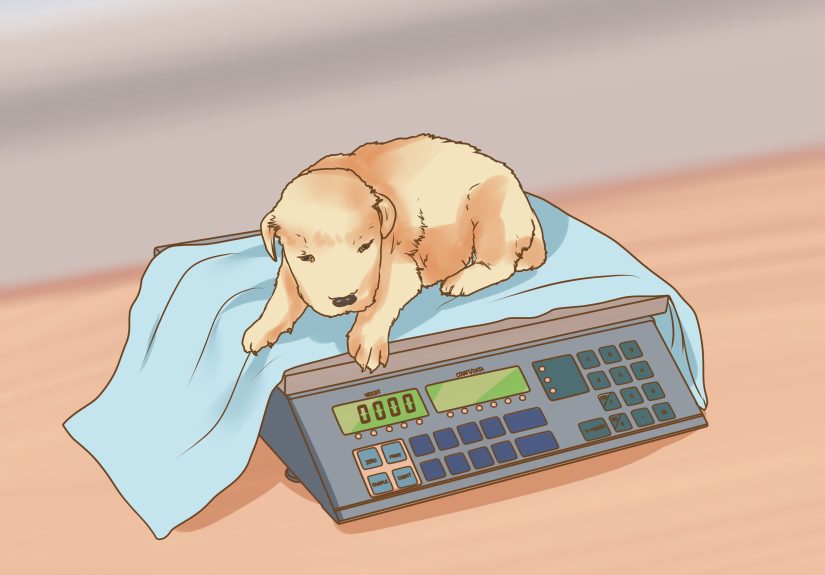
Weigh each puppy at the same time every day on a kitchen scale that measures in grams. A healthy puppy should generally gain weight steadily after birth. Small fluctuations can happen, but a weak puppy that is not gaining, or worse, is losing weight, needs fast intervention.
Keep a written log with:
- Birth weight
- Daily weight
- Feeding times and amounts
- Urination and stool quality
- Energy level and suckle strength
This record helps you notice problems early and gives your veterinarian useful information instead of vague panic like, “He seemed kind of not right yesterday-ish.”
Step 8: Learn the Red Flags of Fading Puppy Syndrome
Premature puppies are at high risk for fading puppy syndrome, a term used when a newborn fails to thrive and declines quickly. Sometimes the cause is infection, trauma, poor nursing, congenital defects, low birth weight, or a difficult delivery. Sometimes several problems show up at once, which is rude but medically common.
Call the veterinarian urgently if you notice:
- Weak or absent suckling
- Persistent crying or restlessness
- Separation from the litter
- Cold body temperature
- Pale gums
- Open-mouth breathing or trouble breathing
- Milk bubbling from the nose
- Diarrhea or bloating
- No weight gain
- Sudden lethargy or limpness
With fading puppies, hours matter. Sometimes minutes matter. The window for successful intervention can be frustratingly small, which is why close observation is part of good care, not paranoia.
Step 9: Support the Mother, Because She Is Half the System
Even when the focus is on the premature puppy, do not forget the dam. A stressed, sick, painful, or exhausted mother cannot provide good neonatal care. Monitor her appetite, milk production, behavior, discharge, temperature, and comfort. Mastitis, metritis, poor maternal behavior, and fatigue can all change the survival odds for the litter.
Some mothers care beautifully for weak puppies. Others reject them, accidentally lie on them, or fail to produce enough milk. This is not a moral failure; it is a husbandry problem that needs a practical solution. Give the mother a clean, quiet area, minimize stress, provide excellent nutrition, and involve your veterinarian if anything seems off.
Step 10: Keep the Environment Clean but Not Sterile to the Point of Madness
Premature puppies are vulnerable to infection, so cleanliness matters. Wash hands before handling puppies. Change bedding often. Clean bottles, nipples, and feeding equipment thoroughly. Keep the box dry, and avoid crowding. If there are adult dogs in the home, limit unnecessary traffic through the whelping area.
At the same time, you do not need to transform your laundry room into a moon lab. The goal is consistent, sensible hygiene: clean hands, clean tools, clean bedding, clean pups. Routine beats drama.
Also remember that stress affects puppies and mothers. Loud noise, constant visitors, and nonstop handling can make a hard situation harder. Quiet care is usually better care.
Step 11: Transition Carefully to Weaning, Growth, and Early Development
If your premature puppy makes it past the most dangerous newborn period, congratulations: you have earned both hope and eye bags. The next phase is gradual growth. Around three to four weeks, many puppies begin the transition toward weaning. Hand-raised puppies may show interest in soft food a little earlier, but the process should still be gradual.
Start with a puppy gruel made from high-quality puppy food softened with milk replacer or warm water. Offer small amounts several times a day. Expect mess. Accept mess. Premature puppies are not trying to insult you personally; they are just very committed to stepping in their lunch.
As the puppy matures:
- Reduce dependence on bottle feeding gradually
- Continue daily or frequent weight checks
- Watch stool quality and appetite
- Begin gentle handling and early social exposure in age-appropriate ways
- Follow your veterinarian’s schedule for exams, parasite control, and vaccines
Survival is the first goal. Healthy development is the second. A puppy that has had a rough neonatal start may need extra patience, closer medical follow-up, and more careful observation than its bouncier littermates.
What Caring for a Premature Puppy Really Feels Like: Real-World Experience and Lessons
People who have cared for premature puppies often describe the experience the same way: exhausting, emotional, repetitive, and weirdly quiet. There is no dramatic soundtrack. There is just a clock, a heating pad, a scale, a notebook, and a creature the size of a sandwich roll depending on you to notice every tiny change.
One of the biggest surprises is how much of the job is not “treatment” in the dramatic sense. It is routine. You warm the puppy. You help it nurse. You check whether it swallowed well. You stimulate it to urinate. You write down the weight. You change the bedding. Then you do it again. And again. And again. Neonatal puppy care is less like heroic improvisation and more like running a tiny intensive-care shift out of your house slippers.
Breeders and rescuers also learn quickly that appearances can be deceiving. A puppy can look stronger after one good feeding and then slide backward a few hours later. Another can seem shaky at birth and then slowly turn the corner once warmth, colostrum, and steady feeding fall into place. That is why experienced caretakers rely on records instead of optimism. Hope is lovely, but numbers are better.
Another common lesson is that the mother may not behave the way people expect. Some dams become devoted nurses even with a weak litter. Others are confused, stressed, or selective, paying attention to the strongest puppies and ignoring the weakest ones. Caretakers often describe the emotional sting of seeing a mother walk away from a struggling pup, but in practical terms it means the human needs to step in fast with warmth and feeding support rather than waste time feeling offended on the puppy’s behalf.
Many people also discover that small improvements matter. A puppy finally latching for two solid minutes can be a huge win. A few grams of weight gain can feel like confetti. A puppy that stops crying and sleeps quietly after feeding is not being boring; it is giving you one of the best signs in neonatal care. Quiet, warm, fed, and tucked into the litter is exactly what you want.
The hardest part, according to many caretakers, is accepting that not every premature puppy can be saved. Some puppies are born too early, too weak, or with serious congenital problems. Good care improves the odds, but it does not rewrite biology every time. That reality can be heartbreaking. It is also why veterinary support matters so much. You need guidance not only for treatment, but for perspective.
The encouraging side of these experiences is that many fragile puppies do survive when the basics are done well. Caretakers often talk about the first time a preemie crawls more strongly, nurses without help, opens its eyes, or graduates to lapping puppy gruel like it owns the place. Those milestones feel big because they are big. They mark the moment when the puppy stops merely being at risk and starts acting like a puppy with a future.
If there is one lasting lesson from raising a premature puppy, it is this: consistency saves more lives than panic. Warmth, colostrum, correct feeding, hygiene, records, and fast veterinary input are not glamorous, but they are the foundation. Tiny patients do not need a magician. They need someone observant, prepared, and stubborn enough to keep showing up every two hours.
Conclusion
Whelping and raising a premature puppy is equal parts science, stamina, and steady nerves. The puppies that make it usually do so because someone got the basics right again and again: create a safe whelping environment, warm first, feed correctly, protect access to colostrum, monitor weight, and act fast when a puppy seems to fade. Add veterinary guidance early, and you give that fragile little dog its best shot at becoming a noisy, healthy, food-obsessed companion later on.
In short, premature puppy care is never casual. But with preparation, close observation, and a healthy respect for how delicate neonates are, it can be done well. And when that once-tiny puppy eventually waddles across the room with the confidence of a CEO and the coordination of a potato, you will know every late-night feeding was worth it.





 Close
Close