
Table of Contents >> Show >> Hide
- What “Semi-Automatic” Usually Means (Especially in the U.S.)
- Before You Start: Setup and Safety That Prevents Regret
- Laundry Prep That Makes Your Machine Look Smarter Than It Is
- Step-by-Step: How to Work a Semi-Automatic Washing Machine
- Fabric-Specific Cheat Sheet (Because One Setting Doesn’t Fit All)
- Common Mistakes (and How to Fix Them Without Crying)
- Maintenance: Keep It Fresh, Keep It Working
- Why People Love Semi-Automatic Washers (And When You Might Not)
- Real-World Experiences: What It’s Actually Like Using a Semi-Automatic Washer (500+ Words)
- SEO Tags
A semi-automatic washing machine is basically the “stick shift” of laundry: it’s not hard, but it does expect you to participate. Instead of pressing one button and walking away like a carefree detergent commercial actor, you’ll be filling water, setting timers, draining dirty water, and moving clothes from a wash tub to a spin tub.
Sounds like a lotuntil you realize the payoff: fast loads, serious water control, and the ability to do laundry in places a full-size washer would never fit (apartments, RVs, dorms, tiny homes, or that one bathroom that’s doing its best). If you’ve got a twin-tub portable washer (the most common semi-automatic style in the U.S.), this guide will have you washing like a pro… or at least like someone who no longer floods the floor on rinse day.
What “Semi-Automatic” Usually Means (Especially in the U.S.)
In the U.S., “semi-automatic washing machine” most often refers to a portable twin-tub washer:
- Wash tub (left side on many models): agitates clothes in detergent + water for a set time.
- Spin tub (right side on many models): spins water out fast (not a heated dryerthink “super squeeze”).
Controls are usually refreshingly simple: a wash timer (often up to ~15 minutes), a spin timer (often up to ~5 minutes), and sometimes a wash/drain selector (wash, rinse, or drain). It’s minimalism with consequencesin a good way.
Before You Start: Setup and Safety That Prevents Regret
Pick a smart location
- Flat, stable surface: wobble now becomes a dance party laterduring spin.
- Near a drain target: bathtub, shower, floor drain, or a large bucket you can empty safely.
- Near water: a sink faucet hookup is easiest, but manual fill works too.
- Leave a little breathing room: don’t jam it flush against a wallhoses kink, cords get stressed, and you’ll hate maintenance day.
Drain hose reality check
Most semi-automatic machines rely on gravity drainage unless they include a pump. That means the drain hose generally needs a path that allows water to flow downward. If your drain hose is looped up high like a rollercoaster, your washer will “drain” in spirit only.
Power + water = be the responsible adult for 90 seconds
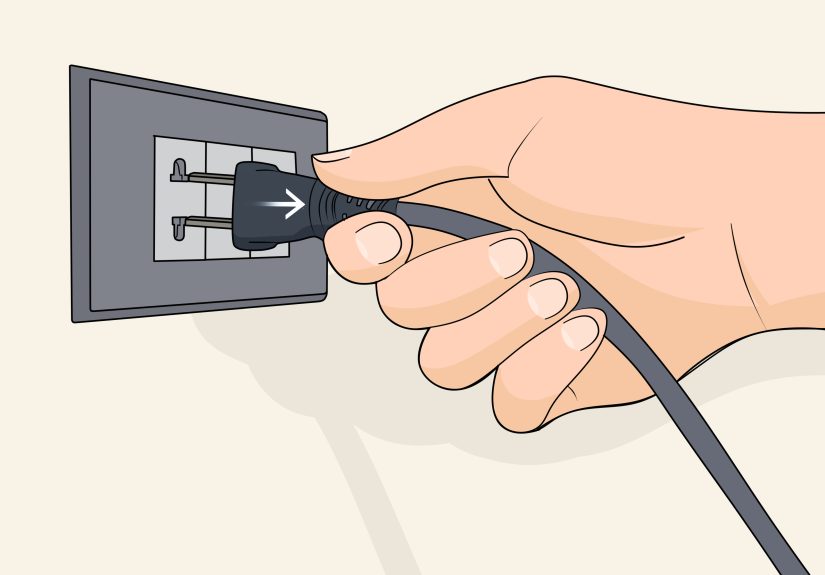
- Plug into a properly grounded outlet (avoid flimsy extension cords).
- Keep the plug and controls drysplashes happen, so plan for them.
- Don’t run the spin tub with the lid open if your unit has a safety interlock.
Laundry Prep That Makes Your Machine Look Smarter Than It Is
Semi-automatic washers are honest: they don’t pretend they can fix chaotic laundry decisions. A little prep goes a long way, especially with smaller tubs.
Sort like you mean it
- Colors: whites, lights, darks, and “this red shirt is suspicious.”
- Fabric weight: towels and jeans together can bully lightweight tees.
- Lint logic: towels shed; athletic wear and dark knits collect. Don’t mix if you want peace.
Check labels and choose a temperature plan
Many portable semi-automatic models don’t heat water, so temperature is whatever comes out of your faucet. In general: cold is great for darks and delicates, warm helps everyday soil, and hot is best for whites and heavily soiled items (when fabric permits). If you’re trying to sanitize laundry, remember: heat plus time mattershotter washes are more effective, but not every fabric can handle them.
Pre-treat stains (your future self will thank you)
Dab stain remover or a small amount of detergent onto collars, cuffs, and mystery spots. Semi-automatic washers have strong agitation for their size, but they’re not magiciansjust enthusiastic.
Step-by-Step: How to Work a Semi-Automatic Washing Machine
The core workflow is always the same: wash → drain → rinse → spin. Once you learn the rhythm, it’s as repeatable as making coffeeexcept your coffee doesn’t usually require a drain hose.
Step 1: Load the wash tub (don’t overstuff it)
Place clothes loosely in the wash tub. Don’t pack them down like you’re trying to win luggage fees. Clothes need room to circulate so water and detergent can actually do their job. Overloading also increases residue and poor rinsingtwo issues that show up fast in smaller machines.
Practical rule: if you have to push hard to close the lid, your washer is about to file a complaint. Do two loads instead.
Step 2: Add water (and only then add detergent)
Add water to the wash tub. You can do this by connecting the inlet hose to a faucet or filling with a bucket. Start with enough water to fully cover the clothes and allow movement.
Now add detergent. Here’s the part where most people go wrong: portable tubs need less detergent than you think, and concentrated detergents need less than that. Too much detergent creates excess suds, which can trap dirt, cling to fabric, and make rinsing feel endless.
- If your detergent is concentrated (2X/4X/HE): start smallthink teaspoons, not glugs.
- If you have soft water: use even less (soft water makes suds party harder).
- If you have hard water or heavy soil: you may need a bit more, but increase gradually.
Pro move: dissolve detergent in water before starting agitation, especially powders. This helps prevent streaks and undissolved grit that clings to dark clothes like it’s emotionally attached.
Step 3: Select wash mode and set the wash timer
Many semi-automatic washers offer modes like Normal, Soft/Gentle, and sometimes Heavy. Pair the mode with time:
- Lightly soiled / quick refresh: 3–6 minutes
- Everyday loads: 7–12 minutes
- Heavier soil (not overloaded): 12–15 minutes
If something is truly grimy, you’ll often get better results from a short soak (5–10 minutes) plus a normal wash, rather than cranking the timer and hoping for miracles.
Step 4: Drain the wash water
When the wash timer ends, switch to Drain (if your washer has a drain selector), place the drain hose into your tub/shower/bucket, and let the water empty. Keep an eye on the hose so it doesn’t whip around like it’s trying to escape.
Step 5: Rinse (choose one of two solid methods)
Method A: Rinse in the wash tub (simple and reliable)
- Refill the wash tub with clean water.
- Run agitation for 2–5 minutes (no detergent).
- Drain again.
- Repeat once more if you used a lot of detergent or washed towels/athletic wear.
Method B: Spray rinse in the spin tub (faster, uses running water)
Some people rinse by transferring clothes to the spin tub, turning on a gentle stream of water so it sprays/rinses while spinning. This can work well, but it requires attention so you don’t overfill, oversplash, or accidentally create a tiny indoor waterfall.
Step 6: Transfer to the spin tub and balance the load
Move rinsed clothes into the spin tub. Spin tubs usually handle less weight than the wash tub (often about half). Distribute items evenly around the basket. If your machine includes a spin disc/press plate, place it on top to keep clothes from floating upward and smacking the lid.
Close the spin lid (and safety cover if included). Then set the spin timer:
- Light items (tees, underwear): 1–3 minutes
- Heavier cottons (towels): 3–5 minutes
If the spin tub shakes violently, stop immediately, open the lid, and rebalance. A little vibration is normal; a full-body shimmy is not.
Step 7: Repeat or finish
Many people do a second quick spin for heavy items. When done, clothes will be significantly drieroften “hang-dry ready”but not bone dry like a heated dryer. Plan to air-dry or finish in a dryer if you have one.
Fabric-Specific Cheat Sheet (Because One Setting Doesn’t Fit All)
Delicates and activewear
- Use cold to cool water, gentle mode, shorter wash times.
- Use less detergent to reduce residue (especially with synthetics).
- Consider an extra rinse if items hold odor.
Towels and sheets
- Warm or hot water (as fabric allows) helps remove body oils.
- Don’t overloadbulky items need space to move.
- Spin thoroughly; towels hold water like it’s their job (because it is).
Jeans and heavy cotton
- Wash inside out to protect color.
- Moderate wash time; avoid aggressive over-washing to reduce fading.
- Balance the spin load carefully to prevent wild shaking.
Baby items or “someone is sick” laundry
Follow care labels, and consider hot washes where appropriate. If you’re aiming to reduce germs, remember that higher temperatures and adequate wash time help, and some sanitizing practices may require specific heat/time combinations. When in doubt, prioritize fabric safety and a thorough rinse.
Common Mistakes (and How to Fix Them Without Crying)
Mistake 1: Using too much detergent
Symptoms: stubborn suds, stiff fabric, “why do my towels repel water now,” or a washer that seems to rinse forever.
Fix: drain, refill, rinse again with no detergent. Next time, cut detergent downespecially with concentrated HE formulas. In small tubs, a little goes a long way.
Mistake 2: Overloading the wash or spin tub
Symptoms: poor cleaning, residue, unbalanced spin, loud banging, and a new fear of vibrations.
Fix: do smaller loads. For spin, load evenly and don’t exceed the spinner’s capacity.
Mistake 3: Drain hose drama
Symptoms: slow drain, no drain, or water that returns like it forgot something.
Fix: straighten kinks, keep the hose aimed downward for gravity drain, and ensure the hose isn’t shoved so deep into a drain that it blocks airflow (yes, drains need to breathe too).
Mistake 4: Clothes come out too wet
Symptoms: dripping laundry and a drying rack that looks offended.
Fix: rebalance the spin load, spin longer (within your machine’s limits), and avoid stuffing the spin tub. Heavy items may need to be split into two spin batches.
Maintenance: Keep It Fresh, Keep It Working
- Clean the lint filter regularly: rinse it out after laundry day (or after every couple loads).
- Wipe down tubs and lids: moisture + detergent residue = funky smells.
- Air it out: leave lids open after use so the interior can dry.
- Go easy on additives: too much softener can contribute to buildup; measure carefully.
If your washer starts smelling musty, it’s usually telling you it’s been living in a humid, soapy swamp. A warm-water rinse cycle and a quick wipe-down can make a big difference.
Why People Love Semi-Automatic Washers (And When You Might Not)
Semi-automatic machines are great when you want control: you decide water level, wash time, and how aggressive the process is. They’re also handy for small spaces and can be quicker overall because you can wash one batch while spinning another.
The tradeoff is involvement. If you want “set it and forget it,” a fully automatic portable washer may suit you better. But if you’re okay being the laundry conductor, semi-automatic can be surprisingly satisfyinglike cooking from scratch, except your meal is socks.
Real-World Experiences: What It’s Actually Like Using a Semi-Automatic Washer (500+ Words)
The first time I used a semi-automatic washer, I approached it with the confidence of someone who had watched exactly one video and thought, “How different can it be?” The answer: different enough that you’ll learn quickly, but not so different that you’ll need a mechanical engineering degree.
My rookie mistake was detergent optimism. I poured in what I’d normally use for a standard washerbecause my brain equates “clean” with “more soap.” The machine immediately turned into a foam factory, and I spent the next fifteen minutes draining and refilling like I was bailing out a tiny boat. Lesson one: portable twin tubs are small-volume environments. Treat detergent like hot saucestart light, then adjust.
The second lesson was about rhythm. Semi-automatic washing is less “push button” and more “do a few short stages.” Once I stopped fighting that, it got easier. I’d wash one small batch, drain, rinse, then move it to spinwhile the next batch started washing. Suddenly, the process felt efficient instead of manual. The machine wasn’t slower; it just needed me to be organized.
Then there’s the spin tub, which is both amazing and humbling. When it’s balanced, it extracts water so well you’ll swear your clothes lost five pounds. When it’s unbalanced, it vibrates like it’s auditioning for a monster movie. I learned to load the spinner like I load a dishwasher: distribute weight evenly and don’t cram everything into one side. Heavy items (like jeans) paired with something lighter (like a T-shirt) can help balance, but two heavy items on one side is basically asking for chaos.
Rinsing was the next learning curve. At first I did only one rinse because I wanted to be done. But I noticed towels felt a little stiff and athletic wear didn’t smell as fresh as it should. Adding a second short rinseespecially after a load with more detergent or a lot of body oilsmade a big difference. I also learned that rinsing isn’t about blasting water; it’s about giving detergent somewhere to go. A gentle agitation rinse, then a thorough drain, beats a “quick splash and hope” strategy every time.
The biggest surprise? How satisfying it is when you dial it in. Semi-automatic washers reward good habits quickly. Use the right amount of detergent, don’t overload, rinse properly, and your clothes come out clean, less wet, and ready to dry fast. The whole system feels efficientespecially if you hang-dry. You can finish a few loads without waiting for a full automatic cycle to do its slow, mysterious thing.
And yes, you’ll have your “laundry personality” momentslike realizing you’ve become someone who times rinse cycles and proudly cleans the lint filter. But once you accept that semi-automatic laundry is a partnership, not a service, it gets easier. You stop seeing the steps as chores and start seeing them as controls. It’s like switching from a rideshare to driving your own car: slightly more effort, a lot more freedom, and fewer surprisesassuming you respect the drain hose.






 Close
Close