
Table of Contents >> Show >> Hide
Writing funny stories is an art form that combines creativity, timing, and a keen sense of humor. Whether you’re writing for a blog, a social media post, or a full-length book, creating a story that makes people laugh is a skill that can be learned and mastered. In this article, we’ll break down how to write funny stories, explore different types of humor, and give you practical tips to inject comedy into your storytelling. Get ready to write something hilarious!
Understanding the Basics of Humor
Before diving into writing funny stories, it’s essential to understand what makes something funny. Humor often relies on timing, exaggeration, surprise, and the unexpected. Funny stories usually follow a structure that plays with the reader’s expectations, leading to a punchline or surprising twist that catches them off guard.
Types of Humor to Use in Stories
Humor is subjective, and different readers enjoy different types of comedy. Here are some common styles you can incorporate into your funny stories:
- Slapstick Humor: This is the physical, exaggerated kind of humor, where characters get into outlandish situations that are so over the top that they’re funny.
- Wordplay: Puns, clever twists on common phrases, and plays on words can add wit to your writing.
- Irony: Situations where there is a stark contrast between what is expected and what actually happens are often very funny.
- Self-deprecation: Making fun of yourself or putting yourself in awkward situations can add humor that is relatable and endearing.
- Absurdity: The more out-of-this-world the situations are, the funnier they tend to be. Think of Monty Python sketches for inspiration.
Steps to Writing Funny Stories
1. Start with a Relatable Premise
One of the keys to writing a funny story is creating a relatable scenario. When readers can relate to the situation, they’re more likely to find it humorous. For instance, a funny story about an awkward social interaction or a mix-up at a family gathering taps into shared experiences. This relatability forms the foundation for the comedy that follows.
2. Build Strong Characters
The characters in your story should be compelling, but they should also provide opportunities for humor. Over-the-top personalities, exaggerated quirks, and ridiculous behavior can all contribute to the fun. Think about classic comedic characters like Charlie Chaplin’s Tramp or Jim Carrey’s Ace Ventura – their eccentricities are what make them so memorable.
3. Set Up a Conflict
Even in comedy, there needs to be some kind of conflict or tension. The humor often arises from the ways in which the characters attempt (and fail) to resolve this conflict. The more absurd the conflict, the better. Imagine trying to prepare for an important event and everything goes wrong in the most ridiculous ways. The humor builds as the conflict escalates.
4. Timing is Everything
Timing in writing can be just as important as in live performance. A good punchline relies on perfect timing. In writing, you can use pacing, sentence structure, and paragraph breaks to create this rhythm. Build up a scene with escalating absurdity and deliver the punchline or twist at just the right moment to maximize the laugh.
5. Use Dialogue to Add Humor
Great dialogue is often the cornerstone of funny stories. Characters can deliver witty one-liners, misunderstandings, and sarcastic remarks that add humor. The way characters interact with each other and how they speak can reveal a lot about their personality and inject humor into the story.
6. Surprise Your Reader
Comedy thrives on surprise. By setting up an expectation and then completely subverting it, you can create a moment that catches the reader off guard and makes them laugh. This could be a twist ending, a misdirection, or an unexpected punchline that changes the course of the story.
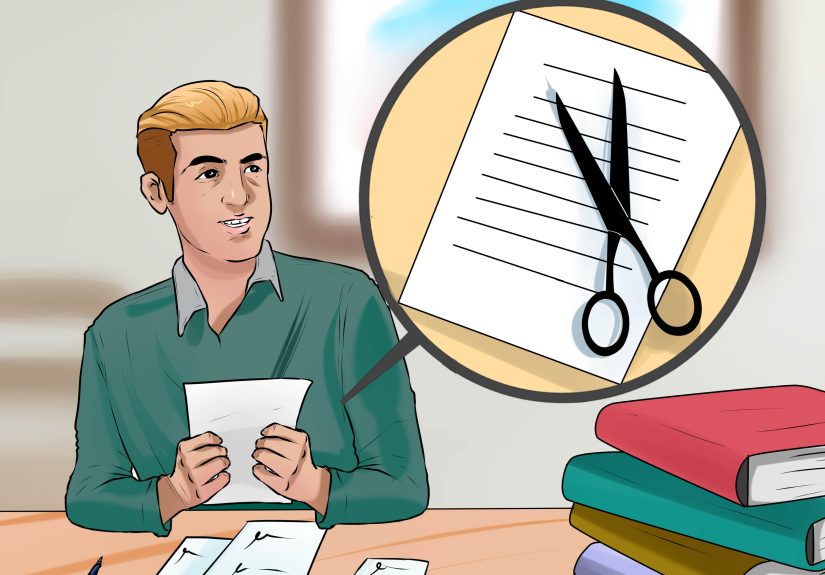
7. Edit for Maximum Impact
Writing a funny story doesn’t mean you can just let it flow without revisiting it. Editing is essential. When you go back and review your work, you can trim unnecessary parts, strengthen punchlines, and ensure the pacing works to your advantage. The right edits can turn a good story into a great one, so don’t skip this step.
Examples of Funny Story Ideas
If you’re stuck on where to start, here are a few funny story ideas that could inspire you:
- Misunderstanding at the Grocery Store: Two characters think they’re both after the same item, but their methods of getting it are hilariously wrong.
- First Day at a New Job: The main character’s first day at work goes catastrophically wrong, from spilled coffee to embarrassing moments with coworkers.
- Road Trip Gone Wrong: A group of friends takes a road trip that gets hilariously off track due to a series of unfortunate events.
- The Worst Date Ever: A funny story about a disastrous date where everything goes wrong, from miscommunications to clumsy accidents.
Common Mistakes to Avoid in Funny Writing
Writing humor isn’t always easy, and even the best writers make mistakes. Here are a few common pitfalls to watch out for:
- Forcing the Joke: If you try too hard to make every sentence funny, the story can feel overstuffed and unnatural.
- Being Too Obscure: Humor should be relatable, so don’t use obscure references or inside jokes that your audience won’t understand.
- Overusing Clichés: While some clichés can be funny in moderation, relying on them too much can make the story feel stale.
Conclusion: Craft Your Funniest Story Yet
Writing funny stories takes practice, but anyone can master the craft with the right techniques. Start with a relatable premise, create strong, exaggerated characters, and use timing and dialogue to bring the humor to life. Most importantly, don’t be afraid to experiment and push boundaries. Humor is about taking risks and surprising your audience, so let your creativity run wild.
My Experience with Writing Funny Stories
Throughout my journey as a writer, I’ve had the opportunity to explore humor in many forms. Early on, I found that humor often stems from an unexpected place or situation. For example, one of my funniest stories came from a completely random conversation I overheard at a coffee shop. It was a ridiculous exchange between two strangers that turned into a wildly exaggerated version of an awkward first date. I took that real-life moment and transformed it into a funny short story, tweaking it for comedic effect.
One of the key things I’ve learned is that humor doesn’t have to be complicated. Sometimes the simplest situations, like a person tripping over their own feet or misreading a text message, can lead to the funniest moments. The challenge is in recognizing these moments and finding ways to amplify them for comedic effect. Humor often comes from pushing something mundane to the extreme.
Another important lesson was learning to embrace failure. Not every attempt at humor will hit the mark, and that’s okay! Comedy is subjective, and what one person finds hilarious, another might not. I’ve learned to keep experimenting with different comedic styles until I find what works. It’s about trial and error, and embracing the mistakes as part of the process.
In the end, writing funny stories has been a rewarding challenge. The laughter and joy that come from sharing a funny story with others make the effort worthwhile. If you’re writing funny stories, keep practicing, keep experimenting, and most importantly, keep having fun with it!







 Close
Close